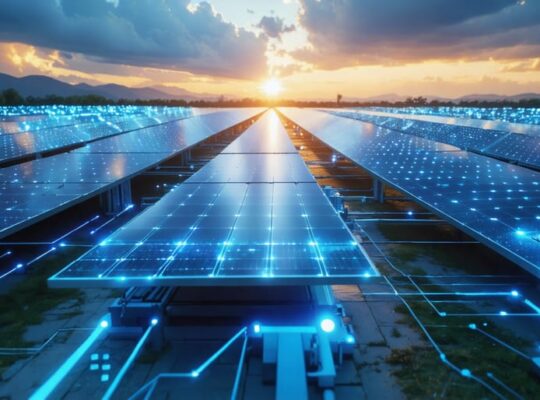
Assess your infrastructure’s attack surface by mapping all internet-connected components in your solar PV storage systems, including inverters, battery management systems, monitoring platforms, and communication protocols. Document every access point, identify outdated firmware versions, and evaluate authentication mechanisms to establish a baseline security posture before implementing protective measures.
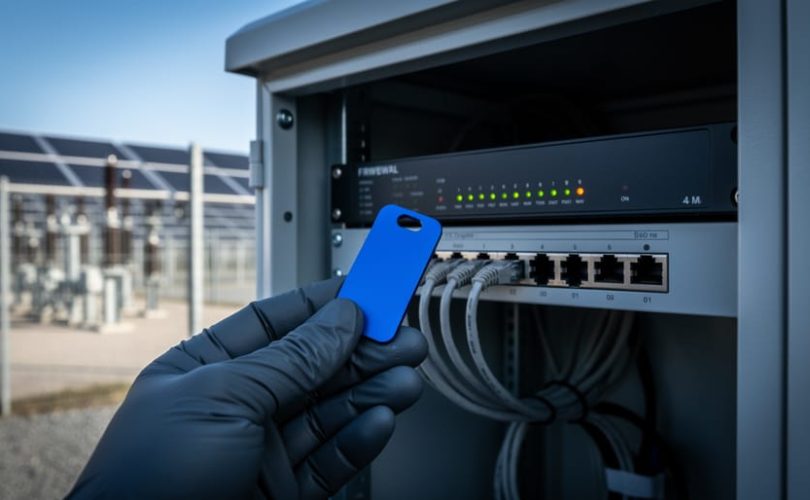
Implement network segmentation immediately by isolating operational technology networks from enterprise IT systems, creating dedicated VLANs for critical equipment, and deploying hardware firewalls between segments. This containment strategy prevents lateral movement of threats and limits potential damage from compromised devices while maintaining system functionality and remote monitoring capabilities.
Establish multi-factor authentication across all access points to control systems, requiring physical tokens or biometric verification for administrative functions. Configure role-based access controls that restrict user permissions to essential operations only, and mandate credential rotation every 60-90 days with enforced password complexity requirements exceeding industry minimums.
Deploy continuous monitoring solutions that detect anomalous behavior patterns in real-time, including unexpected data flows, unauthorized configuration changes, or unusual energy output fluctuations. Configure automated alerts for suspicious activities and integrate security information and event management systems to correlate data across multiple sensors, enabling rapid incident response before minor breaches escalate into grid-level vulnerabilities.
As photovoltaic installations proliferate globally and energy storage systems become increasingly interconnected, the cybersecurity challenges facing this critical infrastructure have evolved from theoretical concerns into pressing operational realities. The convergence of renewable energy technology with digital control systems creates unprecedented vulnerabilities that demand specialized knowledge, proactive defense strategies, and industry-wide collaboration to protect power generation assets from sophisticated threat actors.
Why Solar Storage Systems Are Vulnerable to Cyber Attacks
The Digital Transformation of Solar Infrastructure
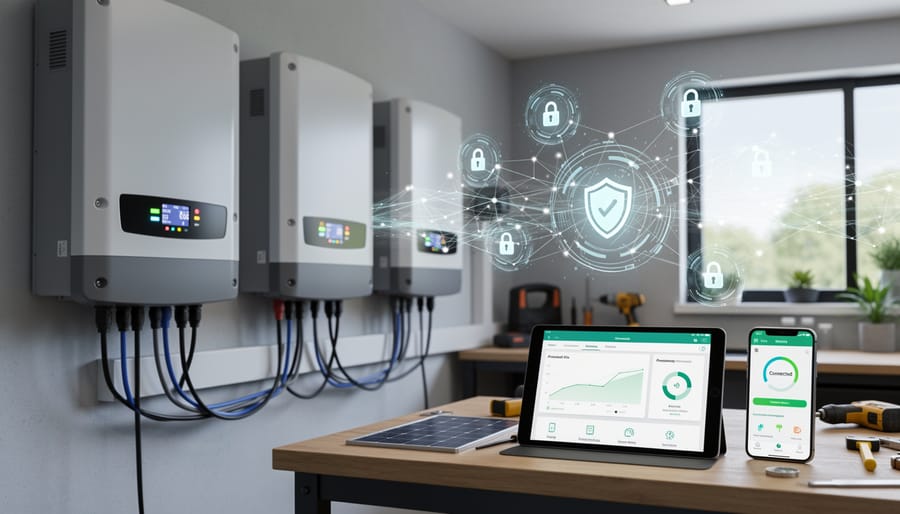
Modern solar photovoltaic systems have evolved from isolated electrical installations into sophisticated, interconnected networks that rely heavily on digital infrastructure. Today’s solar PV storage systems incorporate smart inverters that continuously communicate performance data, battery management systems that optimize energy storage cycles, and cloud-based monitoring platforms that enable remote system oversight. This IoT integration has transformed static power generation equipment into dynamic, responsive energy assets.
The operational benefits of this digital transformation are substantial. Real-time monitoring allows operators to identify performance issues immediately, predictive maintenance algorithms reduce downtime, and automated demand response capabilities enable systems to participate in energy markets. Battery management systems precisely control charging and discharging cycles to maximize lifespan and efficiency, while weather forecasting integration optimizes energy production scheduling.
However, this connectivity introduces significant cybersecurity considerations. Every internet-enabled component represents a potential entry point for malicious actors. Remote access capabilities, firmware update mechanisms, and data transmission protocols all require robust security measures. As solar installations scale from residential rooftops to utility-scale facilities, the attack surface expands proportionally, making comprehensive cybersecurity strategies essential for protecting critical energy infrastructure and ensuring grid stability.
Common Entry Points for Cyber Threats
Solar photovoltaic systems face multiple vulnerabilities that cybercriminals actively exploit to compromise operations, steal data, or disrupt energy production. Understanding these entry points is essential for developing robust security strategies.
Unsecured communication protocols represent a primary vulnerability in solar installations. Many systems still rely on unencrypted connections between inverters, monitoring equipment, and cloud-based management platforms. This creates opportunities for attackers to intercept data transmissions or inject malicious commands. Industry research indicates that approximately 60% of legacy solar installations utilize protocols without adequate encryption standards.
Outdated firmware poses another significant threat vector. Manufacturers regularly release security patches to address newly discovered vulnerabilities, yet many solar facilities operate with firmware versions that are months or years behind current releases. This negligence leaves known security gaps open for exploitation, particularly in remote monitoring systems and energy management software.
Weak authentication systems compound these risks substantially. Default passwords, single-factor authentication, and inadequate access controls allow unauthorized users to gain entry into critical system components. Studies from renewable energy security specialists reveal that over 40% of solar installations maintain factory-default credentials on at least one system component.
Third-party software integrations introduce additional complexity to the security landscape. Solar facilities increasingly connect with external energy trading platforms, utility grid management systems, and building automation networks. Each integration point represents a potential pathway for cyber threats, especially when vendors lack comprehensive security vetting procedures or when application programming interfaces lack proper authentication mechanisms.
Real-World Cyber Threats Facing Solar PV Storage Systems
Ransomware and Malware Attacks
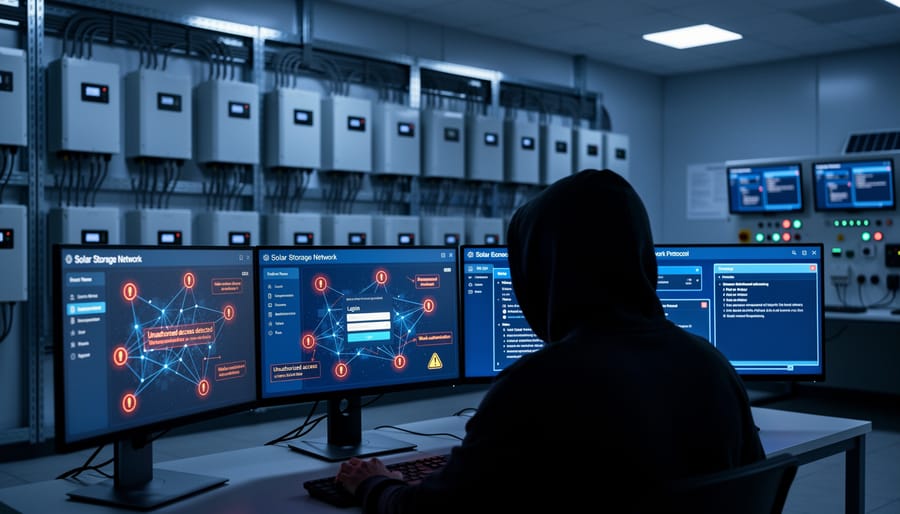
Ransomware and malware attacks represent critical threats to solar energy infrastructure, with the potential to paralyze operations and compromise grid stability. These malicious software variants can infiltrate solar management systems through vulnerable network connections, outdated firmware, or compromised user credentials. Once inside, ransomware can encrypt critical operational data, effectively locking operators out of their own systems and demanding payment for restoration access. In extreme scenarios, attackers may target battery energy storage systems, holding stored power hostage or manipulating discharge cycles to destabilize grid connections.
Malware can disable inverters, manipulate maximum power point tracking algorithms, or corrupt monitoring systems to mask performance degradation. Particularly concerning are attacks on distributed energy resource management systems that coordinate multiple installations, where a single breach could cascade across numerous sites. The 2021 attack on a European energy management platform demonstrated how malware could simultaneously disrupt thousands of residential solar installations, causing localized blackouts and equipment damage.
Protection strategies include network segmentation to isolate control systems, regular firmware updates, multi-factor authentication protocols, and continuous monitoring for anomalous behavior. Industry stakeholders should implement comprehensive backup systems and establish incident response protocols that enable rapid system restoration without succumbing to ransom demands.
Data Breaches and Privacy Violations
Solar photovoltaic systems generate extensive datasets that, if compromised, pose significant risks to both system operators and end users. Energy consumption data reveals detailed patterns about residential and commercial activities, creating privacy vulnerabilities when accessed by unauthorized parties. Customer information stored within cloud-based monitoring platforms, including personal identification details and financial records, becomes attractive targets for cybercriminals seeking identity theft opportunities.
Operational analytics from solar installations contain proprietary information about system performance, grid integration protocols, and energy storage algorithms that competitors or malicious actors could exploit. Breaches of these datasets have occurred through inadequately secured application programming interfaces, compromised vendor credentials, and vulnerable third-party monitoring services. The distributed nature of modern solar deployments, where multiple stakeholders access shared data platforms, multiplies potential entry points for attackers.
Research institutions collaborating with industry partners emphasize that encryption protocols and role-based access controls remain essential safeguards. However, many legacy solar systems operate without comprehensive data protection measures, leaving operators exposed to regulatory penalties under evolving privacy legislation. Educational programs addressing these vulnerabilities prepare professionals to implement robust data governance frameworks that balance operational transparency with stringent security requirements, ensuring that the renewable energy transition maintains public trust through responsible information management practices.
Grid Destabilization Through Coordinated Attacks
Compromised solar storage systems represent a critical vulnerability in modern electrical infrastructure, particularly when attackers orchestrate coordinated manipulations across multiple installations. Unlike isolated security breaches, synchronized attacks targeting distributed energy resources can create cascading effects that threaten grid stability on a regional or even national scale.
The threat mechanism centers on the simultaneous control of numerous battery storage systems during periods of peak demand or supply stress. Malicious actors gaining access through inadequate cybersecurity protocols could command thousands of inverters to disconnect instantaneously, creating sudden frequency deviations that overwhelm grid operators’ response capabilities. Research from Lawrence Berkeley National Laboratory demonstrates that coordinated disconnection of just 30% of distributed solar storage capacity during critical hours could trigger widespread blackouts.
Alternatively, attackers might weaponize charge-discharge cycles, forcing batteries to inject or absorb power in patterns designed to amplify grid oscillations. Since grid interconnection protocols rely on predictable behavior from distributed resources, synchronized disruptions can rapidly exceed safety thresholds before protective systems activate.
The proliferation of residential and commercial solar installations magnifies this risk, as each connection point becomes a potential attack vector. Without robust authentication protocols, encrypted communications, and anomaly detection systems, the aggregated capacity of distributed storage systems transforms from a grid stabilization asset into a weapon capable of causing significant economic and infrastructure damage.
Essential Cybersecurity Measures for Solar Storage Protection
Network Segmentation and Access Controls
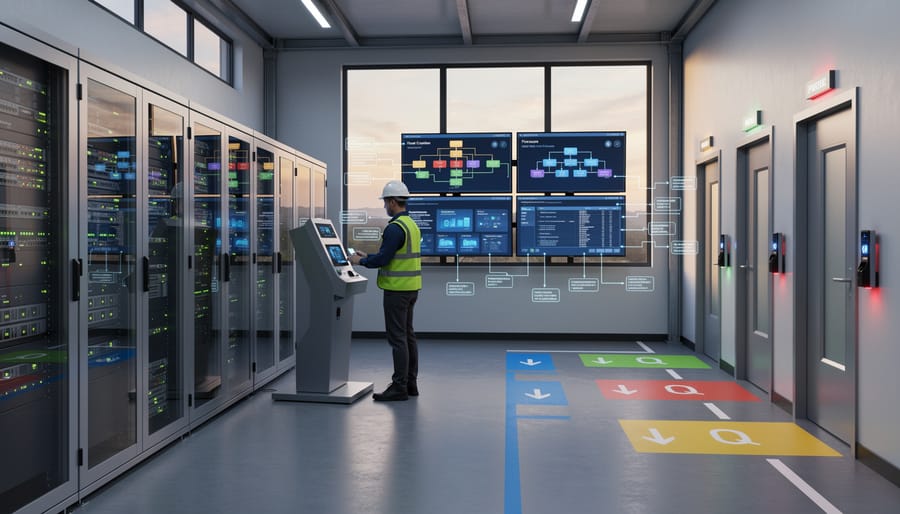
Effective network segmentation creates defensive barriers that limit unauthorized access to critical photovoltaic systems. Begin by isolating operational technology networks from corporate IT infrastructure, establishing separate zones for energy management systems, inverters, and battery storage controllers. This approach prevents lateral movement if attackers compromise less critical systems.
Implement role-based access control (RBAC) to ensure personnel only access systems necessary for their responsibilities. Define clear permission levels for installers, maintenance technicians, system administrators, and monitoring staff. Multi-factor authentication should be mandatory for all remote access points, particularly when technicians connect to inverters or battery management systems from off-site locations.
Create demilitarized zones (DMZs) between internet-facing components and internal control systems, using firewalls configured with explicit allow-lists rather than default-deny rules. Monitor all traffic between network segments using intrusion detection systems that recognize normal operational patterns in solar installations.
For distributed solar installations, establish secure virtual private networks (VPNs) with strong encryption protocols. Regular access audits and immediate credential revocation upon employee departure prevent unauthorized entry points. Universities collaborating on renewable energy research emphasize these architectural principles in their cybersecurity curricula, preparing professionals to design resilient solar infrastructure from the ground up.
Encryption and Secure Communication Protocols
Robust encryption forms the foundation of solar energy system cybersecurity, protecting sensitive operational data and preventing unauthorized access. Modern photovoltaic installations require AES-256 encryption for data at rest and TLS 1.3 protocols for data in transit between inverters, battery management systems, and monitoring platforms. These encryption standards ensure that information exchanged across networks remains confidential and tamper-proof.
Secure application programming interfaces (APIs) enable authenticated communication between distributed solar components while preventing injection attacks and unauthorized commands. Implementation of OAuth 2.0 authentication protocols adds an essential verification layer, confirming that only legitimate devices and authorized personnel can interact with system controls. Virtual private networks (VPNs) establish encrypted tunnels for remote monitoring and maintenance access, particularly crucial for geographically distributed solar installations where technicians require secure connectivity.
Certificate-based authentication provides mutual verification between communicating devices, preventing man-in-the-middle attacks that could compromise system integrity. Universities collaborating with industry leaders are developing enhanced cryptographic protocols specifically designed for resource-constrained solar hardware environments. Regular security audits and firmware updates maintain encryption effectiveness as threat landscapes evolve, while educational programs train professionals to implement these critical protective measures across renewable energy infrastructure.
Regular Security Audits and Penetration Testing
Establishing a comprehensive security audit framework is essential for maintaining resilient solar photovoltaic storage systems. Organizations should implement quarterly vulnerability assessments that examine network architecture, communication protocols, and access controls across all system components. These evaluations identify potential entry points before malicious actors can exploit them.
Firmware updates represent a critical defense mechanism against emerging threats. System operators must establish automated update protocols for inverters, battery management systems, and monitoring devices while maintaining rollback capabilities for problematic releases. Collaborating with equipment manufacturers ensures timely patch deployment and compatibility verification across integrated platforms.
Third-party security evaluations provide objective insights into system vulnerabilities. Engaging certified cybersecurity professionals with renewable energy expertise offers specialized knowledge of sector-specific threats. Universities conducting research in energy infrastructure security can serve as valuable partners for these assessments, bringing academic rigor and emerging threat intelligence to evaluation processes.
Penetration testing should simulate real-world attack scenarios, including phishing attempts targeting operational staff, network intrusion attempts, and denial-of-service attacks on monitoring systems. Documentation of findings, remediation timelines, and retesting protocols ensures continuous improvement. Industry stakeholders benefit from establishing standardized audit frameworks that align with evolving compliance requirements while supporting workforce development through hands-on training opportunities for aspiring photovoltaic professionals.
Intrusion Detection and Response Systems
Modern solar installations require robust intrusion detection systems that continuously monitor network traffic, device behavior, and access patterns across distributed PV infrastructure. These systems employ machine learning algorithms specifically calibrated to recognize normal operational parameters of inverters, battery management systems, and cloud-based monitoring platforms. When anomalies occur—such as unauthorized configuration changes, unusual data transmissions, or suspicious login attempts—automated alerts trigger immediate investigation protocols. Effective incident response plans should establish clear escalation procedures, designate cybersecurity roles within operations teams, and maintain isolated backup systems for critical functions. Leading organizations partner with universities to develop sector-specific detection signatures and train professionals in solar-oriented cybersecurity practices. Regular penetration testing and simulated attack scenarios help validate detection capabilities and refine response workflows, ensuring solar facilities maintain both energy production reliability and digital infrastructure integrity.
Industry Standards and Regulatory Frameworks
IEC 62443 and Solar-Specific Security Standards
IEC 62443 represents the internationally recognized framework for industrial automation and control systems security, providing comprehensive guidance directly applicable to photovoltaic installations. Originally developed for manufacturing and critical infrastructure, this multi-part standard addresses security lifecycle requirements from component development through system integration and operational maintenance. Solar energy systems, with their distributed architecture and industrial control components, fall squarely within IEC 62443’s scope.
The standard establishes four foundational requirements: identification and authentication control, use control, data integrity, and data confidentiality. For solar installations, this translates to securing inverter communications, protecting SCADA systems managing multiple sites, and ensuring firmware authenticity. IEC 62443-3-3 specifically defines security levels that solar operators can apply based on their risk assessment, ranging from protection against casual breaches to defense against sophisticated nation-state attacks.
Beyond IEC 62443, emerging solar-specific guidelines include NIST’s cybersecurity framework applications for distributed energy resources and IEEE 2030.5, which addresses secure communication protocols for smart inverters and demand response systems. The SunSpec Alliance has developed security specifications for photovoltaic device communication, creating interoperable standards that manufacturers increasingly adopt. Academic institutions collaborating with industry leaders are researching practical implementation methodologies, helping translate these frameworks into actionable security programs for organizations of all sizes managing solar infrastructure.
Regional Compliance Requirements
Cybersecurity requirements for solar installations vary significantly across global markets, creating complex compliance landscapes for industry professionals. In North America, the North American Electric Reliability Corporation Critical Infrastructure Protection standards mandate robust cybersecurity controls for grid-connected solar facilities exceeding certain capacity thresholds. These requirements include network segmentation, access controls, incident response planning, and regular security assessments. The Federal Energy Regulatory Commission enforces compliance through audits and substantial penalties for violations.
European markets operate under the Network and Information Systems Directive and the forthcoming Cyber Resilience Act, which will impose stringent security requirements on connected energy devices, including solar inverters and battery management systems. Member states have adopted varying implementation timelines, with Germany and France leading in enforcement rigor. The European Union Agency for Cybersecurity provides guidance specifically addressing renewable energy infrastructure protection.
Asia-Pacific markets demonstrate diverse regulatory maturity levels. Australia has established comprehensive cybersecurity frameworks through the Australian Energy Market Operator, while emerging markets like India and Southeast Asian nations are developing region-specific standards. China’s Cybersecurity Law imposes data localization and security assessment requirements affecting solar installations with digital monitoring capabilities.
Understanding these regional mandates is essential for manufacturers, installers, and operators to ensure compliance, avoid penalties, and maintain grid interconnection approvals across international markets.
Building Cybersecurity Expertise in the PV Workforce
Essential Skills for Solar Cybersecurity Professionals
Professionals entering the solar cybersecurity field require a multidisciplinary skill set combining renewable energy knowledge with information security expertise. Core technical competencies include understanding photovoltaic system architecture, inverter communication protocols, SCADA systems, and energy management platforms. Proficiency in network security fundamentals, threat detection, and incident response forms the cybersecurity foundation necessary for protecting solar installations.
Industry-recognized certifications strengthen professional credentials in this emerging specialty. The Certified Information Systems Security Professional (CISSP) and Certified Ethical Hacker (CEH) credentials provide essential security knowledge, while the Global Industrial Cyber Security Professional (GICSP) certification specifically addresses operational technology environments common in solar facilities. Additionally, familiarity with IEC 62351 standards and NERC CIP compliance requirements demonstrates regulatory awareness critical for grid-connected systems.
Educational pathways increasingly support this specialization through dedicated programs. Universities are collaborating with industry leaders to develop curricula integrating renewable energy engineering with cybersecurity principles. Aspiring professionals should pursue coursework in industrial control systems security, IoT device protection, and energy sector risk management. Practical experience through internships at solar companies or participation in capture-the-flag exercises focused on critical infrastructure scenarios provides invaluable hands-on learning opportunities that complement formal education.
Educational Programs and Resources
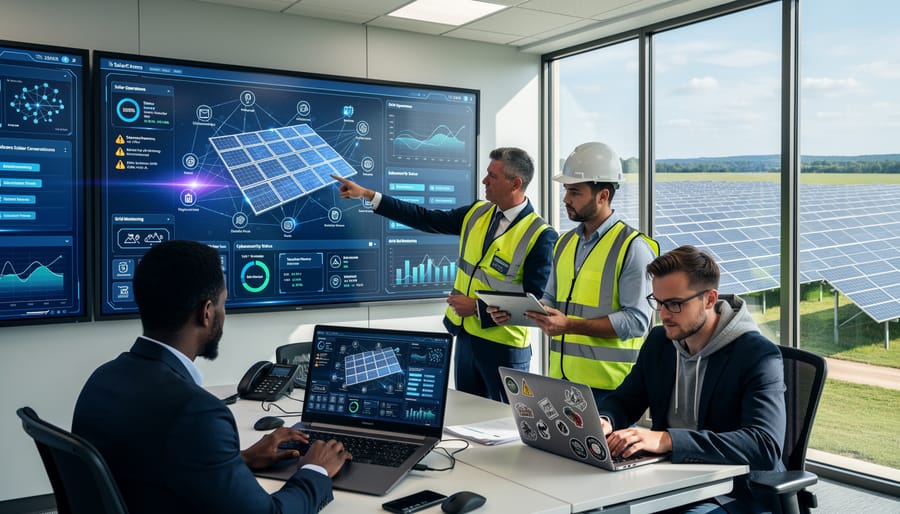
Recognizing the critical need for cybersecurity expertise in the solar industry, leading academic institutions have begun integrating specialized training modules into their renewable energy programs. Universities are partnering with industry leaders to develop comprehensive curricula that address the unique security challenges facing photovoltaic storage systems. These collaborative initiatives cover essential topics including network architecture security, SCADA system protection, and threat detection protocols specific to distributed energy resources.
Mose Solar actively contributes to these educational efforts by providing practical training resources and real-world case studies to academic programs. Our specialized workshops and certification courses equip aspiring professionals with hands-on experience in securing solar installations against cyber threats. These programs emphasize both theoretical foundations and applied skills, preparing graduates to implement robust security frameworks from initial system design through operational monitoring.
Industry stakeholders can access continuing education opportunities through professional development seminars that address evolving threat landscapes and emerging best practices. These resources bridge the gap between traditional cybersecurity training and renewable energy technology, ensuring professionals remain current with regulatory requirements and industry standards. By investing in comprehensive educational initiatives, the solar sector builds a qualified workforce capable of safeguarding the grid-connected infrastructure essential to our energy transition.
As the solar photovoltaic industry experiences unprecedented growth, integrating robust cybersecurity measures into system design and operations is no longer optional—it is imperative. The interconnected nature of modern solar PV storage systems creates vulnerabilities that adversaries can exploit, potentially compromising grid stability, consumer data, and the broader transition to renewable energy. Waiting until after deployment to address security concerns leaves systems exposed during their most vulnerable phases and increases remediation costs exponentially.
Industry stakeholders must champion a security-first mindset, embedding protective measures at every stage from initial design through ongoing operations. Manufacturers should prioritize secure-by-design principles in inverter and battery management system development. Installers and operators need comprehensive training on cybersecurity protocols, including network segmentation, encryption implementation, and continuous monitoring practices. Policymakers and regulators should establish clear, enforceable standards that keep pace with evolving threats while supporting innovation.
For aspiring professionals entering the photovoltaic sector, developing cybersecurity competencies alongside technical solar expertise will prove essential to career advancement. Universities and training organizations are increasingly offering specialized programs that bridge renewable energy and information security disciplines. These educational pathways prepare the workforce needed to secure our energy infrastructure.
The solar industry stands at a critical juncture. By collectively prioritizing cybersecurity education and implementation today, we can ensure that our clean energy future remains resilient, reliable, and secure against emerging digital threats. The time to act is now—before vulnerabilities become crises.