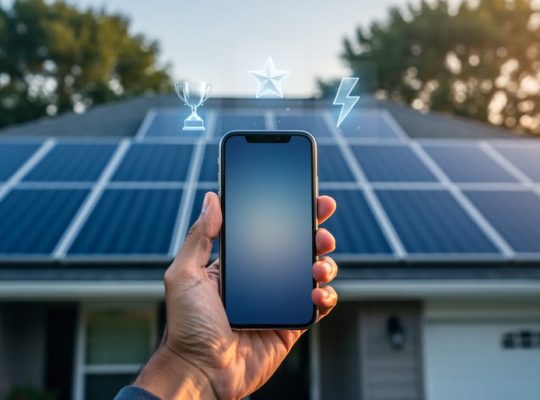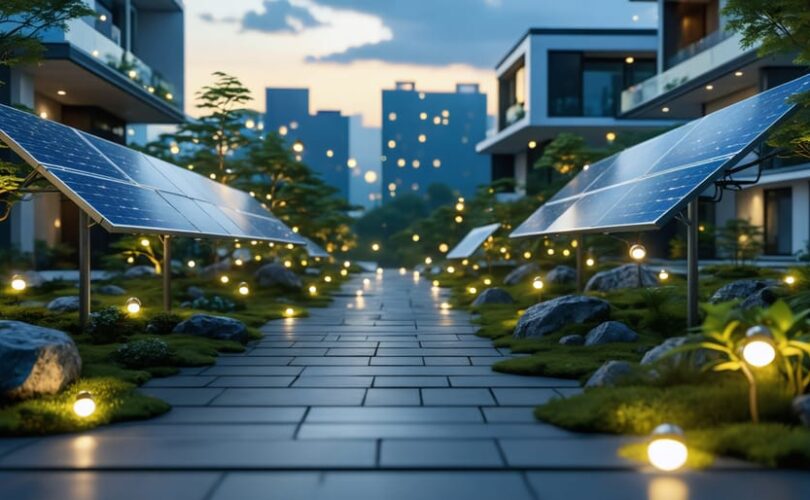
Personalized solar lighting systems have revolutionized sustainable illumination by merging adaptive PV design solutions with individual user preferences. These intelligent systems analyze usage patterns, environmental conditions, and energy requirements to deliver optimized performance while reducing carbon footprints. Advanced photovoltaic technology now enables precise customization of lighting intensity, duration, and activation parameters, transforming conventional solar illumination into responsive, energy-efficient solutions for diverse applications.
Recent innovations in smart solar lighting incorporate machine learning algorithms that continuously refine performance based on user behavior and seasonal variations. These systems integrate seamlessly with home automation platforms, offering unprecedented control over outdoor and indoor lighting scenarios while maintaining energy independence. For infrastructure planners, facility managers, and environmentally conscious homeowners, personalized solar lighting represents a crucial advancement in sustainable technology that combines ecological responsibility with practical functionality.
This comprehensive exploration examines cutting-edge developments in customizable solar lighting, from sophisticated motion-sensing capabilities to remote monitoring systems, providing valuable insights for both technical professionals and informed consumers seeking optimal lighting solutions.
Understanding Personalized Solar Interfaces
Smart Control Systems
Modern personalized solar lights incorporate sophisticated control systems that leverage smart solar technology to optimize performance and user experience. These systems typically feature microprocessor-based controllers that manage multiple parameters, including charging cycles, illumination intensity, and power distribution.
The user interface commonly integrates with mobile applications, allowing remote monitoring and adjustment of lighting parameters. Advanced systems incorporate motion sensors, ambient light detection, and weather monitoring capabilities to automatically adjust illumination patterns based on environmental conditions and usage requirements.
Key control features include programmable timing schedules, dimming capabilities, and energy consumption analytics. Many systems also implement mesh networking protocols, enabling multiple lights to communicate and coordinate their operation for optimal coverage and energy efficiency.
The control architecture typically includes fail-safe mechanisms and diagnostic tools that alert users to maintenance requirements or system irregularities. This predictive maintenance approach ensures consistent performance while minimizing downtime and operational costs. Integration capabilities with home automation systems further enhance the versatility of these lighting solutions, allowing seamless operation within smart home ecosystems.
Adaptive Light Programming
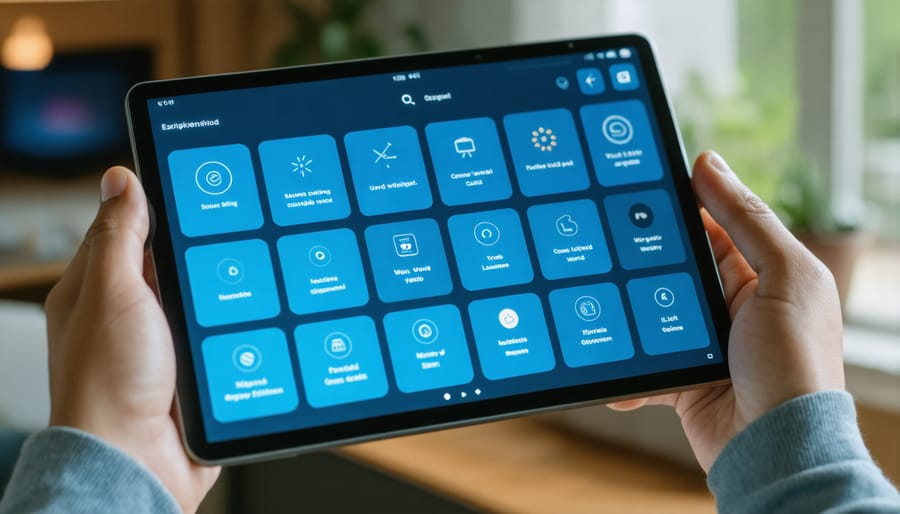
Adaptive Light Programming represents a significant advancement in personalized solar lighting technology, enabling users to create customized illumination schedules that align with their specific needs. These systems utilize sophisticated microcontrollers that analyze usage patterns and environmental conditions to optimize light output and energy consumption.
The programming interface allows users to set multiple lighting zones with independent schedules, brightness levels, and motion-detection parameters. Advanced algorithms incorporate astronomical timing to automatically adjust illumination based on sunrise and sunset times throughout the year, ensuring optimal efficiency and functionality.
Key features include dynamic dimming capabilities, which automatically modify light intensity based on ambient light conditions and battery charge levels. The system can also learn from user behavior patterns, anticipating lighting needs and adjusting schedules accordingly. Weather-adaptive programming enables the system to conserve energy during periods of limited solar charging by implementing pre-defined energy-saving protocols.
Integration with smart home platforms allows for remote management and real-time adjustments through mobile applications, providing users with complete control over their lighting environment while maximizing energy efficiency and system longevity.
Technical Integration with Solar PV Systems
Compatibility with Different Panel Types
Personalized solar lights demonstrate varying levels of compatibility with different photovoltaic panel technologies, each offering distinct advantages for specific applications. Mono PERC (Passivated Emitter and Rear Cell) panels, known for their superior efficiency and performance in limited space conditions, integrate exceptionally well with modern solar lighting systems. These panels typically achieve conversion rates of 20-22%, making them ideal for high-performance customized lighting solutions.
Multi-crystalline panels, while slightly less efficient at 15-17%, provide a cost-effective alternative that maintains reliable performance for standard lighting applications. Their broader light absorption spectrum makes them particularly suitable for areas with varying light conditions or partial shade.
Thin-film technologies, including amorphous silicon and CIGS (Copper Indium Gallium Selenide), offer unique advantages for specialized lighting applications. Their flexibility and lower light sensitivity make them excellent choices for curved surfaces or indoor applications where traditional panels might be impractical.
Recent developments in bifacial solar panels have introduced new possibilities for personalized lighting systems. These panels capture light from both sides, potentially increasing energy yield by 5-30% depending on installation conditions. This technology proves especially valuable for lighting installations in reflective environments or elevated mounting positions.
When selecting panel types for personalized solar lighting, considerations should include local climate conditions, installation location, required power output, and budget constraints. Each panel technology offers specific benefits that can be leveraged to optimize system performance and longevity.
Energy Storage and Management
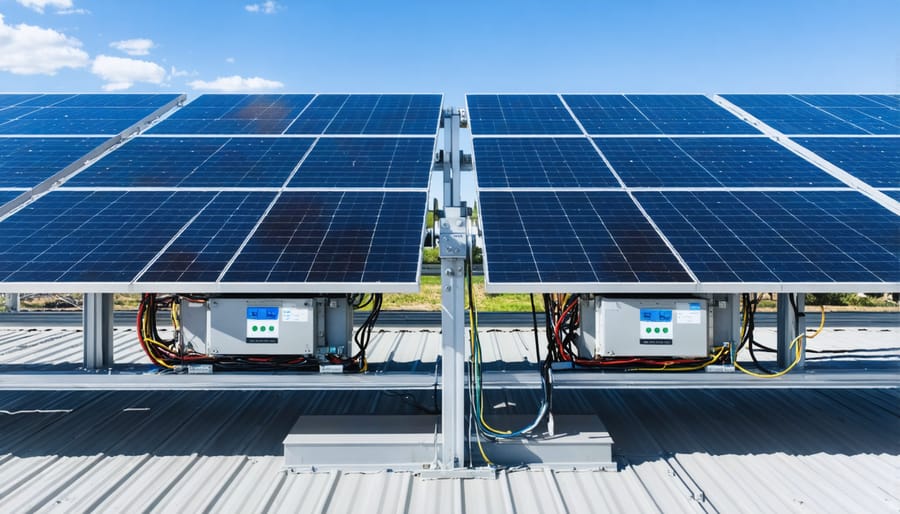
Effective energy storage and power management are crucial components of personalized solar lighting systems, determining their reliability and performance. Modern solar lights utilize advanced lithium-ion or LiFePO4 batteries, offering superior energy density and longer cycle life compared to traditional lead-acid alternatives. These batteries typically provide 8-12 hours of continuous illumination when fully charged, depending on the specific capacity and power consumption requirements.
Power management systems (PMS) incorporate sophisticated microcontrollers that optimize charging cycles and discharge rates. These controllers monitor battery voltage levels, ambient temperature, and usage patterns to maintain optimal performance. Many systems feature adaptive brightness control, automatically adjusting light output based on remaining battery capacity to ensure consistent illumination throughout the night.
To enhance reliability, most contemporary designs implement multiple redundancy features, including overcharge protection, deep discharge prevention, and temperature compensation. Smart charging algorithms maximize battery life by regulating charging current according to environmental conditions and battery state. Some advanced systems incorporate Maximum Power Point Tracking (MPPT) technology, improving charging efficiency by up to 30% compared to traditional charge controllers.
Storage capacity selection depends on local solar insolation levels, required autonomy days, and specific application requirements. For residential applications, systems typically include 2-3 days of autonomy to compensate for periods of limited sunlight. Commercial installations often incorporate larger capacity banks with intelligent load-shedding capabilities to maintain critical lighting functions during extended periods of adverse weather conditions.
Practical Applications and Benefits
Residential Applications
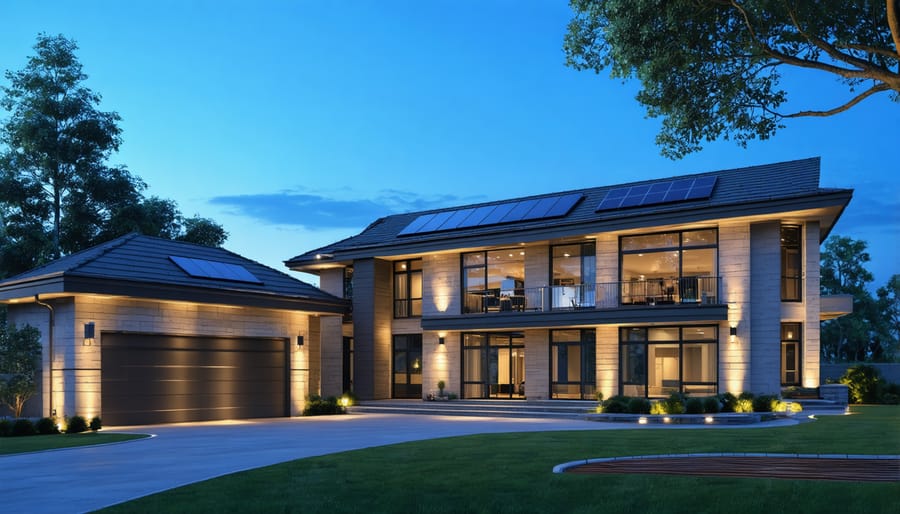
Personalized solar lights offer versatile residential applications, transforming outdoor spaces while providing sustainable illumination solutions. These systems can be tailored to complement various architectural styles and landscape designs, enhancing both functionality and aesthetic appeal.
Modern residential solar lighting systems incorporate advanced customization features, including adjustable brightness levels, motion detection capabilities, and programmable timing schedules. Homeowners can select from various color temperatures, ranging from warm white (2700K) to daylight (5000K), to create desired ambiance across different areas of their property.
Popular residential applications include pathway lighting, security illumination, accent lighting for gardens, and architectural highlighting. Smart integration capabilities allow users to control their solar lighting systems through mobile applications, enabling remote adjustment of settings and monitoring of energy consumption patterns.
Installation flexibility is another key advantage, as these systems can be positioned strategically to maximize solar exposure while meeting specific lighting requirements. Many modern units feature separate solar panels and luminaires, connected via low-voltage cables, allowing optimal placement of both components.
For enhanced personalization, manufacturers now offer modular designs that enable homeowners to expand their lighting systems gradually. This scalability, combined with weather-resistant construction and minimal maintenance requirements, makes personalized solar lights an increasingly popular choice for residential outdoor lighting solutions.
Commercial Implementation
The commercial implementation of personalized solar lights has demonstrated significant success across various business sectors, particularly in retail, hospitality, and corporate environments. These customizable lighting solutions have proven instrumental in achieving substantial energy cost reductions while enhancing operational efficiency. Studies indicate that businesses implementing personalized solar lighting systems typically experience a 30-40% decrease in electricity costs within the first year of installation.
The integration of these systems into commercial spaces has revolutionized urban solar integration, offering businesses adaptable lighting solutions that respond to occupancy patterns, natural light availability, and specific operational requirements. Major retailers have reported enhanced customer experiences and improved product visibility through strategically positioned solar-powered lighting systems that automatically adjust to maintain optimal illumination levels throughout the day.
Companies implementing these solutions benefit from reduced maintenance requirements, extended system longevity, and improved sustainability metrics. The modular nature of personalized solar lights allows businesses to scale their installations according to growth needs while maintaining consistent performance across multiple locations. Additionally, many organizations have leveraged these installations to achieve green building certifications and demonstrate their commitment to environmental stewardship, resulting in enhanced brand value and customer loyalty.
Installation and Maintenance Considerations
Professional Installation Requirements
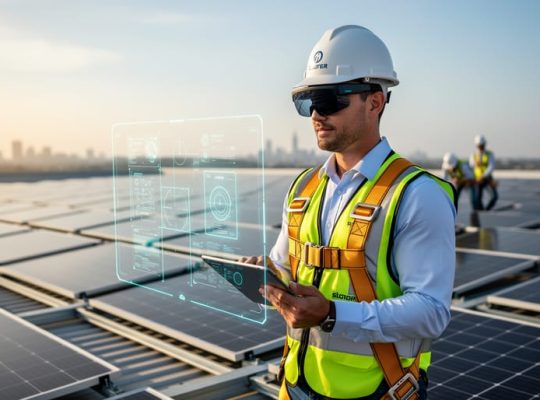
Professional installation of personalized solar lighting systems requires adherence to specific technical standards and certification requirements. Installers must possess current electrical certification and demonstrate proficiency in photovoltaic system installation. Key requirements include certification from the North American Board of Certified Energy Practitioners (NABCEP) or equivalent regional authority.
Installation teams must understand local building codes, electrical regulations, and solar-specific ordinances. A thorough site assessment is mandatory, including solar exposure analysis, structural evaluation, and electrical system compatibility verification. Installers need expertise in both DC and AC electrical systems, grounding techniques, and weatherproofing methods.
Safety protocols demand proper personal protective equipment (PPE) and fall protection systems for roof installations. Documentation requirements include detailed system schematics, load calculations, and permit applications. Installers must maintain liability insurance and provide warranty documentation for both equipment and workmanship.
Quality assurance measures include post-installation testing, system commissioning, and performance verification. Regular maintenance schedules and monitoring protocols should be established to ensure optimal system operation. Professional installers must also provide comprehensive user training and emergency shutdown procedures to system owners.
Maintenance Protocol
Regular maintenance of personalized solar lights ensures optimal performance and longevity. Clean the solar panels monthly using a soft, damp cloth to remove dust, debris, and bird droppings that can reduce charging efficiency. Avoid abrasive cleaners or materials that might scratch the panel surface.
Check and tighten all mounting hardware quarterly to prevent wind damage. Inspect wiring connections for signs of corrosion or loose terminals, particularly after severe weather events. Replace deteriorated weather seals and gaskets promptly to maintain water resistance.
For troubleshooting common issues, first verify that the solar panel receives adequate sunlight exposure. If performance decreases, test the battery’s charge capacity and replace it if necessary, typically every 2-3 years. LED malfunctions often indicate controller issues or moisture infiltration.
During winter months, clear snow accumulation from panels and adjust tilt angles if possible to maximize solar exposure. Program controllers seasonally to optimize illumination duration based on available daylight hours. Document maintenance activities and performance metrics to establish baseline operational parameters and identify potential problems early.
Future Developments and Industry Trends
The future of personalized solar lighting is poised for significant advancement through emerging technologies and innovative design approaches. Integration of artificial intelligence and machine learning algorithms is enabling more sophisticated adaptive lighting systems that can learn and respond to user behaviors and environmental conditions. These revolutionary solar solutions are transforming how we think about outdoor and indoor lighting customization.
Research institutions are developing next-generation photovoltaic materials with improved efficiency and durability. Perovskite solar cells, in particular, show promise for their potential to achieve higher energy conversion rates while maintaining cost-effectiveness. Additionally, advances in energy storage technology, including solid-state batteries and enhanced lithium-ion systems, are addressing the intermittency challenges inherent in solar power generation.
Industry trends indicate a growing focus on IoT integration, enabling seamless connectivity between solar lighting systems and smart home platforms. This convergence allows for more precise control and optimization of lighting parameters based on real-time data analysis. Manufacturers are also exploring biodegradable components and sustainable manufacturing processes to reduce environmental impact throughout the product lifecycle.
The miniaturization of solar components and development of flexible solar panels are opening new possibilities for architectural integration and aesthetic customization. These innovations, combined with advances in LED technology and color-rendering capabilities, are expected to provide users with unprecedented levels of personalization while maintaining high energy efficiency standards.
Personalized solar lights represent a significant advancement in sustainable lighting technology, combining energy efficiency with customizable features that cater to diverse applications. Throughout this exploration, we’ve examined how these innovative systems integrate advanced photovoltaic technology with smart controls, enabling users to optimize illumination based on specific requirements and environmental conditions.
The future of personalized solar lighting appears increasingly promising, with ongoing developments in battery technology, LED efficiency, and smart control systems. Researchers and manufacturers continue to push boundaries, working towards higher energy conversion rates and more sophisticated customization options. The integration of artificial intelligence and IoT capabilities suggests even more intuitive and efficient lighting solutions on the horizon.
As sustainability becomes increasingly critical, personalized solar lights are positioned to play a vital role in both residential and commercial applications. The combination of environmental benefits, cost savings, and customization capabilities makes these systems an attractive solution for forward-thinking individuals and organizations. With continued technological advancement and decreasing implementation costs, we can expect wider adoption and more innovative applications in the coming years, further solidifying the position of personalized solar lighting in our sustainable future.