Photovoltaic (PV) solar technology represents one of humanity’s most elegant solutions for harnessing renewable energy, converting sunlight directly into electricity through a sophisticated yet remarkably reliable process. At its core, PV solar systems employ specialized semiconductor materials that exhibit the photoelectric effect – a phenomenon where photons from sunlight knock electrons loose from their atoms, generating an electric current. This fundamental principle powers everything from small residential rooftop installations to massive utility-scale solar farms, contributing significantly to our global transition toward sustainable energy.
The technology’s elegance lies in its simplicity: with no moving parts, PV systems silently and efficiently transform abundant solar radiation into usable electricity, operating reliably for decades with minimal maintenance requirements. Modern solar panels achieve conversion efficiencies exceeding 20%, utilizing advanced materials science and precision manufacturing techniques to maximize power generation. This introduction to PV solar technology sets the foundation for understanding both its basic operational principles and the sophisticated engineering that makes it an increasingly vital component of our energy infrastructure.
Understanding how PV solar works is essential for anyone involved in renewable energy, from system designers and installers to end users and maintenance professionals, as this knowledge directly impacts system optimization, troubleshooting, and long-term performance management.
The Core Physics Behind PV Solar Generation
From Sunlight to Electricity: The Photovoltaic Effect
The photovoltaic effect is the fundamental physical process that enables solar cells to transform sunlight into electricity. When photons from sunlight strike the surface of a solar cell, they interact with the semiconductor material, typically silicon, creating electron-hole pairs. The cell’s structure includes two layers of silicon: one positively doped (p-type) and one negatively doped (n-type), forming a p-n junction.
At this junction, an electric field is created that separates the freed electrons from their holes. The electrons are drawn to the n-type layer, while the holes remain in the p-type layer. Metal contacts on both sides of the cell collect these electrons, establishing an electric potential difference. When connected to an external circuit, this potential difference drives electrons through the circuit, generating direct current (DC) electricity.
The efficiency of this conversion process depends on various factors, including the semiconductor material’s properties, cell design, and the wavelength spectrum of incoming light. Modern solar cells typically achieve conversion efficiencies between 15% and 23% under standard test conditions.

Key Components and Their Functions
A photovoltaic solar system consists of several interconnected components that work together to convert sunlight into usable electricity. The solar panels, comprised of multiple photovoltaic cells, serve as the primary energy collection units. These cells contain semiconducting materials, typically silicon, that generate direct current (DC) electricity when exposed to sunlight through the photovoltaic effect.
The inverter is a crucial component that converts the DC electricity produced by the panels into alternating current (AC) power, making it compatible with standard electrical systems. Solar charge controllers regulate the voltage and current flowing from the panels to the batteries, preventing overcharging and extending battery life.
Energy storage systems, typically deep-cycle batteries, store excess electricity for use during periods of low sunlight or high demand. The mounting system secures the panels in optimal position while ensuring structural integrity. Finally, the monitoring system tracks energy production, consumption, and system performance, enabling efficient operation and maintenance.
These components are connected through a network of electrical wiring and protected by safety equipment such as circuit breakers and surge protectors, ensuring reliable and safe system operation.

Critical Performance Indicators in PV Systems
Power Output Metrics
Solar panels generate electrical power through measurable outputs that determine their performance and efficiency. The primary metrics include voltage (V), current (I), and power (W), which work together to define the panel’s energy production capabilities.
The voltage output of a solar panel represents the electrical pressure that drives current through the circuit. Under standard test conditions (STC), a typical silicon solar cell produces approximately 0.5 to 0.6 volts. Multiple cells are connected in series to achieve higher operational voltages, with standard panels typically producing 30-40 volts.
Current generation depends on the panel’s surface area and solar irradiance levels. Measured in amperes (A), the current indicates the flow rate of electrons through the circuit. Most residential solar panels produce between 8 and 10 amperes under optimal conditions.
Power output, measured in watts, is calculated by multiplying voltage and current (P = V × I). Modern solar panels commonly range from 250W to 400W under STC. However, real-world conditions often result in lower outputs due to various factors including temperature, shading, and dust accumulation.
Maximum power point tracking (MPPT) technology optimizes these metrics by continuously adjusting the operating voltage and current to maintain peak power output. Understanding these metrics is crucial for system design, performance monitoring, and maintenance scheduling to ensure optimal energy production.
Environmental and Operating Parameters
Solar photovoltaic systems operate within specific environmental parameters that significantly influence their performance and efficiency. Temperature plays a crucial role, with most PV modules experiencing a decrease in power output as temperatures rise above standard test conditions (25°C). For every degree Celsius increase above this threshold, module efficiency typically decreases by 0.3% to 0.5%, depending on the cell technology.
Solar irradiance, measured in watts per square meter (W/m²), directly affects power generation capability. While higher irradiance generally leads to increased power output, this relationship isn’t strictly linear due to other environmental factors. Optimal performance occurs at 1000 W/m² under standard test conditions.
Atmospheric conditions such as cloud cover, dust, and air pollution impact system performance by reducing the amount of solar radiation reaching the panels. Humidity can affect both the immediate performance and long-term durability of PV systems, particularly in coastal areas where salt spray may accelerate corrosion.
Geographic location and installation angle are critical parameters that determine daily and seasonal energy yield. The optimal tilt angle varies by latitude and local climate conditions, while orientation (typically south-facing in the Northern Hemisphere) maximizes exposure to peak sun hours.
Wind speed and direction influence both operating temperature and structural requirements. While moderate airflow can help cool panels and improve efficiency, high winds necessitate robust mounting systems and may require temporary system shutdown for protection.
Common Failure Points and Early Warning Signs
Panel Degradation Patterns
Solar panels experience predictable panel degradation patterns over their operational lifetime, typically losing 0.5% to 1% of their efficiency annually. This degradation occurs through several mechanisms, including light-induced degradation (LID), potential-induced degradation (PID), and environmental stress factors.
Light-induced degradation primarily affects new panels during their first hours of exposure to sunlight, causing an initial efficiency drop of 1-3%. This process stabilizes after approximately 1000 hours of operation. Potential-induced degradation, meanwhile, results from voltage stress between the solar cells and frame, particularly in high-voltage systems or humid conditions.
Environmental factors significantly influence degradation rates. UV exposure can cause discoloration of the encapsulant material, reducing light transmission to the cells. Thermal cycling between day and night creates mechanical stress on cell connections and solder joints. In coastal areas, salt mist corrosion can accelerate degradation, while in desert environments, sand abrasion may compromise the protective glass surface.
Microcracks, often invisible to the naked eye, can develop due to mechanical stress during transportation, installation, or extreme weather events. These microcracks may expand over time, creating hot spots and reducing panel efficiency. Additionally, delamination can occur when the protective layers separate, allowing moisture ingress and accelerating cell deterioration.
Understanding these degradation mechanisms is crucial for implementing effective maintenance strategies and accurately predicting long-term system performance. Regular monitoring and inspection can help identify early signs of accelerated degradation, allowing for timely intervention and optimal system operation.

Inverter and Connection Issues
Inverters and connection components form critical links in photovoltaic systems, requiring careful monitoring and maintenance to ensure optimal performance. Inverter failures account for approximately 30% of all PV system malfunctions, making them a primary focus for preventive maintenance strategies.
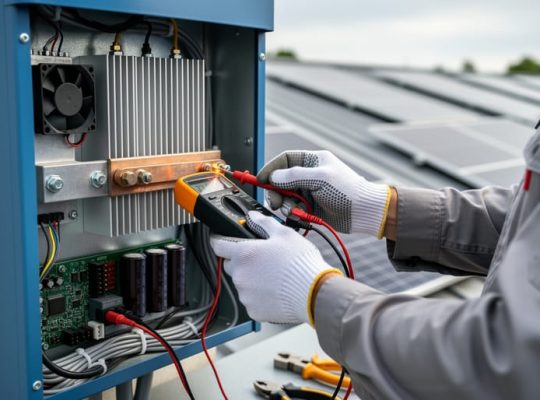
Common inverter issues include thermal stress damage, DC input problems, and grid synchronization failures. These components operate under significant electrical and thermal stress, converting DC power from solar panels to AC power for grid connection or home use. Regular monitoring of inverter efficiency metrics, operating temperature, and output waveforms can help identify potential problems before they lead to system failure.
Connection issues often manifest as increased resistance at terminal points, loose connections, or corroded contacts. These problems can cause voltage drops, reduced system efficiency, and potential safety hazards. Professional inspection should include thermal imaging of connection points to identify hot spots that indicate high resistance or loose connections.
Modern monitoring systems provide real-time data on inverter performance and connection integrity. Key parameters to monitor include:
– Input and output voltage levels
– Power conversion efficiency
– Operating temperature
– Grid synchronization status
– Error codes and fault histories
When troubleshooting inverter or connection problems, systematic diagnosis is essential. This includes verifying proper DC input ranges, checking ground connections, and ensuring adequate ventilation for inverter cooling. Documentation of maintenance activities and performance metrics helps establish baseline parameters for future comparison and trending analysis.
Regular maintenance intervals should be established based on manufacturer recommendations and environmental conditions. Harsh environments may require more frequent inspections and preventive maintenance to maintain system reliability.
Implementing Effective Monitoring Systems
Sensor Placement and Data Collection
Effective monitoring of photovoltaic systems requires strategic sensor placement and systematic data collection protocols. Temperature sensors should be installed on both the front and back surfaces of selected solar panels, with particular attention to panels in different array positions to account for varying environmental conditions. For voltage and current measurements, sensors must be placed at string terminals and inverter input/output points.
Irradiance sensors should be mounted in the same plane as the solar panels to accurately measure available solar resources. At least one sensor per array section is recommended, with additional sensors for large installations exceeding 500kW capacity. Weather stations incorporating ambient temperature, wind speed, and humidity sensors should be positioned at representative locations within the solar facility.
Data logging intervals typically range from 1 to 15 minutes, depending on the monitoring objectives. High-frequency sampling (1-minute intervals) is essential for performance analysis and fault detection, while longer intervals may suffice for general yield monitoring. Modern monitoring systems should implement automated data validation protocols to ensure measurement accuracy and flag anomalous readings.
For optimal results, calibrate all sensors annually and verify their positioning after extreme weather events. Implement redundant sensors for critical measurements to maintain monitoring continuity during sensor failures or maintenance periods. Establish clear documentation procedures for sensor locations, calibration records, and maintenance schedules to ensure consistent data quality over the system’s lifetime.
Data Analysis and Interpretation
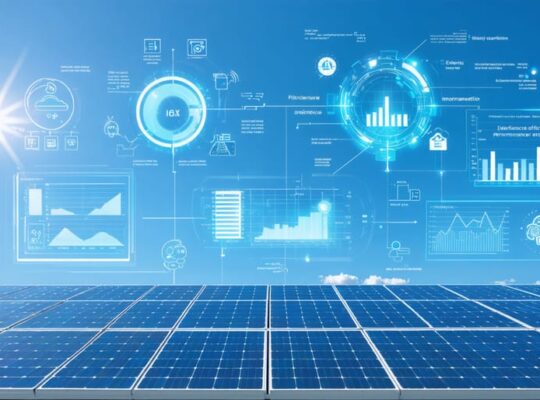
Effective data analysis and interpretation is crucial for maximizing PV solar system performance. When monitoring your system, focus on key performance indicators (KPIs) such as energy yield, performance ratio, and specific yield. These metrics provide insights into system efficiency and help identify potential issues before they escalate.
Start by establishing baseline performance values during optimal conditions. Compare daily, monthly, and seasonal data against these benchmarks to detect deviations. Pay particular attention to power output patterns during peak sun hours and monitor inverter efficiency rates, which typically should remain above 95%.
Temperature coefficients play a significant role in performance analysis. For every degree Celsius above standard test conditions (25°C), expect approximately a 0.4% decrease in power output for crystalline silicon panels. Factor this into your performance calculations to avoid false negative readings.
Monitor string current ratios and voltage levels across different arrays. Significant variations between similar strings often indicate shading issues, soiling, or potential module degradation. Document weather conditions alongside performance data to establish clear correlations between environmental factors and system output.
Create systematic reporting protocols that include automated alerts for performance thresholds. This enables prompt response to anomalies and facilitates predictive maintenance scheduling, ultimately extending system lifespan and maintaining optimal energy production.
Understanding how photovoltaic solar systems work is essential for ensuring optimal performance and longevity of your solar installation. Through this comprehensive overview, we’ve explored the fundamental principles of solar energy conversion, from photons striking the semiconductor material to the final delivery of usable AC power to your facility or grid connection.
Key takeaways include the crucial role of the p-n junction in converting light into electrical current, the importance of proper inverter operation for DC to AC conversion, and the significance of monitoring systems in maintaining peak efficiency. Understanding these core concepts enables facility managers and maintenance personnel to make informed decisions about system optimization and troubleshooting.
Regular maintenance becomes more effective when backed by a solid understanding of system operation. This knowledge helps technicians identify potential issues before they escalate, optimize component performance, and ensure the system operates at maximum efficiency. From panel cleaning schedules to inverter maintenance, each maintenance task takes on greater meaning when viewed through the lens of system operations.
As solar technology continues to evolve, staying informed about how PV systems work becomes increasingly valuable. This knowledge not only supports better maintenance practices but also helps stakeholders make informed decisions about system upgrades and modifications, ultimately leading to improved energy production and return on investment.
Remember that a well-maintained PV system, supported by thorough operational knowledge, can provide reliable renewable energy for decades while contributing to a more sustainable future.