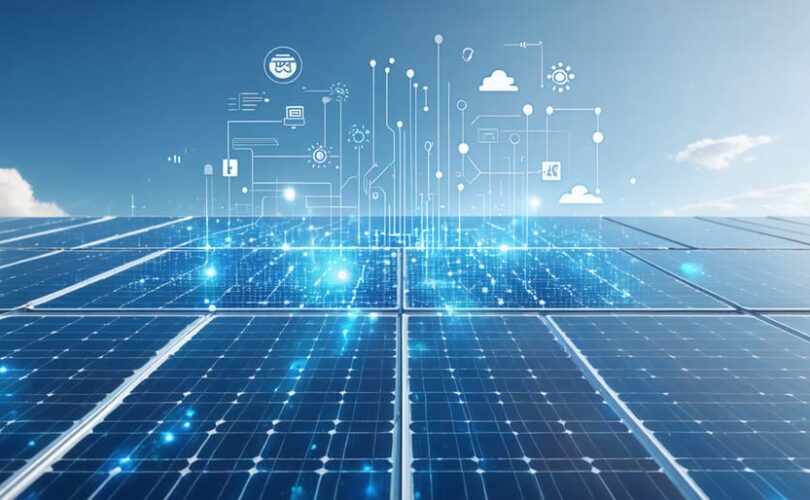
Digital transformation is revolutionizing the solar energy industry, ushering in a new era of intelligent, data-driven photovoltaic systems. The convergence of solar technology and digital innovation has created unprecedented opportunities for enhanced efficiency, predictive maintenance, and automated operations across solar installations worldwide. From AI-powered monitoring systems to blockchain-enabled energy trading platforms, solar digital solutions are fundamentally reshaping how we harness, manage, and distribute solar power.
Advanced sensors, machine learning algorithms, and Internet of Things (IoT) devices now form the backbone of modern solar facilities, enabling real-time performance optimization and sophisticated asset management. These digital tools not only maximize energy yield but also significantly reduce operational costs and extend system longevity through predictive analytics and automated decision-making processes.
As the solar industry continues its rapid evolution, digital integration has become not just an advantage but a necessity for maintaining competitiveness in the renewable energy marketplace. Organizations that embrace these technological advances position themselves at the forefront of the clean energy transition, equipped with the tools to navigate the complexities of modern grid systems and changing energy demands.
This digital revolution in solar technology represents a critical stepping stone toward a more sustainable and efficient energy future, where data-driven insights and automated systems work in harmony to maximize the potential of solar power generation.
The Digital Evolution of Solar PV Systems
From Manual to Smart Monitoring
The evolution of solar PV monitoring systems represents a significant shift from traditional manual inspections to sophisticated digital solutions. Initially, solar installations relied on periodic physical checks and basic data logging, requiring technicians to visit sites regularly for performance assessment and maintenance scheduling.
The transition to smart monitoring began with the introduction of basic data acquisition systems (DAS) that could record fundamental parameters like voltage and current. This evolved into more comprehensive monitoring solutions incorporating real-time data collection, remote access capabilities, and automated alert systems.
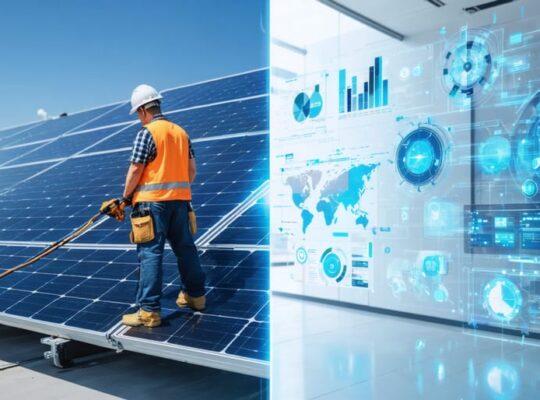
Today’s smart monitoring systems integrate advanced sensors, IoT connectivity, and sophisticated analytics platforms. These systems continuously track performance metrics, environmental conditions, and equipment health, enabling predictive maintenance and optimal yield management. Machine learning algorithms analyze historical data to identify patterns, predict potential issues, and recommend preventive actions.
The impact of this evolution is evident in improved operational efficiency, reduced maintenance costs, and enhanced system reliability. Modern monitoring solutions provide stakeholders with detailed insights through user-friendly dashboards, mobile applications, and automated reporting features, transforming how solar assets are managed and maintained.
Real-time Data Analytics
Real-time data analytics has revolutionized solar PV system performance monitoring and optimization. Advanced analytics platforms now process vast amounts of operational data from multiple sensors, enabling immediate detection of performance anomalies and predictive maintenance opportunities. These systems utilize sophisticated algorithms to analyze power output, environmental conditions, and equipment health metrics simultaneously.
By implementing real-time analytics, operators can identify potential issues before they impact system efficiency. Performance metrics such as string-level current measurements, inverter efficiency, and panel degradation rates are continuously monitored and compared against expected values. This proactive approach has demonstrated up to 20% improvement in system availability and a significant reduction in maintenance costs.
Machine learning algorithms enhance these capabilities by establishing performance baselines and detecting subtle deviations that might indicate emerging problems. The integration of weather forecasting data with performance analytics enables more accurate production forecasting and optimal resource allocation. System operators can now make data-driven decisions about maintenance scheduling, component replacement, and performance optimization strategies, leading to improved overall system reliability and increased energy yield.
Key Digital Technologies in Modern Solar Operations
IoT Sensors and Smart Devices
Internet of Things (IoT) sensors and smart devices have revolutionized solar PV system monitoring and maintenance through advanced data collection and real-time analysis capabilities. IoT integration in solar systems enables continuous monitoring of critical parameters such as voltage, current, temperature, and irradiance levels, ensuring optimal performance and early detection of potential issues.
These intelligent devices utilize sophisticated sensor networks to collect granular data from individual panels, inverters, and other system components. Environmental sensors monitor weather conditions and external factors that might affect solar generation, while power monitoring sensors track energy production and consumption patterns in real-time.
Advanced IoT platforms process this data through cloud-based analytics systems, providing operators with actionable insights through user-friendly dashboards. This enables predictive maintenance scheduling, performance optimization, and rapid fault detection, significantly reducing system downtime and maintenance costs.
Smart monitoring systems can automatically adjust system parameters based on real-time conditions, optimizing energy yield and extending equipment lifespan. They also facilitate remote troubleshooting and maintenance, allowing technicians to diagnose and often resolve issues without physical site visits.
The integration of IoT devices with solar PV systems has proven particularly valuable for large-scale installations, where manual monitoring would be impractical and cost-prohibitive. These technologies have become essential tools for modern solar asset management, enabling data-driven decision-making and improved operational efficiency.
AI and Machine Learning Applications
Artificial Intelligence and Machine Learning technologies have revolutionized solar PV system operations, delivering unprecedented levels of efficiency and reliability. Through AI-powered performance optimization, solar installations can now automatically adjust their operations based on real-time data analysis and weather forecasting.
Machine learning algorithms continuously analyze vast amounts of operational data, identifying patterns and anomalies that human operators might miss. This capability enables predictive maintenance schedules, reducing downtime and extending equipment lifespan. AI systems can predict potential component failures days or weeks in advance, allowing maintenance teams to address issues before they impact system performance.
The integration of AI in solar monitoring systems has significantly improved energy yield forecasting accuracy. Advanced algorithms process multiple data streams, including historical performance metrics, weather patterns, and equipment health indicators, to optimize power output and grid integration. These systems can automatically adjust inverter settings, optimize panel angles in tracking systems, and manage energy storage solutions for maximum efficiency.
Furthermore, AI-driven monitoring platforms provide sophisticated fault detection capabilities, automatically distinguishing between serious equipment malfunctions and minor operational variations. This intelligence helps maintenance teams prioritize their responses and allocate resources more effectively, ultimately reducing operational costs while maintaining optimal system performance.

Cloud-Based Management Systems
Cloud-based management systems have revolutionized the way solar PV installations are monitored, maintained, and optimized. These platforms integrate real-time data collection, advanced analytics, and remote management capabilities to enhance operational efficiency and system performance. By leveraging cloud technology, operators can access comprehensive dashboards that display critical metrics, including power generation, equipment health, and environmental conditions.
These management systems enable predictive maintenance through sophisticated algorithms that analyze performance patterns and identify potential issues before they escalate into serious problems. This proactive approach significantly reduces downtime and maintenance costs while extending the lifespan of solar installations.
The integration of blockchain in solar energy management systems further enhances security and transparency in data handling. Cloud platforms also facilitate seamless collaboration between stakeholders, from system operators to maintenance teams, ensuring efficient workflow management and rapid response to operational challenges.
Key benefits include automated reporting, customizable alerts, and advanced data visualization tools that help operators make informed decisions. The scalability of cloud solutions allows organizations to manage multiple solar installations across different locations through a single interface, streamlining operations and reducing administrative overhead. Additionally, these platforms support integration with other business systems, creating a comprehensive ecosystem for solar asset management.

Implementation Strategies for Digital Solar Solutions
Assessment and Planning
The successful integration of digital technologies in solar PV systems requires a systematic approach to assessment and planning. Begin with a comprehensive site evaluation that considers both physical infrastructure and existing digital capabilities. This includes analyzing current monitoring systems, communication networks, and data collection methods.
Develop a detailed digital needs assessment by identifying specific operational challenges and opportunities for improvement. Consider factors such as system performance monitoring requirements, maintenance scheduling needs, and data analysis capabilities. This assessment should align with organizational goals and budget constraints.
Create a phased implementation strategy that prioritizes critical components while allowing for future scalability. The strategy should outline specific technological requirements, integration points with existing systems, and necessary upgrades to support digital functionality. Include considerations for cybersecurity measures and data protection protocols.
Establish clear metrics for measuring success, including performance indicators like system uptime, maintenance efficiency, and energy yield optimization. Document baseline measurements before implementation to enable accurate tracking of improvements.
Engage key stakeholders early in the planning process to ensure buy-in and address potential concerns. This includes training requirements for technical staff, data management protocols, and communication procedures. Consider partnerships with technology providers and system integrators who can provide expertise during implementation.
Develop a realistic timeline that accounts for procurement, installation, testing, and staff training. Include contingency plans for potential technical challenges and system integration issues. Regular review and adjustment of the implementation plan ensures alignment with evolving technological capabilities and organizational needs.
Training and Skill Development
The integration of digital technologies in solar PV systems necessitates comprehensive training and skill development programs for industry professionals. Organizations must prioritize developing competencies in data analytics, smart monitoring systems, and digital asset management to maintain competitive advantage in the renewable energy sector.
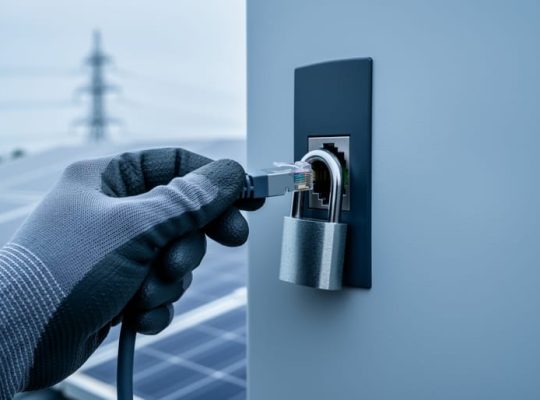
Key technical skills required include proficiency in solar monitoring software, understanding of IoT implementations, and expertise in predictive maintenance algorithms. Additionally, professionals need to develop capabilities in cybersecurity protocols specific to solar installations, as digital integration increases system vulnerability to potential threats.
Industry partnerships with educational institutions play a crucial role in workforce development. Many universities now offer specialized courses combining traditional solar engineering with digital technology applications. These programs typically include hands-on experience with digital twin simulations, remote monitoring platforms, and advanced data visualization tools.
Continuous professional development is essential as digital technologies evolve rapidly. Regular training sessions should cover emerging technologies such as blockchain for energy trading, artificial intelligence for yield optimization, and machine learning for performance forecasting. Organizations should implement structured mentorship programs to facilitate knowledge transfer between experienced professionals and new entrants.
Certification programs focusing on digital solar technologies provide formal recognition of expertise and ensure standardization of skills across the industry. These certifications often cover areas such as digital system integration, smart grid connectivity, and advanced performance analytics, helping professionals demonstrate their competencies to potential employers and clients.
Future Trends in Solar Digitalization
The future of solar digitalization is rapidly evolving, driven by technological advancements and the growing need for more efficient renewable energy systems. One of the most promising developments is the expansion of digital twin technology, which is expected to become increasingly sophisticated with enhanced predictive capabilities and real-time optimization features.
Artificial Intelligence and Machine Learning algorithms are becoming more refined, enabling more accurate solar generation forecasting and automated maintenance scheduling. These systems will eventually be capable of self-learning and adapting to changing environmental conditions, significantly reducing human intervention in daily operations.
The integration of blockchain technology in solar operations is gaining momentum, particularly in peer-to-peer energy trading and renewable energy certificate tracking. This technology will enable more transparent and efficient energy markets while ensuring the authenticity of green energy credits.
Edge computing is expected to play a crucial role in processing data closer to the source, reducing latency and enabling faster response times in solar monitoring systems. This will be particularly important as the number of connected devices in solar installations continues to grow.
The emergence of 5G networks will revolutionize communication between solar components, enabling near-instantaneous data transmission and more precise control of solar assets. This enhanced connectivity will support the development of more sophisticated grid integration solutions and virtual power plant operations.
Advanced visualization technologies, including augmented and virtual reality, will transform maintenance procedures and operator training. These tools will provide technicians with real-time guidance and access to critical system information while working on-site.
Looking ahead, the integration of quantum computing could revolutionize solar energy optimization, enabling complex calculations for maximum energy yield and grid stability that are currently beyond the capabilities of conventional computing systems. These developments will contribute to making solar energy more efficient, reliable, and accessible as a primary energy source.
The digital transformation of solar PV operations represents a pivotal advancement in renewable energy management, marking a significant shift from traditional operational models to data-driven, intelligent systems. This evolution has demonstrated that the integration of digital technologies is not merely an option but a necessity for maximizing system efficiency, reducing operational costs, and ensuring optimal performance of solar installations.
Through the implementation of smart monitoring systems, predictive maintenance algorithms, and automated control mechanisms, organizations have achieved remarkable improvements in system reliability and energy yield. The data-driven insights generated by these digital solutions enable operators to make informed decisions, optimize resource allocation, and respond proactively to potential issues before they impact system performance.
As we look toward the future, the continued advancement of digital technologies in solar PV operations will play an increasingly crucial role in achieving grid stability, enhancing energy storage solutions, and facilitating the broader adoption of renewable energy. The convergence of artificial intelligence, IoT devices, and blockchain technology promises to further revolutionize how solar assets are managed and maintained.
For organizations considering digital transformation initiatives, the key to success lies in developing a comprehensive strategy that aligns technological capabilities with operational objectives. By embracing digital innovation while maintaining focus on practical implementation and measurable outcomes, solar industry stakeholders can position themselves to thrive in an increasingly competitive and technologically sophisticated market.