Unlock the power of next-generation solar technology with mono-perc solar panels. These cutting-edge photovoltaic modules harness the latest advancements in cell design and manufacturing to deliver unparalleled efficiency, durability, and performance. By leveraging innovative passivation techniques and optimized cell architecture, mono-perc panels capture more sunlight and convert it into clean, renewable energy with remarkable effectiveness. With their sleek, aesthetically pleasing appearance and superior energy yield, mono-perc solar panels are revolutionizing the way we harness the sun’s power, making solar energy more accessible, cost-effective, and environmentally friendly than ever before. Embrace the future of solar with mono-perc technology and join the global movement towards a cleaner, greener, and more sustainable world.
What are Mono-PERC Solar Panels?
Monocrystalline vs. Polycrystalline Cells
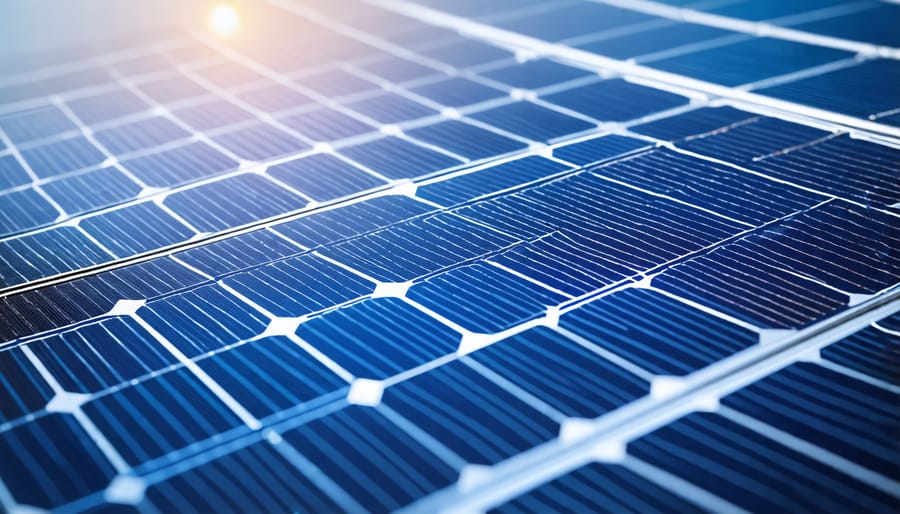
Monocrystalline and polycrystalline solar cells are the two primary types of silicon-based photovoltaic cells used in solar panels. The key difference between them lies in their manufacturing process and crystal structure. Monocrystalline cells are made from a single, continuous crystal of silicon, resulting in a uniform appearance and higher efficiency. On the other hand, polycrystalline cells are composed of multiple smaller silicon crystals, giving them a fragmented, bluish appearance and slightly lower efficiency compared to monocrystalline cells.
In the context of PERC (Passivated Emitter and Rear Cell) technology, monocrystalline cells are the preferred choice due to their superior performance characteristics. The uniform crystal structure of monocrystalline cells allows for better light absorption and electron flow, which translates to higher energy conversion efficiency. Additionally, the single-crystal composition of monocrystalline cells makes them more compatible with the advanced passivation techniques employed in PERC panels, further enhancing their efficiency and performance.
While polycrystalline cells offer a more cost-effective option, their lower efficiency and less uniform crystal structure make them less suitable for PERC technology. By opting for monocrystalline cells in PERC panels, manufacturers can achieve higher power output, improved temperature coefficients, and better low-light performance, ultimately delivering a more efficient and reliable solar energy solution.
The PERC (Passivated Emitter and Rear Cell) Technology
The PERC technology is a groundbreaking innovation that significantly enhances the efficiency of mono solar panels. By adding a passivation layer to the rear surface of the solar cell, PERC minimizes electron recombination and increases light capture, resulting in higher energy output. This passivation layer consists of a thin dielectric film, typically aluminum oxide, which is applied to the back of the cell. The layer is then opened using precise laser ablation, allowing electrical contacts to be made with the silicon wafer.
In addition to the passivation layer, PERC cells also feature a reflective back surface field (BSF) that reflects unabsorbed light back into the cell, giving the photons another chance to be absorbed and converted into electricity. This combination of the passivation layer and reflective BSF enables PERC cells to achieve higher efficiencies than traditional mono solar cells.
The enhanced efficiency of PERC technology translates to several benefits for solar panel users. With higher energy output per cell, PERC panels can generate more electricity in a smaller area, making them ideal for residential and commercial installations with limited roof space. Additionally, PERC panels perform better under low-light conditions and high temperatures, ensuring consistent energy production even in suboptimal weather conditions.
Advantages of Mono-PERC Solar Panels
Enhanced Energy Efficiency
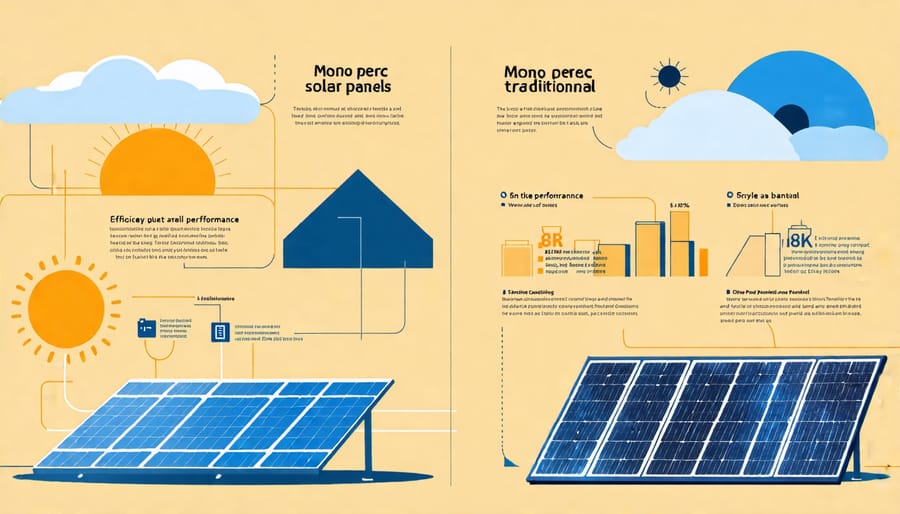
Mono-perc solar panels achieve higher energy efficiency through several key advancements in cell technology. By adding a passivated emitter and rear contact (PERC) layer to the back of each cell, mono-perc panels reduce electron recombination and enhance light capture, resulting in a significant boost in efficiency compared to traditional solar panels. This PERC layer also reflects unabsorbed light back into the cell, allowing for a second chance at absorption and further maximizing solar panel efficiency. Additionally, mono-perc cells feature a uniform black appearance due to the use of monocrystalline silicon wafers, which not only improves aesthetics but also minimizes light reflection between cells. These combined enhancements enable mono-perc solar panels to achieve energy efficiency rates of up to 22%, surpassing the performance of their conventional counterparts and making them an attractive choice for those seeking to optimize their solar energy generation.
Improved Low-Light Performance
Mono-perc solar panels exhibit superior performance in low-light conditions, making them a versatile choice for various environments. The passivated emitter and rear cell (PERC) technology enhances the panels’ ability to capture and convert sunlight, even when the light is diffused or during overcast days. This improvement is achieved through the addition of a dielectric passivation layer on the rear side of the cell, which reflects unabsorbed light back into the cell for a second chance at absorption. As a result, mono-perc panels generate more electricity in suboptimal lighting conditions compared to traditional monocrystalline panels. This enhanced low-light performance makes mono-perc panels suitable for installations in regions with less direct sunlight, such as areas with frequent cloud cover or locations with shading from nearby obstacles. By maintaining a higher energy output in these challenging conditions, mono-perc panels offer a more consistent and reliable power supply across a wider range of environments.
Longer Lifespan and Durability
Mono-perc solar panels are engineered to withstand the test of time, offering a significantly longer lifespan compared to traditional solar panels. With their robust construction and advanced technology, these panels are built to endure harsh weather conditions, extreme temperatures, and physical impact. The enhanced durability of mono-perc panels translates to fewer replacements and repairs over their lifetime, resulting in substantial long-term cost savings for solar energy projects. By investing in mono-perc technology, consumers and businesses can benefit from a reliable, low-maintenance solar power solution that delivers consistent performance for decades, making it an economically sound choice for those seeking to maximize their return on investment in renewable energy.
Applications of Mono-PERC Solar Panels
Mono-PERC solar panels have found widespread applications across various sectors, catering to the diverse energy needs of residential, commercial, and utility-scale projects. In the residential sector, mono-PERC panels have become increasingly popular among homeowners looking to reduce their carbon footprint and lower their electricity bills. These high-efficiency panels maximize energy production even in limited roof spaces, making them an ideal choice for residential installations. Many homeowners are now exploring different solar panel options, with mono-PERC panels emerging as a top contender due to their superior performance and aesthetic appeal.
In the commercial realm, mono-PERC panels have been embraced by businesses and organizations seeking to minimize their energy costs and demonstrate their commitment to sustainability. From small-scale installations on office buildings to large-scale arrays on warehouses and industrial facilities, mono-PERC panels offer a reliable and cost-effective solution for commercial energy needs. The increased energy yield and durability of these panels make them an attractive investment for businesses looking to reduce their operating expenses and enhance their green credentials.
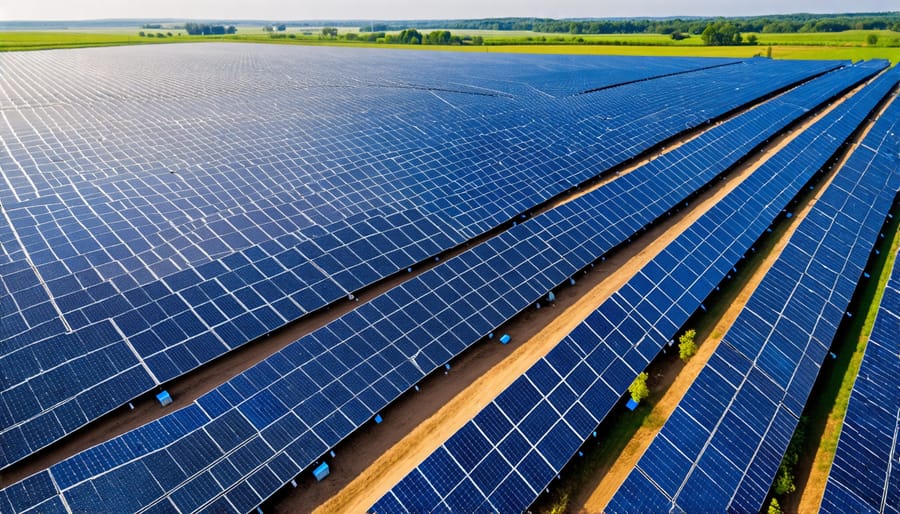
Utility-scale projects have also witnessed a significant uptake of mono-PERC technology. Solar farms and large-scale power plants are increasingly utilizing mono-PERC panels to generate clean, renewable energy on a massive scale. The higher efficiency and lower cost per watt of mono-PERC panels have made them a compelling choice for utility-scale installations, as they can generate more energy in a smaller footprint compared to traditional solar panels. This has led to the development of sprawling solar farms that can power entire communities and contribute to the transition towards a more sustainable energy future.
Mose Solar’s Mono-PERC Solar Panel Offerings
Mose Solar offers a comprehensive range of mono-perc solar panel products designed to cater to diverse energy needs. Our panels feature cutting-edge technology that maximizes energy conversion efficiency, ensuring optimal power output even in low-light conditions. With power ratings ranging from 300W to 450W, our mono-perc panels are suitable for residential, commercial, and utility-scale applications.
Our commitment to advancing photovoltaic technologies is evident in the innovative features incorporated into our mono-perc panels. We utilize high-quality monocrystalline silicon cells with passivated emitter and rear contact (PERC) architecture, which enhances light capture and reduces electrical losses. The advanced cell design, coupled with our proprietary surface texturing and anti-reflective coating, enables our panels to achieve industry-leading efficiency rates of up to 22%.
In addition to their exceptional performance, Mose Solar’s mono-perc panels are built to withstand harsh environmental conditions. Our panels undergo rigorous testing to ensure their durability, resilience against mechanical stress, and resistance to potential-induced degradation (PID). With a 25-year linear power output warranty and a 12-year product warranty, our customers can have confidence in the long-term reliability and performance of their solar investment.
At Mose Solar, we are dedicated to pushing the boundaries of solar technology through continuous research and development. Our collaborations with leading universities and research institutions enable us to stay at the forefront of mono-perc advancements, ensuring that our customers always have access to the latest and most efficient solar solutions.
Conclusion
In conclusion, mono-perc solar panels represent a significant advancement in photovoltaic technology, offering improved efficiency, durability, and performance compared to traditional solar panels. By leveraging the benefits of passivated emitter and rear cell (PERC) architecture and monocrystalline silicon, these panels can generate more electricity, even in low-light conditions. As the demand for clean energy solutions continues to grow, mono-perc solar panels are poised to play a crucial role in driving the global transition towards a sustainable future. With their enhanced capabilities and long-term cost savings, mono-perc panels are an attractive option for both residential and commercial applications. As individuals and businesses become increasingly aware of the urgent need to combat climate change, adopting cutting-edge technologies like mono-perc solar panels is a powerful way to reduce carbon footprints and contribute to a greener planet. By investing in mono-perc solar panels, you can not only save on energy costs but also demonstrate your commitment to a cleaner, more sustainable world.