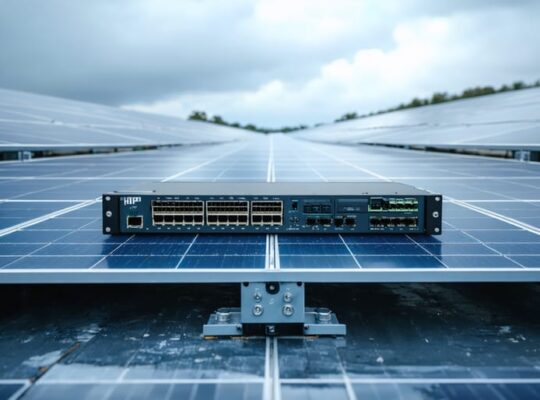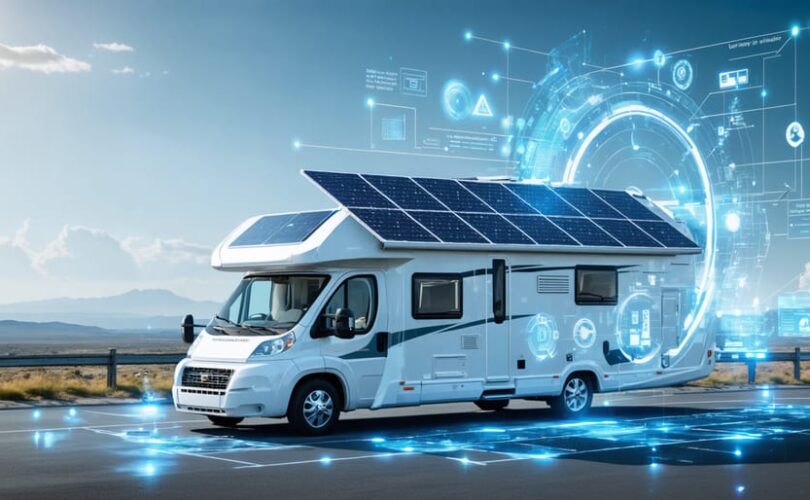
Transform your RV into a self-sustaining power hub by designing and installing a customized solar system that aligns with your specific energy requirements. Modern DIY solar installations for RVs now integrate sophisticated monitoring systems and digital management platforms, enabling real-time performance tracking and predictive maintenance capabilities. This integration of traditional solar components with smart technology has revolutionized how RV enthusiasts approach their power independence, offering unprecedented control over energy consumption and system efficiency.
The convergence of accessible solar technology and advanced digital tools has made it possible for RV owners to implement professional-grade solar solutions at a fraction of commercial installation costs. By combining proper system design principles, quality components, and intelligent monitoring systems, DIY enthusiasts can create robust solar setups that rival professional installations. This comprehensive guide explores the essential components, design considerations, and implementation strategies necessary for building a reliable RV solar system, while incorporating cutting-edge digital monitoring solutions for optimal performance management.
Whether planning weekend excursions or full-time RV living, understanding the intersection of solar technology and digital integration provides the foundation for a successful DIY installation that meets both current energy needs and future expansion capabilities.
Digital Twin Fundamentals for RV Solar
What is a Solar PV Digital Twin?
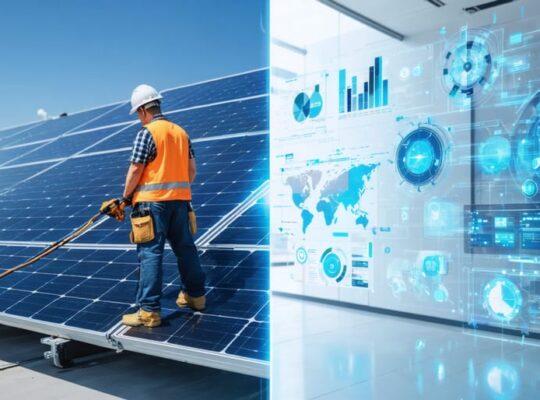
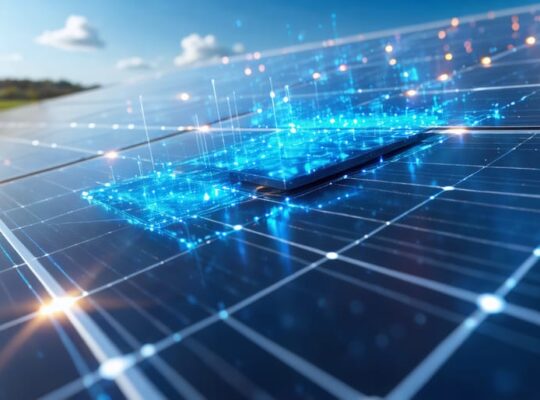
A Solar PV Digital Twin is a virtual replica of your RV’s solar power system that provides real-time monitoring, analysis, and optimization capabilities. This advanced technology creates a dynamic digital model that mirrors the physical components and behavior of your solar installation. As digital twins in solar PV systems become more accessible, DIY installers can leverage these tools to enhance system performance and maintenance.
The digital twin continuously collects data from sensors monitoring voltage, current, temperature, and environmental conditions. This information creates a comprehensive virtual representation that helps you understand system behavior, predict maintenance needs, and optimize energy production. For RV applications, this technology is particularly valuable as it enables remote monitoring and troubleshooting while traveling.
By implementing a digital twin in your DIY solar setup, you can simulate different scenarios, analyze performance patterns, and make data-driven decisions about system modifications or upgrades. This predictive capability helps prevent potential issues before they affect your power supply, ensuring reliable operation during your travels.
Benefits for DIY RV Installations
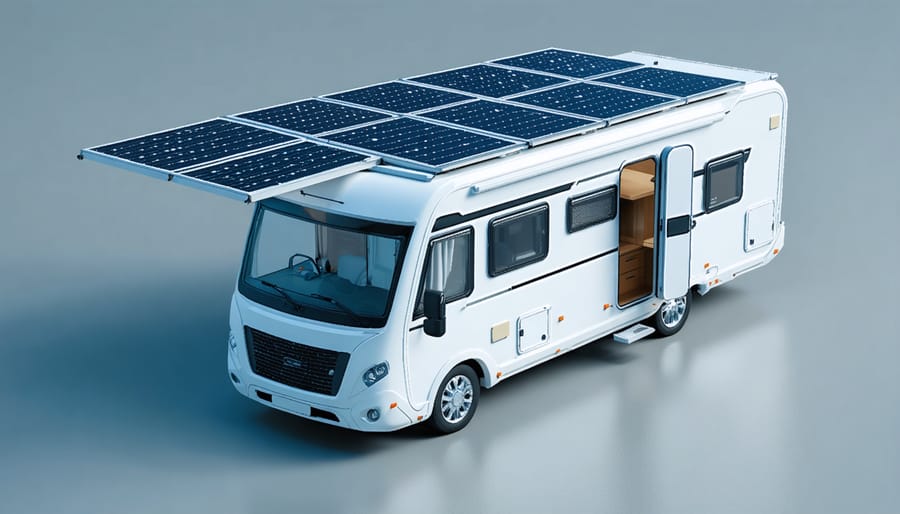
Installing your own RV solar system offers significant cost savings compared to professional installation, often reducing expenses by 40-60%. Beyond financial benefits, DIY installation provides a deep understanding of your system’s components and operation, enabling you to perform maintenance and troubleshooting independently. This knowledge proves invaluable during remote travels where professional help may be unavailable.
The satisfaction of completing a self-installed system brings confidence in energy independence and system reliability. DIY installers can customize their setup precisely to their needs, choosing specific components and configuring the system layout optimally for their RV’s unique characteristics. This personalization ensures maximum efficiency and performance.
The learning experience gained through DIY installation creates a foundation for future system upgrades and modifications. As energy needs change or new technology becomes available, you’ll have the expertise to adapt your system accordingly. Additionally, the skills acquired often translate to other renewable energy projects, making you a more informed consumer and advocate for sustainable energy solutions.
Creating Your RV Solar Digital Model
System Requirements Mapping
Accurate system requirements mapping is crucial for a successful DIY RV solar installation. Begin by conducting a comprehensive energy audit of your RV’s electrical devices and appliances. List each device’s power consumption in watts and estimate daily usage hours. This foundation is essential for understanding your RV solar system design basics and total energy requirements.
Calculate your daily energy consumption by multiplying each device’s wattage by its usage hours, then sum these values. Factor in a 20% surplus capacity for unexpected power needs and system inefficiencies. Consider seasonal variations in power usage, such as increased air conditioning during summer months or additional heating requirements in winter.
Document peak load requirements when multiple high-draw devices operate simultaneously. This information determines your inverter sizing and battery capacity needs. Create a detailed power consumption profile using digital monitoring tools or energy modeling software to visualize usage patterns.
For accuracy, measure actual power consumption using a power meter over several days of typical usage. This real-world data helps validate theoretical calculations and identify potential energy optimization opportunities. Remember to account for charging requirements of portable devices and future system expansion possibilities when finalizing your power requirements map.
Component Selection and Virtual Testing
Digital twin technology has revolutionized the way DIY enthusiasts can plan and test their RV solar systems before making any physical investments. This virtual testing environment allows users to create accurate digital representations of their proposed solar installations, enabling thorough analysis of different component combinations and configurations.
Using specialized software, you can input specific parameters such as your RV’s dimensions, roof space, power requirements, and geographical location. The digital twin then simulates system performance under various conditions, helping you optimize component selection and placement. This approach significantly reduces the risk of costly mistakes and ensures maximum system efficiency.
The virtual testing process enables experimentation with different solar panel types, charge controllers, inverters, and battery configurations. You can analyze how various components interact, predict energy production patterns, and identify potential installation challenges before purchasing any equipment. The software typically provides detailed performance metrics, including expected daily power generation, battery charge cycles, and system efficiency ratings.
Most digital twin platforms also incorporate weather data and seasonal variations, allowing you to understand how your system will perform throughout the year. This comprehensive testing approach helps in sizing components correctly, avoiding overbuilding or underbuilding your system, and ultimately results in a more cost-effective and efficient installation tailored to your specific needs.
Performance Simulation Tools
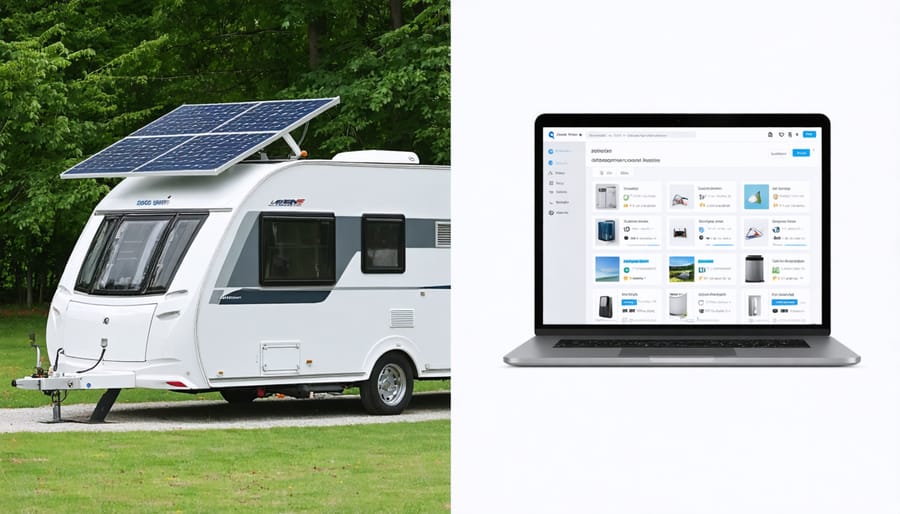
Several powerful software tools are available to help DIY enthusiasts accurately model and predict their RV solar system performance before installation. PVsyst stands out as an industry-standard solution, offering comprehensive simulation capabilities for both grid-connected and standalone systems. This tool allows users to input specific RV dimensions, panel configurations, and location data to generate detailed performance forecasts.
For those seeking a more accessible option, SAM (System Advisor Model) by NREL provides free, user-friendly modeling software that incorporates weather data and system specifications to predict energy production. Aurora Solar and HelioScope offer advanced 3D modeling capabilities, though they typically require paid subscriptions.
RetScreen, developed by the Canadian government, excels in financial analysis alongside technical performance modeling. This tool is particularly valuable for DIY installers wanting to understand the long-term economic benefits of their solar investment.
Mobile apps like Solar Design Tool and PV Calculator provide on-the-go simulation capabilities, ideal for preliminary system planning. These tools help users quickly estimate panel placement, shading impacts, and potential energy yields specific to their RV setup.
When using these tools, input accurate geographical data, system components, and usage patterns to ensure reliable simulation results. Regular comparison between simulated and actual performance helps refine future modeling accuracy.
Real-Time Monitoring and Optimization
Sensor Integration
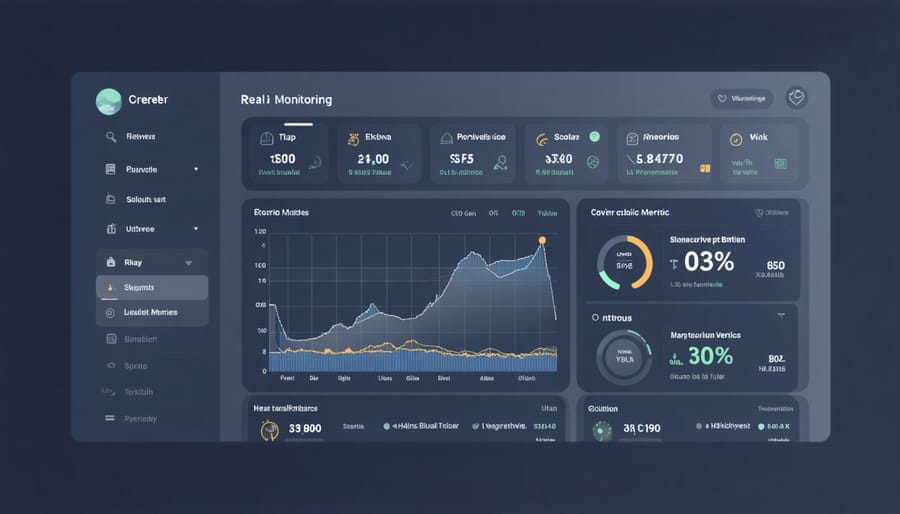
Integrating sensors into your DIY RV solar system enables real-time monitoring and optimal performance management. Modern sensor technology, combined with IoT integration for solar monitoring, provides comprehensive data about your system’s operation.
Essential monitoring components include voltage sensors for battery health tracking, current sensors for power flow measurement, and temperature sensors for system protection. Install voltage sensors across battery terminals and solar panels to monitor charging efficiency. Current sensors should be placed on main power lines to track energy production and consumption patterns.
A charge controller with built-in monitoring capabilities serves as the central hub for data collection. Many modern controllers feature Bluetooth or Wi-Fi connectivity, allowing you to access system statistics through mobile applications. Consider installing additional environmental sensors like irradiance meters and ambient temperature monitors to correlate system performance with weather conditions.
For advanced monitoring, implement a data logging system that records historical performance metrics. This enables trend analysis and helps identify potential maintenance needs before they become critical issues. Most monitoring systems can be configured to send alerts when parameters fall outside acceptable ranges, ensuring prompt attention to system irregularities.
Proper sensor placement and calibration are crucial for accurate readings. Follow manufacturer guidelines for installation and regularly verify sensor accuracy through manual measurements.
Performance Analysis
Regular monitoring and data analysis are crucial components of maximizing your DIY RV solar system’s efficiency. By collecting and analyzing performance metrics, you can identify potential issues early and optimize your system’s output. Key parameters to track include daily energy production, battery charge levels, panel efficiency, and load consumption patterns.
Modern monitoring systems enable real-time data collection through integrated sensors and smart meters. These devices measure voltage, current, temperature, and other vital parameters, providing valuable insights into system behavior. When combined with AI-powered performance optimization, this data helps identify patterns and anomalies that might affect system efficiency.
To optimize your RV solar setup, establish baseline performance metrics during ideal conditions and compare subsequent readings against these benchmarks. Monitor seasonal variations, shading effects, and temperature impacts on panel output. Regular analysis helps determine optimal panel positioning, maintenance schedules, and potential system upgrades.
Create a performance log documenting system behavior under different conditions. This historical data proves invaluable for troubleshooting issues and planning future modifications. Consider implementing automated monitoring solutions that provide mobile alerts and detailed performance reports, enabling proactive system management even while traveling.
Troubleshooting with Digital Twins
Digital twin technology has revolutionized the way RV solar system owners can monitor, maintain, and troubleshoot their installations. A digital twin creates a virtual replica of your physical solar system, allowing you to simulate various scenarios and identify potential issues before they affect system performance.
For DIY solar installations, digital twins serve as powerful diagnostic tools. By connecting sensors to key components like charge controllers, batteries, and inverters, you can create a real-time data stream that feeds into your digital model. This virtual representation enables you to track system performance, predict maintenance needs, and optimize energy production without physical intervention.
When troubleshooting, the digital twin provides valuable insights through historical data analysis. For example, if your batteries aren’t charging efficiently, the model can help identify whether the issue stems from panel positioning, wiring connections, or component degradation. This targeted approach saves time and resources by pinpointing exact problem areas.
The technology also excels in preventive maintenance. By analyzing patterns in voltage fluctuations, charging cycles, and energy consumption, the digital twin can predict potential failures before they occur. This predictive capability is particularly valuable for RV owners who rely on their solar systems during extended trips or in remote locations.
To implement digital twin monitoring, consider installing smart monitoring devices that integrate with mobile applications. These systems typically include:
– Real-time performance metrics
– Historical data analysis
– Predictive maintenance alerts
– System optimization recommendations
– Component health monitoring
While the initial setup requires careful attention to sensor placement and data configuration, the long-term benefits of digital twin technology make it an invaluable tool for DIY solar system maintenance. The ability to simulate system changes and troubleshoot issues remotely enhances the reliability and efficiency of your RV solar installation.
The integration of digital twin technology in DIY RV solar installations represents a significant advancement in how enthusiasts can plan, implement, and maintain their systems. By creating virtual replicas of physical installations, DIY installers can optimize component placement, predict system performance, and troubleshoot potential issues before they materialize. This proactive approach significantly reduces the risk of costly mistakes and enhances overall system efficiency.
Digital twins provide invaluable insights through real-time monitoring and performance analysis, enabling RV owners to make data-driven decisions about their solar setup. The technology’s ability to simulate various environmental conditions and usage scenarios helps ensure that installations are optimized for specific travel patterns and energy requirements.
For the DIY community, digital twins serve as powerful educational tools, offering interactive learning experiences that bridge the gap between theory and practical application. The technology enables users to experiment with different configurations virtually, building confidence before physical installation begins.
Looking ahead, the continued evolution of digital twin technology promises even greater integration with mobile applications and cloud-based platforms, making advanced system monitoring and optimization increasingly accessible to DIY installers. This technological synergy creates a more robust and reliable approach to RV solar installations, ultimately leading to better-performing, longer-lasting systems that maximize return on investment while minimizing environmental impact.