Solar installations in educational institutions represent one of the most impactful ways of transforming communities through solar adoption while nurturing the next generation of sustainability leaders. Beyond providing clean energy and reducing operational costs, solar installations in schools create living laboratories where students engage directly with renewable technology. Recent data shows schools implementing solar programs reduce energy expenses by 40-80% annually while providing hands-on STEM learning opportunities across multiple subjects. The integration of solar technology into educational environments demonstrates a commitment to environmental stewardship while preparing students for careers in the rapidly expanding renewable energy sector. As school districts nationwide face mounting pressure to reduce carbon footprints and energy costs, solar installations offer a pragmatic solution that combines fiscal responsibility with educational excellence. This comprehensive examination explores how educational institutions can successfully implement solar initiatives, develop supporting curricula, and maximize both the educational and environmental benefits of school-based solar programs.
The Educational Impact of Solar PV Systems in Schools
Hands-on Learning Opportunities
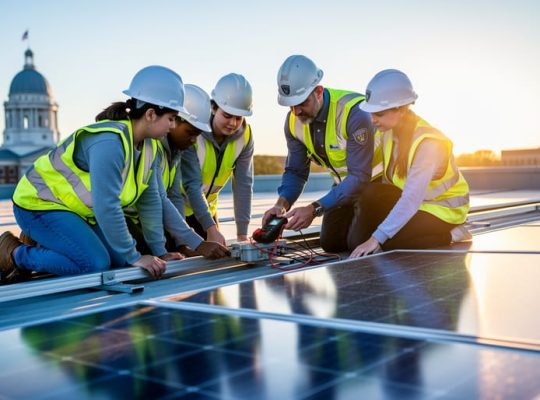
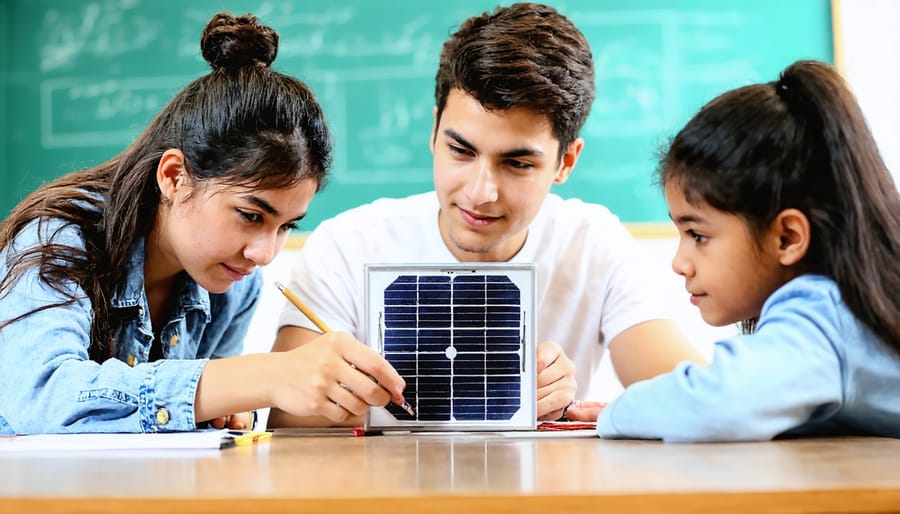
On-site solar installations provide students with invaluable hands-on experience in renewable energy technology. Students participate in system monitoring activities, collecting and analyzing real-time performance data from their school’s solar arrays. Through structured laboratory sessions, they learn to measure voltage, current, and power output using professional-grade equipment.
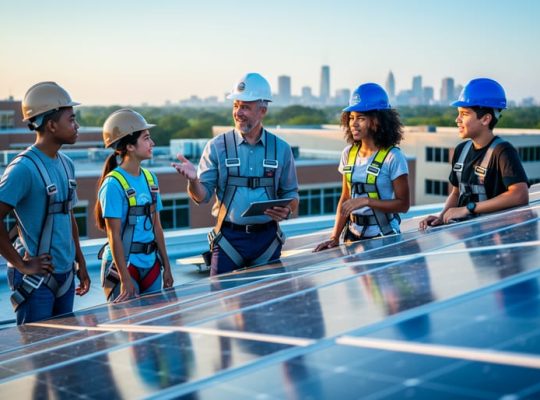
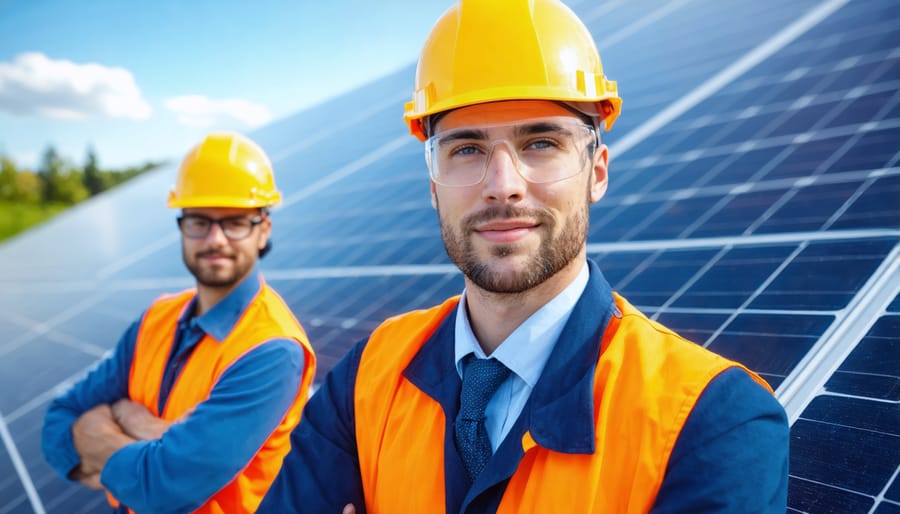
Many schools incorporate maintenance checks into their technical curriculum, allowing students to understand system components, troubleshooting procedures, and basic upkeep requirements. Advanced programs often include opportunities for students to assist in annual inspections alongside certified solar technicians, providing exposure to industry standards and safety protocols.
Students gain practical experience through solar design projects, where they calculate energy requirements, evaluate suitable installation locations, and propose system configurations. These projects often incorporate interdisciplinary elements, combining physics, mathematics, and environmental science principles.
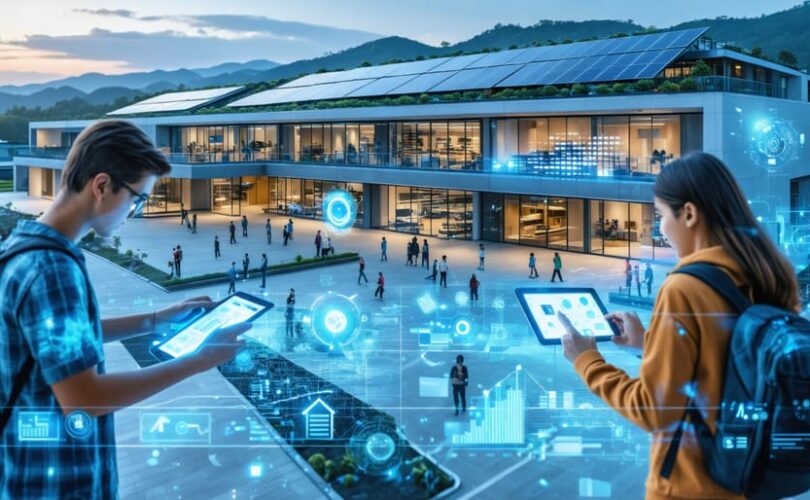
Interactive monitoring displays in school buildings enable students to track energy production, environmental benefits, and cost savings in real-time, reinforcing the practical applications of solar technology while developing data analysis skills essential for future careers in renewable energy.
STEM Integration Benefits
Solar PV systems in schools create dynamic learning environments that strengthen STEM education through hands-on experience with renewable energy technology. Students gain practical exposure to scientific concepts like photovoltaics, electrical engineering, and energy conversion while working with real-world solar installations. These systems serve as living laboratories where learners can collect and analyze performance data, calculate energy yields, and understand complex mathematical relationships.
The integration of solar technology enhances engineering education by allowing students to explore system design, installation requirements, and maintenance procedures. Technology skills are developed through monitoring software usage, data logging, and visualization tools that track solar production. Mathematics applications become tangible as students work with energy calculations, geometric principles for optimal panel placement, and financial modeling of energy savings.
Additionally, solar installations foster interdisciplinary learning by connecting renewable energy concepts to environmental science, economics, and sustainability studies. This comprehensive STEM approach prepares students for future careers in renewable energy while developing critical thinking and problem-solving skills essential for addressing real-world sustainability challenges.
Implementing Solar PV Curriculum
Age-Appropriate Learning Modules
Solar education programs are most effective when tailored to different grade levels, ensuring age-appropriate comprehension and engagement. For elementary school students (K-5), the focus remains on basic concepts through hands-on activities and visual demonstrations. These might include simple solar-powered toy experiments, educational games, and interactive models that demonstrate how sunlight converts to electricity.
Middle school students (grades 6-8) can engage with more complex concepts, including basic electrical principles and environmental impact calculations. Projects often incorporate mathematics and scientific methodology, such as measuring solar panel output under different conditions or calculating a school’s potential energy savings.
High school curricula delve into advanced topics, including photovoltaic cell operation, system design principles, and career pathways in renewable energy. Students participate in sophisticated projects like designing small-scale solar installations, conducting energy audits, and analyzing real-world solar data.
Advanced placement and technical programs may offer specialized modules covering engineering aspects, economic analysis, and industry-standard software applications. These programs often partner with local solar companies to provide internship opportunities and hands-on installation experience.
Each grade level’s curriculum aligns with state science standards while incorporating cross-disciplinary elements from mathematics, environmental science, and technology education. Regular assessment and feedback ensure learning objectives are met and students maintain engagement with the material.
Interactive Teaching Tools
Modern solar education relies on a diverse array of interactive teaching tools that combine hands-on learning with digital innovation. Solar demonstration kits, featuring miniature photovoltaic cells and basic measurement instruments, allow students to conduct experiments and observe solar energy conversion in real-time. These physical tools are complemented by data monitoring systems that display live energy production metrics from school-installed solar arrays.
Digital resources include simulation software that enables students to design virtual solar installations, calculate energy yields, and understand system optimization. Advanced modeling programs help demonstrate complex concepts such as solar angles, shading analysis, and seasonal variations in energy production. Interactive mobile applications offer gamified learning experiences, where students can complete solar-related challenges and track their understanding through built-in assessments.
Laboratory equipment specific to solar education includes solar pathfinders, irradiance meters, and multimeters for practical measurements. Online learning platforms provide access to virtual laboratories, where students can conduct experiments safely and cost-effectively. Many schools also utilize augmented reality (AR) applications that overlay solar system components with technical specifications and operational data.
Educational solar kits often include curriculum-aligned lesson plans, activity sheets, and assessment materials. These comprehensive packages ensure that teachers can effectively integrate solar education into existing science, technology, engineering, and mathematics (STEM) programs while meeting educational standards and learning objectives.
Real-World Success Stories
Model School Programs
Several schools across the nation have emerged as solar PV champions, setting exemplary standards for renewable energy education. The Solar School Initiative at California’s Berkeley High School combines hands-on technical training with environmental science curriculum, enabling students to participate in actual solar installation projects while learning fundamental principles of photovoltaic systems.
Massachusetts Institute of Technology’s (MIT) K-12 Solar Education Program provides comprehensive resources and mentorship opportunities, connecting students with industry professionals and researchers. Their innovative approach includes virtual laboratory simulations and real-time monitoring of campus solar installations, offering students practical exposure to solar technology applications.
The Arizona Solar Schools Project stands out for its integration of STEM education with solar energy concepts. Students participate in energy audits, system design challenges, and data analysis of their school’s solar performance metrics. This program has successfully trained over 200 teachers and reached more than 10,000 students since its inception.
Florida’s Solar Energy Center’s school program emphasizes workforce development, providing certification pathways for high school students interested in solar careers. Their curriculum includes internship opportunities with local solar companies and hands-on experience with installation techniques.
Student Achievement Outcomes
Schools implementing solar education programs have reported significant improvements in student engagement and academic performance. Data collected from participating institutions shows that students in solar-focused STEM programs achieve 15-20% higher scores in science and mathematics compared to traditional curriculum counterparts.
Notable success stories include the Solar Scholars program at Lincoln High School, where students designed and installed a 5kW solar array, reducing the school’s energy costs while gaining hands-on experience. Their project won first place in the National Renewable Energy Competition, with team members securing internships at leading solar companies.
Standardized test results demonstrate that students involved in solar education initiatives show enhanced problem-solving abilities and improved understanding of environmental sciences. Many graduates from these programs have pursued careers in renewable energy, with 68% of participants reporting that their solar education experience influenced their college and career choices.
Professional certification achievements have also increased, with 85% of participating high school seniors successfully completing entry-level solar installation certifications before graduation. This practical knowledge has led to immediate employment opportunities, with several students securing positions at solar installation companies directly after graduation.
Building a Sustainable Future
Career Pathway Development
Solar education programs in schools create direct pathways to careers in the rapidly growing renewable energy sector. Students gain hands-on experience with photovoltaic systems, learn fundamental electrical concepts, and develop practical skills in system design and maintenance. These programs often incorporate industry-standard software tools and monitoring systems, providing students with real-world technical expertise.
Many schools partner with local solar companies to offer internships and apprenticeships, allowing students to gain valuable work experience while still in school. Advanced placement and career technical education programs focused on renewable energy prepare students for immediate entry into the workforce or further education in engineering and environmental sciences.
Certifications and credentials earned through these programs, such as the NABCEP Associate credential, give students competitive advantages in the job market. As the solar industry continues to expand, graduates of these programs are well-positioned for careers as solar installers, system designers, project managers, and energy consultants.
Community Impact
Solar education initiatives in schools create ripple effects that extend far beyond classroom walls, fostering environmental awareness and sustainable practices throughout local communities. Students often become environmental ambassadors, sharing their knowledge about solar energy with family members and neighbors. This knowledge transfer has led to increased adoption of residential solar installations and participation in community solar programs in many districts.
Schools with solar installations frequently serve as demonstration sites for community education, hosting workshops and open houses that showcase renewable energy benefits. These events create opportunities for local businesses, contractors, and workforce development programs to connect with interested community members. Additionally, the cost savings from solar installations often enable schools to reinvest in other educational programs or facility improvements, directly benefiting the broader community.
The visibility of solar projects on school buildings also helps normalize renewable energy technology, making it more accessible and appealing to local residents and businesses considering their own sustainable energy solutions.
Solar education in schools represents a critical investment in our sustainable future, bridging the gap between theoretical knowledge and practical application of renewable energy technologies. As more educational institutions embrace solar initiatives, we’re witnessing a transformation in how students engage with clean energy concepts and environmental stewardship. The integration of solar education programs has demonstrated significant success in fostering STEM skills, environmental awareness, and career pathways in the renewable energy sector.
Looking ahead, the outlook for solar education remains exceptionally promising. The decreasing costs of solar technology, combined with growing environmental consciousness and supportive policies, suggest continued expansion of these programs across educational institutions worldwide. Schools implementing solar initiatives are not just reducing their carbon footprint and energy costs; they’re creating living laboratories that prepare students for the green economy of tomorrow.
The success of solar in schools extends beyond immediate educational benefits, creating lasting impact through community engagement and workforce development. As we move toward a more sustainable future, these educational programs will play an increasingly vital role in shaping the next generation of renewable energy professionals and informed citizens.