
Local governments serve as the cornerstone of solar energy advancement, wielding significant influence over permitting processes, zoning regulations, and renewable energy initiatives. Understanding these municipal structures proves essential for solar industry professionals seeking to expand clean energy adoption within communities. From city councils to planning commissions, local governmental bodies establish the framework that either accelerates or impedes photovoltaic development through their policies, procedures, and partnerships.
The intricate relationship between solar professionals and local authorities demands a nuanced appreciation of governmental operations, decision-making processes, and regulatory frameworks. By mastering these dynamics, industry stakeholders can more effectively navigate permit applications, secure project approvals, and foster productive partnerships with municipal leaders. This knowledge becomes particularly crucial as communities increasingly prioritize sustainable development and clean energy integration into their long-term planning strategies.
Successful engagement with local government requires both technical expertise and political acumen. Solar professionals must understand not only the regulatory landscape but also the unique challenges and opportunities present within each jurisdiction. This comprehensive approach enables more effective advocacy for solar-friendly policies while ensuring compliance with existing regulations and building codes.
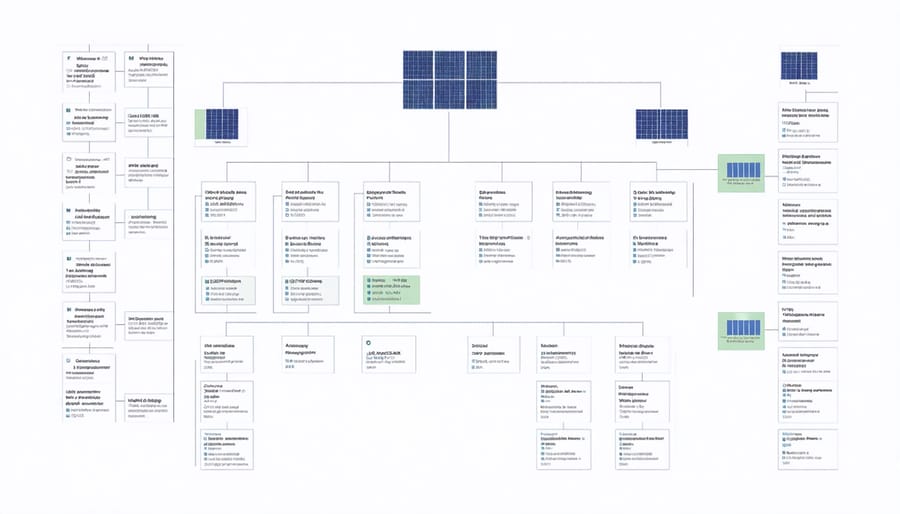
Local Government Structure and Key Decision Makers
Understanding City Councils and Planning Commissions
City councils and planning commissions play pivotal roles in shaping the landscape for renewable energy projects within local jurisdictions. City councils serve as the primary legislative body, establishing ordinances and policies that govern solar installations, while planning commissions focus on land use regulations and development standards.
The city council typically holds authority over budget allocations, permit fee structures, and incentive programs that can significantly impact solar project development. They review and approve major solar initiatives, particularly those requiring public funding or affecting municipal properties. Council members also consider community feedback and balance various stakeholders’ interests when making decisions about renewable energy policies.
Planning commissions, operating under the council’s authority, are responsible for reviewing and recommending updates to zoning codes, design guidelines, and land use regulations that affect solar installations. They evaluate proposed projects for compliance with existing regulations and consider their impact on community development goals. These commissions often handle technical aspects such as setback requirements, height restrictions, and aesthetic standards for solar installations.
Both bodies frequently collaborate on creating comprehensive plans that incorporate renewable energy goals and implementation strategies. Their decisions directly influence the ease or complexity of obtaining permits, installing solar systems, and developing larger-scale renewable energy projects. Understanding these entities’ roles and decision-making processes is crucial for successfully navigating the local government approval process for solar initiatives.
Building and Zoning Departments
Building and Zoning departments play crucial roles in regulating solar installations through permit requirements, code enforcement, and land use regulations. These departments ensure that solar projects comply with local building codes, safety standards, and zoning ordinances while protecting community interests and property values.
The Building Department reviews technical specifications, structural integrity, and electrical system designs for solar installations. They verify that projects meet requirements for fire safety, wind resistance, and electrical code compliance. Permit applications typically require detailed site plans, equipment specifications, and structural calculations before approval.
Zoning Departments determine where solar installations can be placed based on land use classifications, setback requirements, and height restrictions. They also manage special use permits for ground-mounted systems and evaluate aesthetic impacts in historic districts or areas with specific architectural guidelines.
Solar professionals must navigate both departments’ requirements efficiently to ensure project success. This often involves:
– Pre-application meetings to understand specific requirements
– Submission of complete documentation packages
– Coordination with plan reviewers and inspectors
– Compliance with inspection schedules
– Understanding variance procedures when needed
Successful interaction with these departments requires thorough preparation, clear communication, and familiarity with local regulations. Many jurisdictions now offer streamlined permitting processes specifically for solar installations, reducing approval times and costs while maintaining safety and compliance standards.
Effective Partnership Strategies
Community Engagement Programs
Effective community engagement is crucial for local governments to build trust, foster participation, and create sustainable partnerships with residents and businesses. Successful outreach initiatives often combine traditional methods with innovative digital approaches to reach diverse populations. Local governments are increasingly implementing community solar programs to demonstrate their commitment to renewable energy while engaging citizens in sustainable development.
Public workshops and town halls remain cornerstone engagement strategies, providing face-to-face interactions between government officials and community members. These forums allow for direct feedback on proposed initiatives and help identify community needs and concerns. Digital platforms, including social media and dedicated community portals, complement these traditional approaches by offering accessible channels for ongoing dialogue and information sharing.
Many municipalities have developed educational solar programs targeting different demographic groups, from school-age children to senior citizens. These programs often include hands-on demonstrations, workshops, and informational sessions about renewable energy implementation and benefits.
Successful community engagement programs typically incorporate:
– Regular community surveys and needs assessments
– Multilingual communication materials
– Partnership programs with local businesses and organizations
– Youth engagement initiatives
– Senior citizen outreach programs
– Digital literacy workshops
– Environmental awareness campaigns
By maintaining consistent communication and creating inclusive participation opportunities, local governments can build stronger relationships with their communities while advancing sustainable development goals.
Public-Private Partnership Models
Public-private partnerships (PPPs) in the solar sector have emerged as powerful vehicles for advancing renewable energy adoption at the municipal level. These collaborative frameworks enable local governments and solar companies to share resources, expertise, and risks while maximizing community benefits. Successful models often incorporate performance-based contracts, shared revenue structures, and clearly defined responsibilities for both parties.
One prevalent framework is the Power Purchase Agreement (PPA) model, where municipalities provide land or rooftop space while private solar developers handle installation, maintenance, and operations. This arrangement allows local governments to benefit from clean energy without significant upfront costs. Another effective approach is the Community Solar Partnership model, which builds upon grassroots solar initiatives to create broader access to solar power.
Joint Development Agreements represent another successful framework, where municipalities and solar companies collaboratively develop projects, sharing both risks and rewards. These agreements typically include provisions for local job creation, workforce training, and community benefit funds.
Infrastructure Partnership Programs have also proven effective, particularly when integrating solar installations with existing municipal facilities such as water treatment plants, schools, and public buildings. These programs often incorporate educational components and demonstrate the practical applications of solar technology.
To ensure success, these partnerships should establish clear governance structures, transparent communication channels, and measurable performance indicators. Regular monitoring and evaluation help maintain accountability and allow for necessary adjustments throughout the project lifecycle. Additionally, incorporating community feedback mechanisms and stakeholder engagement processes helps ensure these partnerships truly serve public interests while maintaining commercial viability.

Navigating Local Energy Policies
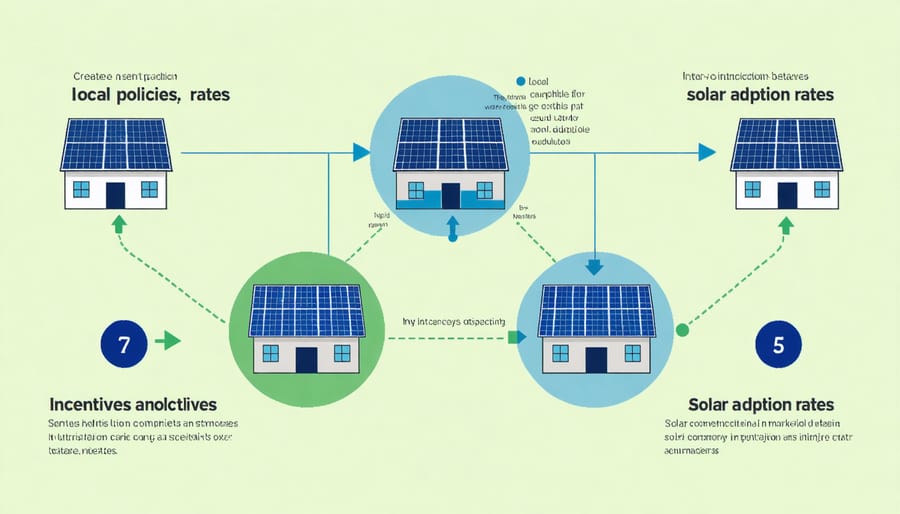
Local Solar Incentives and Programs
Local governments across the nation implement various solar incentives and programs to promote renewable energy adoption within their jurisdictions. These initiatives typically include property tax exemptions for solar installations, streamlined permitting processes, and local rebate programs that complement federal and state incentives.
Many municipalities offer property tax abatements, ensuring that the added value of solar installations doesn’t increase property tax assessments. Some local governments have established Solar Energy Investment Districts (SEIDs) that provide special financing options through property-assessed clean energy (PACE) programs, enabling property owners to finance solar installations through their tax assessments.
Local solar initiatives often feature educational components, including workshops, technical assistance, and resources for residents and businesses considering solar adoption. Some jurisdictions have implemented group purchasing programs, also known as “solar co-ops,” which leverage collective buying power to secure better pricing for community members.
Progressive local governments frequently establish solar-ready building codes and zoning regulations that facilitate solar installation. These may include requirements for new construction to be solar-ready or provisions that protect solar access rights. Additionally, many localities offer expedited permitting processes specifically designed for solar projects, reducing administrative burdens and installation timelines.
To maximize these benefits, industry professionals should maintain regular communication with local planning departments and stay informed about program updates through municipal websites and industry associations.
Compliance and Regulatory Requirements
Solar installations must adhere to numerous local regulations and compliance requirements to ensure safety, reliability, and proper integration into existing infrastructure. Building codes and permitting processes vary significantly across jurisdictions, with most municipalities requiring detailed site plans, structural analyses, and electrical diagrams before approval.
Key compliance considerations include zoning ordinances, which may restrict solar installation locations or impose specific height and setback requirements. Historic district regulations might limit visible installations on certain buildings or require special architectural considerations. Fire safety codes typically mandate specific access paths and setbacks on rooftops for emergency personnel.
Electrical permits are mandatory and must comply with the National Electrical Code (NEC), particularly Article 690 which governs photovoltaic system installations. Many jurisdictions also require professional engineering stamps on system designs exceeding certain size thresholds or incorporating specific components.
Environmental impact assessments may be necessary, especially for ground-mounted systems or installations in environmentally sensitive areas. Local utilities often have interconnection requirements that must be met before system activation, including specific equipment specifications and safety features.
Professional installers must maintain appropriate licensing and insurance coverage as mandated by state and local authorities. Regular inspections throughout the installation process are typically required, with final approval necessary before system commissioning. Understanding and navigating these requirements is crucial for successful project completion and long-term operation.
Future Trends in Local Government Solar Partnerships
The landscape of local government-solar industry collaboration is rapidly evolving, driven by technological advancement, policy innovation, and growing environmental awareness. Forward-thinking municipalities are increasingly adopting comprehensive solar action plans that incorporate both public and private sector participation. These initiatives build upon successful community partnerships while embracing emerging opportunities.
Digital transformation is reshaping how local governments manage solar initiatives. Advanced software platforms are streamlining permit processes, reducing approval times from weeks to days. Automated assessment tools are helping municipalities evaluate solar potential across their jurisdictions, enabling more strategic planning and resource allocation.
Public-private partnerships are becoming more sophisticated, with innovative financing models emerging. Green bonds, solar cooperatives, and performance-based incentives are gaining traction as mechanisms to fund municipal solar projects. Local governments are also exploring blockchain technology for renewable energy credit tracking and peer-to-peer energy trading platforms.
Environmental justice considerations are increasingly central to local solar policies. Municipalities are developing equity-focused programs that ensure solar benefits reach underserved communities. This includes targeted incentives, workforce development programs, and community solar projects specifically designed for low-income households.
Data-driven decision-making is becoming standard practice. Local governments are utilizing advanced analytics to optimize solar deployment, track program effectiveness, and adjust policies in real-time. This approach helps identify areas of highest impact and ensures efficient resource allocation.
Climate resilience is driving integration of solar with other municipal systems. Local governments are combining solar installations with microgrids, energy storage, and smart city infrastructure to enhance community resilience during extreme weather events and power outages.
Looking ahead, we can expect increased emphasis on regional collaboration, with neighboring municipalities sharing resources and expertise to achieve economies of scale in solar deployment. This trend toward regional coordination will likely accelerate as communities work to meet ambitious renewable energy goals while maximizing economic benefits for their residents.
Understanding and effectively navigating local government structures is crucial for success in the solar industry. As we’ve explored throughout this article, building strong relationships with municipal authorities, staying informed about local policies, and actively participating in community planning processes are essential components of advancing solar energy adoption.
To maximize your effectiveness in working with local government, focus on developing a comprehensive understanding of regulatory frameworks, maintaining open lines of communication with key decision-makers, and staying current with policy changes that affect solar installations. Consider joining local business associations or renewable energy advocacy groups to strengthen your network and amplify your voice in policy discussions.
Take proactive steps to establish yourself as a trusted industry expert by participating in public hearings, offering educational resources to local officials, and demonstrating commitment to community development goals. Document successful case studies and maintain detailed records of your interactions with various government departments to streamline future processes.
Remember that each municipality has unique characteristics and challenges. Adapt your approach accordingly, and invest time in understanding specific local priorities and concerns. By combining technical expertise with political awareness and strong relationship-building skills, solar professionals can effectively partner with local governments to advance clean energy initiatives while growing their business operations.
Success in the solar industry requires not just technical knowledge, but also the ability to navigate complex governmental relationships with professionalism and persistence. Stay engaged, be solutions-oriented, and maintain a long-term perspective on building sustainable partnerships with local authorities.