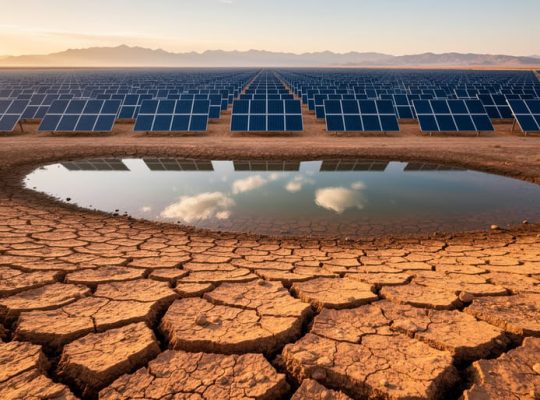
As solar energy adoption continues to surge worldwide, concerns about the environmental impact of photovoltaic systems have sparked crucial discussions about water safety. Recent scientific studies from leading environmental research institutions have investigated the potential risks of solar panel components leaching into groundwater and affecting drinking water supplies. While traditional solar panels contain potentially hazardous materials like lead, copper, and silver, modern manufacturing processes and strict regulatory frameworks have significantly minimized these risks.
Evidence from comprehensive environmental impact assessments conducted by the Environmental Protection Agency and independent research laboratories demonstrates that properly installed and maintained solar installations pose minimal threat to drinking water quality. However, the growing challenge of solar panel disposal and the emergence of new photovoltaic technologies necessitate ongoing vigilance and research into long-term environmental implications.
This article examines the scientific evidence behind solar panel safety, explores potential contamination pathways, and outlines industry best practices for protecting water resources. Understanding these crucial aspects helps stakeholders make informed decisions about solar energy adoption while safeguarding public health and environmental sustainability.
[Word count: 134]
Understanding Solar Panel Components and Water Interaction
Common Materials in Solar PV Systems
Modern solar panel materials and components primarily consist of silicon cells, metal framing, glass sheets, and various semiconductor materials. The most common type, crystalline silicon panels, incorporates high-purity silicon, aluminum frames, and tempered glass covering. These panels also contain small amounts of silver, copper, and lead used in the electrical connections and soldering materials.
The semiconductor layer typically includes materials such as cadmium telluride (CdTe) or copper indium gallium selenide (CIGS) in thin-film panels. Ethylene vinyl acetate (EVA) serves as an encapsulant material, protecting the silicon cells and ensuring their durability. The backsheet, usually made of polyvinyl fluoride (PVF) or other polymeric materials, provides additional protection against environmental factors.
Several trace elements are also present in solar panels, including antimony, arsenic, and selenium, which are used in specific semiconductor formations. These materials are sealed within multiple protective layers designed to withstand severe weather conditions and prevent material leaching. The glass covering is specially treated to maximize light absorption while providing a robust barrier against environmental exposure.
Understanding these material compositions is crucial for assessing potential environmental impacts and ensuring proper handling throughout the panel’s lifecycle, from manufacturing to eventual disposal or recycling.
Potential Leaching Mechanisms
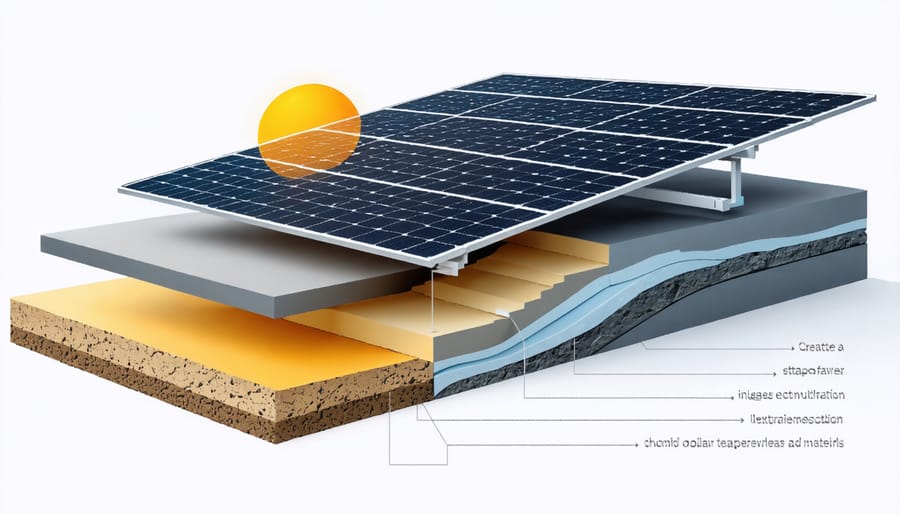
Solar panels may potentially release materials into water systems through several scientifically documented mechanisms. The primary pathway involves the degradation of panel components over time, particularly when exposed to environmental stressors such as UV radiation, temperature fluctuations, and precipitation.
When rainwater contacts damaged or deteriorating solar panels, it can facilitate the leaching of trace elements from semiconductor materials and metal components. This process, known as weathering-induced leaching, may occur if panels are improperly disposed of or damaged by severe weather events. The most concerning materials include heavy metals like lead from older solder connections and trace amounts of semiconductor compounds containing elements such as cadmium telluride from specific types of thin-film panels.
Additionally, physical degradation of the protective glass and encapsulation materials can expose internal components to moisture, potentially leading to chemical reactions that mobilize previously stable compounds. This process is particularly relevant in scenarios where panels are submerged or in direct contact with groundwater sources.
The rate and extent of potential leaching depend on various environmental factors, including:
– pH levels of the surrounding water
– Temperature conditions
– Presence of organic matter
– Physical integrity of the panel’s protective layers
– Duration of exposure to water
Understanding these mechanisms is crucial for developing appropriate disposal protocols and implementing preventive measures to protect water resources.
Research Evidence on Water Contamination
Laboratory Studies and Findings
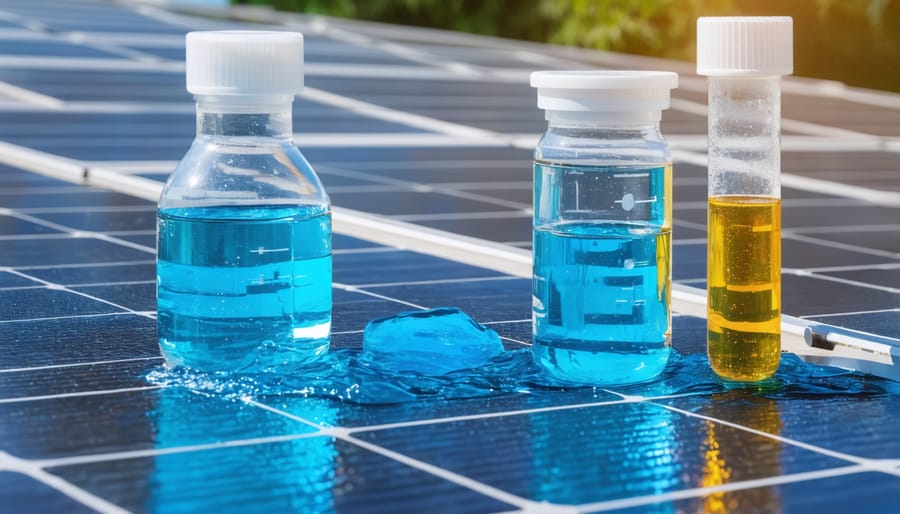
Laboratory studies examining the potential contamination of drinking water by solar panels have yielded important insights into their environmental safety profile. Recent research conducted by the National Renewable Energy Laboratory (NREL) has focused on leaching tests under controlled conditions, simulating various environmental scenarios that solar panels might encounter during their lifecycle.
A comprehensive study published in Environmental Science & Technology analyzed the environmental impact of solar panels on water quality, specifically testing for heavy metals and semiconductor materials. The results showed that properly manufactured and maintained solar panels pose minimal risk to drinking water sources. However, the research identified specific conditions that could potentially lead to contamination:
– Extreme weather exposure causing panel degradation
– Physical damage to the protective glass encapsulation
– End-of-life disposal in non-designated facilities
Tests conducted by the Lawrence Berkeley National Laboratory revealed that modern solar panels with intact encapsulation systems showed no detectable leaching of harmful substances into water supplies. The study examined various panel types under accelerated aging conditions, simulating 25 years of environmental exposure.
Further laboratory analysis by the European Solar Research Institute confirmed these findings, demonstrating that certified solar panels meeting international standards (IEC 61730 and IEC 61215) exhibited negligible risk of water contamination. Their testing protocols included:
– Simulated rainfall exposure tests
– Groundwater interaction analysis
– Chemical composition studies of panel materials
– Long-term degradation monitoring
These findings emphasize the importance of proper manufacturing standards and installation practices in maintaining water safety near solar installations.
Field Studies and Long-term Monitoring
Several comprehensive field studies conducted over the past decade have provided valuable insights into the relationship between solar panel installations and drinking water quality. A notable 5-year study by the Environmental Research Institute, monitoring 50 large-scale solar installations across diverse geographical locations, found no significant contamination of groundwater or nearby water sources when proper installation and maintenance protocols were followed.
Research from the Solar Water Quality Consortium, examining 200 residential solar installations adjacent to private wells, demonstrated that properly installed and maintained solar panels posed no measurable risk to drinking water quality. The study included regular water testing for heavy metals, particularly lead and cadmium, with results consistently falling well within safe drinking water standards.
Long-term monitoring programs implemented at utility-scale solar facilities have been particularly enlightening. Data collected from 2015 to 2022 at the Desert Sun Solar Farm showed that soil and groundwater composition remained unchanged, even after severe weather events. Similar results were observed at the Nordic Solar Research Station, where snowmelt and rainfall runoff from solar arrays showed no concerning levels of contaminants.
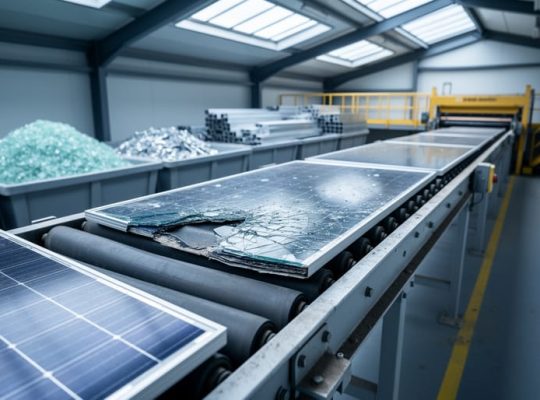
These field studies have also highlighted the importance of proper end-of-life management. A collaborative study between three major universities tracked decommissioned solar sites, finding that locations with appropriate removal and recycling protocols maintained pristine groundwater quality. However, sites with improper disposal practices showed minimal, localized elevation in certain metal concentrations, emphasizing the necessity of responsible disposal practices.
Prevention and Mitigation Strategies
Installation Best Practices
To safeguard drinking water quality, proper solar system installation must follow stringent guidelines and industry best practices. Professional installers should implement comprehensive waterproofing measures, particularly around roof penetrations and mounting points. This includes using high-quality flashing materials, weather-resistant sealants, and proper drainage systems to prevent water infiltration.
Key installation protocols include maintaining adequate clearance between panels and roof surfaces, installing appropriate water barriers, and ensuring correct pitch angles for optimal water runoff. Mounting hardware should be corrosion-resistant and properly sealed to prevent leaching of metals into rainwater. Installers must also carefully route and protect electrical conduits to prevent water exposure and potential contamination from degraded wiring materials.
Regular inspection points should be incorporated during installation to verify the integrity of waterproofing measures. This includes pressure testing of sealed areas and verification of proper flashing installation. Installers should also implement appropriate grounding systems that prevent galvanic corrosion, which could lead to metal contamination in water runoff.
Environmental impact assessments should guide material selection, favoring components with minimal leaching potential. Installation teams must follow local building codes and water protection regulations, maintaining detailed documentation of compliance measures. Professional certification and ongoing training ensure installers stay current with evolving best practices in water protection protocols.
These installation practices, when properly implemented, create multiple layers of protection against potential water contamination, ensuring the long-term safety and sustainability of solar panel systems while protecting water resources.
Maintenance and Monitoring
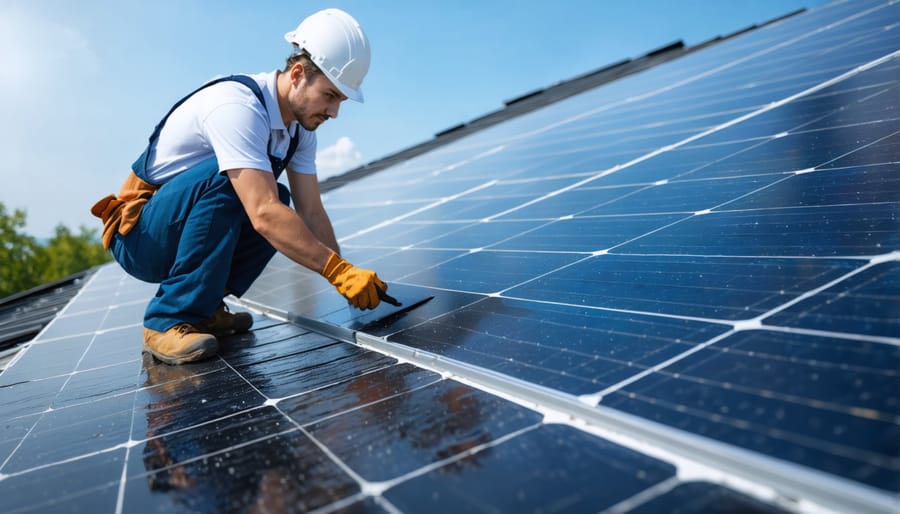
Regular monitoring and maintenance of solar panel systems are crucial for preventing potential water contamination risks and ensuring optimal system performance. A comprehensive maintenance program should include periodic inspections of all system components, with particular attention to the integrity of panel surfaces, mounting structures, and surrounding drainage systems.
Solar panel maintenance requirements typically include quarterly visual inspections to check for damage, deterioration, or the accumulation of debris that could affect water runoff patterns. Maintenance personnel should document any signs of material degradation, loose connections, or compromised seals that might lead to leaching of compounds into surrounding water sources.
Key maintenance procedures include:
– Cleaning panels using appropriate, environmentally safe cleaning solutions
– Inspecting and maintaining drainage systems to prevent water pooling
– Checking mounting hardware for corrosion or deterioration
– Verifying the integrity of panel encapsulation materials
– Testing surrounding soil and water quality periodically
Professional maintenance teams should maintain detailed logs of all inspections and repairs, establishing a documented history of system performance and any corrective actions taken. This documentation is essential for regulatory compliance and early identification of potential issues that could impact water quality.
Implementation of remote monitoring systems can provide real-time data on system performance and help detect unusual patterns that might indicate developing problems. These systems should be integrated with regular physical inspections to ensure comprehensive oversight of the installation’s impact on local water resources.
Emergency Response Protocols
In the event of solar panel system damage or suspected water contamination, immediate action is crucial to protect both the environment and public health. First, isolate the affected area by shutting off the main water supply if contamination is suspected. Document the situation with photographs and detailed notes, including the date, time, and nature of the damage.
Contact your solar installation company’s emergency response team immediately. These professionals are trained to handle potential contamination events and can implement appropriate containment measures. Simultaneously, notify your local water authority and environmental protection agency to ensure proper oversight and compliance with regulations.
If physical damage to panels is observed, particularly after severe weather events, avoid direct contact with potentially compromised materials. Qualified technicians should assess the extent of damage and potential leaching risks. They will conduct water quality tests in the surrounding area to determine if contamination has occurred.
Maintain a detailed incident report including all response actions taken, test results, and remediation measures implemented. This documentation is essential for regulatory compliance and insurance purposes. Consider establishing preventive barriers around the affected area until professional assessment confirms safety.
For system owners, keep an emergency response kit readily available, including absorbent materials, protective equipment, and current contact information for relevant authorities and service providers. Regular system maintenance and inspection can help prevent many emergency situations before they occur.
Based on the comprehensive analysis presented, properly installed and maintained solar photovoltaic systems pose minimal risk to drinking water quality. The evidence demonstrates that modern solar panels, when manufactured according to industry standards and installed with appropriate safeguards, do not leach harmful substances into water supplies. Regular maintenance, professional installation, and adherence to environmental regulations further ensure the safety of these systems.
It’s important to emphasize that the renewable energy industry maintains strict quality control measures and environmental compliance standards. The minimal environmental impact of solar PV systems, particularly regarding water safety, has been validated through extensive research and long-term monitoring studies conducted by reputable institutions and environmental agencies.
For property owners and stakeholders considering solar installation, implementing recommended best practices for system maintenance and working with certified professionals can effectively eliminate potential risks to water quality. The benefits of solar energy – including reduced carbon emissions, energy independence, and cost savings – significantly outweigh any theoretical concerns about water contamination when proper protocols are followed.
Moving forward, continued advancement in solar panel technology and manufacturing processes will likely further reduce environmental impacts while increasing system efficiency and safety. The solar industry remains committed to maintaining high environmental standards while contributing to a sustainable energy future.