
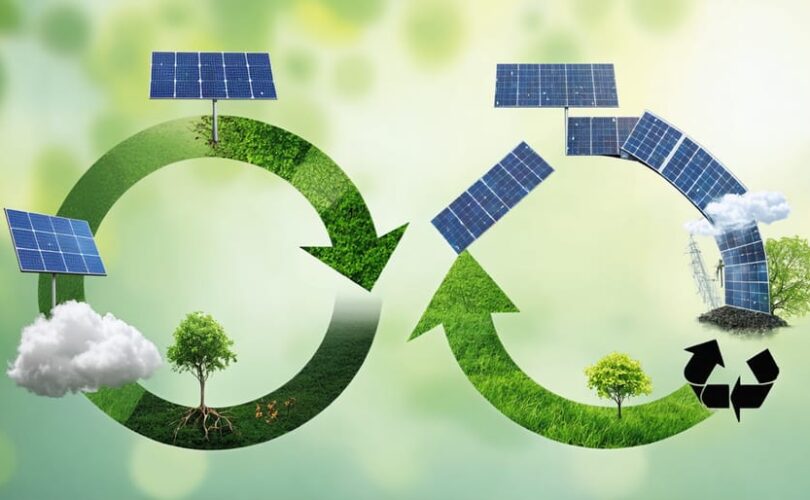
Solar power systems undergo a complex journey from manufacturing to decommissioning, spanning an average operational lifetime of 25-30 years. Understanding this lifecycle is crucial for sustainable energy development and responsible environmental stewardship. As the global photovoltaic industry matures, the management of solar installations throughout their complete lifecycle has become increasingly critical for manufacturers, installers, and facility operators alike.
The solar lifecycle encompasses five distinct phases: raw material sourcing, panel manufacturing, system installation, operational maintenance, and end-of-life management. Each phase presents unique challenges and opportunities for optimization, from reducing carbon footprints during production to maximizing energy generation efficiency during operation. With over 400 GW of solar capacity installed worldwide, the industry now faces the emerging challenge of managing the first wave of panels reaching their end-of-life stage.
Proper lifecycle management ensures not only optimal system performance but also addresses crucial environmental considerations. As recycling technologies advance and circular economy principles gain traction, the solar industry is developing innovative solutions for panel recycling, with up to 95% of materials potentially recoverable. This evolution in lifecycle management practices is reshaping how we approach solar energy deployment, making it truly sustainable from cradle to grave.

Understanding the Solar PV Lifecycle Phases
Manufacturing and Initial Installation
The manufacturing process of solar panels begins with the production of silicon wafers, which are processed into photovoltaic cells through a series of precise chemical and mechanical treatments. These cells are then assembled into modules, complete with protective glass, encapsulation materials, and frame components. Quality control measures are implemented throughout production to ensure optimal performance and durability.
Initial installation requires careful site assessment, including structural evaluation of the mounting surface, solar resource analysis, and electrical system compatibility. Professional installers must consider factors such as roof orientation, shading patterns, and local building codes. The mounting system selection depends on the installation surface, whether roof-mounted or ground-mounted, and must account for local weather conditions and structural loads.
Proper installation also involves establishing appropriate electrical connections, implementing safety mechanisms, and installing monitoring systems. The process concludes with system testing and commissioning to verify proper operation and compliance with relevant standards. Documentation of installation parameters and system specifications is essential for future maintenance and potential decommissioning requirements.
Operational Life and Maintenance
Solar systems require consistent monitoring and maintenance throughout their operational life to ensure optimal performance and longevity. Modern monitoring systems track power output, system efficiency, and environmental conditions in real-time, allowing operators to identify and address performance issues promptly.
Regular maintenance activities include panel cleaning, inspection of electrical connections, and verification of structural integrity. Dust, debris, and environmental factors can reduce panel efficiency by 3-5% annually if left unaddressed. Professional cleaning and maintenance typically occur on a quarterly or bi-annual basis, depending on local conditions and system requirements.
Solar panels experience natural degradation over time, with efficiency typically declining at a rate of 0.5-1% per year. This degradation is factored into performance warranties, which commonly guarantee 80% of initial output after 25 years. Inverters generally require replacement every 10-15 years, while panels can maintain acceptable performance levels for 25-30 years.
Preventive maintenance programs, including thermal imaging inspections and electrical testing, help identify potential issues before they impact system performance. Documentation of maintenance activities and performance data is essential for warranty claims and system optimization.

End-of-Life Management Strategies
Decommissioning Planning
Decommissioning planning begins several months before the actual removal of solar panels and requires careful coordination among stakeholders, including property owners, solar contractors, and waste management specialists. The first step involves conducting a comprehensive site assessment to document the current system configuration, identify potential hazards, and determine equipment accessibility.
A detailed inventory of all system components must be created, including panels, mounting hardware, inverters, and electrical connections. This inventory helps in developing precise removal procedures and identifying materials for recycling or disposal. Environmental impact assessments should be performed to ensure minimal disruption to the surrounding ecosystem during the removal process.
The planning phase must include the development of safety protocols specific to the site conditions. This encompasses fall protection measures for roof-mounted systems, electrical isolation procedures, and proper personal protective equipment requirements for workers. Additionally, permitting requirements and local regulations regarding solar equipment removal must be thoroughly researched and addressed.
Logistics planning is crucial and involves scheduling appropriate equipment, such as cranes or lifts, coordinating with recycling facilities, and arranging transportation. A timeline should be established that accounts for weather conditions and minimizes disruption to property operations. The plan should also include contingency measures for unexpected challenges during the removal process.
Finally, documentation requirements must be outlined, including photographs, disposal certificates, and site restoration specifications. This documentation ensures compliance with regulatory requirements and provides a clear record of the decommissioning process.
Recycling and Material Recovery
The recovery and recycling of solar panel components represent a crucial phase in the solar lifecycle, ensuring valuable materials are reclaimed while minimizing environmental impact. Modern innovative recycling technologies enable the separation and recovery of key materials, including silicon cells, glass, aluminum frames, and precious metals.
The recycling process typically begins with the mechanical separation of aluminum frames and junction boxes. The remaining panel undergoes thermal treatment to separate the glass from the silicon cells. Advanced chemical processes then extract and purify semiconductor materials and metals, achieving recovery rates of up to 95% for certain components.
Silver, copper, and silicon recovered from solar panels maintain significant market value and can be repurposed in new manufacturing processes. Glass components, comprising approximately 75% of panel weight, are readily recyclable into new glass products or construction materials.
Material recovery facilities are increasingly adopting automated systems and specialized equipment to enhance processing efficiency. These improvements have led to better recovery rates and reduced recycling costs, making end-of-life management more economically viable for stakeholders.
As the industry matures, standardized recycling protocols and dedicated facilities continue to emerge, supporting the circular economy principles essential for sustainable solar energy development. This systematic approach to material recovery ensures that solar technology remains environmentally responsible throughout its entire lifecycle.
Environmental Compliance
Solar installations must comply with various environmental regulations and standards throughout their lifecycle. These requirements span from initial site assessment to final decommissioning, ensuring minimal environmental impact and sustainable practices. Key regulations include the Resource Conservation and Recovery Act (RCRA), Clean Water Act, and specific local ordinances governing renewable energy installations.
During the operational phase, facilities must maintain compliance with air quality standards, stormwater management requirements, and habitat protection measures. Many jurisdictions require regular environmental impact assessments and monitoring reports to ensure continued compliance with established guidelines.
End-of-life management presents particular compliance challenges. Solar panels containing hazardous materials must be handled according to strict disposal regulations. The European Union’s Waste Electrical and Electronic Equipment (WEEE) Directive serves as a global benchmark for proper disposal practices, while the United States implements various state-level requirements for solar waste management.
Environmental considerations extend beyond regulatory compliance to include voluntary sustainability initiatives. Many manufacturers and installers participate in industry-led recycling programs and adopt circular economy principles. These programs often exceed minimum regulatory requirements, demonstrating commitment to environmental stewardship.
Successful environmental compliance requires careful documentation, regular audits, and proactive engagement with regulatory agencies. Organizations must stay current with evolving regulations and industry best practices to ensure their solar installations remain compliant throughout their operational lifetime.
Future-Proofing Solar Installations
Design Considerations
Effective lifecycle management begins with thoughtful design considerations during the initial planning phase. An optimal solar system design must incorporate features that facilitate future decommissioning and recycling processes.
Key design elements should include modular components that can be easily disassembled, standardized mounting systems, and clearly labeled materials for efficient sorting during end-of-life processing. Engineers should prioritize materials with high recyclability potential and minimize the use of composite materials that are difficult to separate and process.
Documentation plays a crucial role in lifecycle planning. Detailed records of system components, including material composition and assembly methods, should be maintained from the outset. This information becomes invaluable during decommissioning and helps recycling facilities process materials more effectively.
Designers should also consider the physical layout of solar installations to ensure accessibility for maintenance and eventual removal. Adequate spacing between panels, robust mounting systems that can withstand multiple dismounting cycles, and clear access paths for equipment are essential considerations.
Furthermore, incorporating monitoring systems that track component degradation can help predict end-of-life timing and plan for optimal replacement schedules. This proactive approach enables better resource allocation and minimizes environmental impact during the decommissioning phase.
Documentation and Tracking
Documentation and record-keeping form essential components of responsible solar lifecycle management. Comprehensive tracking systems enable stakeholders to monitor performance, maintain compliance, and optimize asset management throughout a solar installation’s operational life.
Asset managers typically maintain digital databases that chronicle key lifecycle events, including initial installation specifications, maintenance records, performance data, and component replacements. These systems often incorporate automated monitoring solutions that track real-time energy production, system efficiency, and potential issues requiring attention.
Required documentation includes warranty information, permits, inspection records, and compliance certificates. Environmental impact assessments and disposal planning documentation should be maintained from the project’s inception. Regular updates to these records ensure proper tracking of system modifications and repairs, creating a verifiable history of the installation’s lifecycle.
Modern solar lifecycle management platforms integrate cloud-based solutions with mobile applications, enabling field technicians to update records in real-time. These systems often feature automated alerts for scheduled maintenance, warranty expirations, and performance anomalies.
For decommissioning purposes, maintaining detailed records of original materials, components, and chemical compositions proves crucial for proper end-of-life handling. This documentation supports recycling efforts and ensures compliance with environmental regulations during the disposal phase.
Professional solar asset managers typically implement standardized documentation protocols that align with industry best practices and regulatory requirements, facilitating seamless transitions between lifecycle phases and stakeholders.
Industry Best Practices and Standards
The solar industry has established comprehensive standards and practices to ensure optimal performance, safety, and sustainability throughout a photovoltaic system’s lifecycle. The International Electrotechnical Commission (IEC) and the International Organization for Standardization (ISO) provide foundational guidelines that govern quality management, performance testing, and safety requirements for solar installations.
Key industry standards include IEC 61215 for module design qualification and IEC 61730 for safety qualification. These standards ensure modules meet minimum requirements for mechanical stability, electrical safety, and long-term reliability. Additionally, IEC 62446 outlines documentation and testing requirements for grid-connected photovoltaic systems.
Best practices for lifecycle management begin with proper system design and component selection. Manufacturers and installers should conduct thorough site assessments, considering factors such as local climate conditions, shading analysis, and structural requirements. Regular maintenance protocols should follow manufacturer guidelines and include visual inspections, performance monitoring, and preventive maintenance schedules.
Performance monitoring has evolved significantly, with advanced monitoring systems now considered standard for commercial installations. These systems enable real-time data collection, predictive maintenance, and early problem detection, ultimately extending system lifespan and optimizing energy production.
End-of-life management practices have gained increased attention, with industry leaders adopting circular economy principles. The PV Cycle program in Europe serves as a model for responsible recycling and disposal. Current best practices recommend developing end-of-life plans during the initial project phase, including provisions for module recycling and site restoration.
Quality assurance throughout the lifecycle is maintained through third-party certification programs and regular audits. The Solar Energy Industries Association (SEIA) provides guidelines for responsible recycling, while organizations like DNV GL offer certification services ensuring compliance with industry standards.
Documentation and record-keeping practices are crucial, with digital asset management systems becoming increasingly common. These systems track maintenance history, performance data, and component warranties, facilitating better lifecycle management decisions.
Industry stakeholders are also emphasizing workforce training and certification programs to ensure proper installation and maintenance practices. Organizations like the North American Board of Certified Energy Practitioners (NABCEP) provide standardized certification programs for solar professionals, helping maintain high-quality standards across the industry.
The solar lifecycle represents a critical framework for understanding and managing photovoltaic systems from inception to end-of-life. As the industry continues to mature, improved manufacturing processes, enhanced efficiency ratings, and advanced recycling technologies are shaping a more sustainable future for solar energy. The establishment of standardized decommissioning protocols and circular economy principles will be crucial for managing the growing volume of retiring solar panels in the coming decades. Looking ahead, innovations in material science and recycling technologies promise to further optimize the environmental impact of solar installations while maximizing resource recovery. With continued investment in research and development, coupled with strengthening regulatory frameworks, the solar industry is well-positioned to address lifecycle challenges and maintain its role as a cornerstone of sustainable energy production.


