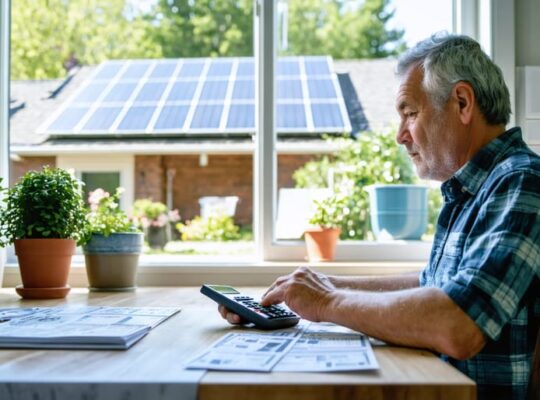
Smart home technology promises significant energy savings and enhanced convenience, but the reality demands careful cost-benefit analysis. Recent studies indicate that properly implemented smart home systems reduce energy consumption by 15-30% on average, translating to annual savings of $300-$600 for typical households. However, with initial investment costs ranging from $2,000 to $15,000 for comprehensive systems, the financial breakeven point often extends beyond five years.
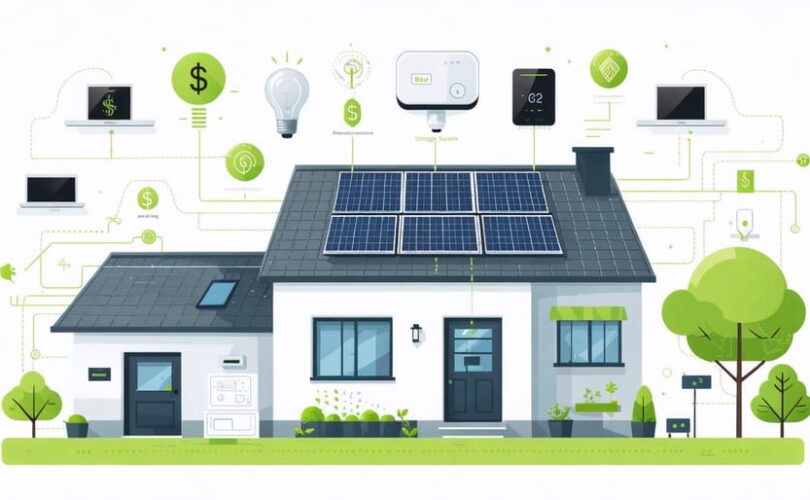
The integration of smart thermostats, automated lighting, and intelligent power management systems creates a synergistic ecosystem that optimizes energy usage in real-time. When combined with solar PV installations, these technologies can enhance overall system efficiency by up to 25% through intelligent load management and peak demand reduction. Yet, considerations extend beyond mere cost savings.
Cybersecurity vulnerabilities, ongoing maintenance requirements, and potential compatibility issues represent significant challenges that prospective adopters must evaluate. Additionally, the rapid pace of technological advancement means today’s cutting-edge systems may become obsolete within 3-5 years, necessitating periodic upgrades and additional investments.
This analysis examines the quantifiable benefits, hidden costs, and long-term implications of smart home technology adoption, providing data-driven insights to inform your investment decision.
The True Cost of Smart Home Integration
Initial Setup Expenses
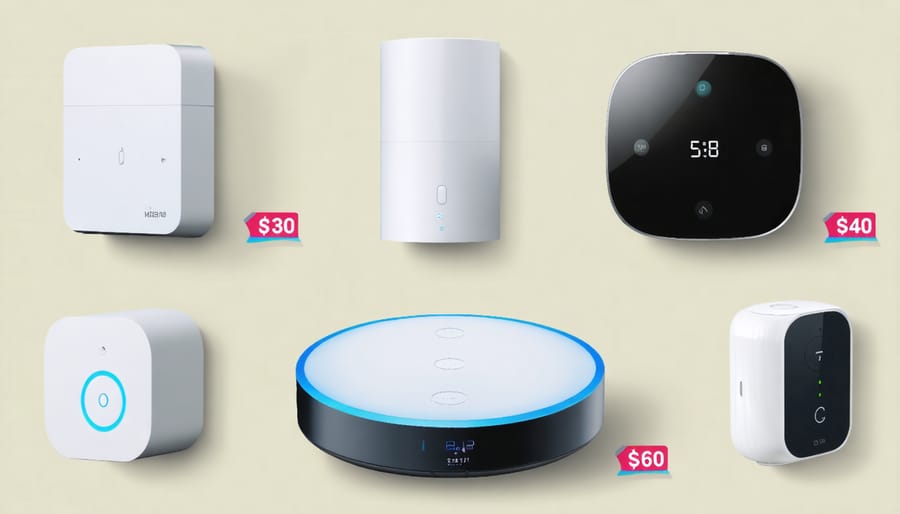
The initial investment in smart home technology requires careful consideration of essential components. A basic setup typically includes a central hub ($100-200), which often utilizes Z-Wave smart home technology for reliable connectivity. Smart thermostats ($150-300) form the foundation of energy management, while smart lighting systems, including bulbs and switches, range from $200-500 for whole-house implementation.
Security components such as smart cameras ($100-300 per unit) and smart locks ($150-250) contribute significantly to the initial costs. Energy monitoring systems, which integrate with solar installations, typically range from $200-400. Smart plugs and outlets ($25-50 each) enable granular control over individual appliances.
For comprehensive home automation, expect to invest $1,500-3,000 for professional installation and basic component integration. Additional specialized devices like automated window treatments ($300-500 per window) or smart water monitoring systems ($200-400) can increase costs substantially. These investments should be evaluated against potential energy savings and increased property value, typically yielding returns within 2-4 years through reduced utility costs and enhanced efficiency.
Long-term Operating Costs
When evaluating smart home technology investments, long-term operating costs require careful consideration beyond the initial purchase price. Monthly subscription fees for advanced features and cloud storage can range from $5 to $30 per device, potentially accumulating to significant annual expenses for comprehensive home automation systems. These recurring costs often include software updates, remote access capabilities, and advanced analytics.
Maintenance requirements vary by device type and complexity. While smart thermostats and lighting systems generally require minimal upkeep, security cameras and smart locks may need periodic cleaning, battery replacement, and professional servicing. Component lifespan typically ranges from 5-10 years, with smart thermostats showing the longest durability and sensor-based devices requiring more frequent replacement.
Energy consumption of smart devices, though individually minimal, can impact utility bills when deployed at scale. However, this cost is often offset by the energy savings achieved through automated climate control and lighting optimization. Regular firmware updates and potential compatibility issues with evolving technologies may necessitate periodic system upgrades, requiring additional investment to maintain optimal functionality and security standards.
Energy Savings Through Smart Technology
Smart Thermostats and HVAC Optimization
Smart thermostats represent one of the most impactful investments in home automation technology, with documented energy savings ranging from 10-23% on heating and cooling costs. According to the U.S. Department of Energy’s research, implementing these advanced systems alongside proper HVAC optimization can yield average annual savings of $180-$300 for typical households.
The smart thermostat benefits extend beyond basic temperature control. Modern systems utilize machine learning algorithms to analyze occupancy patterns, weather data, and thermal characteristics of the building. This data-driven approach enables precise climate control optimization, automatically adjusting temperatures to maintain comfort while minimizing energy consumption.
Studies from the Environmental Protection Agency demonstrate that homes equipped with smart thermostats reduce their carbon footprint by an average of 1,322 pounds of CO2 annually. These systems achieve efficiency through features such as:
– Geofencing technology that adjusts settings based on occupants’ locations
– Integration with weather forecasts for predictive temperature management
– Remote monitoring and control capabilities
– Detailed energy consumption reporting and analysis
– Multi-zone control for targeted heating and cooling
When paired with modern HVAC equipment, smart thermostats can extend system longevity by reducing unnecessary runtime and maintaining optimal operating conditions. The initial investment, typically ranging from $200-$500, can be recovered within 1-2 years through reduced energy costs and increased HVAC efficiency.
Intelligent Lighting Systems
Intelligent lighting systems represent one of the most impactful implementations of smart home technology, offering significant potential for energy conservation and cost reduction. These systems combine LED technology with advanced controls, motion sensors, and scheduling capabilities to optimize lighting usage based on occupancy patterns and natural light availability.
Studies conducted by the Department of Energy indicate that smart lighting systems can reduce electricity consumption for lighting by 50-70% compared to traditional lighting setups. This reduction stems from multiple efficiency mechanisms, including automated dimming, occupancy-based control, and daylight harvesting capabilities.
The integration of smart lighting with home automation platforms enables sophisticated energy management strategies. For instance, geofencing features automatically adjust lighting states based on residents’ proximity to home, while machine learning algorithms adapt to household routines over time, optimizing energy usage without compromising comfort or convenience.
From a financial perspective, while smart lighting systems require higher initial investment compared to traditional fixtures, the energy savings typically result in a return on investment within 2-3 years. A typical household can save $100-200 annually on electricity costs through smart lighting implementation, with additional savings possible when integrated with other smart home systems.
Modern smart lighting solutions also offer features beyond energy efficiency, such as color temperature adjustment to support circadian rhythms and integration with security systems, adding value beyond mere energy conservation.
Solar Integration Benefits
Smart home technology significantly enhances the performance and efficiency of residential solar energy systems through advanced monitoring, automated optimization, and intelligent energy management. When integrated with solar installations, smart home systems provide real-time production data and consumption analytics, enabling homeowners to maximize their renewable energy utilization.
The integration of smart inverters and energy management systems allows for automated load shifting, directing solar-generated power to high-demand appliances during peak production hours. This intelligent distribution can increase solar self-consumption rates by 20-30% compared to traditional setups. Smart thermostats and automated HVAC controls further optimize energy usage by adjusting operation based on solar production patterns and weather forecasts.
Battery storage systems become more effective when coupled with smart home technology, as artificial intelligence algorithms can predict optimal charging and discharging cycles based on historical usage patterns and real-time grid conditions. This predictive capability typically results in 15-25% improved battery efficiency and reduced grid dependency.
Smart home systems also enable automated demand response participation, allowing homeowners to earn additional revenue through utility incentive programs while supporting grid stability. The technology’s ability to monitor system health and performance helps identify maintenance needs early, ensuring consistent solar energy production and extending system longevity.
Energy monitoring platforms provide detailed insights into generation and consumption patterns, empowering homeowners to make informed decisions about their energy usage and maximize their return on investment in solar technology.
Real-World Performance Data
Residential Case Studies
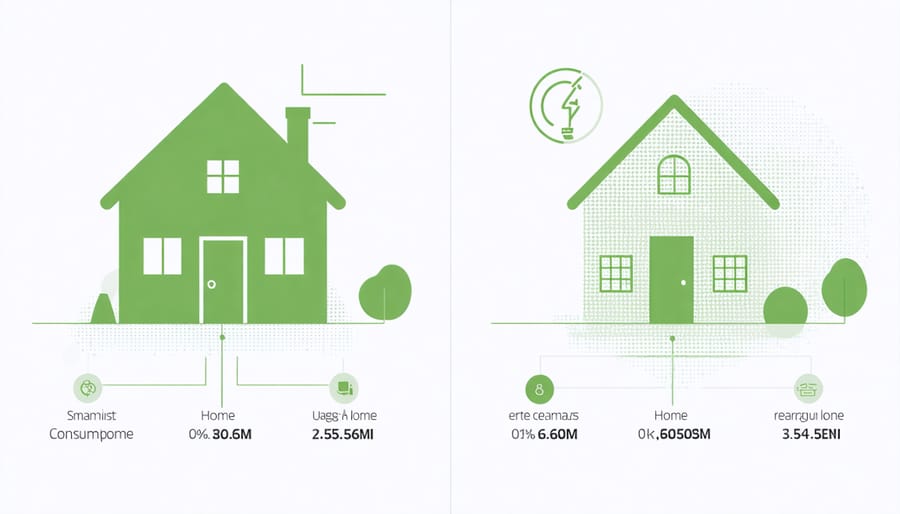
Recent studies examining smart home technology implementations reveal compelling evidence of energy savings across diverse residential settings. A comprehensive analysis conducted by the University of California Berkeley tracked 500 households over two years, documenting average energy reductions of 23% through integrated smart thermostats and automated lighting systems.
In a notable case study from Denver, Colorado, a 2,500-square-foot home achieved a 31% reduction in annual energy consumption after implementing a comprehensive smart home system. The integration included smart thermostats, LED lighting controls, and automated window shades, coupled with home energy efficiency testing to optimize performance.
Another significant study by the Pacific Northwest National Laboratory examined 1,000 residential properties across different climate zones. Properties utilizing smart home technology demonstrated average heating and cooling cost reductions of 15-20% compared to conventional homes. Smart water heater controls contributed an additional 9% reduction in energy consumption.
The Massachusetts Institute of Technology’s Building Technology Program documented a multi-family residence case where smart home integration resulted in a 27% decrease in overall energy usage. The study particularly highlighted the effectiveness of occupancy-based climate control and automated natural lighting optimization, proving especially beneficial during peak consumption hours.
These real-world examples consistently demonstrate that smart home technology, when properly implemented and monitored, delivers measurable energy savings and enhanced comfort levels for residents.
Return on Investment Timeline
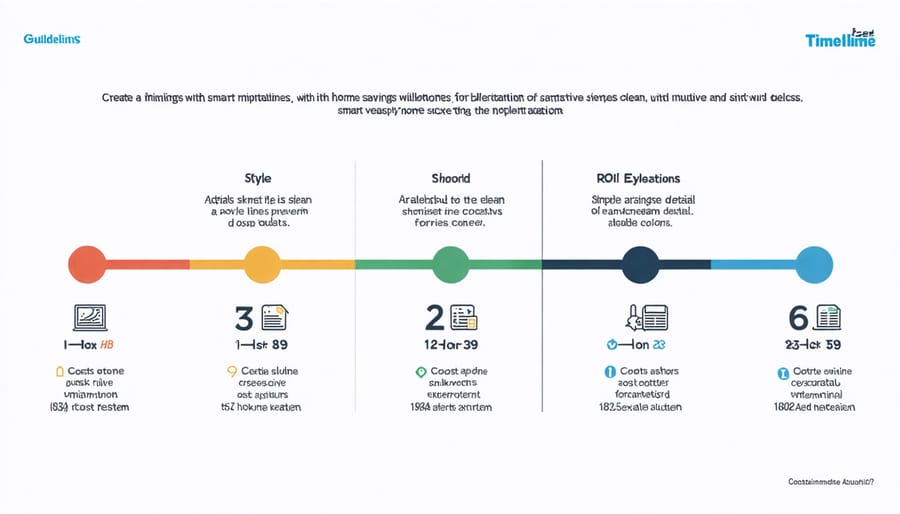
Smart home technology investments typically demonstrate varying payback periods depending on the specific devices and systems implemented. Energy management solutions, such as smart thermostats, generally show the fastest return on investment, with most users recouping their initial costs within 12-24 months through reduced utility bills.
Statistical analysis indicates that smart thermostats alone can reduce heating and cooling costs by 10-15% annually, translating to approximately $140-200 savings per year for the average household. Smart lighting systems demonstrate a longer payback period of 2-3 years but offer sustained savings of 25-35% on lighting costs thereafter.
More comprehensive smart home installations, including automated window treatments, smart appliances, and whole-home energy management systems, typically require 3-5 years to achieve full ROI. However, these systems often deliver compound benefits, with total energy savings reaching 20-30% of previous consumption levels.
Security-focused smart devices, while harder to quantify in direct monetary returns, add immediate value through reduced insurance premiums (typically 5-10%) and increased property values. Studies show that homes with integrated smart technology command 3-5% higher resale values compared to traditional properties.
Long-term financial benefits extend beyond direct energy savings, including reduced maintenance costs, extended equipment lifespan through predictive maintenance, and decreased replacement frequency of connected devices. These factors contribute to an estimated additional 5-8% in indirect savings over a 10-year period.
Integration with Solar PV Systems
The integration of smart home technology with solar PV systems creates a synergistic relationship that enhances the overall efficiency and performance of both systems. Smart home devices can help maximize solar panel efficiency through intelligent energy management and real-time monitoring capabilities.
Automated energy management systems can dynamically adjust power consumption based on solar generation patterns, ensuring optimal utilization of solar-generated electricity. Smart inverters and battery storage systems work in conjunction with home automation to store excess solar power during peak production periods and distribute it efficiently during high-demand or low-production times.
The integration enables precise monitoring of energy production and consumption through mobile applications and smart displays. Homeowners can track their solar system’s performance, identify potential issues, and make informed decisions about energy usage patterns. This data-driven approach typically results in 20-30% more efficient use of solar-generated power compared to traditional setups.
Smart thermostats and automated lighting systems can be programmed to coincide with solar production peaks, automatically adjusting temperature settings and lighting levels to maximize the use of solar power. Energy-intensive appliances like washing machines and dishwashers can be scheduled to operate during peak solar production hours through smart home automation.
The financial benefits are substantial, with integrated systems typically delivering 15-25% greater energy cost savings compared to standalone solar installations. Additionally, many utility companies offer special incentives for homes that combine smart technology with solar systems, recognizing their contribution to grid stability and peak load reduction.
For property owners considering long-term investments, the combination of smart home technology and solar PV systems provides enhanced system monitoring, improved energy efficiency, and superior return on investment through reduced utility bills and increased property value.
Smart home technology presents a compelling value proposition for property owners seeking to enhance energy efficiency, comfort, and security. The data consistently demonstrates that while initial investments can be substantial, ranging from $1,500 to $5,000 for a comprehensive system, the long-term benefits often justify the costs through reduced energy consumption, improved property values, and enhanced quality of life.
For optimal implementation, we recommend a phased approach, starting with core components such as smart thermostats and lighting systems, which typically deliver the most immediate return on investment through energy savings of 10-15% annually. As familiarity and comfort with the technology grow, homeowners can gradually expand their systems to include additional features such as automated blinds, security systems, and appliance integration.
Integration with renewable energy systems, particularly solar PV installations, significantly enhances the value proposition. Smart home technology enables precise monitoring and optimization of energy consumption patterns, maximizing the utilization of solar-generated power and further reducing utility costs.
However, success depends on careful planning and consideration of system compatibility, network infrastructure, and long-term maintenance requirements. Property owners should prioritize systems with proven reliability, strong manufacturer support, and robust security features. Professional installation and regular updates ensure optimal performance and protection against potential vulnerabilities.
When properly implemented, smart home technology represents a strategic investment in both property value and sustainable living, delivering tangible benefits that extend well beyond mere convenience.