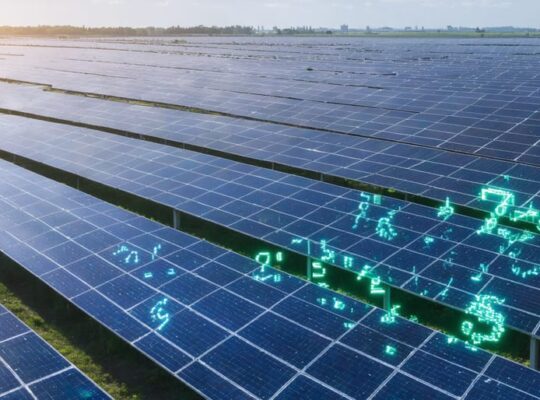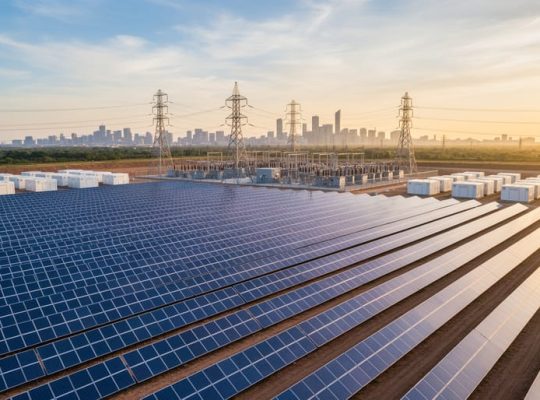
Solar panel investing represents one of the most dynamic opportunities in today’s renewable energy landscape, offering both substantial financial returns and measurable environmental impact. As global solar installations surged past 1,000 GW in 2022, investors are increasingly recognizing the sector’s potential for long-term value creation. From utility-scale solar projects delivering steady cash flows to innovative solar technology startups disrupting traditional energy markets, the investment opportunities span multiple risk-return profiles.
The convergence of falling production costs, improving technology efficiency, and supportive government policies has created a robust foundation for solar investments. Manufacturing costs have decreased by over 80% in the past decade, while panel efficiency continues to improve annually. This technological progress, combined with increasing corporate commitments to renewable energy and growing consumer demand, positions solar power as a cornerstone of the global energy transition.
For investors seeking to capitalize on this momentum, multiple entry points exist: direct investment in solar projects, publicly traded solar companies, green bonds, or specialized renewable energy funds. Understanding these various investment vehicles, along with key market drivers and risk factors, is crucial for building a strategic position in the solar sector.
The Growing Solar Infrastructure Market
Market Size and Growth Potential
The global solar energy market continues to demonstrate remarkable growth, with a valuation of $184.03 billion in 2021 and projections indicating a compound annual growth rate (CAGR) of 20.5% through 2030. This explosive expansion is driven by declining technology costs, supportive government policies, and increasing corporate commitment to renewable energy adoption.
Utility-scale solar installations represent the largest market segment, accounting for approximately 55% of total installations. Residential and commercial installations follow, showing steady growth as property owners embrace solar solutions. Emerging markets, particularly in Asia-Pacific and Latin America, are experiencing the fastest growth rates, with China and India leading global capacity additions.
Industry analysts forecast the total addressable market for solar infrastructure to reach $1.2 trillion by 2030, factoring in technological innovations, energy storage integration, and smart grid development. This growth potential is further supported by international climate commitments, with over 170 countries including solar expansion in their renewable energy targets.
Key growth drivers include improved panel efficiency, reduced installation costs, and innovative financing models that make solar more accessible to diverse market segments.
Investment Vehicle Types
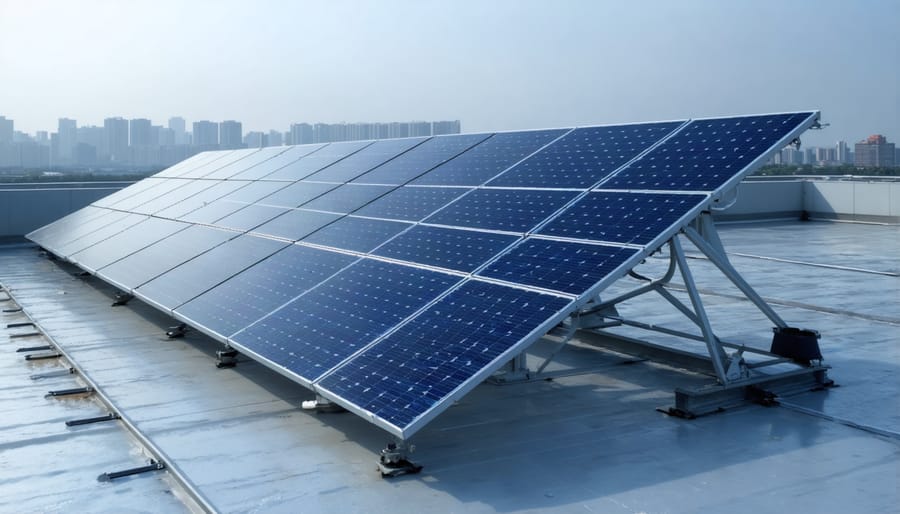
Investors can participate in the solar energy sector through various financial instruments, each offering distinct risk-return profiles. Publicly traded solar company stocks provide direct exposure to industry leaders and emerging players, while solar-focused ETFs offer diversified portfolios across multiple companies and subsectors. Green bonds for solar projects present fixed-income opportunities with environmental benefits, typically offering stable returns backed by project assets.
For those seeking direct project involvement, solar infrastructure funds enable investment in utility-scale installations, while crowdfunding clean energy projects allows smaller-scale participation in specific installations. Real estate investment trusts (REITs) specializing in solar-equipped properties offer another avenue for diversification.
Institutional investors often participate through private equity funds focused on renewable energy development, while accredited investors can explore direct project financing opportunities. Each vehicle carries distinct regulatory requirements, minimum investment thresholds, and liquidity considerations that investors must carefully evaluate against their investment objectives and risk tolerance.
Financial Performance Metrics
Return on Investment Analysis
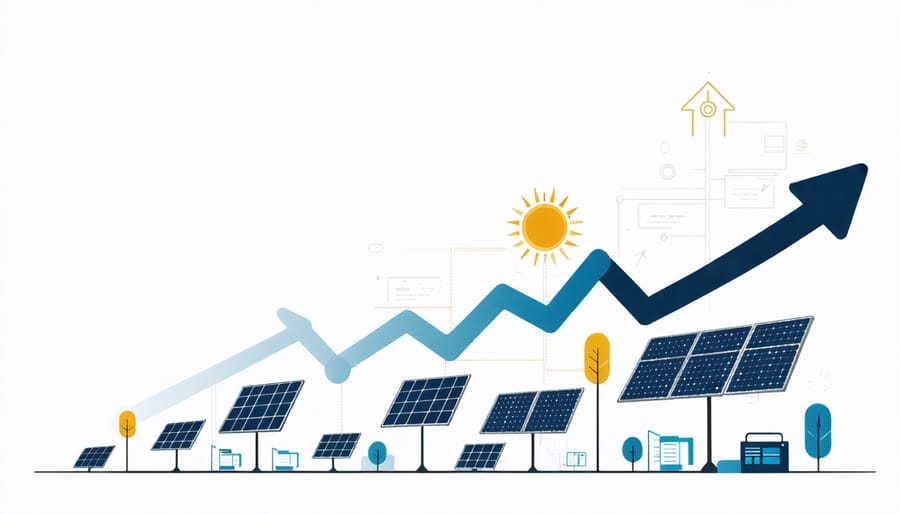
Return on Investment (ROI) analysis for solar panel investments typically demonstrates compelling financial benefits over the long term. The Internal Rate of Return (IRR) for solar installations generally ranges from 10% to 30%, depending on factors such as location, system size, and local electricity rates.
Payback periods for residential solar installations average between 5 to 8 years in most markets, while commercial installations often achieve faster returns due to economies of scale and tax incentives. When analyzing solar investments, it’s crucial to consider multiple financial metrics:
Initial Investment Recovery:
– Energy bill savings: 20-30% reduction in yearly electricity costs
– Tax incentives and rebates: Currently up to 30% federal tax credit
– Solar Renewable Energy Credits (SRECs): Additional income in eligible markets
Long-term Financial Benefits:
– System lifespan: 25-30 years of operation
– Maintenance costs: Approximately 1% of system cost annually
– Property value increase: Average 4.1% boost to home value
The Net Present Value (NPV) calculation typically shows positive results within the first decade, considering the time value of money and declining panel efficiency (0.5% annually). Sophisticated investors often use the Levelized Cost of Energy (LCOE) metric, which currently averages $0.06-$0.08 per kWh for utility-scale projects, demonstrating cost competitiveness with traditional energy sources.
Risk Assessment Framework
A comprehensive risk assessment framework is essential for evaluating solar panel investments, encompassing both financial and operational considerations. Primary risk factors include regulatory changes, which can impact incentive structures and feed-in tariffs, potentially affecting return on investment. Technology obsolescence risk must be carefully evaluated, as rapid innovations in photovoltaic efficiency could render existing installations less competitive.
Market risks include fluctuating energy prices, which directly influence revenue projections, and changes in grid integration policies. Environmental factors such as weather patterns, natural disasters, and climate change impacts require thorough analysis to ensure optimal system performance and longevity.
To mitigate these risks, investors should implement diversification strategies across geographical locations and technology types. Insurance coverage specifically designed for renewable energy assets provides protection against physical damage and performance shortfalls. Regular maintenance protocols and performance monitoring systems help identify and address technical issues before they escalate.
Due diligence should include detailed assessment of:
– Equipment manufacturer warranties and financial stability
– Installation contractor qualifications and track record
– Site-specific factors affecting solar resource availability
– Grid connection requirements and capacity
– Local permitting and regulatory compliance
Risk mitigation strategies should be reviewed and updated periodically to reflect changing market conditions and technological advancements. Establishing partnerships with experienced operators and maintaining adequate operational reserves can further enhance investment security.
Environmental Impact Measurement
Carbon Offset Metrics
Carbon offset metrics play a crucial role in quantifying the environmental impact of solar panel investments. To calculate emission reductions, investors need to consider several key factors: the energy production capacity of their solar installation (measured in kWh), the regional grid’s carbon intensity factor, and the system’s projected operational lifetime.
The basic formula for calculating carbon offset is:
Annual Carbon Offset (tons CO2) = Annual Energy Production (kWh) × Grid Carbon Intensity Factor (tons CO2/kWh)
Modern monitoring systems employ sophisticated sensors and data analytics to track real-time energy production and corresponding emission reductions. These systems typically provide dashboard interfaces that display metrics such as:
– Daily, monthly, and annual carbon dioxide emissions avoided
– Equivalent trees planted
– Reduction in fossil fuel consumption
– Total greenhouse gas reduction impact
For investment reporting purposes, standardized frameworks like the Greenhouse Gas Protocol and CDP (formerly Carbon Disclosure Project) provide guidelines for accurate emissions tracking. Organizations should maintain detailed records of:
– System specifications and efficiency ratings
– Actual versus projected energy generation
– Maintenance activities affecting performance
– Grid carbon intensity updates
– Third-party verification documentation
This data enables investors to validate their environmental impact claims and supports compliance with emerging carbon reporting regulations.
Impact Reporting Standards
Impact measurement in solar panel investing follows established Environmental, Social, and Governance (ESG) frameworks that provide standardized metrics for evaluating project effectiveness. The Global Reporting Initiative (GRI) and Sustainability Accounting Standards Board (SASB) offer comprehensive guidelines specifically tailored to renewable energy investments, helping investors track and report environmental benefits.
Key performance indicators typically include carbon emissions avoided, megawatt-hours of clean energy generated, and the number of households powered by solar installations. The International Renewable Energy Agency (IRENA) provides standardized calculation methodologies for these metrics, ensuring consistency across different projects and portfolios.
For institutional investors, the Task Force on Climate-related Financial Disclosures (TCFD) framework offers structured approaches to assess and report climate-related risks and opportunities. This includes both quantitative metrics and qualitative assessments of long-term sustainability impacts.
Social impact metrics often encompass job creation in solar installation and maintenance, community energy access improvements, and local economic benefits. The Impact Management Project (IMP) provides a shared framework for measuring these broader socioeconomic effects.
To maintain credibility, third-party verification of impact data is increasingly common, with independent auditors validating environmental claims and ensuring alignment with international standards. This verification process strengthens investor confidence and supports transparent reporting of solar investment outcomes.
Investment Strategies and Best Practices
Portfolio Allocation Guidelines
A well-balanced solar investment portfolio typically allocates assets across multiple segments of the photovoltaic industry to maximize returns while managing risk. Industry experts recommend dedicating 40-60% of solar investments to established utility-scale projects, which offer stable, long-term returns through power purchase agreements. Residential and commercial solar installations should comprise 20-30% of the portfolio, providing exposure to the growing distributed generation market.
Consider allocating 15-25% to solar technology manufacturers and equipment suppliers, focusing on companies with strong research and development capabilities and proven track record. The remaining 10-15% can be distributed among emerging opportunities like P2P solar investment platforms and solar storage solutions.
Geographic diversification is crucial, with investments spread across multiple regions to mitigate policy and climate-related risks. Developed markets should represent 60-70% of geographical allocation, while emerging markets with high solar potential can comprise 30-40%.
For risk management, maintain a mix of both direct project investments and indirect exposure through solar ETFs or mutual funds. Consider liquidity requirements when structuring the portfolio, as direct project investments typically have longer lock-in periods compared to publicly traded securities. Regular portfolio rebalancing, typically quarterly or semi-annually, helps maintain optimal allocation and capitalize on market opportunities.
Due Diligence Process
When evaluating solar infrastructure investments, conducting thorough due diligence is crucial for minimizing risks and maximizing returns. Begin by assessing the technical specifications of solar installations, including panel efficiency ratings, inverter quality, and system design optimization. Review the track record of equipment manufacturers and their warranty terms, as these factors significantly impact long-term performance.
Financial analysis should encompass power purchase agreements (PPAs), projected energy production rates, and revenue models. Understanding sustainable energy financing structures and incentive programs is essential for accurate valuation. Evaluate the creditworthiness of off-takers and the stability of energy pricing agreements.
Environmental impact assessments and regulatory compliance documentation require careful scrutiny. Verify permits, environmental studies, and grid connection agreements. Consider site-specific factors such as solar irradiance levels, shading analysis, and local climate conditions that affect system performance.
Operational considerations include maintenance contracts, performance monitoring systems, and insurance coverage. Review the experience and capabilities of operations and maintenance providers. Assess the project’s integration with existing grid infrastructure and potential upgrade requirements.
Finally, examine the exit strategy options, including potential buyers, market liquidity, and asset valuation methods. Understanding these key elements helps investors make informed decisions while contributing to the growth of renewable energy infrastructure.
Long-term Management Considerations
Successful solar panel investments require diligent monitoring and strategic management to maintain optimal performance over time. Establish a comprehensive monitoring system that tracks both financial returns and system efficiency metrics. Regular performance assessments should include energy output analysis, maintenance schedules, and financial benchmarking against industry standards.
Investors should implement a data-driven approach to optimization, utilizing advanced monitoring software to detect performance anomalies and maintenance needs early. This proactive stance helps prevent significant efficiency losses and maintains consistent returns. Consider engaging professional asset management services for larger installations to ensure expert oversight.
Create a long-term maintenance schedule that includes panel cleaning, inverter checks, and wiring inspections. Factor in equipment degradation rates, typically 0.5-1% annually, when projecting long-term returns. Regularly review and update insurance coverage to protect against unforeseen events.
Stay informed about technological advances and regulatory changes that might affect system performance or value. Consider setting aside a portion of returns for future upgrades or replacements, ensuring the investment remains competitive as technology evolves. Maintain detailed records of all maintenance activities and performance metrics for warranty claims and potential resale value optimization.
The solar infrastructure investment landscape continues to demonstrate robust growth potential, driven by technological advancements, declining costs, and increasing global commitment to renewable energy adoption. As we’ve explored throughout this article, investors have multiple avenues to participate in the solar sector, from direct investment in photovoltaic projects to diversified renewable energy funds and green bonds.
Key market indicators suggest that solar energy will play an increasingly vital role in the global energy transition, with projections showing substantial growth in installation capacity over the next decade. The combination of favorable government policies, corporate sustainability commitments, and improving grid integration capabilities creates a compelling environment for long-term investment opportunities.
For investors considering solar infrastructure, it’s crucial to maintain a balanced approach that considers both financial returns and environmental impact. The sector’s maturation has led to more sophisticated investment vehicles and risk management tools, making it increasingly accessible to a broader range of investors.
Looking ahead, emerging technologies such as advanced energy storage solutions and smart grid integration are expected to further enhance the value proposition of solar investments. Additionally, the growing emphasis on ESG criteria in investment decisions suggests continued institutional support for solar infrastructure development.
As the industry evolves, staying informed about regulatory changes, technological developments, and market trends will be essential for making well-informed investment decisions in this dynamic sector.