
Solar PPA vs. Lease: Key Differences and What They Mean for Your Project
A solar PPA suits most buyers who want lower, performance-linked energy costs with no upfront spend, while a lease is the better fit for those who value…
Browsing Category
This category encompasses financial strategies, investment opportunities, and funding models specific to the solar technology sector, catering to businesses and investors.
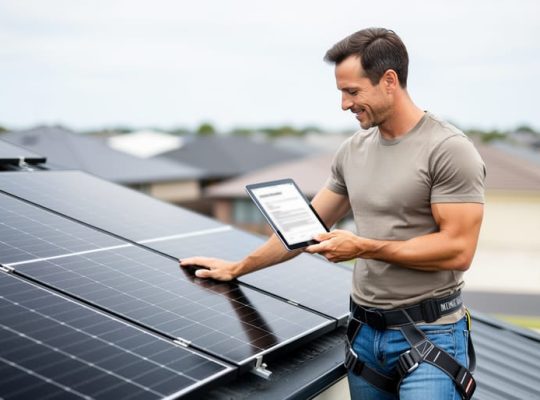
A solar PPA suits most buyers who want lower, performance-linked energy costs with no upfront spend, while a lease is the better fit for those who value…
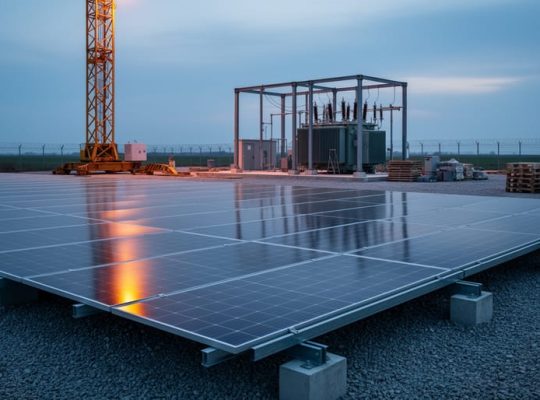
Bridge construction loans provide short-term financing that covers the gap between initial solar project development costs and the disbursement of permanent, long-term capital. Typically ranging from six months to three years, these loans enable developers to begin construction immediately while arranging tax equity partnerships, securing institutional financing, or awaiting project completion milestones that trigger permanent funding. The typical bridge loan covers 70-85% of project costs at interest rates between 8-12% annually, significantly higher than permanent financing but essential for maintaining project momentum and meeting …
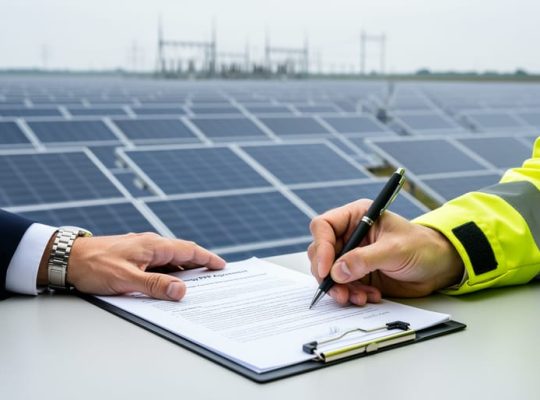
Solar public-private partnerships (PPPs) are contractual agreements where government entities and private companies collaborate to finance, design, build, and operate solar energy infrastructure, sharing both investment costs and long-term benefits. These PPP models solve a persistent challenge: how to deploy utility-scale solar installations when public budgets are constrained and private developers need stable, long-term offtake commitments.
The mechanism works through risk-sharing. …

Public-private partnerships have emerged as transformative mechanisms for accelerating solar energy deployment worldwide, combining governmental policy support with private sector efficiency and innovation. These collaborative frameworks enable large-scale photovoltaic projects that neither sector could feasibly execute independently, addressing critical infrastructure gaps while advancing renewable energy targets.
Understanding how PPPs function in practice requires examining specific implementations across diverse markets and regulatory environments. Successful solar PPPs typically involve risk-sharing agreements where public …
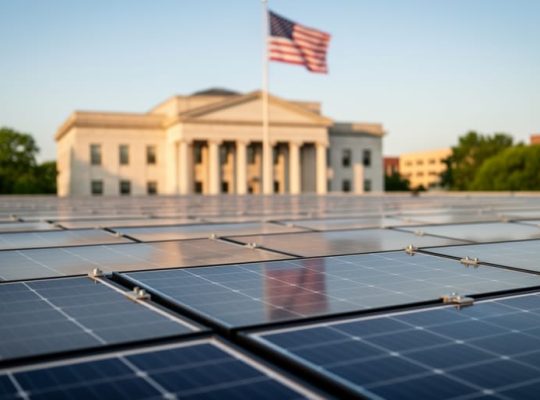
Understand Qualified Energy Conservation Bonds as tax-credit bonds authorized under the Emergency Economic Stabilization Act of 2008, specifically designed to finance renewable energy projects including solar installations for state, local, and tribal governments. These financial instruments differ fundamentally from traditional municipal bonds by providing bondholders with federal tax credits rather than interest payments, effectively reducing borrowing costs for public entities to near-zero rates.
Recognize the allocation system where $3.2 billion in bonding authority was distributed nationally, with 70% designated for state and …

HHC gummies manufacturing demands substantial energy consumption—from extraction and infusion processes to climate-controlled curing rooms and packaging operations. As production scales to meet growing demand, you can buy THCP gummies herewhile electricity costs can comprise 15-30% of total operational expenses, directly impacting profit margins in an increasingly competitive market.
Solar photovoltaic (PV) systems present a transformative solution for HHC manufacturers seeking energy independence and cost predictability. Modern commercial solar …
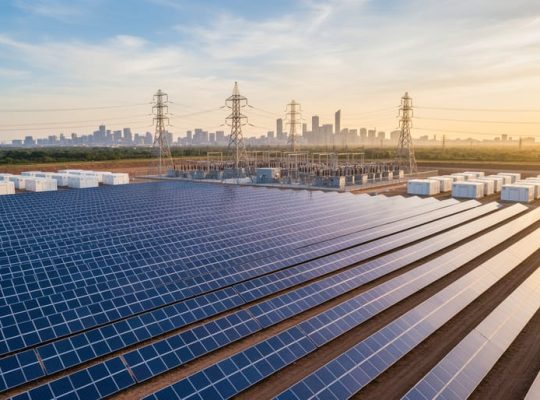
Solar photovoltaic infrastructure has emerged as a cornerstone of impact investing portfolios, delivering measurable environmental benefits alongside competitive financial returns. Unlike traditional renewable energy investments that rely solely on government subsidies, modern PV assets generate revenue through multiple mechanisms: long-term power purchase agreements, capacity payments, and increasingly, merchant market participation. This maturation has transformed solar from a niche impact play into a mainstream institutional asset class, with utility-scale projects demonstrating internal rates of return between 6-12% while displacing …

**Avoid payday loans entirely for solar panel financing—these short-term, high-interest products fundamentally contradict the long-term investment nature of photovoltaic systems.** While low apr payday loans may seem accessible when facing upfront solar costs, their typical 14-30 day repayment terms and APRs exceeding 400% create financial distress rather than solutions.
Solar installations represent capital investments spanning 25-30 years, requiring financing mechanisms aligned with their extended payback periods and energy savings trajectories. Payday loans, designed for emergency …
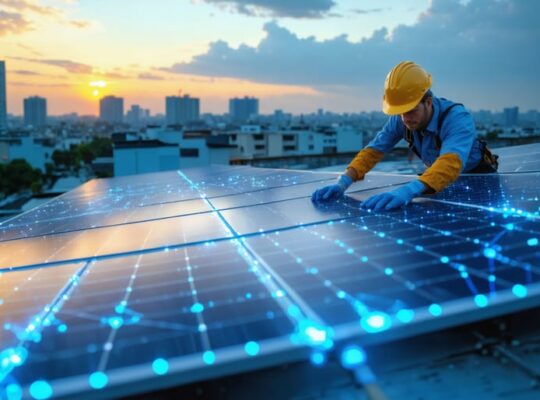
Solar energy projects face a persistent financing paradox: while costs have plummeted 90% over the past decade, accessing capital remains prohibitively complex for distributed installations, community projects, and emerging markets. Traditional financial intermediaries impose high transaction costs, lengthy approval processes, and geographic limitations that exclude millions of potential solar adopters from participating in the clean energy transition.
Blockchain technology offers a transformative solution by creating decentralized financial infrastructure specifically designed for renewable energy transactions. Through smart …
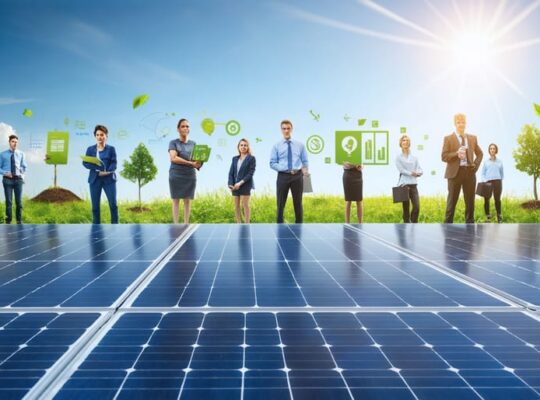
Nonprofit organizations can now leverage multiple solar grant opportunities to achieve substantial solar investment returns while advancing their environmental missions. The Federal Solar Investment Tax Credit (ITC) offers nonprofits innovative financing structures through third-party partnerships, enabling access to tax incentives traditionally unavailable to tax-exempt organizations. State-level grant programs, including the Solar for All initiatives and community solar projects, provide dedicated …
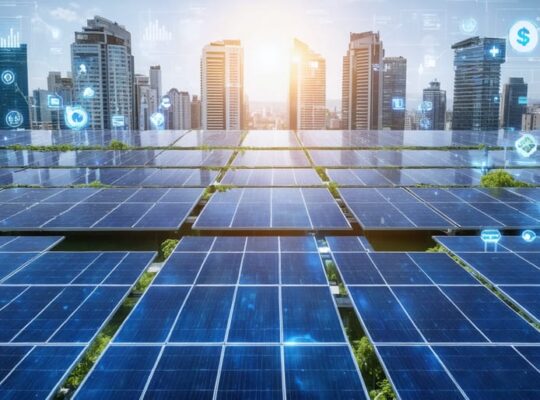
Solar panel investing represents one of the most dynamic opportunities in today’s renewable energy landscape, offering both substantial financial returns and measurable environmental impact. As global solar installations surged past 1,000 GW in 2022, investors are increasingly recognizing the sector’s potential for long-term value creation. From utility-scale solar projects delivering steady cash flows to innovative solar technology startups disrupting traditional energy markets, the investment opportunities span multiple risk-return profiles.
The convergence of falling production costs, improving technology efficiency, …
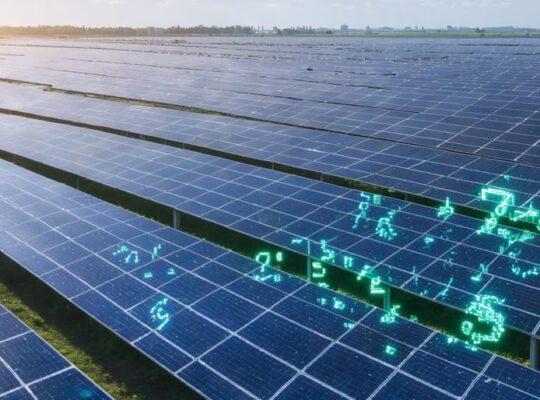
Transform your renewable energy vision into reality through innovative green energy project development, backed by robust sustainable financing fundamentals. From utility-scale solar installations to community wind farms, the growing demand for clean energy solutions presents unprecedented opportunities for investors, developers, and environmental champions.
Green energy projects now deliver compelling returns while addressing critical climate challenges. Whether implementing rooftop solar arrays, developing biomass facilities, or launching cutting-edge energy storage systems, successful initiatives require careful planning, …