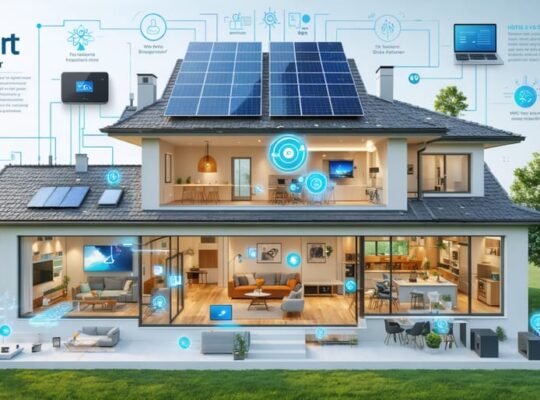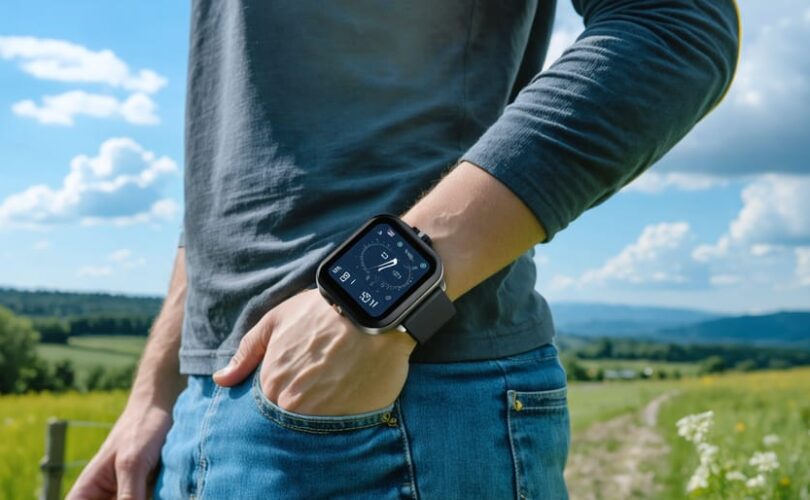
Solar-powered personal weather stations represent a breakthrough in sustainable environmental monitoring, combining renewable energy with advanced meteorological technology. These autonomous devices harness solar energy to power an array of sophisticated sensors that measure temperature, humidity, wind speed, precipitation, and atmospheric pressure with professional-grade accuracy.
By integrating photovoltaic cells with high-efficiency energy storage systems, modern weather stations operate continuously without requiring grid power or frequent maintenance. This self-sufficiency makes them ideal for remote locations, urban rooftops, and agricultural settings where traditional power sources may be impractical or unavailable.
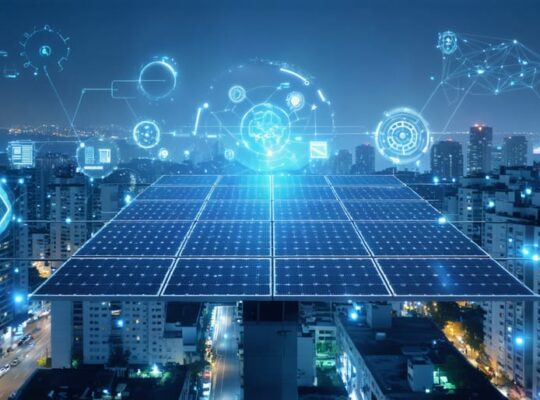
The convergence of solar technology and Internet of Things (IoT) connectivity has transformed these devices from simple weather monitors into comprehensive environmental data hubs. Real-time data transmission capabilities allow users to access detailed weather information remotely, contribute to citizen science initiatives, and make informed decisions about outdoor activities, agricultural operations, or energy consumption patterns.
For professionals and enthusiasts alike, solar-powered weather stations offer an environmentally conscious solution to personal meteorological monitoring, while advancing our understanding of local climate patterns and contributing to broader environmental research efforts.
The Technology Behind Wearable Weather Stations
Solar PV Integration
The integration of solar photovoltaic technology into personal weather stations represents a significant advancement in sustainable environmental monitoring. Modern miniaturized solar cells, specifically designed for compact weather monitoring devices, utilize high-efficiency monocrystalline or polycrystalline silicon technology to maximize power generation in limited surface areas. These cells are engineered to perform optimally even under variable weather conditions, making them ideal for continuous outdoor operation.
Power management systems play a crucial role in maintaining device functionality through sophisticated charge controllers and energy storage solutions. Advanced maximum power point tracking (MPPT) algorithms ensure optimal power harvest from the solar panels, while intelligent power distribution systems regulate energy flow to various sensors and communication modules. This integration with smart solar monitoring solutions enables efficient energy utilization and storage management.
The latest power management circuits incorporate ultra-low-power microcontrollers and high-efficiency DC-DC converters, reducing energy waste and extending operational lifespan. Backup battery systems, typically utilizing lithium-ion technology, ensure continuous operation during periods of limited solar exposure. These systems are designed with protective circuits to prevent overcharging and deep discharge, maintaining battery health and system reliability.
Modern solar PV integration also features adaptive power modes that adjust sensor sampling rates and transmission frequencies based on available energy, ensuring consistent data collection while optimizing power consumption.
Sensor Technologies
A solar-powered personal weather station incorporates multiple sophisticated sensors to measure and monitor various environmental parameters with high precision. The primary sensor array typically includes a thermometer that measures ambient temperature with an accuracy of ±0.5°C, utilizing either thermistors or digital temperature sensors for reliable readings across diverse weather conditions.
Humidity monitoring is achieved through capacitive humidity sensors, which measure relative humidity percentages by detecting changes in electrical capacitance caused by moisture variations. These sensors typically offer accuracy levels of ±2-3% and are crucial for understanding atmospheric moisture content.
Barometric pressure sensors employ MEMS (Micro-Electro-Mechanical Systems) technology to measure atmospheric pressure changes, providing insights into weather pattern shifts and potential precipitation events. Modern pressure sensors achieve accuracy within ±1 hPa, enabling reliable weather forecasting capabilities.
Additional environmental parameters are monitored through specialized sensors, including:
– Anemometers for wind speed and direction measurement
– Rain gauges for precipitation quantification
– UV sensors for ultraviolet radiation monitoring
– Light sensors for measuring solar radiation intensity
– Air quality sensors for detecting particulate matter
These sensors operate with minimal power consumption, making them ideal for solar-powered applications. Data from multiple sensors is integrated through a microcontroller, which processes and transmits readings to the station’s display unit or connected devices. Regular calibration and maintenance ensure sustained accuracy and reliability of measurements across varying environmental conditions.
Design and Functionality
Wearable Form Factors
Personal weather stations can be worn in various configurations to accommodate different user needs and activities. Common form factors include wrist-mounted designs, which integrate seamlessly with existing smartwatch platforms and offer convenient access to real-time weather data. Clip-on modules attach to backpacks or clothing, providing flexibility while maintaining optimal solar panel exposure.
Design considerations for wearable weather stations prioritize both functionality and user comfort. The solar panels must be positioned to maximize energy collection while remaining unobtrusive. Lightweight materials and ergonomic designs ensure long-term wearability, with weather-resistant housings protecting sensitive components from environmental factors.
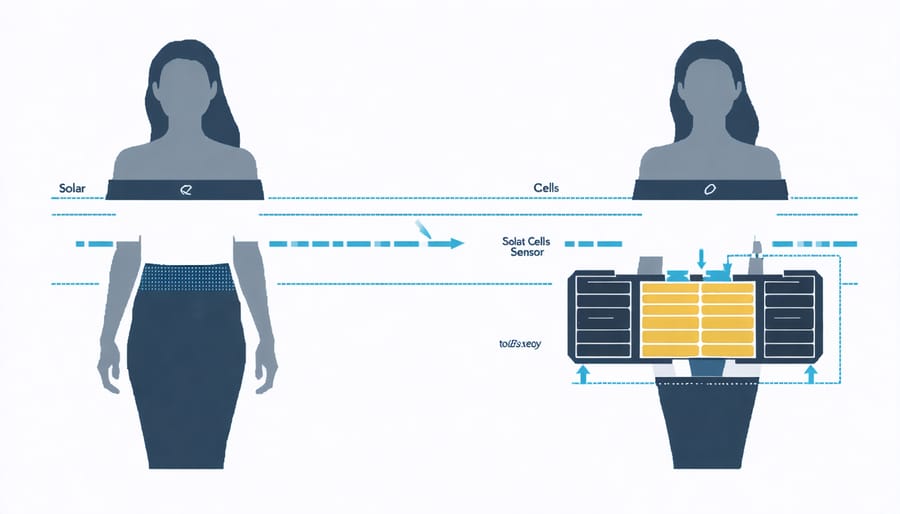
Modular configurations allow users to customize their setup based on specific monitoring requirements. Some models feature detachable sensors that can be positioned separately from the main unit, enabling more accurate readings while maintaining the device’s wearable nature. The integration of flexible solar cells and curved surfaces helps conform to body contours, improving both aesthetics and practical utility.
Size optimization remains crucial, balancing the need for adequate solar collection area with portability. Advanced miniaturization techniques help achieve this balance while maintaining measurement accuracy and reliability.
Data Collection and Display
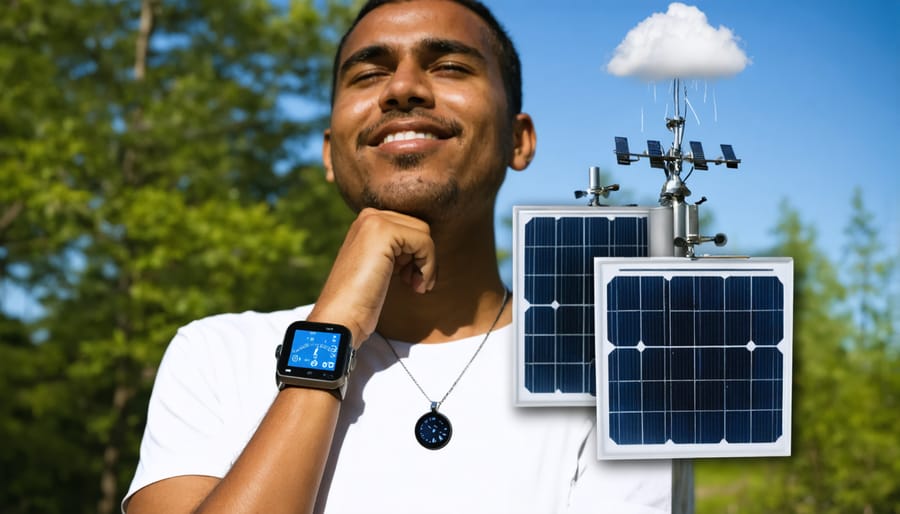
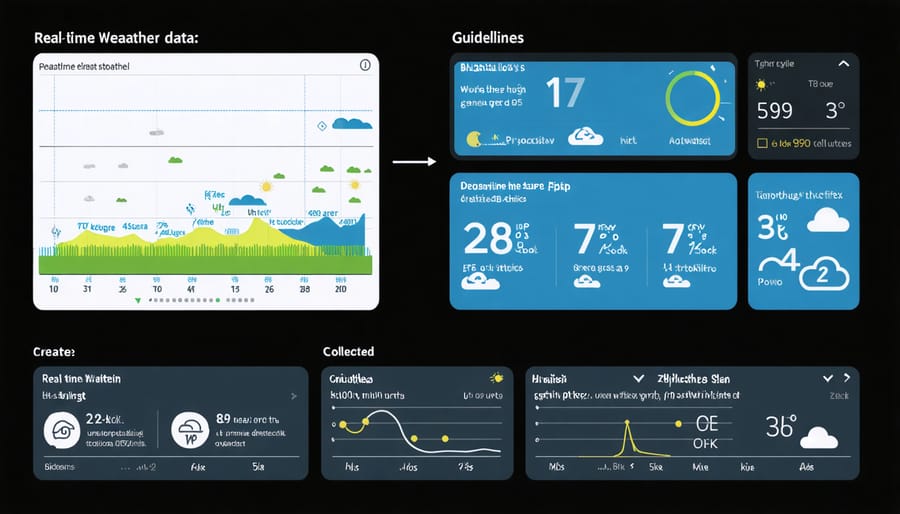
The data collection and display interface of a solar-powered weather station serves as the primary means of interaction between users and environmental measurements. Modern systems typically feature a high-contrast LCD or OLED display that presents real-time weather parameters while optimizing power consumption. These displays are designed to remain visible in various lighting conditions, ensuring data accessibility throughout the day.
Most contemporary weather stations offer multiple visualization options, including numerical readings, trend graphs, and historical data comparisons. The interface often incorporates intuitive navigation controls, allowing users to cycle through different meteorological parameters such as temperature, humidity, wind speed, and atmospheric pressure.
Data logging capabilities enable the storage of measurements at user-defined intervals, typically ranging from minutes to hours. Many systems now integrate wireless connectivity protocols like Wi-Fi or Bluetooth, facilitating seamless data transmission to mobile devices or cloud platforms. This connectivity enables remote monitoring and the creation of comprehensive weather databases for analysis.
Advanced models feature customizable alert thresholds for specific weather conditions and automated reporting functions. The display interface may also include system status indicators for solar charging efficiency and battery levels, ensuring optimal operation of the weather station.
Connectivity Features
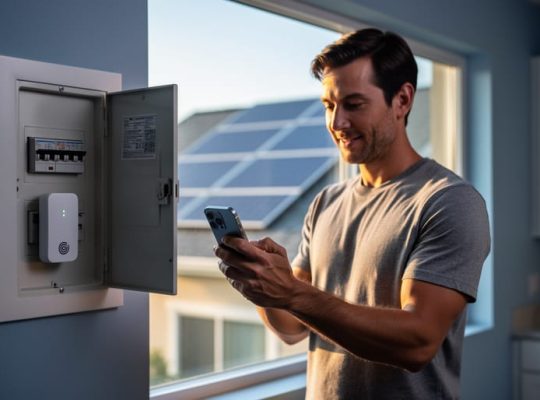
Modern solar-powered weather stations excel in their advanced connectivity features, enabling comprehensive data collection and sharing capabilities. These devices typically incorporate Wi-Fi, Bluetooth, or cellular connectivity options, facilitating real-time data transmission to cloud-based platforms and mobile applications. Through seamless solar integration, these stations maintain consistent connectivity without compromising power efficiency.
Many stations support integration with popular smart home ecosystems, including Amazon Alexa, Google Home, and Apple HomeKit, allowing users to access weather data through voice commands or automated routines. API support enables data sharing with weather networks and research institutions, contributing to broader climate monitoring initiatives.
Advanced models feature direct connectivity to weather forecasting services, combining local measurements with regional data to provide more accurate predictions. Data logging capabilities ensure continuous recording even during temporary connection losses, with automatic synchronization once connectivity is restored. These systems often include customizable alert thresholds for specific weather conditions, delivering notifications through smartphone applications or email.
Standard communication protocols such as MQTT and HTTP ensure compatibility with third-party applications and data analysis tools, making these stations valuable for both personal and professional weather monitoring applications.
Applications and Benefits
Personal Environmental Awareness
Personal weather stations powered by solar energy offer individuals unprecedented insight into their immediate environmental conditions, enabling informed decisions about health and daily activities. These devices continuously monitor various parameters including air quality, UV levels, and particulate matter, providing real-time data that can be particularly valuable for individuals with respiratory conditions or sensitivity to environmental factors.
Integration with user-friendly solar systems ensures consistent operation while promoting sustainable monitoring practices. The data collected helps users understand localized climate patterns and their potential health implications, such as identifying peak pollen times or dangerous UV exposure periods.
These monitoring systems also contribute to broader environmental awareness by enabling users to track changes in their local microclimate over time. This personal connection to environmental data often leads to increased engagement with sustainability initiatives and more informed decision-making regarding outdoor activities and energy consumption patterns.
The correlation between personal environmental monitoring and health management has become increasingly significant, with many healthcare providers now recommending these devices for patients with environmental sensitivities. The accessibility of this data empowers individuals to make proactive decisions about their outdoor exposure and daily routines, while contributing to larger citizen science initiatives through data sharing platforms.
Crowd-Sourced Weather Data
Solar-powered personal weather stations play a vital role in expanding our understanding of local and regional weather patterns through crowd-sourced data collection. By connecting these devices to larger weather monitoring networks, individual users contribute valuable meteorological information that enhances weather forecasting accuracy and climate research.
Major weather data networks, such as Weather Underground and the Climate Reference Network, integrate data from thousands of personal weather stations worldwide. This collaborative approach creates a dense network of monitoring points that fill gaps between traditional weather stations, particularly in urban and remote areas where official monitoring infrastructure may be limited.
The solar-powered nature of these stations ensures consistent data collection and transmission, making them reliable contributors to these networks. Users can share real-time measurements of temperature, humidity, precipitation, wind speed, and atmospheric pressure. This data helps meteorologists validate weather models, track microclimate variations, and improve local forecast accuracy.
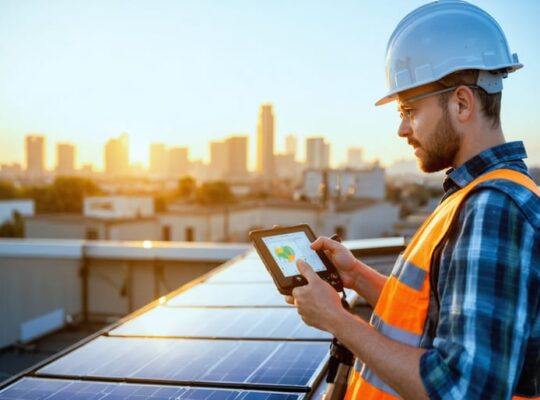
Many citizen science initiatives and research institutions actively encourage the deployment of solar-powered weather stations. These programs often provide standardized guidelines for station setup and maintenance to ensure data quality. Educational institutions frequently incorporate these networks into their curriculum, enabling students to participate in real-world scientific data collection while learning about meteorology and renewable energy applications.
The aggregated data from these networks also supports urban planning, agricultural decision-making, and climate change research, demonstrating the broader societal impact of individual weather monitoring efforts.
Future Developments
Advanced Solar Integration
Recent advancements in photovoltaic technology have revolutionized the efficiency and reliability of solar-powered weather stations. The integration of high-performance monocrystalline silicon cells, combined with adaptive PV design, has significantly improved energy harvesting capabilities even in suboptimal lighting conditions.
Modern solar-powered weather stations now incorporate maximum power point tracking (MPPT) controllers, which optimize power extraction by continuously adjusting the electrical operating point of the solar panels. This technology ensures consistent performance across varying atmospheric conditions and temperatures, maintaining reliable data collection throughout the day.
The implementation of advanced energy storage solutions, such as lithium iron phosphate (LiFePO4) batteries, provides extended operational capacity during periods of limited sunlight. These batteries offer superior cycle life and enhanced safety compared to traditional lead-acid alternatives, while maintaining stable voltage output for sensitive meteorological instruments.
Innovative surface treatments and anti-soiling coatings have been developed to minimize maintenance requirements and maximize solar panel efficiency. These self-cleaning properties ensure optimal light transmission and reduce the impact of environmental factors on power generation capability, ultimately extending the service life of the weather station system.
Enhanced Sensing Capabilities
Modern solar-powered weather stations incorporate advanced sensor technologies that significantly expand their monitoring capabilities beyond basic weather parameters. These enhanced sensing systems utilize high-precision digital sensors to measure a comprehensive range of environmental conditions with exceptional accuracy.
Contemporary stations feature multi-parameter sensors that simultaneously monitor temperature, humidity, barometric pressure, and wind conditions. Advanced precipitation sensors employ sophisticated tipping bucket mechanisms and optical sensors to measure both rain intensity and accumulation with improved precision. UV radiation sensors provide detailed information about solar exposure levels, while specialized photometers measure solar illuminance and ambient light conditions.
Many current models include air quality monitoring capabilities, incorporating particulate matter (PM2.5 and PM10) sensors and volatile organic compound (VOC) detectors. Soil monitoring sensors measure moisture content, temperature, and conductivity at various depths, providing valuable data for agricultural applications.
The integration of these sensors with modern microprocessors enables real-time data processing and analysis. Advanced calibration algorithms compensate for environmental factors that might affect sensor accuracy, while smart filtering techniques reduce noise and improve measurement reliability. This comprehensive sensing capability, powered by solar energy, ensures continuous environmental monitoring while maintaining energy efficiency and operational reliability.
Solar-powered personal weather stations represent a significant advancement in environmental monitoring technology, combining sustainable energy with wearable innovation to empower individuals with real-time meteorological data. These devices demonstrate the remarkable potential of integrating renewable energy solutions into everyday applications, while simultaneously addressing the growing demand for personalized environmental awareness.
The impact of these devices extends beyond individual use, contributing valuable data to larger weather monitoring networks and citizen science initiatives. By enabling users to gather and share localized weather information, these stations enhance our collective understanding of microclimate variations and support more accurate weather predictions at the community level.
Looking ahead, the potential for further development in this field is substantial. Advances in photovoltaic technology continue to improve power efficiency, while miniaturization of sensors and components promises even more compact and capable devices. The integration of artificial intelligence and machine learning capabilities could transform these stations into predictive tools, offering personalized weather insights and environmental recommendations.
The convergence of solar power, IoT connectivity, and environmental monitoring in these devices exemplifies the future of sustainable technology. As climate awareness grows and technology evolves, solar-powered personal weather stations will likely play an increasingly important role in environmental monitoring, scientific research, and personal decision-making, while maintaining their commitment to renewable energy principles.
These innovations represent a crucial step toward a more environmentally conscious and data-driven approach to understanding and responding to our local weather conditions, all powered by clean, renewable solar energy.