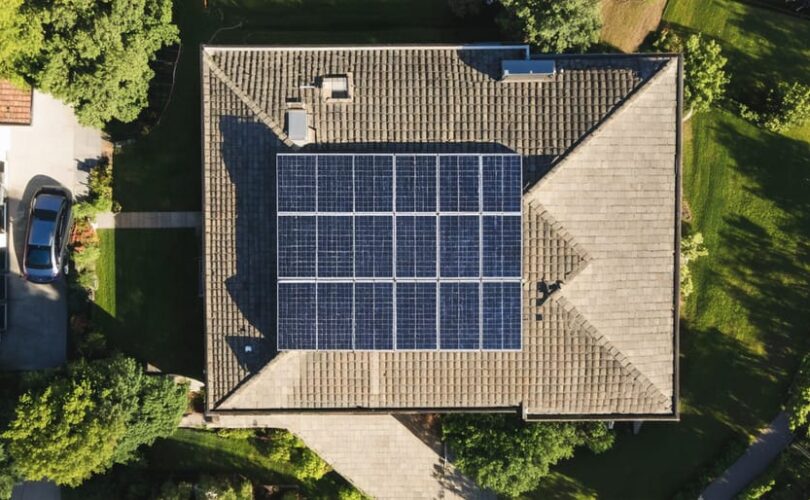
Installing a 5kW solar system independently requires precise planning, technical expertise, and adherence to safety protocols. Implementing digital twin technology for solar PV systems during the design phase optimizes performance and prevents costly installation errors. This comprehensive DIY project typically costs between $5,000-$7,000 in materials, representing a 40-60% savings compared to professional installation. Modern solar installations demand integration with smart monitoring systems, precise roof load calculations, and compliance with local electrical codes. While challenging, a DIY 5kW solar system installation empowers homeowners to take control of their energy production while developing valuable technical skills. This guide presents a systematic approach to planning, designing, and implementing your solar power system, ensuring optimal performance and regulatory compliance throughout the installation process.
Digital Twin Fundamentals for 5kW Solar Systems
Components and Data Requirements
A 5kW DIY solar system requires careful component selection to ensure optimal performance and longevity. The primary components include twenty 250-watt solar panels or sixteen 315-watt panels, depending on their efficiency ratings. A grid-tie inverter rated at 5kW or higher is essential for converting DC power to AC power compatible with household systems.
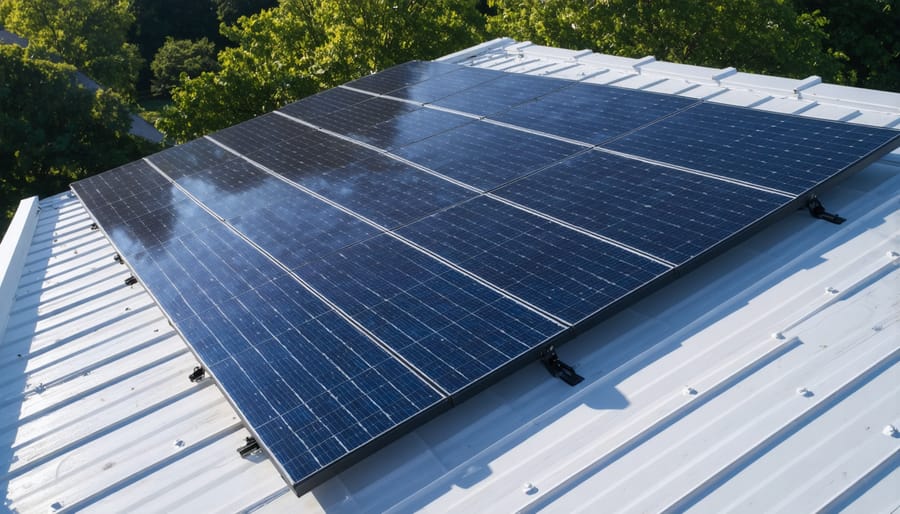
The mounting system comprises rails, clamps, and brackets suitable for your roof type and angle. You’ll need MC4 connectors and solar cable (typically 10 AWG) for safe electrical connections between panels. A DC disconnect switch and AC disconnect switch are mandatory safety components, along with appropriate circuit breakers and surge protection devices.
For monitoring capabilities, include a solar charge controller with data logging features and communication interfaces. Essential tools encompass a multimeter, wire strippers, crimping tools, and torque wrenches calibrated for solar installation specifications.
Documentation requirements include electrical diagrams, permit applications, and interconnection agreements with your utility company. System design software or calculator tools help determine optimal panel placement and expected energy production based on your geographical location.
Safety equipment is crucial: personal protective equipment (PPE), including fall protection gear for roof work, electrical safety gloves, and appropriate footwear. Additionally, acquire grounding equipment and lightning protection components as required by local building codes.
Sensor Integration Framework
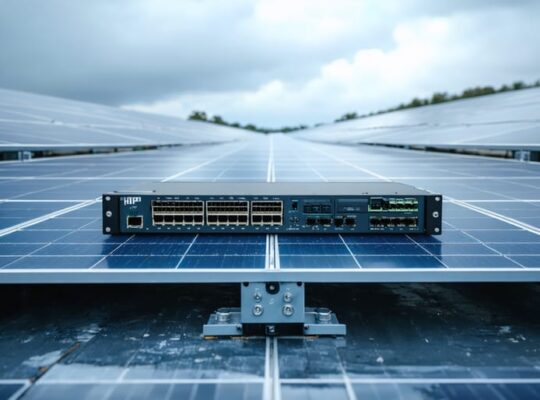
An effective digital twin implementation requires comprehensive sensor integration and monitoring systems to accurately capture real-time performance data. For a 5kW solar installation, essential monitoring equipment includes voltage sensors, current transformers, and irradiance meters positioned at strategic points throughout the system.
Key sensor components typically include:
– DC voltage sensors at string level
– AC current sensors at inverter output
– Temperature sensors for panels and ambient conditions
– Pyranometers for solar irradiance measurement
– Weather stations for environmental data collection
These sensors should connect to a central data acquisition system (DAQ) that processes and transmits information to your digital twin platform. Modern DAQ systems often feature wireless connectivity options, allowing for flexible installation and reduced cabling requirements.
For optimal accuracy, maintain calibration schedules for all sensors:
– Voltage and current sensors: Annual calibration
– Temperature sensors: Bi-annual verification
– Irradiance meters: Quarterly cleaning and annual calibration
– Weather stations: Monthly maintenance checks
When selecting sensors, prioritize those with industry-standard communication protocols like Modbus RTU or TCP/IP to ensure compatibility with your monitoring platform. This standardization facilitates seamless data integration and enables comprehensive system analysis for performance optimization.
Setting Up Your Digital Twin Environment
Software Platform Selection
Several digital twin platforms are available for modeling and monitoring 5kW solar PV systems, each offering distinct advantages. PVsyst stands out as an industry standard, providing comprehensive simulation capabilities and detailed performance analysis specifically designed for photovoltaic applications. It excels in accurate energy yield predictions and shade analysis, making it particularly valuable for DIY installations.
HelioScope offers an intuitive interface with advanced 3D modeling capabilities, allowing users to create detailed system designs and perform sophisticated performance simulations. Its cloud-based platform facilitates easy collaboration and data sharing, which is beneficial for consulting with experts during the DIY process.
Aurora Solar combines system design, performance modeling, and financial analysis tools, making it suitable for both technical planning and economic assessment. The platform’s automatic shading analysis and requirement calculations help ensure compliance with local regulations.
For those seeking open-source alternatives, SAM (System Advisor Model) by NREL provides robust modeling capabilities without licensing costs. It features detailed technical specifications and comprehensive documentation, supporting DIY enthusiasts in making informed decisions.
When selecting a platform, consider factors such as:
– User interface complexity
– Available training resources
– Hardware requirements
– Cost implications
– Integration capabilities with monitoring systems
– Export options for documentation
– Technical support availability
The choice of software platform significantly impacts the accuracy of system modeling and the efficiency of the installation process.
Data Collection Architecture
A robust data collection architecture is essential for monitoring and optimizing a 5kW DIY solar system’s performance. The framework typically consists of three primary components: sensors, data acquisition devices, and a central processing unit. Temperature sensors are strategically placed on solar panels and inverters, while voltage and current sensors monitor electrical output at key points in the system.
For comprehensive monitoring, install irradiance sensors to measure solar intensity and weather stations to track environmental conditions. These components connect to a data logger or microcontroller, such as Arduino or Raspberry Pi, which samples and records measurements at predetermined intervals.
The system should incorporate both wired and wireless communication protocols. Wired connections, using RS485 or Modbus, provide reliable data transmission from nearby sensors, while wireless protocols like WiFi or LoRaWAN enable communication with remote monitoring stations.
Data processing occurs in real-time through the central processing unit, which analyzes performance metrics and system efficiency. This information is stored in a local database and can be synchronized with cloud storage for backup and remote access. Implementation of error detection algorithms helps identify system anomalies and potential maintenance requirements.
For optimal performance tracking, configure the system to record data at 15-minute intervals, storing key parameters such as power output, panel temperature, and system efficiency. This sampling rate provides sufficient detail for analysis while managing storage requirements effectively.

Model Creation and Validation
The digital twin model for a 5kW solar system requires careful attention to detail during creation and validation phases. The process begins with collecting baseline data from physical system components, including solar panel specifications, inverter characteristics, and site-specific parameters such as geographical location and shading patterns.
Using specialized simulation software, we construct a virtual representation that mirrors the physical installation. This model incorporates key performance indicators such as power output, voltage levels, and efficiency metrics. The simulation accounts for various environmental factors, including solar irradiance, temperature variations, and weather conditions typical to the installation location.
Validation occurs through a systematic comparison of the digital twin’s predicted performance against actual system measurements. This involves collecting real-time data over several weeks, analyzing power generation patterns, and adjusting model parameters to improve accuracy. Key validation metrics include daily energy yield, peak power output, and system efficiency.
Testing procedures focus on various operational scenarios, including optimal conditions and stress situations. The model undergoes rigorous verification through different seasons and weather conditions to ensure reliable predictions. Performance deviations between the digital twin and physical system should remain within a 3-5% margin for acceptable accuracy.
The validated model serves as a valuable tool for system optimization, maintenance planning, and performance forecasting, enabling proactive management of the solar installation.
Performance Optimization Through Digital Twin Analysis
Real-time Monitoring Strategies
Effective monitoring of a 5kW DIY solar system requires implementing a comprehensive data collection and analysis strategy. Modern monitoring solutions combine hardware sensors with sophisticated software platforms to provide real-time insights into system performance. Key parameters to monitor include power output, voltage levels, current flow, and environmental conditions affecting solar panel efficiency.
Installing a smart monitoring system with remote access capabilities allows homeowners to track system performance through mobile applications or web interfaces. These platforms typically provide detailed analytics, including daily energy production graphs, consumption patterns, and system health indicators. Integration with weather forecasting data helps predict expected output and identify potential performance issues before they become critical.
Advanced monitoring solutions now incorporate AI-powered performance optimization algorithms that analyze historical data to suggest maintenance schedules and efficiency improvements. These systems can detect anomalies in performance metrics, automatically alert owners to potential problems, and provide troubleshooting guidance.
Essential monitoring components include:
– Power meters for accurate production measurement
– Weather stations for environmental data collection
– Internet-connected data loggers
– Current and voltage sensors
– Temperature monitoring devices
Regular data analysis helps identify trends, optimize system efficiency, and ensure the solar installation meets expected performance targets while maintaining long-term reliability.
Predictive Maintenance Implementation
Digital twin technology revolutionizes maintenance planning for 5kW solar systems by creating virtual replicas that enable predictive analytics and optimization. Through continuous monitoring of system parameters, the digital twin collects real-time data on inverter performance, panel efficiency, and environmental conditions, allowing for precise maintenance scheduling and performance optimization.
The implementation process begins with establishing baseline performance metrics and connecting IoT sensors to key system components. These sensors transmit data to a centralized platform where machine learning algorithms analyze patterns and predict potential failures before they occur. This proactive approach significantly reduces downtime and maximizes system efficiency.
Key maintenance parameters monitored include panel degradation rates, inverter efficiency, connection integrity, and thermal characteristics. The digital twin platform generates automated maintenance alerts based on predetermined thresholds and historical performance data. This enables system owners to schedule preventive maintenance during optimal weather conditions and minimize production losses.
For DIY solar installations, the digital twin interface provides detailed visualization of system health and performance metrics through user-friendly dashboards. Users can access comprehensive maintenance guides, troubleshooting workflows, and performance optimization recommendations based on their specific system configuration and local environmental conditions.
By leveraging predictive maintenance capabilities, system owners can extend equipment lifespan, reduce operational costs, and maintain optimal energy production throughout the system’s lifecycle. Regular calibration of the digital twin ensures accurate representation of the physical system and reliable maintenance predictions.
Performance Analysis and Reporting
Performance monitoring of a 5kW DIY solar system through digital twin technology enables comprehensive analysis and data-driven optimization. By implementing advanced digital operations management solutions, system owners can track key performance indicators (KPIs) in real-time, including power output, conversion efficiency, and environmental impact metrics.
The digital twin platform generates detailed performance reports that highlight system efficiency, energy yield patterns, and potential optimization opportunities. These reports typically include daily, monthly, and annual production data, comparing actual performance against predicted values based on environmental conditions and system specifications.
Critical metrics monitored include:
– Peak power generation during optimal conditions
– Total energy production over specific time periods
– System losses and efficiency ratings
– Temperature effects on panel performance
– Inverter efficiency and operational status
– Grid interaction and export patterns
Advanced analytics capabilities enable predictive maintenance scheduling by identifying performance degradation patterns before they significantly impact system output. The platform can also simulate various optimization scenarios, helping system owners make informed decisions about potential upgrades or modifications to improve overall system performance.
This data-driven approach ensures that DIY solar installations maintain optimal performance while providing valuable insights for future system improvements and maintenance planning.
Troubleshooting and Optimization
Common Implementation Challenges
Installing a 5kW solar system as a DIY project presents several common challenges that require careful consideration and planning. One significant hurdle is ensuring proper roof structural integrity, as solar panels and mounting equipment add considerable weight to existing structures. Installers must accurately assess load-bearing capacity and make necessary reinforcements before proceeding.
Electrical integration poses another crucial challenge, particularly when connecting to the main electrical panel. Many DIY installers encounter difficulties with proper wire sizing, circuit protection, and grounding requirements. Meeting local electrical codes and obtaining necessary permits can be complex, requiring thorough documentation and multiple inspections.
Panel orientation and shading analysis often present unexpected complications. Achieving optimal tilt angles while maintaining weatherproof roof penetrations requires precise measurements and appropriate mounting solutions. Shadow patterns from nearby structures or vegetation can significantly impact system performance if not properly evaluated during planning.
Safety considerations during installation present additional challenges. Working at height requires appropriate fall protection equipment and safety protocols. Managing heavy panels and navigating steep roof surfaces demands careful coordination and proper lifting techniques.
Component compatibility issues frequently arise when sourcing materials independently. Ensuring all system components work together effectively, from inverters to mounting hardware, requires detailed research and verification of specifications. Warranty considerations must also be carefully evaluated when mixing components from different manufacturers.
System Optimization Tips
To maximize the performance of your 5kW DIY solar system, implementing proper smart PV system optimization strategies is essential. Begin by ensuring optimal panel orientation, typically between 30-45 degrees depending on your geographical location, and maintain regular cleaning schedules to prevent dust accumulation that can reduce efficiency by up to 25%.
Monitor system voltage and current levels consistently through integrated sensors, adjusting charge controller settings to match battery specifications and load requirements. Implement automated data collection to track performance metrics, enabling quick identification of efficiency drops or potential component issues.
Consider installing micro-inverters or power optimizers to minimize the impact of partial shading and enhance overall system output. Regular maintenance checks should include examining connection points for corrosion, verifying proper ventilation around components, and updating system firmware when available.
Utilize weather forecasting integration to optimize energy storage and consumption patterns. During peak sunlight hours, prioritize running high-energy appliances to maximize direct solar power usage. Configure your battery management system to maintain optimal depth of discharge levels, typically between 20-80%, to extend battery life and ensure system reliability.
Document all optimization adjustments and their impacts on system performance, creating a baseline for future improvements and troubleshooting efforts.
Installing a 5kW solar system as a DIY project represents a significant undertaking that requires careful planning, technical knowledge, and adherence to safety protocols. Throughout this comprehensive guide, we’ve explored the essential components, tools, and steps necessary for successful implementation. The financial benefits of self-installation are substantial, potentially saving 30-50% compared to professional installation costs, while still achieving optimal system performance.
However, it’s crucial to emphasize that DIY solar installation isn’t suitable for everyone. Success depends on thorough research, understanding of electrical systems, and compliance with local regulations. Future considerations should include regular system maintenance, potential upgrades as technology advances, and optimization of energy consumption patterns to maximize return on investment.
The renewable energy landscape continues to evolve, with improvements in solar panel efficiency, battery storage capabilities, and smart monitoring systems. Those embarking on DIY solar projects should stay informed about these developments and consider how their installation can accommodate future technological advancements.
For optimal results, maintain detailed documentation of your installation process, regularly monitor system performance, and establish a maintenance schedule. Consider joining solar energy communities and forums to share experiences and learn from others’ installations. Remember that while DIY installation offers significant cost savings, safety should never be compromised, and professional consultation may be necessary for complex aspects of the project.
As solar technology becomes increasingly accessible, DIY installations will likely become more streamlined, but the fundamental principles of careful planning, safety consciousness, and regulatory compliance will remain paramount for successful implementation.