Understand that regional climate conditions fundamentally shape every solar installation process—from mounting hardware selection to electrical configuration. Coastal installations demand corrosion-resistant aluminum frames and marine-grade fasteners, while desert environments require enhanced UV-stabilized components and thermal expansion accommodations. Snow-prone regions necessitate steeper tilt angles (typically 40-50 degrees) and reinforced racking systems rated for substantial snow loads, whereas tropical climates benefit from optimized drainage pathways and wind-resistant anchoring methods rated for cyclonic conditions.
Master the five critical phases that define professional residential solar deployment: comprehensive site assessment including shading analysis and structural evaluation, system design optimization based on local irradiance data and utility interconnection requirements, permit acquisition navigating jurisdiction-specific building codes, precision installation following manufacturer specifications and electrical safety standards, and final inspection ensuring compliance with National Electrical Code provisions and regional amendments.
The residential photovoltaic installation sector experiences consistent 20% annual growth, creating substantial demand for qualified professionals who understand both universal installation principles and location-specific adaptations. Whether you’re an aspiring solar technician, contractor expanding service offerings, or homeowner seeking informed decision-making capabilities, comprehending how geographical variables influence installation methodology ensures optimal system performance, longevity, and return on investment. This knowledge foundation proves essential as solar technology continues its trajectory toward mainstream residential energy solutions across diverse climatic zones.
Understanding the Regional Factors That Dictate Installation Methods
Climate Zones and Solar Irradiance Patterns
Understanding regional climate zones proves essential for optimizing residential solar installations. In **tropical climates**, high humidity and frequent precipitation necessitate corrosion-resistant mounting hardware and panels with enhanced moisture protection. These regions benefit from lower mounting angles (10-15 degrees) to facilitate natural rain-based cleaning while maintaining optimal solar capture year-round.
**Arid zones** experience maximum solar irradiance but face extreme temperature fluctuations and dust accumulation. System designers must select panels with superior temperature coefficients and implement elevated mounting structures to promote airflow cooling. Regular maintenance protocols become critical to address dust-related efficiency losses.
**Temperate regions** require variable-angle mounting systems to accommodate seasonal sun path variations. Spring and autumn transitions demand careful consideration of shading patterns from deciduous vegetation. Panel selection focuses on balanced performance across moderate temperature ranges.
**Cold climates** present unique challenges including snow load calculations and ice accumulation prevention. Steeper mounting angles (40-50 degrees) facilitate snow shedding, while bifacial panels capitalize on ground-reflected albedo from snow cover. System designs must account for reduced daylight hours with higher-efficiency modules to maximize winter production. University research collaborations continue advancing climate-specific installation methodologies, informing professional training programs that prepare installers for regional variations.
Weather-Related Installation Considerations
Regional climate conditions significantly influence both material selection and installation methodology for residential photovoltaic systems. In areas with substantial snow accumulation, installers must account for increased structural loads, often requiring reinforced mounting hardware and steeper panel angles to facilitate natural snow shedding. Wind speed data directly determines racking system specifications, with coastal and high-altitude locations necessitating enhanced anchoring solutions and aerodynamic mounting profiles to withstand gusts exceeding 140 mph.
Humidity levels affect electrical component selection and waterproofing protocols. High-humidity regions require specialized junction boxes, marine-grade connectors, and meticulous sealing techniques to prevent moisture infiltration and potential corrosion. Temperature extremes present dual challenges: hot climates demand proper ventilation spacing beneath panels to optimize efficiency, while cold environments require materials rated for thermal contraction and flexible wiring that maintains performance at subzero temperatures.
Professional installers implementing weather-resistant systems must complete region-specific training that addresses local building codes, seasonal installation windows, and climate-appropriate techniques. Material certifications such as IEC 61215 for thermal cycling and IEC 61730 for mechanical stress verification ensure components withstand prevailing environmental conditions throughout the system’s operational lifespan.
Local Building Codes and Permitting Requirements
Navigating local building codes and permitting requirements represents a critical phase in the residential solar installation process, with regulations varying significantly across municipalities, counties, and states. Before commencing any installation, contractors must obtain appropriate permits from local building departments, which typically review structural calculations, electrical schematics, and fire safety plans to ensure compliance with the International Building Code (IBC) and National Electrical Code (NEC).
Regional variations in permitting requirements directly influence installation timelines and approaches. Coastal areas often mandate enhanced corrosion-resistant hardware and wind load calculations, while regions prone to seismic activity require specific mounting system certifications. Some jurisdictions have streamlined permitting through expedited solar programs, reducing approval times from weeks to days, whereas others maintain more rigorous review processes requiring detailed engineering stamps.
Structural requirements differ based on roof age, material, and load-bearing capacity. Local authorities may require roof reinforcement assessments, particularly for older structures or heavy crystalline silicon panel arrays. Additionally, historic districts and homeowners associations frequently impose aesthetic restrictions affecting panel placement and visibility.
Professional installers must maintain current knowledge of evolving code requirements through continuing education programs and collaboration with local building officials. Understanding these regulatory frameworks ensures compliant installations while minimizing costly delays and modifications.
The Residential Solar Installation Process: Core Steps and Regional Variations
Site Assessment and System Design
The site assessment phase establishes the foundation for optimal system performance by evaluating location-specific environmental and structural factors. Professional installers conduct comprehensive roof evaluations, examining orientation, pitch, and structural integrity while considering regional architectural patterns. In coastal areas, assessments prioritize salt-resistant materials and corrosion mitigation strategies, whereas northern climates require analysis of snow load capacity and ice dam risks.
Solar pathfinder tools and specialized software map shading patterns throughout the year, accounting for nearby structures, vegetation, and seasonal sun angle variations. Installers reference regional solar irradiance databases maintained by institutions like the National Renewable Energy Laboratory to calculate expected energy production based on local climate data. These measurements directly influence panel placement recommendations and system sizing decisions.
Regional building codes and utility interconnection requirements significantly impact design specifications. For instance, hurricane-prone regions mandate enhanced mounting systems and specific wind load calculations, while fire-prone areas may require specialized equipment placement setups. Through collaboration with universities and research institutions, leading installation companies continuously refine assessment methodologies to incorporate emerging best practices and regional performance data.
The assessment culminates in a detailed system design proposal specifying panel configuration, inverter selection, mounting hardware, and electrical components tailored to the property’s unique characteristics and local environmental conditions. This customized approach ensures maximum energy production efficiency and long-term system reliability.
Permitting and Interconnection Applications
Navigating permitting and interconnection processes represents one of the most variable aspects of residential solar installation, with requirements differing substantially across jurisdictions. Municipal building permits typically require structural calculations, electrical diagrams, and site plans, though processing timelines range from same-day approvals in solar-friendly communities to 4-8 weeks in regions with less streamlined procedures. Utility interconnection applications similarly vary by provider, with some requiring pre-approval before installation begins while others allow simultaneous construction and review.
Documentation requirements frequently include equipment specifications, installer certifications, proof of insurance, and signed contracts with homeowners. Coastal regions often mandate enhanced wind load calculations and corrosion-resistant materials documentation, while areas prone to seismic activity require additional structural engineering stamps. Some jurisdictions have adopted standardized solar permit applications through programs like SolarAPP+, significantly reducing approval times. Understanding these regional variations proves essential for installation professionals, as permit delays can extend project timelines and increase costs. Academic research institutions increasingly collaborate with permitting authorities to identify best practices that balance safety requirements with deployment efficiency, contributing to more consistent standards nationwide.
Structural Preparation and Mounting System Installation
Structural preparation represents a critical phase where regional factors directly influence installation methodology and material selection. Before mounting hardware placement begins, qualified installers must assess roof load-bearing capacity, existing structural integrity, and potential reinforcement needs—considerations that vary significantly across climatic zones and building codes.
In regions experiencing heavy snowfall, roof reinforcement often becomes necessary to accommodate both solar array weight and accumulated snow loads. The International Building Code (IBC) specifies minimum load requirements, but regional amendments frequently impose stricter standards. Conversely, hurricane-prone coastal areas demand enhanced attachment systems using lag bolts penetrating deeper into rafters, sometimes requiring structural engineers to verify calculations for wind uplift resistance exceeding 180 mph.
Mounting system selection adapts to both structural and environmental conditions. Flush-mounted systems suit standard pitched roofs in temperate climates, while ballasted systems accommodate flat commercial-grade residential roofs common in arid regions. Penetrating mounts require meticulous flashing installation to prevent water intrusion—a particular concern in heavy precipitation areas where ice dam formation threatens seal integrity.
Foundation work for ground-mounted systems varies substantially between soil types. Clay-heavy soils in southeastern regions necessitate deeper concrete footings to counteract expansion-contraction cycles, whereas sandy soils in southwestern territories may require driven piles or helical anchors. Many university-affiliated training programs now incorporate soil analysis modules, recognizing that proper foundation engineering prevents costly structural failures. Through collaboration with engineering departments, these educational initiatives ensure emerging professionals understand how geological surveys inform mounting decisions, ultimately contributing to installation longevity and system performance across diverse regional conditions.
Panel Installation and Electrical Integration
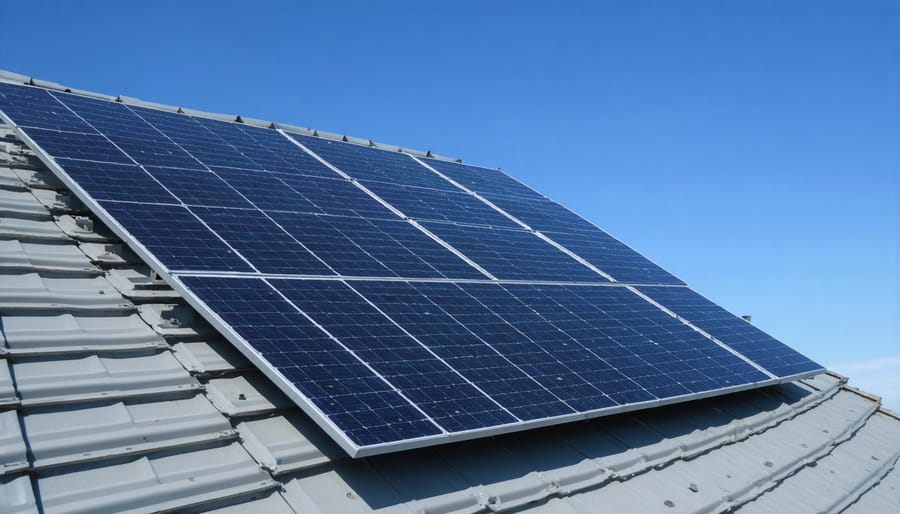
Panel installation represents a critical phase where regional climate conditions significantly influence mounting configurations and electrical integration strategies. Installers must adapt their approach based on local environmental factors to ensure optimal system performance and longevity.
In northern climates with substantial snowfall, panels are typically installed at steeper angles—often 40 to 60 degrees—to facilitate natural snow shedding and prevent accumulation that reduces energy production. Conversely, installations in hot, arid regions prioritize ventilation, requiring elevated mounting systems with 4-6 inches of airflow space beneath panels to dissipate heat and maintain efficiency. Coastal areas demand corrosion-resistant hardware and additional clearance to minimize salt spray accumulation.
Panel spacing varies considerably by location. Snow-prone regions necessitate wider row spacing to prevent shading from accumulated snow on lower arrays, while hurricane-vulnerable areas require reinforced mounting systems with reduced gaps to minimize wind uplift forces. These advanced installation techniques reflect decades of field research and performance data analysis.
Electrical integration methods also adapt regionally. Cold climates utilize junction boxes and conduit rated for extreme temperature fluctuations, while high-humidity areas require enhanced weatherproofing seals. Wiring configurations must comply with National Electrical Code requirements alongside state-specific amendments. Rapid shutdown systems, now mandated in most jurisdictions, vary in complexity based on local fire codes—with some regions requiring panel-level shutdown devices rather than string-level disconnects.
Professional training programs increasingly emphasize these regional adaptations, ensuring installers understand both universal best practices and location-specific requirements essential for code compliance and system reliability.
Region-Specific Installation Techniques Across North America
Northern Climates: Snow Load and Ice Management
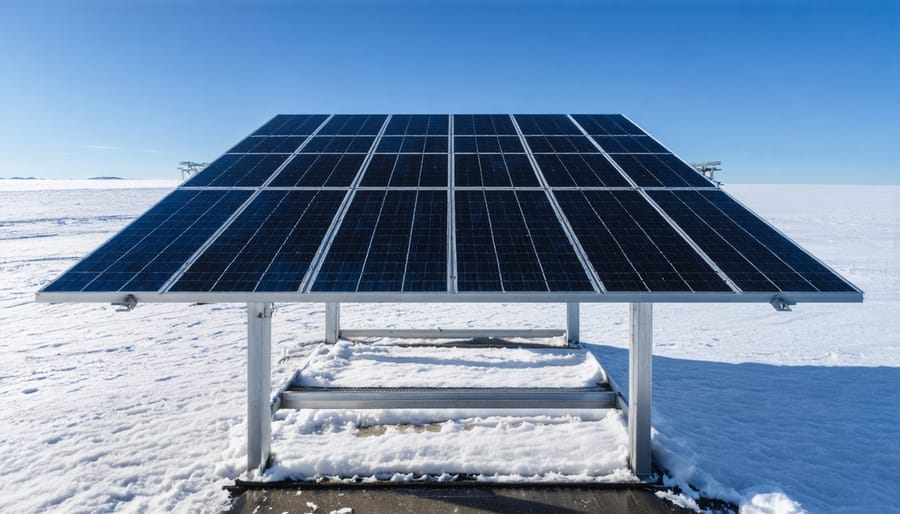
In regions experiencing substantial winter precipitation, residential solar installations require specialized approaches to ensure system longevity and performance. Heavy snow accumulation can obscure panels, reducing energy generation, while ice formation poses structural risks and potential damage to photovoltaic arrays.
Installers in northern climates typically employ elevated mounting systems that position panels 12-18 inches above the roof surface, facilitating natural snow shedding through gravity and wind circulation. Steeper tilt angles—often 40-50 degrees rather than the standard 30-35 degrees—accelerate snow slide-off while maintaining reasonable energy production through optimal panel orientation adjustments.
Snow retention systems, including strategically placed guards and rails, prevent dangerous ice sheet avalanches from roofs while allowing gradual melting. Reinforced racking systems must accommodate increased structural loads, typically designed for 40-60 pounds per square foot depending on local building codes. Many universities conducting cold-climate renewable energy research have validated these installation methods through longitudinal performance studies.
Professional training programs emphasizing snow load calculations and ice management techniques have become essential for contractors serving northern markets, ensuring installations meet both safety standards and energy production expectations throughout harsh winter conditions.
Coastal Regions: Corrosion Resistance and Hurricane Preparedness
Coastal solar installations require specialized approaches to withstand salt-laden environments and extreme weather events. Corrosion resistance begins with material selection—stainless steel hardware, anodized aluminum frames, and marine-grade components significantly extend system longevity in corrosive atmospheres. Many installers apply protective coatings to mounting hardware and select modules with robust edge sealing to prevent moisture intrusion that accelerates degradation.
Hurricane preparedness demands enhanced structural integration beyond standard installations. Professional installers in coastal zones utilize reinforced mounting systems with additional attachment points, often spacing roof penetrations more closely to distribute wind loads effectively. Fastening systems must meet elevated wind rating requirements, typically designed for sustained winds exceeding 140 mph in hurricane-prone regions. Some jurisdictions mandate specific engineering certifications for coastal installations.
Module selection prioritizes those tested for salt mist corrosion per IEC 61701 standards, while inverters and electrical components receive weatherproof enclosures rated NEMA 4X or higher. Research partnerships between installation companies and universities have advanced understanding of long-term material performance in marine environments, informing best practices now taught in professional training programs. These specialized techniques ensure system reliability while protecting substantial homeowner investments against coastal environmental challenges.
Desert and High-Temperature Environments
Desert and high-temperature environments present unique challenges that require specialized approaches to residential solar installation. Elevated ambient temperatures can reduce panel efficiency by 0.4-0.5% per degree Celsius above standard test conditions, making panel selection critical. Installers should prioritize modules with low temperature coefficients and superior heat dissipation characteristics, such as those incorporating monocrystalline technology with advanced cooling features.
Dust accumulation represents a significant performance impediment in arid regions, potentially reducing output by 20-40% without proper maintenance protocols. Installation angles should be optimized to facilitate natural rainfall cleaning while minimizing horizontal surfaces where dust settles. Many professionals recommend hydrophobic coatings and establishing regular cleaning schedules, particularly during peak production months.
Mounting systems must account for extreme temperature fluctuations between day and night, requiring thermal expansion considerations in hardware selection. Aluminum frames with appropriate expansion gaps and UV-resistant materials prevent structural degradation. Through partnerships with universities studying desert solar performance, research demonstrates that elevated racking systems improving airflow beneath panels can lower operating temperatures by 10-15 degrees Celsius, significantly enhancing long-term output. Professional training programs increasingly emphasize these region-specific installation techniques to ensure optimal system performance in challenging thermal environments.
Moderate Climates: Balancing Multiple Factors
Regions experiencing moderate climates present unique installation considerations that require balancing protection against multiple weather variables. In these areas, characterized by distinct seasonal transitions and moderate temperature fluctuations, installers must account for both summer heat and winter precipitation while maintaining year-round system efficiency.
Mounting systems in moderate climates benefit from versatile design approaches that accommodate seasonal wind variations and occasional severe weather events. Tilted arrays require careful angle optimization to maximize production during shorter winter days while preventing snow accumulation. Ground clearance specifications typically range from 4-6 inches to facilitate airflow and prevent debris buildup during autumn months.
Material selection focuses on durability across temperature ranges, with aluminum mounting components and stainless steel hardware providing corrosion resistance through humid summers and wet winters. Wiring installations require conduit systems rated for temperature cycling, while inverter placement demands consideration of both heating and cooling requirements throughout the year.
Many universities collaborate with solar training programs to develop region-specific installation protocols for moderate climates, incorporating data on local weather patterns and seasonal optimization techniques. These educational initiatives help installers understand load calculations adjusted for variable sunlight intensity and implement proper ventilation strategies that maintain component longevity across seasonal extremes.
Material and Technology Selection for Regional Optimization
Panel Technology Performance Across Climates
Panel selection requires careful consideration of how different technologies respond to regional climate variations. Monocrystalline panels demonstrate superior performance in low-light conditions and maintain efficiency ratings of 15-22% across diverse environments, making them particularly advantageous for regions with frequent cloud cover or shorter daylight hours. Their temperature coefficient of approximately -0.3% to -0.5% per degree Celsius means they experience less efficiency degradation in high-heat climates compared to alternative technologies.
Multi-crystalline panels, with efficiency ranges of 13-18%, present a cost-effective solution for installations in moderate climates where extreme temperature fluctuations are minimal. However, their slightly higher temperature coefficient can result in measurable performance reductions in consistently hot environments.
Mono PERC (Passivated Emitter and Rear Cell) technology represents an advanced iteration of monocrystalline design, achieving efficiencies of 18-24% through enhanced light capture on the cell’s rear surface. This technology excels in both direct and diffuse light conditions, demonstrating remarkable resilience across temperature extremes. PERC panels typically outperform standard monocrystalline options by 5-7% in real-world conditions, particularly in high-temperature regions where their improved temperature coefficient minimizes thermal losses. For northern latitudes with extended low-light periods, PERC technology’s superior albedo response captures reflected light from snow and surrounding surfaces more effectively than conventional panels.
Innovative Products for Specialized Regional Needs
Traditional solar panels, while effective for energy generation, present aesthetic challenges in neighborhoods with strict architectural guidelines or historic preservation requirements. Solar tiles and integrated roof shingles have emerged as innovative solutions that address these specialized regional needs while maintaining energy production capabilities.
In markets like California and parts of the Northeast, where homeowner associations frequently restrict visible panel installations, solar roof tiles blend seamlessly with conventional roofing materials. These products feature photovoltaic cells embedded within ceramic or composite tiles that replicate traditional terracotta, slate, or asphalt shingle appearances. Installation professionals must receive specialized training to handle these integrated systems, as they require both roofing expertise and electrical knowledge for proper implementation.
Solar shingles offer particular advantages in European markets and historic districts where building codes mandate preservation of architectural character. These low-profile alternatives install using methods similar to conventional roofing, making them accessible to contractors transitioning into photovoltaic work. However, they typically require more installation time compared to standard panel mounting systems.
Regional building codes significantly influence product selection. Coastal areas with hurricane risks often favor integrated solutions that present lower wind resistance profiles. Through partnerships with universities and ongoing educational programs, installation professionals learn to evaluate which innovative products best serve specific regional requirements while optimizing energy output and maintaining structural integrity.
Professional Training and Regional Expertise Development
Building Regional Installation Competency
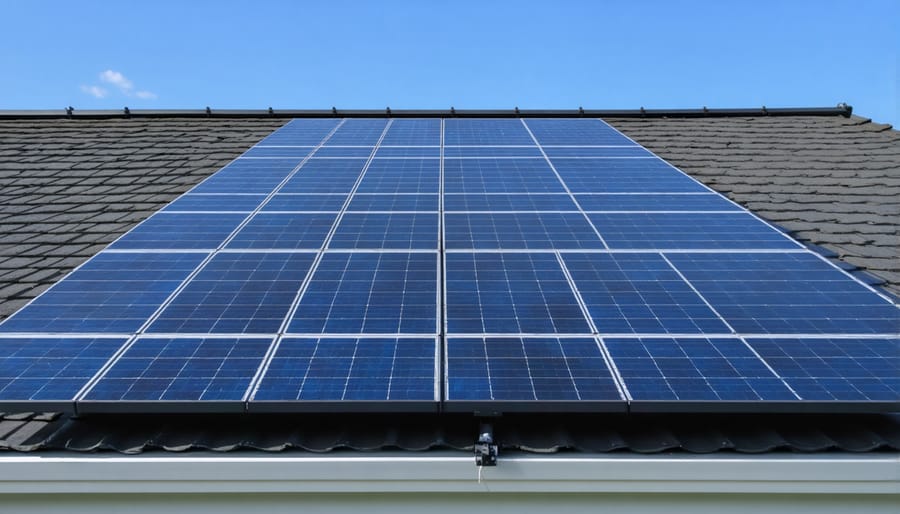
Educational institutions and industry organizations have recognized that effective photovoltaic installation requires more than generic technical knowledge—it demands deep familiarity with regional variables that significantly impact system performance and compliance. Leading professional training programs now integrate location-specific competencies into their curricula, preparing installers to navigate the complexities of diverse climatic conditions and regulatory environments.
These comprehensive educational initiatives emphasize regional building codes as foundational knowledge. Students learn to interpret jurisdiction-specific electrical codes, structural requirements, and fire safety regulations that vary considerably across municipalities and states. Training modules incorporate case studies from local installations, allowing aspiring professionals to understand how regional authorities interpret national standards like the National Electrical Code within their specific contexts.
Climate-specific installation techniques form another critical component of regional competency development. Programs in snow-prone regions focus on elevated mounting systems, appropriate tilt angles for snow shedding, and structural reinforcement calculations for additional weight loads. Conversely, training in coastal areas emphasizes corrosion-resistant materials, hurricane-rated mounting hardware, and salt-spray considerations. Desert region curricula address extreme temperature cycling, dust mitigation strategies, and thermal expansion management.
Universities collaborating with solar manufacturers and installation companies have developed practical training facilities that simulate regional installation challenges. These hands-on environments allow students to practice techniques on various roof types common to their geographic area, from steep-pitched slate roofs in northeastern states to flat membrane roofs typical of southwestern commercial applications.
Regional best practices extend beyond technical installation to encompass customer engagement strategies aligned with local utility interconnection procedures, available incentive programs, and typical financing mechanisms. This comprehensive approach ensures graduates possess both the technical proficiency and regional knowledge necessary to deliver successful installations that meet local expectations while adhering to area-specific performance standards and regulatory requirements.
Successful residential solar installation extends far beyond simply mounting panels on rooftops—it demands comprehensive understanding of regional environmental conditions, proper adaptation of installation techniques to local climates, and commitment to continuous professional development. As climate patterns shift and photovoltaic technology advances, installers must remain vigilant in updating their knowledge base and methodologies to ensure optimal system performance and longevity.
The complexity of modern solar installations necessitates that professionals master both fundamental principles and location-specific nuances. From selecting appropriate mounting systems for hurricane-prone coastal regions to implementing cold-weather installation protocols in northern climates, regional expertise directly impacts system reliability and energy production efficiency. Material selection, electrical configurations, and weatherproofing strategies must reflect localized environmental challenges while adhering to evolving building codes and electrical standards.
Professional education remains paramount in this rapidly evolving field. Partnerships between industry leaders and academic institutions provide structured pathways for knowledge transfer, ensuring that emerging installers receive evidence-based training grounded in real-world application. Educational programs that combine theoretical understanding with hands-on experience produce professionals capable of addressing diverse installation scenarios and troubleshooting complex regional challenges.
As the renewable energy sector continues expanding, the demand for skilled photovoltaic professionals who understand regional adaptation will only intensify. Those committed to ongoing education, technical excellence, and climate-conscious installation practices will lead the industry forward, delivering high-performance solar solutions tailored to their communities’ unique environmental conditions.