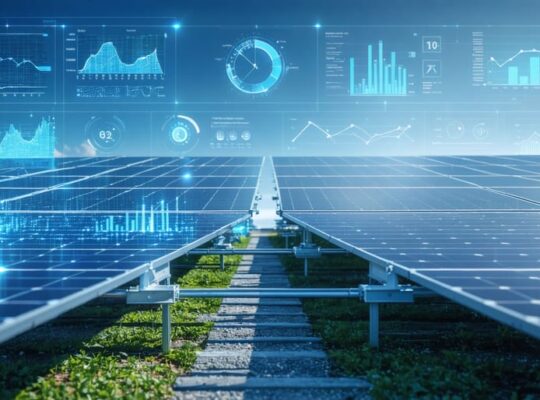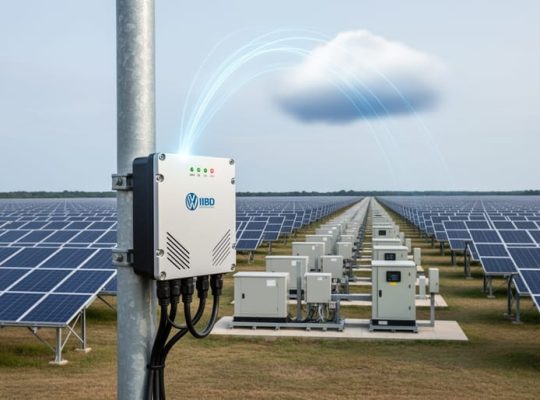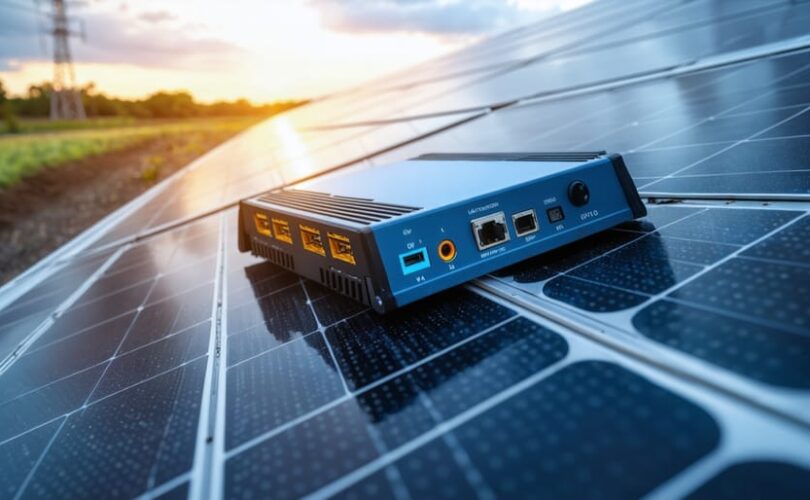
The solar photovoltaic industry stands at a technological crossroads where centralized monitoring systems no longer suffice for increasingly distributed energy networks. Edge monitoring represents a paradigm shift in how solar installations collect, process, and act upon performance data—moving computational intelligence from distant data centers directly to the power generation source.
Traditional monitoring architectures rely on transmitting raw data from solar arrays to centralized servers for analysis, creating latency issues, bandwidth constraints, and vulnerability to connectivity disruptions. Edge monitoring fundamentally redesigns this approach by embedding processing capabilities within or immediately adjacent to solar equipment, enabling real-time decision-making at the point of generation. This architectural evolution proves particularly crucial as solar installations expand into remote locations, microgrids, and distributed energy resource networks where continuous cloud connectivity cannot be guaranteed.
For aspiring photovoltaic professionals, understanding edge monitoring technology has become essential rather than optional. The distinction between edge and cloud-based monitoring determines system responsiveness, operational resilience, and economic viability across diverse deployment scenarios. Edge devices analyze performance metrics locally, identify anomalies instantly, and execute corrective actions without waiting for round-trip communication with distant servers. This capability translates directly into minimized energy losses, extended equipment lifespan, and reduced operational expenses.
The integration of edge computing with solar monitoring systems addresses three fundamental industry challenges: reducing response times to performance degradation, maintaining operational continuity during network disruptions, and managing exponentially growing data volumes from increasingly sensor-rich installations. As the photovoltaic sector matures beyond simple energy generation toward intelligent, self-optimizing power systems, edge monitoring emerges as the technological foundation enabling this transformation. Understanding its principles, applications, and implementation requirements positions professionals to design and manage next-generation solar infrastructure effectively.
Understanding Edge Computing in Solar PV Systems
The Shift from Cloud to Edge
Traditional cloud-based monitoring systems centralize data processing in remote data centers, requiring solar installations to continuously transmit performance metrics over internet connections. This architecture introduces latency, bandwidth constraints, and potential vulnerabilities when network connectivity falters. In contrast, edge computing in solar deployments positions processing power directly at the installation site, enabling immediate analysis and response.
Consider a commercial rooftop solar array experiencing partial shading from passing clouds. With cloud monitoring, inverter data travels to distant servers for analysis, decisions return through the network, and corrective actions occur with noticeable delay. Edge monitoring processes this data locally within milliseconds, instantly adjusting maximum power point tracking algorithms to optimize output under changing conditions.
This architectural distinction proves particularly valuable for geographically dispersed installations. A utility-scale solar farm spanning hundreds of acres generates terabytes of granular performance data daily. Transmitting this volume to cloud servers consumes substantial bandwidth and incurs ongoing costs. Edge devices filter and analyze data on-site, transmitting only actionable insights and summary statistics to centralized management platforms.
The distributed approach also enhances system resilience. When internet connectivity drops, cloud-dependent systems lose monitoring capability entirely. Edge infrastructure continues autonomous operations, maintaining optimization algorithms, logging performance data locally, and synchronizing with cloud platforms once connectivity restores. This independence ensures continuous performance management regardless of network conditions.
Key Components of Edge Infrastructure
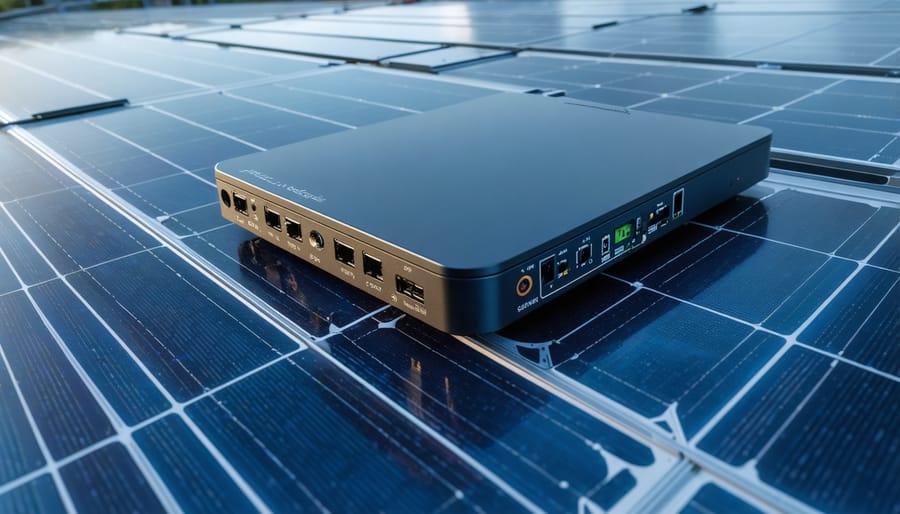
Edge monitoring infrastructure in solar PV systems comprises three fundamental layers working in concert to enable real-time performance oversight. At the foundation are edge devices—intelligent sensors and monitoring units installed directly at the solar array level. These devices continuously collect data on voltage, current, temperature, irradiance, and other critical parameters. Unlike traditional monitoring that relies solely on centralized systems, edge devices perform preliminary analysis at the point of data generation, enabling immediate detection of anomalies or performance degradation.
Gateways serve as the critical intermediary between edge devices and cloud-based platforms. These ruggedized units aggregate data from multiple edge sensors, provide protocol translation, and manage bidirectional communication. Modern gateways incorporate advanced security features including encryption and authentication protocols to protect operational data. They also buffer information during connectivity interruptions, ensuring no data loss in remote installations with intermittent network access.
Local processing units represent the computational intelligence of edge infrastructure. These compact computing devices execute algorithms for data filtering, pattern recognition, and preliminary diagnostics. By processing data locally, they reduce bandwidth requirements and minimize latency in alert generation. Many systems now integrate artificial intelligence capabilities at this level, enabling predictive maintenance and sophisticated fault detection without requiring constant cloud connectivity. This distributed intelligence approach significantly enhances system reliability while optimizing operational costs, making edge monitoring particularly valuable for large-scale solar installations and remote off-grid applications.
What Edge Monitoring Actually Does
Real-Time Performance Analysis
Edge monitoring systems excel at processing critical performance parameters directly at the installation site, eliminating latency inherent in cloud-based architectures. By analyzing voltage, current, temperature, and irradiance data at the edge, these systems provide instantaneous insights into array performance and operational efficiency.
Modern edge devices incorporate specialized microprocessors and field-programmable gate arrays that execute complex algorithms within milliseconds. These components continuously measure electrical parameters across individual strings or modules, detecting deviations from expected performance curves immediately. Temperature sensors monitor module surface conditions and ambient temperatures, enabling real-time thermal coefficient calculations that refine power output predictions. Pyranometers or reference cells measure plane-of-array irradiance, allowing the system to distinguish between shading events, soiling accumulation, and actual component failures.
This localized processing capability proves particularly valuable during grid disturbances or communication outages. Edge systems maintain continuous monitoring and can execute protective responses autonomously, such as activating rapid shutdown sequences or adjusting inverter parameters to maintain grid compliance. The instantaneous analysis also enables precise maximum power point tracking adjustments based on current operating conditions rather than historical averages.
For aspiring photovoltaic professionals, understanding edge processing capabilities represents essential knowledge as the industry transitions toward distributed intelligence architectures. These systems demonstrate how computational resources deployed at generation sites enhance both operational reliability and diagnostic precision.
Automated Fault Detection and Alerts
Edge monitoring revolutionizes solar array management through advanced real-time monitoring systems that detect operational anomalies instantaneously. By analyzing performance data at the module level, these systems identify hot spots caused by cell damage or manufacturing defects, triggering immediate alerts before safety hazards develop. Shading patterns from vegetation growth, nearby structures, or soiling accumulation are recognized through comparative power output analysis across adjacent modules, enabling swift remediation.
Inverter failures, which can compromise entire string performance, are detected through voltage and current irregularities, allowing maintenance teams to respond proactively. Edge monitoring algorithms also track gradual degradation patterns by establishing performance baselines and flagging deviations exceeding normal aging rates. This capability proves invaluable for warranty claims and long-term asset management.
The automated alert system categorizes issues by severity, distributing notifications through mobile applications, email, or integrated facility management platforms. This hierarchical approach ensures critical failures receive immediate attention while routine maintenance items are scheduled efficiently, maximizing system uptime and energy production while minimizing operational costs.

Local Decision-Making Capabilities
Edge monitoring systems excel at autonomous decision-making, enabling solar installations to respond immediately to operational challenges without waiting for cloud-based processing or human intervention. These intelligent capabilities transform passive monitoring into active system management at the installation site.
When edge devices detect performance anomalies or safety concerns, they can automatically trigger protective responses. For instance, if a module exhibits dangerous voltage fluctuations or hotspot formation, edge systems can isolate the affected circuit to prevent cascading failures or fire risks. Similarly, inverter-level edge monitoring can implement dynamic load balancing, redistributing power generation across healthy strings when partial shading or equipment degradation occurs.
These local decision-making capabilities integrate seamlessly with predictive maintenance capabilities, identifying patterns that indicate imminent component failure. The edge system can then preemptively adjust operational parameters to minimize stress on vulnerable equipment until scheduled maintenance occurs.
Advanced implementations incorporate machine learning algorithms that continuously refine response protocols based on historical performance data. This adaptive intelligence ensures that autonomous actions become increasingly effective over time, optimizing both energy production and system longevity. For large-scale commercial installations, this distributed intelligence architecture proves invaluable, maintaining operational continuity even during communication disruptions while reducing response times from minutes to milliseconds.
Critical Advantages of Edge Monitoring for Solar Installations
Reduced Latency and Faster Response Times
Edge monitoring systems process data in 10-20 milliseconds, compared to cloud-based solutions that require 100-500 milliseconds for round-trip communication. This speed differential proves critical when solar arrays experience rapid-changing conditions like cloud transients or grid voltage fluctuations. By analyzing performance data locally at the array level, edge devices detect anomalies and implement corrective protocols within microseconds, preventing power losses that accumulate during cloud transmission delays.
Traditional real-time analytics requiring cloud connectivity introduce latency that compounds across large installations. Edge monitoring eliminates this bottleneck, enabling instantaneous maximum power point tracking adjustments and inverter optimization. Field studies demonstrate that reducing response times from 200 milliseconds to 15 milliseconds can improve energy harvest by 1.2-2.3% annually in variable weather conditions. For commercial installations generating 500 MWh yearly, this translates to approximately 6,000-11,500 kWh additional production, directly impacting project economics and return on investment calculations.
Enhanced System Reliability and Uptime
Edge monitoring systems provide exceptional resilience through their decentralized architecture, maintaining full operational capacity even when central communication networks fail. Unlike cloud-dependent solutions that become non-functional during internet outages, edge devices continue collecting, analyzing, and storing performance data locally at each solar installation. This autonomous operation ensures uninterrupted system protection and data logging during network disruptions, which is particularly valuable for remote photovoltaic installations in areas with unreliable connectivity.
The local processing capability enables edge monitoring to execute critical functions including anomaly detection, safety protocols, and performance optimization without requiring constant cloud connectivity. Once network connection resumes, accumulated data synchronizes automatically with central systems, ensuring no information loss. This architecture significantly reduces downtime risks and maintains continuous visibility into system health, directly supporting higher energy production reliability. For solar operators managing distributed installations across challenging geographic locations, this independence from network infrastructure translates to enhanced operational confidence and reduced maintenance response times, ultimately protecting revenue streams and system longevity.
Bandwidth Optimization and Cost Reduction
Edge monitoring delivers substantial bandwidth optimization by processing data directly at the solar array level, eliminating the need to transmit raw sensor readings continuously to centralized servers. Traditional monitoring systems generate massive data volumes as they stream measurements from every panel, inverter, and sensor to cloud platforms. In contrast, edge computing devices analyze this information locally, filtering anomalies, calculating performance metrics, and identifying issues before transmission. Only actionable insights, alerts, and aggregated reports traverse the network, reducing bandwidth consumption by up to 90 percent in typical installations.
This localized approach translates directly into cost savings, particularly for large-scale solar farms in remote locations where cellular or satellite connectivity charges accumulate rapidly. By minimizing data transmission, operators significantly lower monthly communication expenses while avoiding infrastructure investments required for high-bandwidth connections. Furthermore, reduced network dependence enhances system reliability, as monitoring functions continue operating even during connectivity disruptions. For educational institutions and research facilities partnering with industry leaders, understanding these economic advantages proves essential when evaluating monitoring solutions for both academic studies and practical implementations in renewable energy projects.
Improved Data Security and Privacy
Edge monitoring significantly enhances data security and privacy by processing sensitive operational information locally at solar installations rather than transmitting everything to distant cloud servers. This localized approach minimizes exposure to cyber threats during data transmission, reducing the attack surface that malicious actors could exploit. When photovoltaic system performance data, equipment specifications, and facility layouts remain on-site, operators maintain greater control over proprietary information and customer data.
For solar installations handling commercially sensitive information or operating in regulated sectors, edge monitoring simplifies compliance with data protection regulations such as GDPR or industry-specific standards. Local data processing means fewer touchpoints where information could be intercepted or compromised, addressing growing concerns about cybersecurity in critical infrastructure. This architecture proves particularly valuable for utility-scale projects and commercial installations where data breaches could result in significant financial and reputational consequences.
Universities collaborating on renewable energy research also benefit from edge monitoring’s security advantages, as academic institutions can analyze operational data without exposing sensitive performance metrics to external networks. This secure framework supports both operational integrity and the protection of intellectual property in advancing photovoltaic technology.
Real-World Applications in Solar PV Monitoring
Utility-Scale Solar Farms
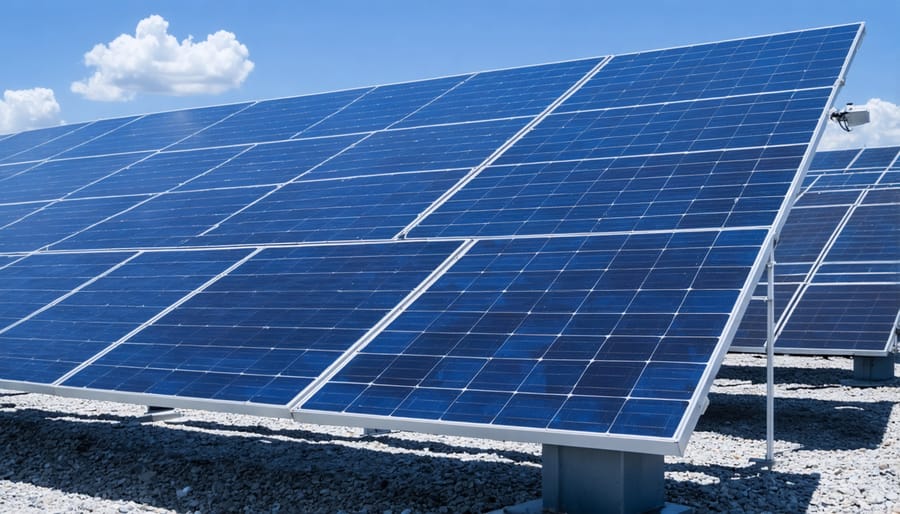
In utility-scale installations spanning hundreds of acres with thousands of interconnected panels, edge monitoring becomes essential for maintaining operational efficiency and maximizing energy production. These large-scale deployments require distributed intelligence across multiple edge devices strategically positioned throughout the solar farm, each monitoring designated panel clusters in real-time.
The architecture typically employs a hierarchical approach where local edge processors analyze data from specific array sections, detecting anomalies like soiling patterns, shading effects, or underperforming strings before transmitting only critical insights to centralized management systems. This distributed processing significantly reduces network bandwidth requirements while enabling rapid response to localized issues that might otherwise impact megawatt-scale output.
Scalability remains paramount, as adding new monitoring nodes must integrate seamlessly with existing infrastructure without system-wide reconfiguration. Leading utility operators now deploy standardized edge monitoring protocols that facilitate coordinated responses across vast installations, enabling predictive maintenance scheduling and optimized cleaning routines. Academic research partnerships continue advancing algorithms that improve fault detection accuracy while minimizing false positives, crucial for economically managing large-scale operations where unnecessary truck rolls and manual inspections substantially impact operational costs.
Commercial and Industrial Installations
Commercial and industrial facilities increasingly deploy edge monitoring solutions to optimize large-scale photovoltaic installations and reduce operational costs. These systems provide facility managers with granular visibility into energy production patterns, enabling precise demand-response strategies and grid integration management. By processing performance data locally at the installation site, edge monitoring platforms deliver real-time alerts for equipment degradation, shading anomalies, or inverter inefficiencies that directly impact production revenue.
Manufacturing plants and distribution centers particularly benefit from edge monitoring’s ability to integrate with building management systems, creating unified energy dashboards that correlate solar generation with consumption patterns. This integration supports strategic decisions about energy storage deployment and peak-shaving initiatives. Advanced analytics capabilities allow operations teams to benchmark performance across multiple sites, identifying best practices and standardizing maintenance protocols.
Educational institutions and research facilities leverage edge monitoring data to support collaborative studies on system optimization, working alongside universities to advance solar technology understanding. The technology’s scalability makes it equally valuable for small businesses exploring renewable energy adoption and large corporations managing portfolio-wide solar assets across diverse geographic locations.
Residential Solar Systems
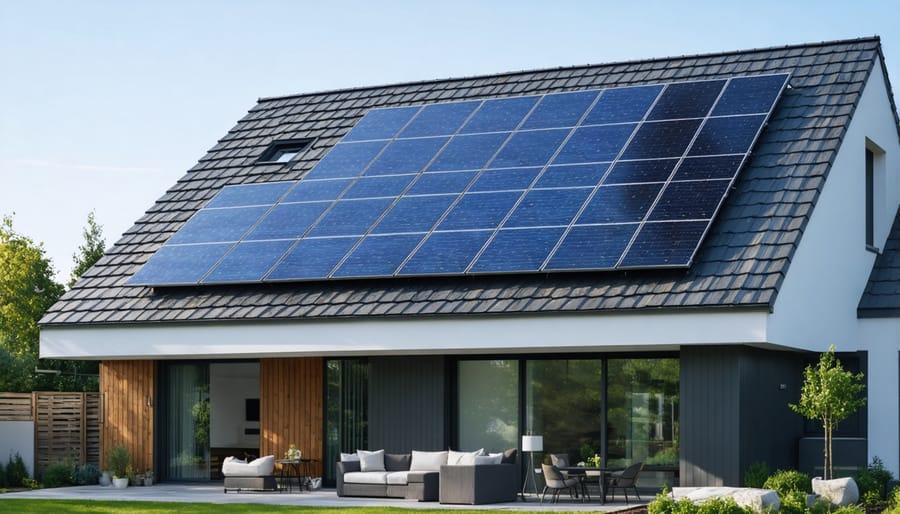
Edge monitoring technology delivers substantial benefits for residential solar installations, transforming how homeowners interact with their renewable energy systems. By processing data locally at the system level, edge devices enable real-time monitoring of individual panel performance, inverter efficiency, and overall energy production without constant cloud connectivity.
For homeowners, this translates into seamless smart home integration. Edge monitoring systems can communicate with home energy management platforms, automatically adjusting energy consumption based on solar production patterns. This intelligent coordination optimizes self-consumption rates and reduces grid dependency, maximizing return on investment.
Predictive maintenance capabilities represent another significant advantage. Edge algorithms analyze performance trends to identify potential issues before they escalate into costly failures. The system can detect gradual efficiency degradation, wiring problems, or shading impacts, alerting homeowners or installers to address concerns proactively. This approach minimizes system downtime and extends equipment lifespan.
Privacy-conscious consumers particularly appreciate edge monitoring’s data security features. Since sensitive consumption data remains primarily on local devices rather than continuously uploading to external servers, homeowners maintain greater control over their energy usage information while still accessing comprehensive performance insights through user-friendly interfaces.
Technical Challenges and Considerations
Infrastructure and Hardware Requirements
Deploying effective edge monitoring systems in photovoltaic installations requires careful consideration of both hardware specifications and infrastructure capabilities. At the panel or string level, edge devices must withstand harsh outdoor environmental conditions, including extreme temperatures ranging from -40°C to 85°C, humidity, dust, and UV exposure. These ruggedized monitoring units typically feature industrial-grade processors with sufficient computational power to perform real-time analytics while maintaining low power consumption, often drawing energy directly from the solar arrays they monitor.
Network infrastructure presents critical considerations for edge deployment. Reliable connectivity options include wired Ethernet connections for stationary installations, cellular networks (4G/5G) for remote sites, and Wi-Fi for distributed residential systems. Edge devices require adequate data storage capacity for local buffering during connectivity interruptions, typically ranging from 16GB to 256GB depending on the installation size and data retention requirements.
Power management systems must ensure uninterrupted monitoring operation, incorporating backup batteries or ultracapacitors to maintain functionality during nighttime hours or system outages. Installation architecture should also account for scalability, allowing seamless integration of additional monitoring nodes as solar farms expand. Through collaborations with universities and research institutions, optimal hardware configurations continue to evolve, balancing performance requirements with cost-effectiveness for various deployment scenarios.
Integration with Existing Systems
Retrofitting edge monitoring technology into established solar installations presents distinct compatibility challenges that require careful planning and technical consideration. Legacy systems often utilize centralized monitoring architectures with proprietary communication protocols, making seamless integration complex. Modern edge monitoring solutions must accommodate existing inverter brands, data logging equipment, and communication infrastructure without requiring complete system overhauls.
The primary technical hurdle involves establishing communication bridges between new edge devices and older equipment that may lack standardized protocols like Modbus or SunSpec. Middleware solutions and protocol converters can facilitate data exchange, though they introduce additional cost considerations. Physical installation constraints also merit attention, as older installations may have limited mounting locations or inadequate electrical infrastructure for powering edge computing devices.
Successful integration strategies typically involve phased implementation approaches. Begin with pilot installations on representative array sections to identify compatibility issues before full deployment. Working with experienced integrators who understand both legacy and modern systems proves invaluable. Universities conducting research in photovoltaic systems have documented several case studies demonstrating effective retrofit methodologies, providing valuable frameworks for practitioners navigating these technical challenges while minimizing system downtime and preserving warranty coverage.
The Future Trajectory of Edge Monitoring in Solar PV
AI and Machine Learning at the Edge
Edge computing platforms increasingly incorporate artificial intelligence and machine learning capabilities directly into monitoring hardware, transforming reactive maintenance approaches into proactive asset management strategies. These embedded AI algorithms analyze real-time performance data locally, identifying subtle patterns and anomalies that indicate potential equipment failures before they occur.
AI-powered monitoring at the edge enables sophisticated predictive maintenance by processing historical performance trends, weather correlations, and degradation patterns without requiring constant cloud connectivity. Machine learning models can detect early indicators of module defects, inverter inefficiencies, or connection issues by comparing current operational parameters against established baselines.
The computational efficiency of edge-based AI allows for continuous optimization of system performance through adaptive algorithms that adjust tracking mechanisms, predict optimal cleaning schedules, and optimize power conversion strategies based on real-time conditions. Research collaborations between industry leaders and academic institutions are advancing these capabilities, developing specialized algorithms tailored for solar PV applications.
As these technologies mature, edge devices will autonomously manage increasingly complex decision-making processes, reducing operational costs while maximizing energy yield. This evolution represents a fundamental shift toward intelligent, self-optimizing solar installations that require minimal human intervention while delivering superior performance outcomes.
Integration with Smart Grid Technologies
Edge monitoring serves as a critical enabler for modern smart grid integration, facilitating the sophisticated energy management capabilities that define next-generation power distribution systems. By processing data locally at the network edge, these monitoring solutions enable real-time decision-making essential for managing bi-directional energy flow, where solar installations both consume and export electricity to the grid.
The technology plays a pivotal role in demand response programs by providing instantaneous visibility into energy production and consumption patterns. Edge devices can automatically adjust solar inverter output or coordinate with battery storage systems within milliseconds, responding to grid signals without the latency inherent in cloud-based systems. This rapid response capability proves invaluable during peak demand periods or grid congestion events, allowing distributed solar assets to actively participate in grid stabilization efforts.
Furthermore, edge monitoring supports voltage regulation and frequency control at the local level, preventing power quality issues before they propagate through the distribution network. Research collaborations between industry leaders and universities have demonstrated that edge-deployed algorithms can predict grid stress conditions and preemptively adjust solar generation, reducing strain on infrastructure while maintaining system reliability. This localized intelligence transforms solar installations from passive energy sources into active grid assets, contributing to overall network resilience and enabling higher renewable penetration rates across utility systems.
Edge monitoring represents a pivotal advancement in solar photovoltaic technology, fundamentally transforming how we approach system performance optimization, maintenance protocols, and long-term reliability. As the renewable energy sector continues its rapid expansion, this technology has emerged not merely as an incremental improvement but as a cornerstone of intelligent energy infrastructure.
For aspiring PV professionals, developing expertise in edge monitoring technologies offers significant career advantages in an increasingly competitive marketplace. The ability to design, deploy, and interpret edge-based monitoring systems positions professionals at the intersection of renewable energy, data analytics, and distributed computing—three of the most dynamic sectors in modern industry. Universities partnering with leading solar companies are increasingly incorporating edge monitoring principles into their curricula, recognizing that tomorrow’s engineers must understand both the hardware and software dimensions of solar installations.
The economic implications extend beyond immediate performance gains. Edge monitoring enables predictive maintenance strategies that reduce operational costs by up to thirty percent while extending system lifespans through early fault detection. This shift from reactive to proactive maintenance fundamentally alters the financial modeling of solar investments, making projects more attractive to institutional investors and democratizing access to renewable energy.
Perhaps most significantly, edge monitoring exemplifies the industry’s evolution toward autonomous, self-optimizing energy systems. By processing data locally and making real-time adjustments, these systems operate with minimal human intervention while maximizing energy harvest under diverse conditions. This autonomy becomes increasingly critical as solar installations proliferate in remote locations and developing markets where technical expertise may be limited.
The transition to edge-based architectures represents more than technological progress—it reflects a maturation of the solar industry itself, moving from simple energy generation to sophisticated, intelligent power systems that will anchor our sustainable energy future.