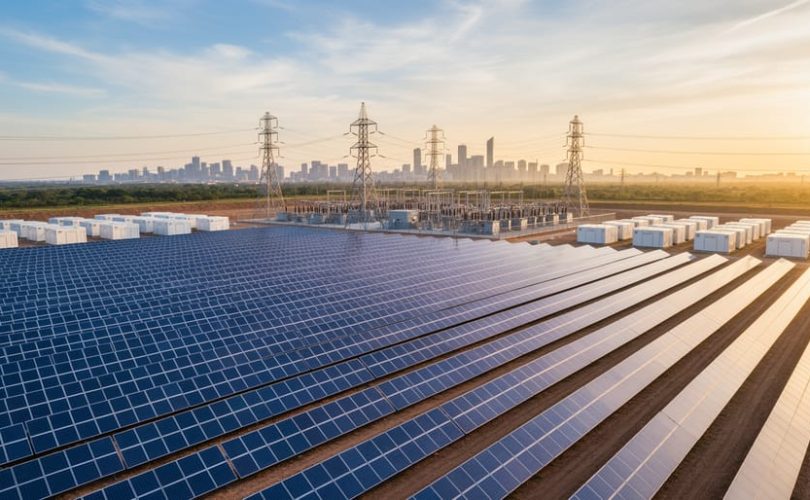
Solar photovoltaic infrastructure has emerged as a cornerstone of impact investing portfolios, delivering measurable environmental benefits alongside competitive financial returns. Unlike traditional renewable energy investments that rely solely on government subsidies, modern PV assets generate revenue through multiple mechanisms: long-term power purchase agreements, capacity payments, and increasingly, merchant market participation. This maturation has transformed solar from a niche impact play into a mainstream institutional asset class, with utility-scale projects demonstrating internal rates of return between 6-12% while displacing significant carbon emissions.
The investment thesis rests on three fundamental drivers: declining levelized cost of energy, which has fallen 89% since 2010; technological improvements in module efficiency and energy storage integration; and strengthening policy frameworks across developed and emerging markets. For institutional investors, solar infrastructure offers portfolio diversification through low correlation with traditional equity markets, inflation-hedged cash flows via escalating power prices, and quantifiable impact metrics aligned with UN Sustainable Development Goals.
Understanding the financial architecture of PV investments requires analyzing project-level economics, tax equity structures, and operational performance risks. Leading institutional allocators now deploy capital across the value chain, from development-stage equity to stabilized asset acquisition and yield-oriented debt instruments. This sophisticated approach recognizes that impact investing in solar extends beyond simple carbon avoidance calculations to encompass job creation, energy access expansion, and technology advancement. The following analysis provides a comprehensive framework for evaluating PV investment opportunities through both financial and impact lenses.
Understanding PV Investments in the Impact Investing Framework
What Qualifies as a PV Investment
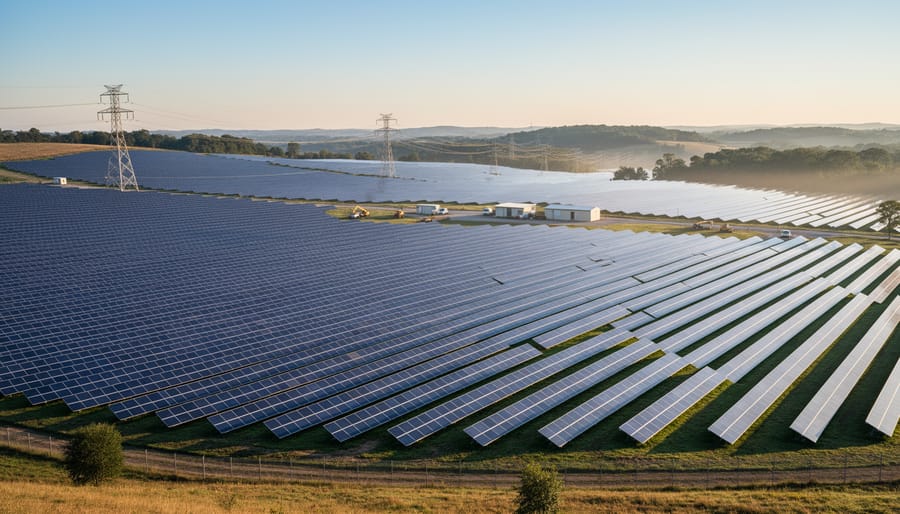
PV investments encompass several distinct asset categories, each offering unique risk-return profiles and impact characteristics. Utility-scale projects represent large ground-mounted installations typically exceeding 5 MW capacity, often developed through power purchase agreements with utilities or corporate offtakers. These projects constitute the largest segment of solar investment, providing predictable cash flows over 20-30 year operational lifespans.
Commercial and industrial installations serve businesses seeking to reduce energy costs while meeting sustainability commitments. These mid-scale projects range from rooftop arrays to carport systems, offering investors exposure to diverse credit profiles and shorter development timelines compared to utility-scale assets.
Residential solar portfolios aggregate numerous small-scale systems, typically financed through leases or power purchase agreements. While individual installations carry higher per-watt costs, portfolio diversification mitigates concentration risk and provides attractive risk-adjusted returns.
Manufacturing infrastructure investments target the upstream supply chain, including polysilicon production, wafer fabrication, and module assembly facilities. These capital-intensive projects support industry growth while presenting different risk dynamics than downstream deployment assets.
Community solar programs represent an emerging category, enabling shared ownership models that expand access beyond traditional property-owner demographics. Understanding these investment categories allows stakeholders to align capital deployment with specific financial objectives and impact priorities.
The Impact Investing Criteria for Solar Infrastructure
Photovoltaic infrastructure investments align seamlessly with impact investing principles by delivering quantifiable environmental and social benefits alongside financial returns. Carbon reduction represents the most direct impact metric, with utility-scale solar installations offsetting between 1,200 and 1,800 tons of CO2 annually per megawatt installed. These emissions reductions can be tracked through verified carbon accounting methodologies, providing investors with transparent impact reporting.
Job creation constitutes another measurable outcome, encompassing both construction phase employment and long-term operations and maintenance positions. Research from academic institutions demonstrates that solar projects generate approximately 1.2 jobs per million dollars invested, with significant multiplier effects across supply chains. Energy access initiatives, particularly in underserved communities and developing markets, address social equity concerns while expanding market opportunities.
ESG metrics for PV investments have become increasingly standardized through frameworks like the Impact Reporting and Investment Standards and the United Nations Sustainable Development Goals. Investors can track specific indicators including megawatt-hours of clean energy produced, populations served with reliable electricity, and avoided healthcare costs from reduced air pollution. Educational partnerships with universities further enhance social impact by developing workforce capabilities and advancing solar technology research. This comprehensive impact profile enables PV investments to satisfy institutional mandates for purpose-driven capital allocation while maintaining competitive financial performance within infrastructure portfolios.
Financial Performance Drivers of Solar PV Investments
Technology Cost Curves and ROI Improvements
The economics of photovoltaic investments have fundamentally transformed over the past decade, driven by dramatic reductions in module costs and breakthrough efficiency gains. Between 2010 and 2023, solar module prices declined by approximately 90%, with monocrystalline technology leading this cost revolution. This steep decline has shortened payback periods and significantly enhanced solar investment returns for both utility-scale and distributed generation projects.
Monocrystalline silicon technology, particularly Passivated Emitter and Rear Cell (PERC) modules, has achieved remarkable efficiency improvements, now routinely exceeding 22% conversion rates in commercial production. These efficiency gains translate directly into reduced balance-of-system costs per watt, as fewer modules are required to achieve target capacity. The resulting economies of scale have made solar competitive with conventional generation sources without subsidies in many markets.
Investment-grade financial modeling now reflects levelized costs of energy (LCOE) below $30 per megawatt-hour for optimally sited utility-scale projects, compared to over $300 in 2009. This tenfold improvement has attracted institutional capital and transformed solar from a niche technology into a mainstream asset class, fundamentally reshaping energy infrastructure investment strategies worldwide.
Revenue Stability Through Power Purchase Agreements
Long-term Power Purchase Agreements (PPAs) serve as the cornerstone of revenue predictability in photovoltaic investments, making them particularly attractive to impact investors prioritizing stable returns alongside environmental benefits. These contracts, typically spanning 15 to 25 years, establish fixed or predictable pricing mechanisms for electricity generation, effectively insulating investors from market volatility while ensuring consistent cash flows.
Under a PPA structure, the solar facility commits to selling electricity at predetermined rates to creditworthy offtakers such as utilities, corporations, or government entities. This arrangement transforms what could be a speculative energy commodity into a contracted revenue stream with quantifiable risk profiles. For impact investors, this stability enables accurate financial modeling and supports portfolio diversification strategies that balance social impact with fiduciary responsibilities.
The creditworthiness of PPA counterparties significantly influences investment risk assessment. Corporate PPAs with investment-grade companies provide enhanced security, while utility-backed agreements offer regulatory oversight advantages. Many institutional investors leverage these stable cash flows to structure investment products with target returns in the 4-8% range, matching pension fund requirements and insurance company mandates. This financial predictability, combined with measurable carbon reduction metrics, positions solar PV investments as dual-purpose vehicles delivering both competitive returns and verifiable environmental impact within ESG-focused portfolios.
Policy Incentives and Risk Mitigation
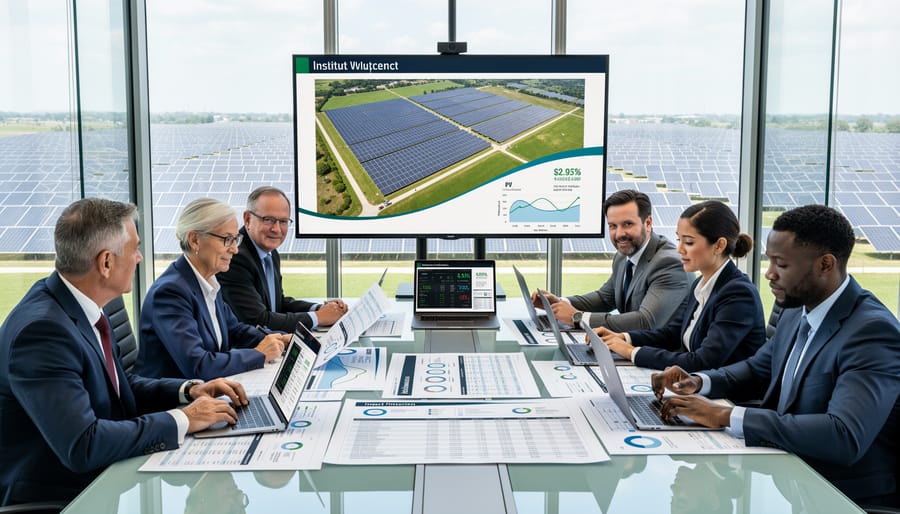
Government support mechanisms significantly reduce investment risk and enhance returns for photovoltaic projects. Tax credits, such as the Investment Tax Credit (ITC) in the United States, provide immediate capital cost reductions of up to 30% for qualifying solar installations. Feed-in tariffs guarantee fixed payments for electricity generated over extended periods, creating predictable revenue streams that improve project bankability. Renewable energy certificates offer additional income by monetizing the environmental attributes of clean energy generation.
Many jurisdictions implement accelerated depreciation schedules, allowing investors to recover capital investments faster and improve cash flow profiles. Grant programs and low-interest financing through green banks further reduce upfront costs and lower cost of capital. Power purchase agreements backed by government entities or utilities provide long-term offtake certainty. Academic institutions collaborate with policymakers to evaluate program effectiveness and optimize incentive design. Understanding these mechanisms enables investors to structure transactions that maximize returns while advancing clean energy deployment goals.
Measuring Environmental and Social Impact in PV Investments
Carbon Avoidance and Climate Impact Metrics
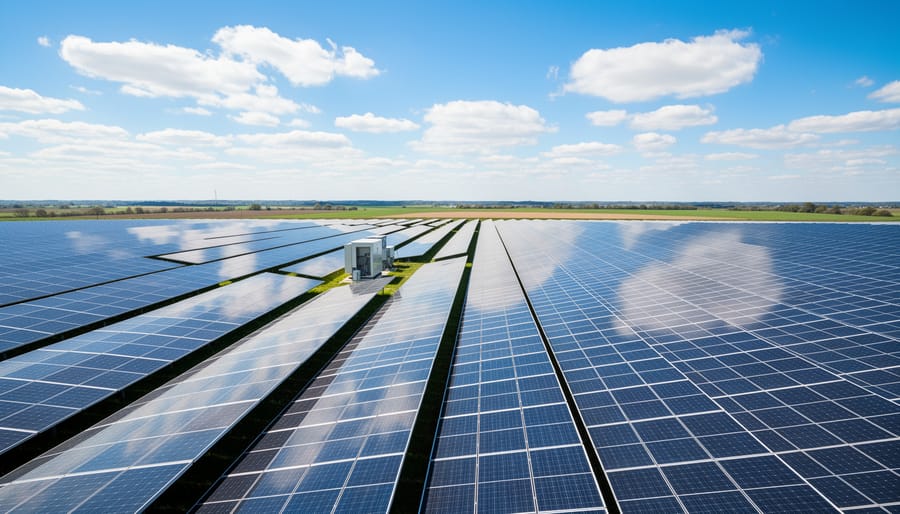
Quantifying the climate benefits of photovoltaic investments requires rigorous methodologies that extend beyond simple capacity metrics. Investors typically calculate avoided CO2 emissions by comparing the PV system’s electricity generation against the displaced grid energy mix, measuring the carbon intensity differential. For example, a 100 MW solar farm in a coal-dependent region may avoid approximately 150,000 metric tons of CO2 annually, while the same facility in a cleaner grid environment might prevent 50,000 tons.
Lifecycle carbon assessments provide a more comprehensive view by accounting for emissions generated during manufacturing, transportation, installation, operation, and decommissioning. Modern crystalline silicon panels typically achieve carbon payback within 1.5 to 3 years of their 25-30 year operational lifespan, resulting in a highly favorable net carbon reduction ratio.
Portfolio-level climate alignment assessment involves comparing investment strategies against science-based decarbonization pathways, such as those outlined by the Intergovernmental Panel on Climate Change. Leading institutional investors now employ temperature alignment metrics, evaluating whether their PV holdings contribute to limiting global warming to 1.5°C or 2°C scenarios. These frameworks integrate both direct emission reductions and the broader systemic impact of accelerating renewable energy deployment, enabling sophisticated measurement of climate contributions alongside financial returns.
Community and Economic Development Outcomes
Photovoltaic infrastructure investments generate measurable community and economic benefits beyond environmental impact. Solar project development creates employment opportunities across multiple skill levels, from construction and installation positions to long-term operations and maintenance roles. Research indicates that utility-scale solar installations generate approximately 5-7 jobs per megawatt during construction phases, with additional permanent positions for facility management.
Local economic benefits extend through supply chain development, with projects sourcing materials and services from regional vendors when feasible. Communities hosting solar installations often receive property tax revenues and land lease payments, strengthening municipal budgets for public services. These financial contributions prove particularly significant in rural areas where traditional revenue sources may be limited.
Energy access expansion represents a crucial development outcome, especially in emerging markets where PV investments support electrification initiatives. Distributed solar systems provide reliable power to previously underserved communities, enabling educational advancement through extended study hours, improved healthcare delivery via refrigerated medicine storage, and enhanced economic productivity through extended business operations.
Universities collaborating on solar research projects further amplify community benefits by training the next generation of renewable energy professionals while advancing technological innovation. Educational program offerings associated with PV facilities create pathways for workforce development, ensuring communities possess the technical expertise to maintain and expand renewable energy infrastructure sustainably.
Third-Party Verification and Impact Reporting Standards
Validating and reporting PV investment impacts requires standardized frameworks that ensure transparency and accountability. The Impact Reporting and Investment Standards (IRIS+) provides comprehensive metrics specifically designed for renewable energy investments, enabling investors to measure environmental and social outcomes alongside financial returns. IRIS+ metrics include kilowatt-hours generated, carbon emissions avoided, and jobs created throughout project lifecycles.
The Global Real Estate Sustainability Benchmark (GRESB) assesses environmental performance of real assets, including solar infrastructure portfolios, offering comparative analysis across investment peers. Third-party verification through organizations like B Lab or the Climate Bonds Initiative adds credibility to impact claims. Many institutional investors now require annual impact reports using these frameworks, with universities increasingly partnering with financial institutions to develop enhanced measurement methodologies. These standards facilitate informed decision-making by providing consistent, comparable data across diverse PV investment opportunities, ultimately strengthening the credibility of impact investing in the solar sector.
Investment Vehicles and Entry Points for PV Infrastructure
Direct Project Investment and Development
Direct equity investment in solar projects represents a substantial commitment where investors acquire ownership stakes in utility-scale (typically 5+ MW) or commercial installations. This approach provides exposure to stable, long-term cash flows generated through power purchase agreements, often spanning 15-25 years with creditworthy off-takers such as utilities or corporations.
The risk-return profile varies considerably by project stage. Development-stage investments offer higher potential returns (12-18% IRR) but carry permitting, interconnection, and construction risks. Operational assets deliver more modest returns (6-10% IRR) with significantly reduced risk, backed by proven generation performance and contracted revenue streams.
Investors typically structure these investments through special purpose vehicles or project companies, allowing for tax equity partnerships that maximize benefits from federal Investment Tax Credits. While direct project ownership requires substantial capital commitments—often $10-50 million minimum—and specialized due diligence capabilities, it provides greater control and transparency than alternative investment vehicles. This investment structure particularly suits institutional investors seeking inflation-hedged infrastructure assets with measurable environmental impact.
Infrastructure Funds and Yieldcos
Infrastructure funds and yieldcos offer investors accessible entry points into diversified PV portfolios without requiring direct project development expertise. Infrastructure funds pool capital from institutional and qualified investors to acquire operational solar assets, providing exposure to multiple projects across geographies and technologies. These vehicles typically target stable, long-term returns through established revenue streams from power purchase agreements.
Yieldcos, publicly-traded entities that own renewable energy assets, democratize PV investment access through stock market liquidity. They distribute substantial portions of cash flow as dividends, appealing to income-focused investors seeking renewable energy exposure. Many yieldcos maintain relationships with parent developers who offer drop-down pipelines of quality assets, ensuring growth potential alongside current yield.
These pooled structures complement traditional green bond financing and emerging financing technologies, providing portfolio diversification while maintaining measurable environmental impact through standardized reporting frameworks that track carbon displacement and renewable energy generation metrics.
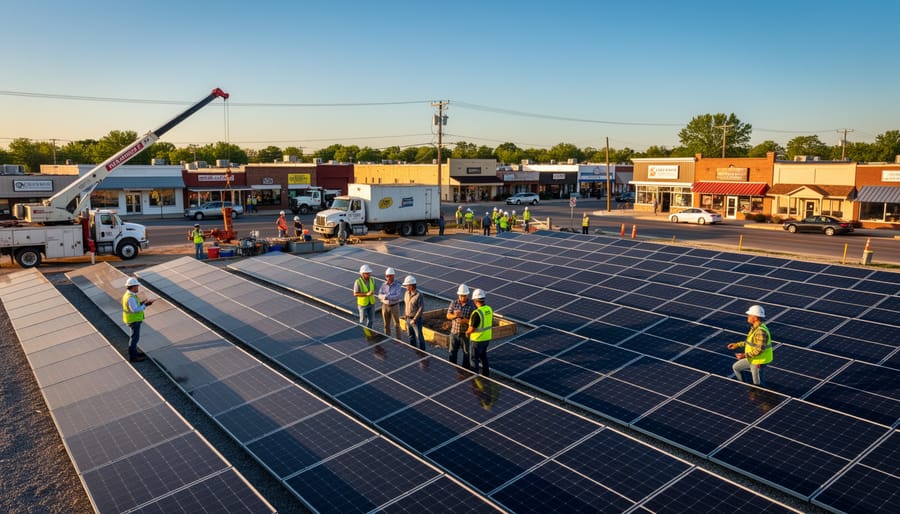
Manufacturing and Supply Chain Investments
Manufacturing and supply chain investments represent a critical segment of the PV investment landscape, addressing the growing global demand for solar components. Major capital allocations target PV module production facilities, with particular emphasis on automated manufacturing lines that reduce production costs while maintaining quality standards. Component manufacturing, including solar cells, inverters, and racking systems, attracts substantial investment as vertically integrated supply chains become increasingly strategic.
Emerging technologies offer compelling opportunities for forward-thinking investors. Solar tiles and roof shingles, which integrate seamlessly with building architecture, represent a high-growth market segment appealing to residential consumers seeking aesthetic solutions. These building-integrated photovoltaics require specialized manufacturing capabilities and material science expertise, creating partnership opportunities between established PV manufacturers and construction industry leaders.
Universities collaborate with manufacturers to advance production methodologies, developing workforce training programs that ensure skilled labor availability. This educational dimension strengthens investment cases by addressing potential supply chain bottlenecks while fostering innovation in manufacturing efficiency and product development.
Risk Considerations in Solar Infrastructure Investing
Technology and Performance Risks
Photovoltaic investments face several technology-related risks that require careful evaluation. Panel degradation typically occurs at 0.5-0.8% annually, meaning a 25-year-old system may operate at roughly 80-85% of original capacity. This predictable decline must factor into financial projections and maintenance budgets. Technology evolution presents a double-edged consideration: while newer panels offer improved efficiency and lower costs, existing installations remain economically viable throughout their operational lifespan. Rapid technological advancement doesn’t obsolete functioning systems but may affect secondary market valuations.
Performance variability stems from multiple sources including weather patterns, soiling accumulation, component failures, and grid curtailment requirements. Geographic location significantly influences production consistency, with some regions experiencing 15-20% annual variation. Investors should review historical generation data, warranty terms covering performance guarantees, and operations and maintenance protocols. Many institutional investors mitigate these risks through portfolio diversification across multiple sites and vintages. University research partnerships provide valuable insights into long-term degradation patterns and emerging performance optimization strategies, informing more accurate risk assessment models for sophisticated investment analysis.
Regulatory and Policy Risk Exposure
Photovoltaic investments face significant regulatory and policy risk exposure that can materially impact returns. Government subsidies, including investment tax credits, production-based incentives, and feed-in tariffs, have historically driven market growth and project economics. However, these mechanisms remain subject to political cycles and budgetary pressures, creating uncertainty for long-term investment horizons. Changes to tariff structures, such as modifications to net metering policies or time-of-use rates, directly affect revenue projections for distributed generation projects. Import tariffs on solar equipment can inflate capital costs, while trade disputes may disrupt supply chains. Grid interconnection standards and renewable portfolio requirements vary considerably across jurisdictions, influencing both market access and competitive positioning. Investors must conduct thorough due diligence on regulatory frameworks within target markets, incorporating scenario analysis that accounts for potential policy shifts. Diversification across geographic regions and regulatory environments can mitigate concentration risk, while engaging with policymakers and industry associations provides insight into emerging regulatory trends that may affect portfolio performance.
Market Competition and Pricing Pressures
The surge in solar capacity deployment creates a paradox for PV investors: while falling technology costs improve project economics, widespread adoption simultaneously depresses wholesale electricity prices during peak solar generation hours. This phenomenon, known as solar cannibalization, occurs when abundant midday solar production reduces spot market prices precisely when PV assets generate maximum output. In markets with high solar penetration like California and Germany, afternoon price curves have flattened significantly, directly impacting revenue projections for new installations.
Strategic investors must evaluate several competitive factors when assessing PV opportunities. Geographic diversification mitigates concentration risk, while incorporating energy storage systems enables load shifting to capture premium evening pricing. Additionally, long-term power purchase agreements provide revenue stability that insulates projects from volatile merchant market exposure. Understanding local market dynamics, including renewable energy certificate values and capacity mechanisms, becomes essential for accurate financial modeling. Investors should also consider how regulatory frameworks evolve to address integration challenges, as policy adjustments can materially affect asset valuations and returns across portfolio holdings.
The Role of Education in Advancing PV Investment Opportunities
Education serves as a critical foundation for advancing PV investment opportunities by strengthening project quality, operational performance, and risk management across the solar value chain. As the photovoltaic sector grows increasingly sophisticated, well-trained professionals directly influence investment outcomes through improved system design, optimized installation practices, and enhanced asset management capabilities.
Professional development programs create a qualified workforce capable of executing projects that meet or exceed performance expectations, thereby reducing technical risk for investors. When solar professionals possess comprehensive knowledge of system engineering, financial modeling, and regulatory compliance, they deliver projects with higher capacity factors and lower operational expenditures. This competency directly translates to improved internal rates of return and more predictable cash flows for institutional investors.
Educational initiatives also facilitate knowledge transfer between academic institutions and industry practitioners, ensuring that emerging technologies and best practices reach the market efficiently. Universities collaborating with solar companies provide research-driven insights into system optimization, degradation analysis, and performance monitoring, all of which inform investment due diligence processes.
Furthermore, standardized training and certification programs establish benchmarks for professional competency, enabling investors to assess project team qualifications more effectively. This transparency reduces information asymmetry in solar transactions and supports more efficient capital allocation. Educational program offerings that address financial analysis, impact measurement, and market dynamics specifically prepare professionals to communicate effectively with the investment community, bridging the gap between technical execution and financial performance. Organizations that prioritize workforce development ultimately deliver more bankable projects, attracting capital at favorable terms while advancing the sector’s overall maturity.
Solar photovoltaic infrastructure has matured into a compelling asset class for impact investors seeking measurable environmental outcomes alongside competitive financial returns. The convergence of declining technology costs, improved project finance structures, and standardized impact measurement frameworks has transformed PV investments from emerging opportunities into established portfolio components. Today’s investors benefit from sophisticated tools that quantify carbon displacement, grid stability contributions, and community-level benefits with unprecedented precision. Financial performance metrics increasingly demonstrate that solar projects deliver risk-adjusted returns comparable to traditional infrastructure while providing clear additionality in emissions reduction. As regulatory frameworks strengthen globally and corporate renewable energy commitments accelerate, the trajectory for PV investments points toward continued expansion across both developed and emerging markets. The sector’s evolution reflects broader trends in sustainable finance where rigorous impact assessment meets institutional-grade investment opportunities, positioning solar infrastructure as a cornerstone of climate-aligned portfolios for the coming decade.