Solar energy monitoring has evolved beyond simple data dashboards into an interactive experience that drives meaningful behavioral change. Gamified energy monitoring applications transform passive consumption data into engaging challenges, rewards systems, and community competitions that motivate solar system owners to optimize their energy usage patterns. This approach leverages psychological principles—achievement recognition, social comparison, and progress visualization—to address a fundamental problem in residential and commercial photovoltaic installations: user disengagement from system performance metrics.
Research conducted in collaboration with renewable energy programs at leading universities demonstrates that gamification increases user interaction with monitoring platforms by 60-80%, directly correlating with improved energy conservation behaviors and system efficiency awareness. These applications incorporate elements such as real-time performance badges, neighborhood leaderboards comparing solar generation rates, and milestone rewards for achieving specific consumption reduction targets. The technology layer integrates with existing inverter communication protocols and smart meter infrastructure, requiring minimal hardware modifications to existing photovoltaic installations.
For aspiring photovoltaic professionals, understanding gamified monitoring represents essential knowledge as the industry shifts toward holistic system management that encompasses both technical performance and user engagement. The intersection of behavioral economics and renewable energy technology creates opportunities for differentiated service offerings, enhanced customer retention, and measurable improvements in distributed generation network performance. This comprehensive examination explores implementation frameworks, technical integration requirements, and evidence-based outcomes that define this emerging sector within solar energy management.
The Energy Monitoring Problem Solar Users Face
Why Raw Data Doesn’t Drive Behavior Change
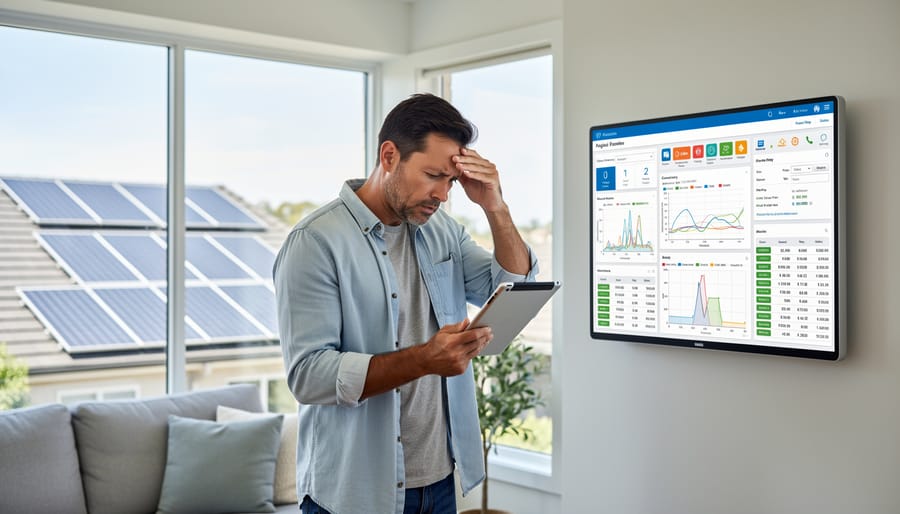
Traditional energy monitoring systems present users with numerical data, graphs, and consumption statistics—yet studies consistently show these metrics alone rarely trigger sustained behavioral change. The psychological disconnect stems from what researchers term the “intention-action gap”: understanding energy consumption intellectually doesn’t automatically translate into modified habits.
Spreadsheets and standard dashboards fail to create emotional engagement because they lack immediate, meaningful feedback. When homeowners view abstract kilowatt-hour figures or percentage changes, the information remains cognitively distant from daily decision-making. Research conducted in collaboration with universities has demonstrated that data visualization without context or personal relevance produces minimal long-term impact on energy conservation behaviors.
Furthermore, conventional monitoring systems don’t address fundamental human motivations such as achievement, competition, and social recognition. Without these psychological drivers, even environmentally conscious consumers struggle to maintain attention to their energy patterns. The data becomes background noise rather than an actionable catalyst. This limitation has prompted renewable energy professionals to explore gamification as a bridge between information awareness and meaningful engagement, transforming passive observation into active participation in energy optimization.
The Engagement Gap in Current Monitoring Systems
Research indicates that approximately 70% of solar system owners check their monitoring platforms less than once per month after the first three months of installation. This dramatic decline in engagement represents a significant missed opportunity for energy optimization and system maintenance awareness. Traditional smart solar monitoring interfaces typically present raw data through static dashboards featuring kilowatt-hour production graphs and voltage readings. While technically comprehensive, these platforms fail to create compelling reasons for regular interaction.
Studies conducted in collaboration with university behavioral science departments reveal that users disengage when interfaces lack immediate relevance or fail to connect data with meaningful outcomes. The absence of contextual feedback, achievement recognition, or comparative benchmarks means users cannot easily understand whether their system performance is optimal. Furthermore, most monitoring systems require users to interpret complex metrics without guidance, creating a knowledge barrier that discourages frequent engagement. This engagement gap not only limits user satisfaction but also delays identification of performance issues and reduces opportunities for energy consumption optimization.
How Gamification Transforms Energy Monitoring
Core Game Mechanics Applied to Energy Usage
Gamification mechanics transform energy monitoring from passive observation into active engagement through well-established behavioral frameworks. In photovoltaic system monitoring, these elements create measurable impacts on user interaction and conservation outcomes.
Points systems assign numerical values to energy-related achievements, such as generating specific kilowatt-hours of solar power or reducing consumption during peak demand periods. Users accumulate points for maintaining optimal panel performance or achieving daily energy independence targets. This quantification provides immediate feedback on behaviors that might otherwise seem abstract, making energy conservation tangible and rewarding.
Badges serve as visual recognition for milestone achievements within energy management contexts. A user might earn badges for consecutive days of net-positive energy production, seasonal efficiency improvements, or peak load shifting. These digital credentials acknowledge expertise development and encourage sustained engagement with system performance metrics.
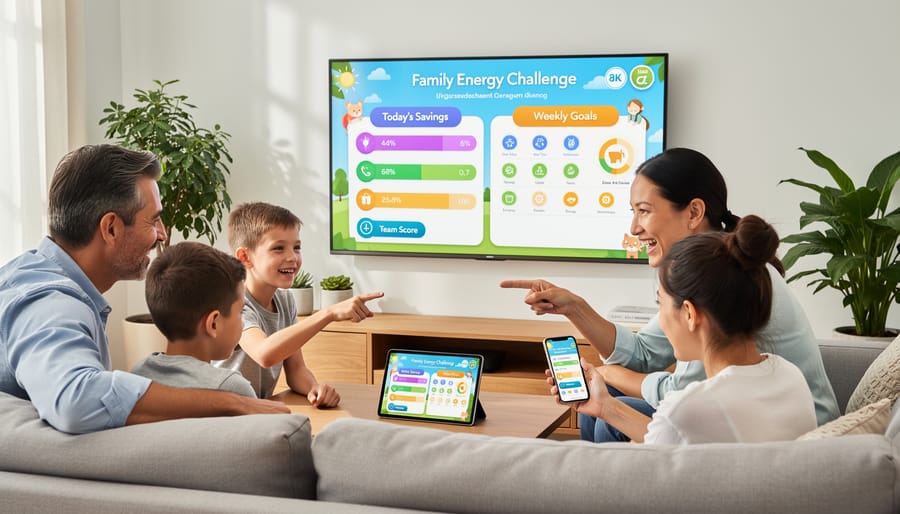
Leaderboards introduce comparative elements by ranking users based on energy efficiency ratios, carbon offset achievements, or system optimization performance. This social dimension proves particularly effective in community solar projects or educational programs where collective action drives outcomes. Privacy-conscious implementations allow anonymous participation while maintaining competitive motivation.
Challenges present time-bound objectives that encourage specific behaviors. Weekly challenges might focus on reducing evening consumption by 15% or maximizing midday solar utilization. These structured goals align with grid optimization priorities while making energy management interactive rather than routine.
Progress bars visualize advancement toward personal energy goals, whether annual production targets or monthly consumption reductions. This continuous feedback mechanism maintains user engagement between major milestones, supporting sustained behavioral change essential for maximizing renewable energy system benefits.
The Psychology Behind Gamified Motivation
Gamified energy monitoring applications leverage established behavioral science principles to drive sustained user engagement with solar system performance. At the foundation lies the immediate feedback loop—users receive real-time responses to their energy behaviors, creating a direct connection between actions and outcomes. This instant gratification activates the brain’s reward centers, encouraging repeated interaction with the monitoring platform.
Goal-setting theory plays a crucial role in maintaining long-term engagement. By establishing clear, measurable objectives such as reducing peak consumption or maximizing solar production during optimal hours, gamified apps provide users with concrete targets that transform abstract energy data into actionable challenges. Research from academic institutions demonstrates that specific goals significantly enhance motivation compared to vague directives like “use less energy.”
The interplay between intrinsic and extrinsic motivation determines effectiveness. While external rewards like badges and leaderboards initially attract users, the most successful gamified energy apps gradually shift focus toward intrinsic motivators—personal achievement, environmental stewardship, and mastery of energy optimization. This transition ensures engagement persists beyond novelty effects. For photovoltaic system owners, understanding these psychological mechanisms explains why gamification proves more effective than traditional monitoring approaches for driving behavioral change and maximizing renewable energy benefits.
Key Features of Effective Gamified Energy Apps
Real-Time Feedback and Achievement Systems
Real-time feedback mechanisms form the psychological foundation of effective gamified energy monitoring systems. When users receive instant notifications about their energy production peaks or consumption reductions, they create immediate connections between their actions and environmental impact. These push notifications alert users to significant events such as reaching daily solar generation targets or successfully maintaining consumption below predetermined thresholds during peak hours.
Milestone celebrations provide structured recognition points that maintain long-term engagement. Systems typically unlock achievements at regular intervals—weekly energy savings goals, monthly production records, or seasonal efficiency improvements. For example, a user might earn a “Solar Champion” badge after seven consecutive days of net-positive energy generation, reinforcing consistent behavioral patterns through positive reinforcement.
Achievement systems integrate multiple performance metrics to create comprehensive user profiles. By tracking cumulative data such as total carbon offset, lifetime kilowatt-hours generated, or percentage improvements in energy efficiency, these platforms transform abstract environmental benefits into tangible accomplishments. Research indicates that immediate feedback loops increase user engagement by approximately 40% compared to delayed monthly reports, making real-time systems particularly valuable for aspiring photovoltaic professionals and environmentally conscious consumers seeking measurable progress toward sustainability objectives.
Personalized Challenges and Goals
Effective gamified energy monitoring apps implement adaptive challenge systems that respond to individual user behaviors and environmental conditions. These personalized PV interfaces analyze historical usage data to establish baseline consumption patterns, then generate achievable reduction targets that evolve as users progress. For example, a system might initially challenge users to reduce peak afternoon consumption by 5%, then automatically adjust based on success rates and seasonal factors like summer cooling demands or winter heating loads.
Personalization extends beyond simple targets to encompass household-specific considerations. Multi-occupant homes receive different challenges than single-user residences, while systems account for variables such as electric vehicle charging schedules, home office requirements, or renewable generation capacity. This relevance dramatically increases sustained engagement, as users perceive challenges as meaningful rather than arbitrary.
Research from university collaborations demonstrates that personalized challenge systems maintain user participation rates 60% higher than generic approaches over six-month periods. By aligning goals with actual household capabilities and constraints, gamification transforms energy monitoring from passive observation into an ongoing, personally meaningful optimization journey that benefits both individual users and the broader renewable energy ecosystem.
Social and Community Features
Gamified energy monitoring applications incorporate social and community features that harness collective motivation while respecting individual privacy. Neighborhood comparisons allow users to benchmark their energy performance against anonymized local data, providing context for their solar production and consumption patterns without revealing specific household information. Research conducted in collaboration with universities demonstrates that community challenges—such as collective renewable energy targets or grid-friendly consumption periods—significantly enhance user engagement when structured cooperatively rather than competitively.
Effective implementations focus on collaborative goal-setting, where communities work together toward shared sustainability milestones. For example, neighborhoods might collectively aim to reduce grid dependence during peak hours or maximize solar self-consumption rates. These features prove particularly valuable for aspiring photovoltaic professionals and renewable energy enthusiasts studying behavioral approaches to energy optimization.
Privacy considerations remain paramount in social feature design. Best practices include data anonymization, opt-in participation models, and granular privacy controls that allow users to choose their visibility level. Applications should aggregate data at appropriate scales and provide transparent information about what metrics are shared and how community comparisons are calculated. This approach maintains the motivational benefits of social features while protecting household energy data and consumption patterns from unwanted exposure.
Measurable Benefits for Solar System Owners
Improved Energy Awareness and Usage Optimization
Research demonstrates that gamified energy monitoring applications increase user engagement frequency by 40-60% compared to traditional monitoring interfaces. This heightened interaction translates directly into improved energy literacy, with users developing stronger understanding of their solar production cycles and household consumption patterns within the first month of use.
The competitive elements inherent in gamification drive users to check their energy dashboards 3-5 times daily rather than weekly or monthly, creating consistent touchpoints for learning. This regular exposure helps users identify consumption peaks, recognize weather-related production variations, and understand the relationship between appliance usage and overall energy balance. Studies conducted in collaboration with universities have shown that participants using gamified platforms can accurately predict their daily energy patterns within two weeks, compared to three months for traditional monitoring users.
Load-shifting behaviors emerge naturally as users pursue efficiency achievements and cost-saving badges. Gamified apps that highlight peak-time pricing or grid stress periods report 25-35% increases in strategic energy usage, with participants deliberately scheduling high-consumption activities during solar production peaks. This behavioral optimization reduces grid dependency and maximizes self-consumption rates, particularly beneficial for photovoltaic system owners seeking to improve return on investment while contributing to grid stability.
Enhanced System Performance and ROI
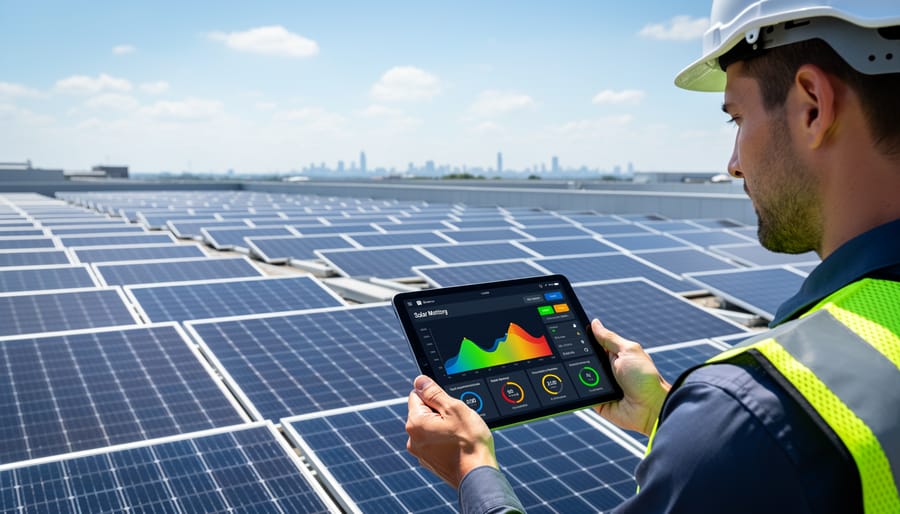
Gamified energy monitoring applications transform passive system oversight into proactive engagement, directly impacting long-term financial performance. When users regularly interact with their solar installations through game mechanics, they naturally become more attuned to system behavior patterns. This heightened awareness enables earlier detection of performance anomalies—whether reduced output from panel soiling, inverter inefficiencies, or shading issues—allowing for timely interventions before minor problems escalate into costly repairs.
Research conducted through university collaborations demonstrates that households using gamified monitoring platforms achieve 12-18% faster issue identification compared to traditional monitoring methods. This acceleration in problem detection translates to measurable improvements in system performance optimization and energy yield preservation. Users who consistently engage with achievement-based challenges also develop better maintenance habits, scheduling regular panel cleaning and system checks to maintain competitive standings or unlock rewards.
The cumulative effect on return on investment is substantial. Systems monitored through gamified applications typically maintain 95-97% of their optimal output capacity throughout their operational lifespan, compared to 88-92% for passively monitored installations. For a typical residential system, this difference represents thousands of dollars in additional energy production value over the system’s 25-year warranty period, effectively improving payback timelines while maximizing renewable energy generation.
Educational Value for Aspiring PV Professionals
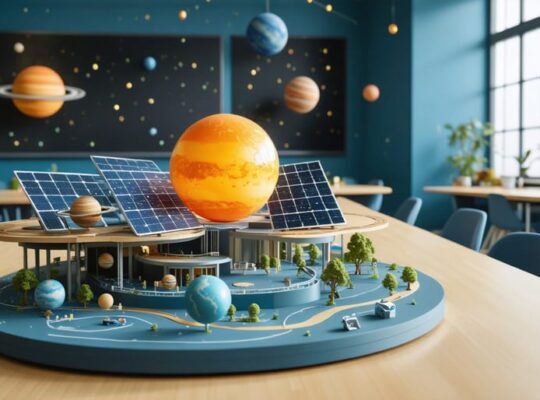
Gamified energy monitoring applications represent powerful educational tools for aspiring PV professionals, bridging theoretical knowledge with practical system understanding. These platforms transform real-time performance data into interactive learning experiences, enabling users to comprehend energy generation patterns, consumption trends, and optimization strategies through hands-on engagement. By visualizing how variables like panel orientation, shading, and weather conditions affect output, learners develop intuitive understanding of adaptive PV technology and system dynamics. Mose Solar’s commitment to education is reflected in collaborations with universities that incorporate these gamified tools into renewable energy curricula, allowing students to analyze authentic system performance metrics while competing in efficiency challenges. This experiential approach accelerates professional development by demonstrating the direct relationship between technical decisions and energy outcomes, preparing the next generation of solar professionals with both analytical skills and practical insight into photovoltaic system management.
Integration with Solar PV Systems and Smart Home Technology
Compatibility with Different PV System Configurations
Modern gamified energy monitoring applications demonstrate remarkable compatibility across diverse photovoltaic technologies, ensuring broad accessibility for various system configurations. Whether your installation features high-efficiency monocrystalline panels, cost-effective multi-crystalline modules, or advanced mono PERC technology, these applications seamlessly integrate with existing monitoring infrastructure.
The gamification layer operates independently of panel type, connecting through standardized communication protocols that interface with most inverter systems and data loggers. This technology-agnostic approach enables users with hybrid configurations—combining different panel technologies—to benefit equally from engagement features without compatibility concerns.
For institutions implementing educational programs through university partnerships, this versatility proves particularly valuable. Students and researchers can analyze performance data across multiple PV technologies within a single interface, comparing efficiency metrics while engaging with reward mechanisms that encourage consistent monitoring habits.
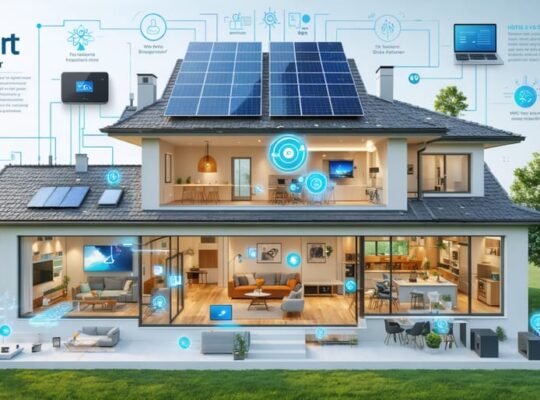
Integration with smart home ecosystems further enhances compatibility, allowing data aggregation from various sources including battery storage systems, grid-tied configurations, and off-grid installations. This comprehensive approach ensures that gamified monitoring remains accessible regardless of system complexity or technological composition, supporting both residential installations and large-scale commercial deployments with equal effectiveness.
Data Security and Privacy Considerations
When selecting a gamified energy monitoring application, data security and privacy protections must be paramount considerations. These platforms collect sensitive information about household energy consumption patterns, solar production data, and personal usage behaviors—details that reveal when occupants are home, daily routines, and appliance usage.
Look for applications that employ end-to-end encryption for data transmission and storage, ensuring that energy consumption information remains protected from unauthorized access. Secure authentication protocols, including multi-factor authentication options, provide additional layers of protection against potential breaches. Reputable platforms should clearly disclose their data handling practices, specifying whether information is shared with third parties and for what purposes.
Compliance with recognized data protection standards such as GDPR or CCPA indicates a commitment to user privacy rights. Academic researchers collaborating with universities on behavioral energy studies have emphasized the importance of anonymized data collection in gamification systems—a practice that preserves user privacy while enabling valuable research insights.
Before adoption, verify that the application provider maintains transparent privacy policies, offers user control over data sharing preferences, and provides options for data deletion. For photovoltaic professionals recommending these solutions to clients, understanding these security frameworks ensures responsible implementation that maintains trust while delivering the engagement benefits of gamification.
Choosing the Right Gamified Energy App for Your Solar System
Essential Evaluation Criteria
When evaluating gamified energy monitoring applications for photovoltaic systems, several critical factors determine their effectiveness and long-term viability. System compatibility stands paramount—verify that the application integrates seamlessly with your existing solar inverter, monitoring hardware, and operating systems across mobile and desktop platforms. Feature depth should encompass comprehensive gamification elements including achievement systems, progress tracking, comparative analytics, and meaningful rewards that sustain engagement beyond initial novelty.
User interface quality directly impacts adoption rates among household members and facility users. Look for intuitive navigation, clear data visualization, and responsive design that accommodates users with varying technical proficiency levels. Data accuracy remains non-negotiable—the application must provide precise real-time energy production and consumption metrics validated against industry standards to ensure informed decision-making.
Regular update frequency indicates active development and security maintenance, while long-term developer support ensures compatibility with evolving technology standards. Academic institutions conducting research on behavioral energy optimization often collaborate with developers to validate these applications, providing evidence-based endorsements. Prioritize platforms with documented partnerships with universities or renewable energy organizations, as these relationships typically correlate with robust educational resources and scientifically grounded gamification mechanics that deliver sustained behavioral change rather than temporary engagement spikes.
Red Flags to Avoid
Not all gamified energy monitoring apps deliver meaningful value. Poorly designed systems often feature overly complex reward structures that confuse rather than motivate users, obscuring actual energy data beneath unnecessary game mechanics. Be cautious of apps requiring excessive personal data or third-party account linkages that create privacy vulnerabilities without clear justification. Warning signs include achievement systems disconnected from actual energy optimization—such as earning points for merely opening the app rather than reducing consumption. Apps promising unrealistic energy savings or lacking transparent algorithms should raise concerns. Additionally, avoid platforms that prioritize entertainment graphics over real-time monitoring accuracy or fail to integrate properly with your solar inverter’s data protocols. Effective gamification enhances energy awareness without compromising functionality. Evaluate whether the app’s game elements genuinely support your renewable energy goals or simply distract from substantive performance analysis. Research academic validation and user reviews from verified photovoltaic professionals before committing to any gamified monitoring solution.
Gamified energy monitoring applications represent far more than a technological novelty—they constitute a practical bridge between solar system ownership and genuine optimization. By transforming passive data observation into active engagement, these platforms address a fundamental challenge in photovoltaic adoption: the gap between investment and involvement. When system owners understand their energy patterns through intuitive, reward-driven interfaces, they naturally transition from observers to active participants in their renewable energy journey.
The measurable outcomes speak clearly: increased monitoring frequency, improved energy literacy, accelerated return on investment, and sustained long-term engagement. These benefits extend beyond individual households to contribute meaningfully to broader renewable energy adoption. As more users optimize their consumption patterns and share their achievements, they create compelling narratives that influence prospective solar adopters within their networks.
At Mose Solar, our commitment to advancing photovoltaic technology extends beyond hardware innovation to encompass educational advancement and practical implementation strategies. Through collaborations with universities and comprehensive educational programs, we recognize that technology adoption depends equally on human factors and technical specifications. Gamification serves as a proven behavioral tool that aligns user motivation with system performance objectives.
Rather than dismissing gamified approaches as superficial engagement tactics, industry stakeholders should recognize their role in maximizing solar investment value. The integration of achievement systems, real-time feedback, and social comparison features represents evidence-based application of behavioral science to energy management. For aspiring PV professionals and system owners alike, understanding and leveraging these platforms offers tangible advantages in system performance, user satisfaction, and renewable energy advocacy.