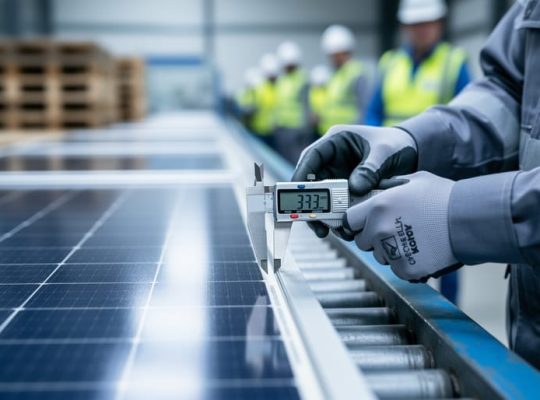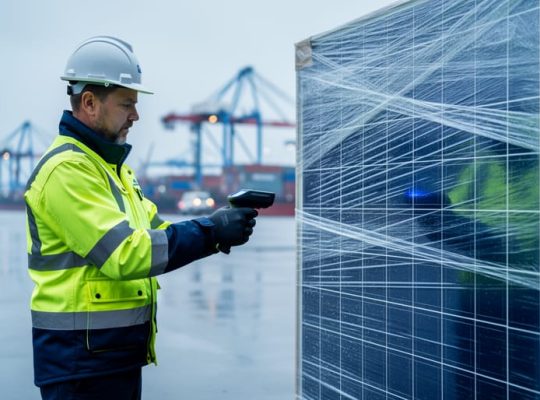
Customs compliance in photovoltaic logistics represents the difference between seamless international operations and catastrophic supply chain failures that can cost solar companies millions in penalties, detained shipments, and project timeline disruptions. As the solar industry accelerates toward global expansion, understanding and implementing proper customs protocols has transitioned from administrative necessity to strategic competitive advantage.
The complexity of importing solar panels, inverters, mounting systems, and battery storage components across international borders involves navigating harmonized tariff schedules, country-of-origin regulations, trade agreement provisions, and constantly evolving environmental compliance standards. A single misclassification of goods or incomplete documentation can trigger inspections that delay shipments for weeks, while repeated violations can result in increased scrutiny on all future imports, effectively crippling operational efficiency.
For aspiring photovoltaic professionals and supply chain managers entering this rapidly expanding sector, customs compliance knowledge directly impacts career advancement and organizational success. The financial implications extend beyond immediate penalties to include storage fees for detained goods, expedited shipping costs to recover timelines, potential contract breaches with installation partners, and reputational damage with regulatory authorities.
This comprehensive guide addresses the foundational principles of customs compliance specific to photovoltaic logistics, identifies common pitfalls that even experienced professionals encounter, and provides actionable frameworks for building robust compliance programs. Whether managing your first international solar component shipment or refining existing protocols to accommodate new trade regulations, understanding these compliance requirements protects both project profitability and professional credibility in an industry where margins are increasingly competitive and regulatory oversight continues to intensify.
The Critical Role of Customs Compliance in Solar PV Supply Chains
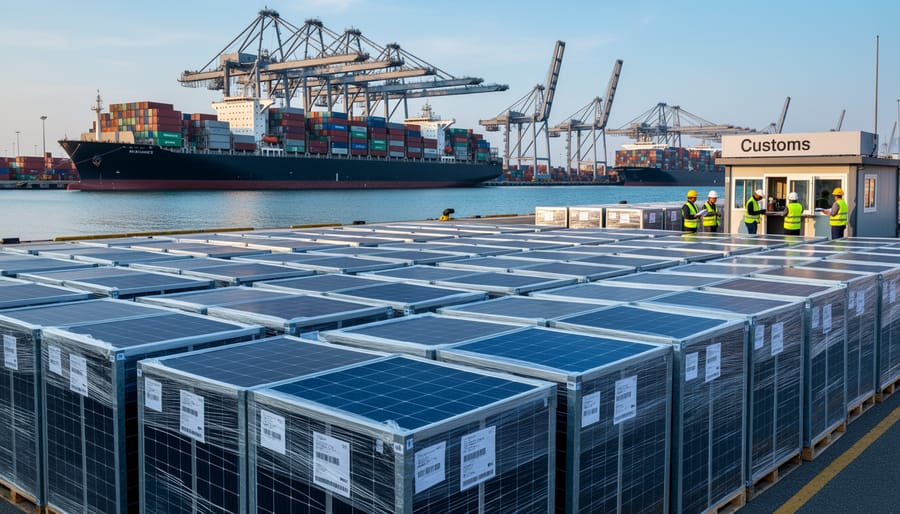
Global Sourcing and Cross-Border Complexities
The photovoltaic industry operates through highly fragmented global supply chains, with manufacturing concentrated in specific geographic regions while markets span continents. Silicon wafers may originate in one country, cells assembled in another, and modules completed elsewhere before reaching their final destination. This distribution creates complex customs scenarios requiring meticulous documentation and compliance oversight at each border crossing.
China, Southeast Asian nations, and increasingly India dominate PV component manufacturing, supplying modules to markets across North America, Europe, and beyond. Each jurisdiction maintains distinct tariff structures, preferential trade agreements, and regulatory frameworks that significantly impact import duties and documentation requirements. Understanding these variations becomes essential for cost-effective logistics planning and risk mitigation.
Cross-border compliance challenges intensify when components transit multiple countries before final assembly. Rules of origin become particularly critical, as they determine applicable duty rates and eligibility for trade preferences under agreements like USMCA or the EU’s Generalized Scheme of Preferences. Misclassification of a panel’s country of origin can trigger substantial penalties and shipment delays.
Supply chain transparency presents another layer of complexity. Recent regulations targeting forced labor in supply chains require importers to demonstrate ethical sourcing practices, adding verification requirements beyond traditional customs documentation. Trade tensions and anti-dumping measures further complicate the landscape, with circumvention investigations scrutinizing whether products undergo sufficient transformation in intermediate countries.
Successfully navigating these intricacies demands specialized knowledge, systematic documentation processes, and often collaboration with customs brokers experienced in renewable energy trade regulations.
Regulatory Variables Across Markets
Navigating the global photovoltaic supply chain requires understanding that each market presents distinct regulatory compliance requirements for solar products. Countries implement varying tariff structures, anti-dumping duties, and trade policies that directly impact import costs and clearance timelines.
The United States, for example, has imposed anti-dumping and countervailing duties on solar cells and modules from specific countries, with rates that can exceed 200 percent in some cases. The European Union maintains its own framework of minimum import prices and safeguard measures to protect domestic manufacturers. Meanwhile, emerging markets in Southeast Asia, Africa, and Latin America each enforce unique certification requirements, testing standards, and documentation protocols.
Tariff classifications under the Harmonized System codes determine duty rates, but interpretation varies by jurisdiction. A product classified under HS code 8541.40 in one country might face different treatment elsewhere, affecting landed costs significantly. Trade agreements like USMCA or regional partnerships can provide preferential treatment, but qualifying requires demonstrating rules of origin compliance through detailed supply chain documentation.
Anti-dumping investigations create additional complexity, as they can trigger retroactive duties or require cash deposits during preliminary determination periods. Companies must monitor trade policy developments continuously, as regulations evolve in response to geopolitical factors, domestic industry petitions, and environmental considerations. Understanding these market-specific variables enables photovoltaic professionals to develop compliant import strategies, optimize duty management, and maintain competitive positioning across diverse international markets.
Essential Documentation for PV Product Imports
Core Customs Documentation
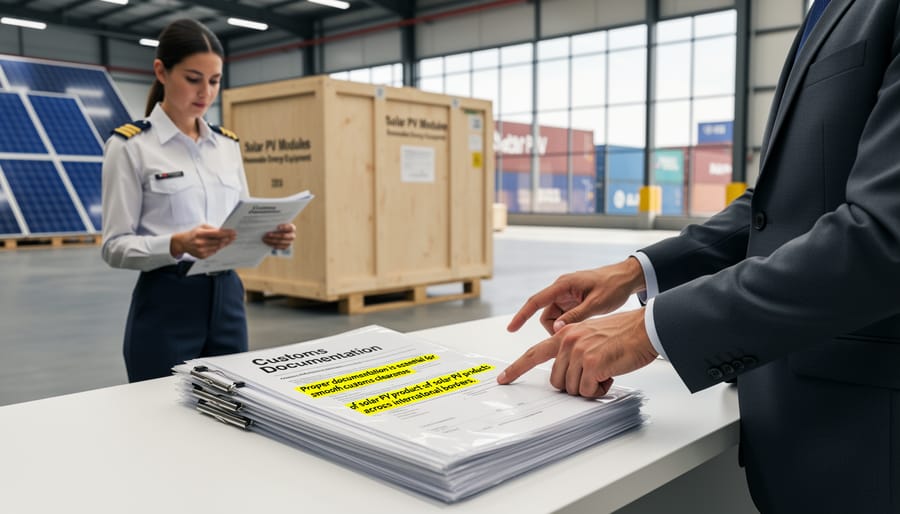
Successful customs clearance for photovoltaic products hinges on accurate and complete documentation. Understanding the specific requirements for PV shipments ensures smooth border crossings and prevents costly delays.
The commercial invoice serves as the foundation of your documentation package. For PV products, this document must detail the precise module specifications, including wattage ratings, manufacturer details, and unit prices. Customs authorities use this information to assess duties and verify shipment contents. Each line item should clearly distinguish between different product types, such as monocrystalline versus polycrystalline modules, as classification differences affect tariff rates.
Packing lists complement commercial invoices by providing detailed cargo information. These documents specify how modules are packaged, the number of units per container, gross and net weights, and pallet configurations. Given the fragile nature of solar panels, accurate packing documentation helps customs officials understand handling requirements and verify cargo integrity.
Bills of lading function as both shipping contracts and proof of ownership. For international PV shipments, ocean or air waybills track cargo movement from origin to destination. This documentation establishes the legal framework for cargo transfer and provides essential details about carriers, routing, and delivery terms.
Certificates of origin hold particular significance for PV products due to trade agreements and anti-dumping regulations. These documents verify where panels were manufactured, directly impacting applicable duty rates and import eligibility. Many countries require specific certificate formats that must be completed by authorized chambers of commerce or manufacturing facilities. Ensuring authenticity and proper completion of origin certificates prevents shipment rejection and potential penalties.
Technical and Certification Documents
Solar products entering international markets require comprehensive technical documentation to satisfy customs authorities and ensure regulatory compliance. International Electrotechnical Commission (IEC) certifications form the cornerstone of solar product documentation, with IEC 61215 for photovoltaic modules and IEC 61730 for module safety being particularly critical. These certifications verify that products meet internationally recognized performance and safety benchmarks.
Customs officials routinely examine detailed product specifications including electrical parameters, material composition, and manufacturing standards. Documentation must include test reports from accredited laboratories demonstrating compliance with destination country requirements. Certificates of conformity, which validate that products meet specific technical standards, are essential for clearance procedures.
For comprehensive supply chain compliance, manufacturers must maintain updated technical data sheets, material safety data sheets (MSDS), and quality management system certifications like ISO 9001. Many jurisdictions require UL certifications or equivalent local safety marks, necessitating proactive documentation preparation.
Proper organization of technical certificates streamlines customs processes and reduces clearance delays. Digital document management systems enable quick retrieval and verification, while ensuring version control for frequently updated certifications. Companies should establish protocols for monitoring certification expiration dates and renewal requirements across multiple markets, as expired documentation can trigger shipment holds and financial penalties.
Tariff Classification and HS Codes
Accurate tariff classification represents a critical compliance cornerstone in photovoltaic logistics. The Harmonized System (HS) code, a standardized international nomenclature maintained by the World Customs Organization, determines applicable duties, taxes, and regulatory requirements for PV products crossing borders. Solar panels, inverters, mounting systems, and battery storage equipment each require precise classification, with codes varying by material composition, voltage capacity, and technological specifications.
Common classification errors include misidentifying monocrystalline versus polycrystalline modules, incorrectly categorizing hybrid inverters, or applying generic electrical equipment codes to specialized solar components. Such mistakes trigger audits, penalty assessments, and shipment delays that disrupt project timelines. Professional development programs emphasizing customs classification equip supply chain managers with the analytical skills to navigate the eight-to-ten-digit coding system confidently.
Collaborating with customs brokers, legal advisors, and classification specialists helps verify code accuracy before shipment. Regular training on tariff updates ensures teams remain current as technology evolves and trade regulations shift, protecting both compliance integrity and cost efficiency.
Common Customs Compliance Challenges in PV Logistics
Valuation and Duty Assessment Issues
Proper customs valuation of photovoltaic equipment presents unique challenges that require careful attention to avoid compliance violations and financial penalties. Customs authorities evaluate imported solar modules, inverters, and system components using methods established by the World Trade Organization’s Valuation Agreement, with transaction value serving as the primary basis. However, complications arise when related-party transactions occur between subsidiaries or when transfer pricing arrangements don’t reflect true market values.
Solar industry importers must maintain comprehensive documentation supporting declared values, including invoices, contracts, and market comparisons. Transfer pricing policies between affiliated entities require particular scrutiny, as customs officials may reject declared values that appear artificially low. This connects directly to procurement risk management strategies that address upstream supply chain vulnerabilities.
Undervaluation penalties can reach significant multiples of duty owed, along with potential criminal sanctions for willful violations. Educational programs emphasizing valuation principles help professionals understand royalty adjustments, assists provided to suppliers, and subsequent proceeds that affect dutiable value. Collaborating with customs brokers and valuation specialists ensures your organization applies appropriate methods while documenting decision-making processes that demonstrate good faith compliance efforts during audits.
Country of Origin Determination
Determining the country of origin for photovoltaic products presents unique challenges due to their multi-component nature. A typical solar module contains materials sourced from various countries, including silicon wafers, glass, aluminum frames, junction boxes, and back sheets. Each component may originate from different manufacturing locations, complicating the classification process that customs authorities use to assess duty rates and verify compliance with trade agreements.
The substantial transformation test serves as the primary method for establishing origin. This principle considers where the product underwent its last substantial manufacturing process that resulted in a fundamental change in character or use. For PV modules, authorities typically recognize the cell-to-module assembly process as the substantial transformation point. However, interpretation varies across jurisdictions, creating compliance uncertainty for international shipments.
Trade agreements such as the United States-Mexico-Canada Agreement and various free trade arrangements offer preferential duty rates when origin requirements are satisfied. Misclassification can result in denied preferential treatment, retroactive duty assessments, and penalties. Professional guidance becomes essential when navigating regulations like Section 301 tariffs or anti-dumping duties, which specifically target products from certain countries. Maintaining detailed supplier documentation, including certificates of origin and manufacturing process records, proves critical for demonstrating compliance and supporting origin claims during customs reviews or audits.

Product Classification Disputes
Product classification disputes represent one of the most contentious areas in photovoltaic customs compliance, directly affecting duty rates and import costs. Customs authorities often disagree with importers about whether shipments constitute complete solar modules, semi-finished components, or raw materials. A fully assembled solar panel typically faces different tariff classifications than individual cells or glass substrates, with duty rates varying significantly between categories. The distinction between a component requiring minimal assembly versus a finished product can result in duty differences of 10-30 percent or more, substantially impacting project economics.
These classification challenges become particularly complex with integrated products like building-integrated photovoltaics or solar-plus-storage systems, where multiple technologies converge. Importers must provide detailed technical specifications, manufacturing process documentation, and intended use descriptions to support their classification positions. Misclassification, whether intentional or accidental, exposes companies to penalty assessments, shipment delays, and potential legal action. Working with customs brokers who specialize in renewable energy equipment and maintaining comprehensive product documentation helps minimize disputes. Many organizations invest in advance rulings from customs authorities to establish clear classification standards before large-scale importation, reducing uncertainty and ensuring budget accuracy for solar projects.
Building a Robust Customs Compliance Program
Establishing Internal Controls and Procedures
Robust internal controls form the backbone of sustainable customs compliance in photovoltaic supply chain operations. Organizations must establish standardized document management systems that maintain complete records of commercial invoices, packing lists, certificates of origin, and product specifications for all shipments. These documents serve as critical evidence during customs audits and ensure traceability throughout the import process.
Classification protocols require dedicated procedures for assigning accurate Harmonized System (HS) codes to solar panels, inverters, mounting systems, and components. Implementing a multi-tier review process—where technical teams verify product specifications before trade compliance specialists assign tariff codes—significantly reduces misclassification risks. Regular internal audits of past classifications help identify patterns and prevent recurring errors.
Compliance verification systems should incorporate pre-shipment checks that validate documentation accuracy, confirm regulatory requirements are met, and ensure proper valuation methods are applied. Automated compliance software can flag inconsistencies and regulatory changes affecting photovoltaic imports, though human oversight remains essential for complex determinations.
Personnel training programs constitute another critical control element. Staff members handling customs documentation must understand both general trade regulations and solar industry-specific requirements, including anti-dumping duties and environmental compliance standards. Regular knowledge assessments and continuing education opportunities ensure teams maintain current expertise as regulations evolve and new photovoltaic technologies enter international markets.
Partnering with Customs Brokers and Freight Forwarders
Selecting the right customs broker or freight forwarder requires evaluating their specific experience with photovoltaic products and international solar supply chains. Look for professionals who demonstrate comprehensive knowledge of HS code classifications for solar modules, inverters, and mounting systems, as misclassification remains a common source of compliance failures. Qualified partners should maintain current certifications such as Licensed Customs Broker status and provide references from other renewable energy companies.
Effective collaboration begins with transparent communication about your product specifications, origin certificates, and compliance documentation requirements. Share detailed technical data sheets, material composition reports, and manufacturing location information upfront to prevent clearance delays. Establish clear protocols for handling documentation discrepancies and define response timeframes for urgent customs inquiries.
Regular performance reviews ensure your customs partner maintains compliance standards as regulations evolve. Monitor key metrics including clearance processing times, documentation accuracy rates, and duty optimization effectiveness. Many successful PV importers schedule quarterly compliance audits with their brokers to review classification updates, trade agreement changes, and emerging regulatory requirements.
Universities and professional development programs increasingly offer specialized training in renewable energy logistics, creating opportunities to connect with customs professionals who understand sector-specific challenges. Consider partners who invest in continuing education and demonstrate commitment to staying current with solar industry trade policies.
Staying Current with Regulatory Changes
Maintaining customs compliance requires continuous monitoring of regulatory developments across international markets. Photovoltaic professionals must establish systematic approaches to track changes that impact solar product imports and exports.
Subscribe to official government notifications from customs authorities in your primary trading regions. Most countries offer email alerts or RSS feeds for tariff modifications, duty rate adjustments, and procedural updates. The World Trade Organization’s Trade Monitoring Database provides comprehensive coverage of global trade measures affecting renewable energy products.
Engage with industry associations such as the Solar Energy Industries Association (SEIA) or European Photovoltaic Industry Association (SolarPower Europe), which regularly brief members on regulatory developments and trade policy compliance issues. These organizations often provide interpretation guidance and advocacy support when new regulations emerge.
Partner with licensed customs brokers who specialize in solar technology. These professionals maintain direct communication channels with customs agencies and can alert you to imminent changes before official publication. Many offer client advisory services as part of their standard arrangements.
Invest in compliance management software that automatically updates harmonized tariff schedules and regulatory databases. These platforms reduce manual monitoring burdens while ensuring your team accesses current information for classification and valuation decisions.
Finally, participate in educational programs and certification courses focused on international trade law. Academic partnerships with universities offering supply chain and trade compliance curricula can strengthen your organization’s regulatory knowledge base.
Technology Solutions for Customs Compliance Management
Modern digital solutions have fundamentally transformed how photovoltaic companies manage customs compliance, offering unprecedented efficiency and accuracy in international trade operations. These technology platforms address the complex requirements of solar equipment logistics while reducing human error and administrative burdens.
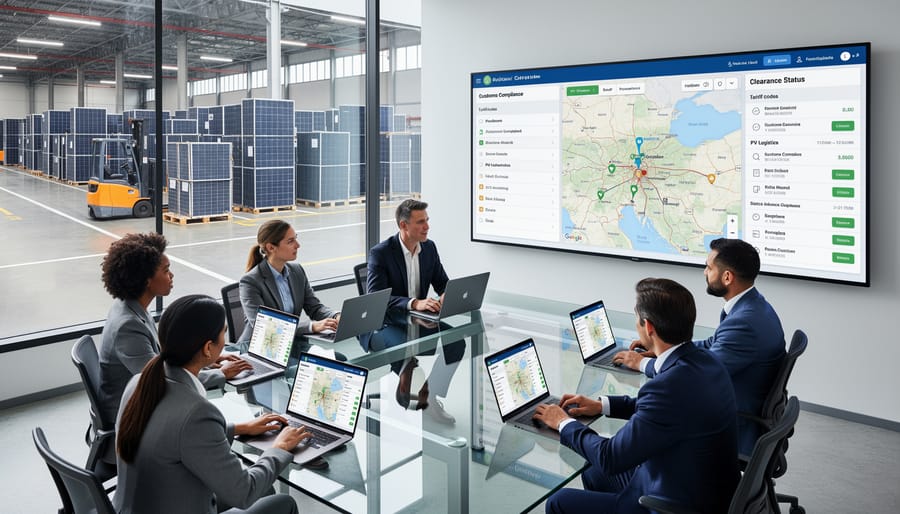
Global Trade Management Systems serve as comprehensive platforms for handling customs documentation, tariff classification, and regulatory requirements across multiple jurisdictions. These enterprise-level solutions integrate with existing ERP systems to automatically generate commercial invoices, certificates of origin, and shipping documents specific to PV components. Leading platforms maintain databases of harmonized tariff schedules and continuously update trade agreements, ensuring accurate duty calculations for solar panels, inverters, and mounting systems.
Automated Classification Tools utilize artificial intelligence to assign proper HS codes to photovoltaic products, a critical compliance function that determines applicable duties and import restrictions. These systems analyze product specifications, materials composition, and technical characteristics to recommend classifications, significantly reducing the risk of costly misclassification penalties. For complex PV equipment with multiple components, these tools provide detailed rationale supporting classification decisions, creating audit trails that satisfy customs authorities.
Real-time Tracking Solutions offer end-to-end visibility of solar shipments throughout the customs clearance process. These platforms monitor regulatory changes, alert users to potential compliance issues, and provide predictive analytics on clearance times. Integration with customs broker systems enables automated filing and status updates, while blockchain-enabled solutions provide immutable records of product origin and compliance documentation.
Educational institutions partnering with industry leaders increasingly incorporate training on these technology platforms into professional development programs, recognizing that proficiency with trade management systems represents an essential skill for supply chain professionals in the renewable energy sector. Investment in these digital solutions delivers measurable returns through faster clearance times, reduced detention fees, and minimized compliance risks.
Educational Resources and Professional Development
Developing robust customs compliance expertise requires ongoing education and professional development. As regulatory frameworks evolve and international trade agreements shift, photovoltaic professionals must stay current with the latest requirements, documentation standards, and risk management strategies.
Industry certifications provide structured pathways for building specialized knowledge in customs compliance. Programs such as Certified Customs Specialist (CCS) and Licensed Customs Broker credentials offer comprehensive training in classification systems, valuation methods, and regulatory procedures specific to solar equipment. These certifications enhance professional credibility while demonstrating commitment to maintaining high compliance standards.
Mose Solar has established collaborative educational programs with leading universities and technical institutes to address the growing demand for customs compliance training within the renewable energy sector. These partnerships integrate practical case studies from solar module logistics with theoretical frameworks, preparing professionals to navigate complex cross-border transactions effectively. The curriculum covers harmonized tariff classifications for photovoltaic components, country-of-origin determinations, and strategic planning for duty optimization.
Online learning platforms and industry webinars offer flexible options for professionals seeking to expand their expertise without disrupting current responsibilities. Organizations such as the International Chamber of Commerce and national customs authorities regularly publish updated guidance materials and host training sessions on emerging compliance topics.
Investing in continuous professional development not only reduces organizational risk but also positions individuals as valuable assets within the rapidly expanding solar industry. As global PV deployment accelerates, professionals with specialized customs compliance knowledge will increasingly drive operational efficiency and competitive advantage for their organizations.
Customs compliance represents far more than regulatory box-checking in photovoltaic logistics—it is a business-critical competency that directly impacts project timelines, cost structures, and competitive positioning in the rapidly expanding solar industry. As global PV installations continue their exponential growth trajectory, professionals who master customs compliance protocols position themselves as indispensable assets to their organizations. The complexities of tariff classifications, import documentation, trade agreements, and evolving regulatory frameworks require dedicated knowledge that separates successful supply chain operations from those plagued by delays and penalties.
For aspiring photovoltaic professionals, investing in customs compliance expertise offers tangible career advantages. This specialized knowledge reduces organizational risk, accelerates project delivery, and demonstrates the strategic thinking valued by industry leaders. As renewable energy transitions from emerging sector to mainstream infrastructure, the demand for professionals who understand the intersection of international trade law and clean energy technology will only intensify. By prioritizing customs compliance education—whether through formal training programs, industry certifications, or collaborative learning opportunities with academic institutions—you equip yourself with skills that enhance employability and contribute meaningfully to the solar industry’s mission of advancing sustainable energy solutions worldwide.