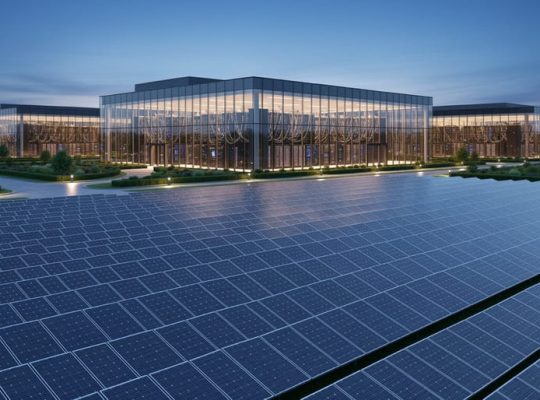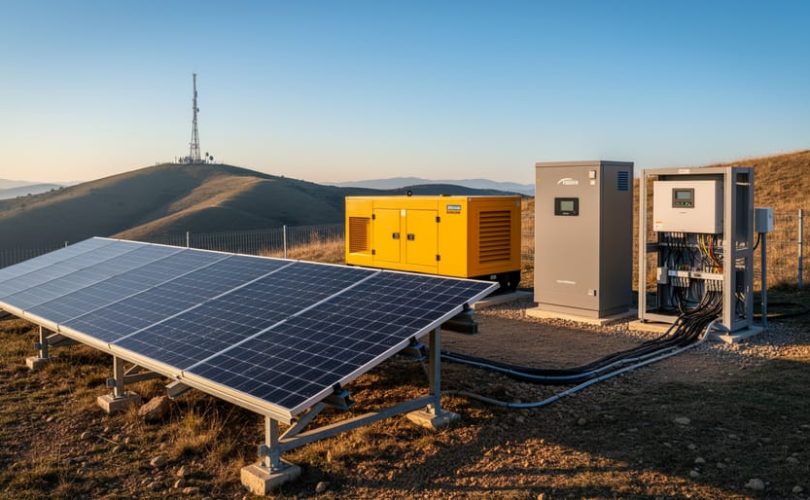
Solar and generator hybrid systems represent a critical evolution in distributed power generation, combining photovoltaic arrays with conventional generators to deliver reliable, cost-effective electricity where grid connections prove impractical or unreliable. These integrated solutions address the fundamental limitations of standalone systems: solar’s intermittency and generators’ operational costs.
The architecture integrates solar panels, battery storage, generator backup, and intelligent control systems that automatically switch between power sources based on load demand, battery charge levels, and solar availability. This orchestration reduces generator runtime by 50-80% compared to generator-only installations, translating directly to fuel savings, reduced maintenance intervals, and extended equipment lifespan.
Property owners and facility managers increasingly adopt hybrid configurations for telecommunications towers, remote industrial sites, agricultural operations, and island communities where fuel logistics impose substantial costs. The economics prove particularly compelling in regions with diesel prices exceeding $3 per gallon and solar irradiance above 4.5 kWh/m²/day, where payback periods typically range from 3-7 years.
Recent innovations in maximum power point tracking controllers, lithium-ion battery chemistry, and predictive load management algorithms have significantly improved system efficiency and reduced capital costs. Modern hybrid systems achieve 15-25% greater overall efficiency than off-grid solar PV systems operating independently, while maintaining generator availability for extended cloudy periods or unexpected demand spikes.
This comprehensive analysis examines system design methodologies, performance optimization strategies, component selection criteria, economic modeling approaches, and real-world deployment case studies to equip professionals with the technical knowledge required for successful hybrid system implementation across diverse applications and geographic contexts.
Understanding Solar and Generator Hybrid Architecture
Core System Components
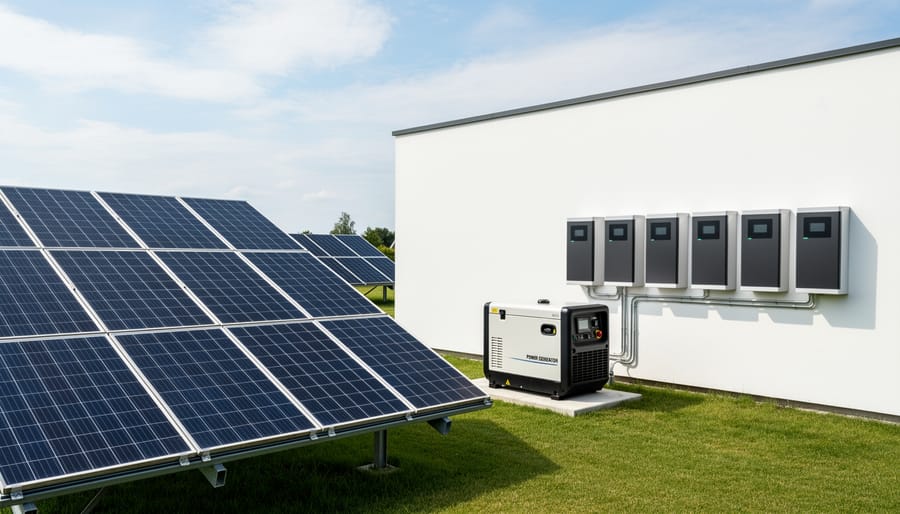
Solar and generator hybrid systems integrate multiple hardware components that work cohesively to deliver reliable, efficient power. At the foundation are solar photovoltaic arrays, which convert sunlight into direct current electricity. These panels are typically mounted on rooftops or ground structures, sized according to energy demands and available space. The generator unit, often diesel or natural gas-powered, serves as a backup energy source during extended periods of low solar production or high demand.
Battery storage systems form the critical energy reservoir, storing excess solar generation for use during nighttime hours or cloudy conditions. Modern lithium-ion or lead-acid batteries provide capacity ranging from several kilowatt-hours for residential applications to megawatt-hour scale for commercial installations. The inverters and control systems manage the complex energy flow between components, converting DC power from solar panels and batteries into usable AC electricity while ensuring optimal charging cycles.
Sophisticated charge controllers prevent battery overcharging and deep discharge, extending system lifespan. The control system employs intelligent algorithms to prioritize solar energy utilization, activating the generator only when necessary based on battery state-of-charge, load requirements, and user-defined parameters. This automated coordination maximizes renewable energy contribution while maintaining power reliability, making these integrated systems particularly valuable for remote locations, critical facilities, and applications requiring uninterrupted power supply.
How Energy Flow Management Works
Solar and generator hybrid systems employ sophisticated energy management controllers (EMCs) that continuously monitor power generation, consumption, and storage capacity to optimize system performance. These intelligent control systems operate on hierarchical prioritization logic designed to maximize renewable energy utilization while ensuring uninterrupted power supply.
The typical prioritization sequence begins with solar photovoltaic arrays as the primary energy source. When solar production meets or exceeds load demand, the EMC directs excess energy to charge battery storage systems. During this phase, the generator remains offline, reducing fuel consumption and mechanical wear. The controller continuously assesses state-of-charge levels, battery health parameters, and forecasted energy availability to make real-time switching decisions.
When solar generation proves insufficient—due to weather conditions, nighttime operation, or unexpectedly high loads—the system first draws from battery reserves. The EMC monitors discharge rates and predetermined depth-of-discharge thresholds to protect battery longevity. If stored energy depletes to critical levels or load requirements exceed combined solar and battery capacity, the controller automatically initiates generator operation.
Advanced systems incorporate programmable logic that accounts for time-of-use optimization, load prioritization, and generator efficiency curves. Many controllers feature adaptive algorithms that learn consumption patterns and adjust switching parameters accordingly. Some implementations also support grid-interactive functionality, enabling seamless transitions between multiple power sources. This intelligent orchestration ensures maximum renewable energy penetration while maintaining the reliability that backup generators provide, creating an efficient, resilient power solution suitable for diverse applications from remote installations to critical infrastructure.
Key Performance Advantages Over Single-Source Systems
Reliability During Low-Solar Periods
Solar and generator hybrid systems excel at maintaining reliable power delivery precisely when pure photovoltaic installations face their greatest challenges. During extended periods of cloud cover, nighttime hours, and seasonal variations in solar irradiance, the integrated backup generator automatically activates to bridge energy shortfalls. This seamless transition ensures continuous electricity supply without the massive battery banks that pure solar systems would require to achieve comparable autonomy.
The generator component typically monitors battery state-of-charge levels through sophisticated control systems. When stored solar energy depletes to predetermined thresholds—commonly between 40-50% capacity to preserve battery longevity—the generator starts automatically to recharge batteries and supply immediate loads. This intelligent switching mechanism proves particularly valuable during winter months when solar production can drop by 50-70% compared to summer peaks in many climates.
Research conducted through university collaborations has demonstrated that properly configured hybrid systems maintain 99.5% uptime even in regions experiencing weeks of reduced solar availability. The generator’s fuel reserve provides predictable backup capacity, eliminating the anxiety associated with depleted battery banks during consecutive overcast days. For off-grid installations and critical backup applications, this reliability advantage justifies the added complexity and fuel costs, delivering energy security that matches or exceeds grid-connected reliability standards.
Fuel Efficiency and Runtime Optimization
Solar integration in hybrid systems substantially reduces generator runtime and associated fuel consumption compared to generator-only configurations. Field studies demonstrate that well-designed hybrid systems can decrease generator operating hours by 50-80%, directly translating to proportional fuel savings. For example, a typical off-grid installation running a 10kW diesel generator 12 hours daily consumes approximately 30 liters of fuel. Adding a 5kW solar array with adequate battery storage can reduce generator runtime to 3-5 hours daily, cutting fuel consumption to 8-12 liters—a 60-70% reduction.
These savings compound significantly over system lifetime. A commercial installation might save 7,000-10,000 liters annually, representing substantial cost reductions and decreased carbon emissions. The solar component handles daytime baseload requirements and battery charging, relegating the generator to backup duty during extended cloudy periods or peak demand events. Academic research conducted through university collaborations confirms that optimal sizing—typically matching solar capacity to 40-60% of daily energy needs—maximizes fuel efficiency while maintaining reliability. Additionally, reduced generator cycling extends engine life and decreases maintenance frequency, creating secondary economic benefits beyond direct fuel savings.
Reduced Battery Sizing Requirements
One of the most significant economic advantages of solar-generator hybrid systems is the dramatic reduction in battery storage requirements. In standalone photovoltaic installations designed for complete energy independence, battery banks must provide sufficient capacity for multiple days of autonomy—typically three to five days—to account for extended periods of low solar irradiance. This requirement substantially increases both upfront investment and ongoing maintenance costs.
Hybrid systems fundamentally change this calculation. With a generator available as backup power during prolonged cloudy weather or unexpectedly high energy demand, battery banks need only bridge the gap between daily solar production cycles and nighttime consumption. This typically reduces required battery capacity by 50-70% compared to fully autonomous solar systems. For example, a standalone system requiring 40 kWh of storage capacity might need only 12-15 kWh in a hybrid configuration.
The cost implications extend beyond initial purchase price. Smaller battery banks experience less cycling stress, potentially extending operational lifespan and reducing replacement frequency. Additionally, reduced battery quantity means lower installation complexity, decreased space requirements, and simplified thermal management. Research conducted in collaboration with universities has demonstrated that optimal hybrid system design can achieve reliability targets while maintaining battery depth-of-discharge within manufacturer recommendations, maximizing both economic efficiency and system longevity.
Recent Innovations Driving Hybrid System Performance
Smart Load Management and Predictive Controls
Modern hybrid systems increasingly incorporate artificial intelligence and machine learning algorithms to optimize performance through intelligent load management. These advanced controllers analyze historical consumption patterns, real-time weather data, and grid conditions to make predictive decisions about energy allocation and generator operation.
Predictive control systems utilize satellite weather forecasts and on-site meteorological sensors to anticipate solar production hours or even days in advance. This foresight enables the system to strategically manage battery state-of-charge, preventing unnecessary generator cycles during periods when adequate solar generation is imminent. Research collaborations between industry leaders and universities have demonstrated that AI-driven forecasting can reduce generator runtime by 20-35% compared to conventional reactive controls.
Advanced load management extends beyond simple prioritization by learning occupancy patterns and usage behaviors. The system can defer non-critical loads to peak solar production hours, implement intelligent pre-cooling or heating strategies, and optimize battery discharge curves to minimize generator dependency. These controllers also predict maintenance requirements by monitoring engine parameters and operational hours, scheduling generator exercise cycles during optimal conditions.
Educational programs increasingly emphasize these control strategies as essential competencies for photovoltaic professionals, recognizing that system intelligence significantly impacts long-term operational costs and fuel consumption. Property owners benefit from reduced maintenance intervals and extended equipment lifespan through optimized start-stop sequences that minimize mechanical stress.
Advanced Battery Technologies
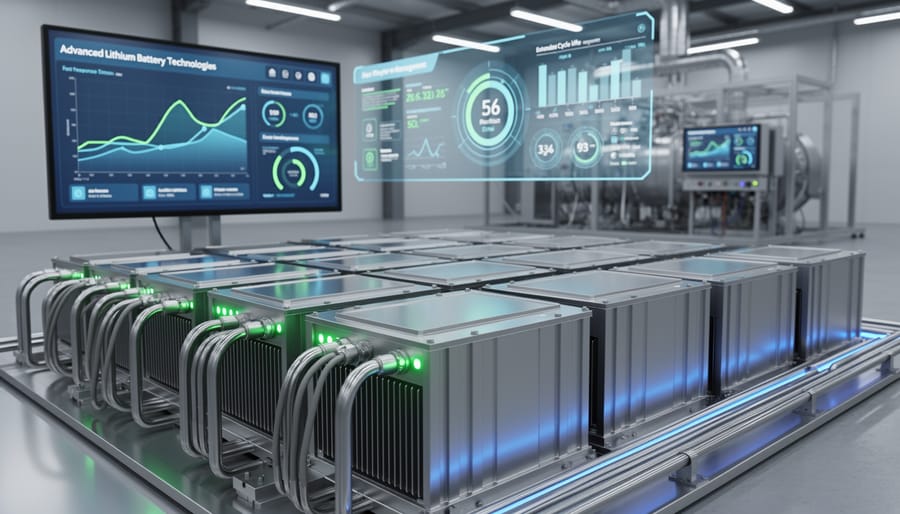
Modern battery storage technologies have transformed the performance capabilities of solar and generator hybrid systems. Lithium-ion batteries now dominate the market due to their superior energy density, extended cycle life exceeding 6,000 cycles, and rapid discharge rates that enable seamless load transitions. These characteristics significantly reduce generator runtime by efficiently capturing solar energy and providing instantaneous power during demand spikes.
Emerging chemistries are further enhancing system economics and reliability. Lithium iron phosphate (LiFePO4) batteries offer improved thermal stability and safety profiles, particularly valuable in high-temperature environments. Flow batteries present promising long-duration storage solutions for industrial applications, while solid-state technologies under development by university research partnerships aim to double energy density while reducing degradation rates.
The combination of faster response times—typically under 10 milliseconds—and declining costs now reaching $200-300 per kilowatt-hour installed makes advanced batteries economically competitive with traditional generator-only systems. This technological advancement enables hybrid configurations to maximize renewable energy utilization while maintaining the reliability that backup generators provide, ultimately reducing fuel consumption by 60-80 percent in typical applications.
High-Efficiency Solar Modules for Hybrid Applications
The efficiency of photovoltaic modules directly influences the solar-to-generator ratio in hybrid systems, with modern technologies significantly reducing fossil fuel dependency. Monocrystalline PERC (Passivated Emitter and Rear Cell) panels have emerged as the preferred choice for hybrid configurations, delivering conversion efficiencies exceeding 20% compared to conventional modules at 15-17%. This enhanced performance translates to smaller array footprints and increased energy capture during limited daylight hours, particularly valuable in off-grid installations where space constraints exist.
Advanced bifacial modules further optimize hybrid system performance by capturing reflected light from surrounding surfaces, achieving up to 30% additional energy generation in optimal conditions. These technologies extend daily solar production windows, postponing generator activation during morning and evening periods when demand typically rises. Research collaborations between leading manufacturers and universities continue advancing cell architectures, with heterojunction and tandem technologies demonstrating laboratory efficiencies approaching 27%.
For hybrid applications, temperature coefficients warrant careful consideration, as PERC panels maintain superior performance in elevated ambient conditions typical of generator enclosure proximity. Educational programs emphasize proper module selection based on site-specific irradiance patterns, ensuring maximum solar contribution while minimizing generator runtime, fuel consumption, and maintenance requirements across diverse deployment scenarios.
System Design Considerations for Optimal Hybrid Performance
Sizing the Solar Array Relative to Generator Capacity
Determining the optimal ratio between solar array capacity and generator size requires careful analysis of your specific load patterns, geographical location, and operational goals. In most hybrid configurations, the solar array is sized to handle 50-80% of the average daily energy consumption during peak sun hours, while the generator provides backup capacity and manages periods of insufficient solar production.
A common sizing approach involves calculating your daily energy demand in kilowatt-hours, then determining what portion solar can realistically supply based on your location’s solar irradiance data. For example, if your facility requires 100 kWh daily and receives 5 peak sun hours, a 20 kW solar array would theoretically meet this demand. However, accounting for system losses and weather variability, professionals typically oversize by 20-30%.
The generator should be sized to handle your peak instantaneous load plus a 20% margin, rather than total daily consumption. In the previous example, if peak demand is 15 kW, a 20 kW generator would suffice. This approach prevents oversizing the generator, which reduces fuel efficiency and increases maintenance costs.
Research from university collaborations has demonstrated that systems with solar-to-generator ratios between 1:1 and 3:1 (in terms of rated capacity) perform optimally across diverse applications. Higher ratios favor locations with excellent solar resources and predictable loads, while lower ratios suit areas with variable weather or critical power requirements. Educational programs offered through industry partnerships can provide detailed load analysis training to refine these calculations for specific installations.
Generator Selection and Compatibility
Selecting the appropriate generator for a hybrid solar system requires careful consideration of fuel type, power output capacity, and technological compatibility with existing photovoltaic infrastructure. The three primary generator options—diesel, propane, and natural gas—each offer distinct advantages depending on operational requirements and site conditions.
Diesel generators provide excellent power density and fuel efficiency, making them suitable for applications requiring extended runtime and high power output. They demonstrate superior performance in cold weather conditions and offer longer service intervals compared to gasoline alternatives. However, diesel fuel storage requires careful management and may face regulatory constraints in certain jurisdictions.
Propane generators present a cleaner-burning alternative with indefinite fuel storage capability, eliminating concerns about fuel degradation. This fuel type produces fewer emissions than diesel and operates more quietly, though propane typically costs more per kilowatt-hour generated. Natural gas generators offer the cleanest combustion profile and lowest operating costs where grid gas connections exist, though they require permanent infrastructure installation.
Compatibility with hybrid inverter systems represents a critical selection criterion. Modern generators must communicate effectively with system controllers through standardized protocols such as Modbus or CANbus. The generator’s voltage and frequency regulation capabilities should align with inverter specifications to ensure seamless power transitions. Start signals, automatic transfer switching, and load-sharing protocols require verification during system design.
Synchronization capabilities enable generators to operate in parallel with solar arrays, optimizing fuel consumption by running at ideal load percentages. Properly matched systems automatically start generators when battery reserves reach predetermined thresholds and cease operation once adequate solar charging resumes, maximizing renewable energy utilization while maintaining continuous power availability.
Application Scenarios Where Hybrids Excel
Remote Off-Grid Installations
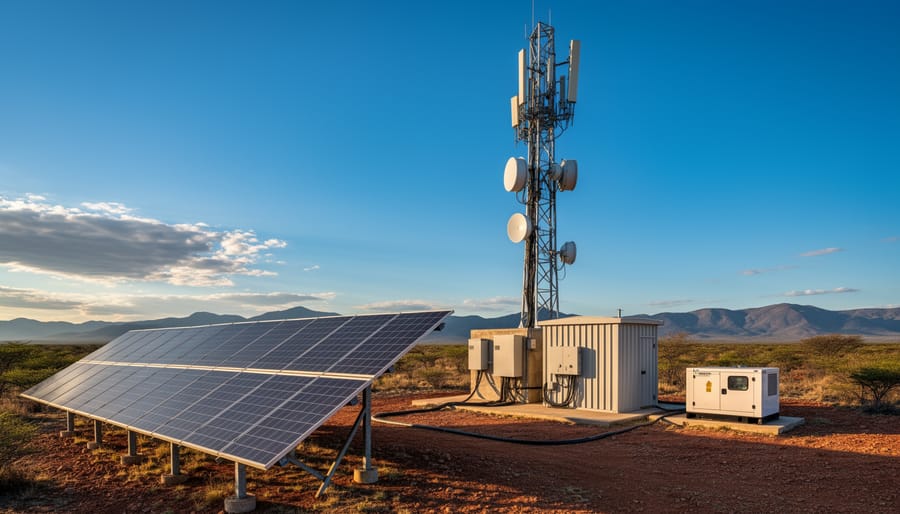
Remote locations without grid access represent critical applications where hybrid power systems deliver unmatched reliability. Telecommunications towers in mountainous or desert regions depend on continuous power to maintain connectivity, making solar-generator combinations essential for uninterrupted service. Research stations in polar and isolated environments face extreme weather conditions where fuel delivery is costly and infrequent, positioning hybrid systems as economically viable solutions that reduce logistical dependencies. Remote residential installations, particularly in developing regions or frontier areas, benefit from the autonomy these systems provide, eliminating expensive grid extension projects. The dual-source architecture ensures power availability during extended cloudy periods while maximizing renewable energy utilization. Battery storage bridges the gap between generation sources, maintaining supply during generator refueling or maintenance intervals. These installations typically incorporate intelligent load management and remote monitoring capabilities, enabling operators to optimize performance and schedule preventive maintenance efficiently, thereby ensuring mission-critical operations continue without interruption.
Agricultural and Industrial Operations
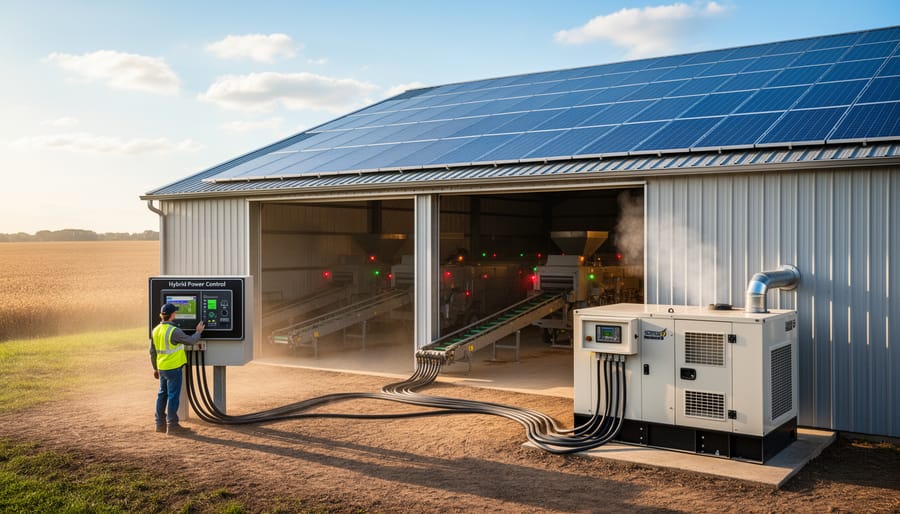
Agricultural and industrial operations present ideal applications for solar-generator hybrid systems due to their substantial daytime energy requirements that align naturally with peak photovoltaic production periods. Farms utilizing irrigation pumps, grain dryers, and refrigeration systems can dramatically reduce diesel consumption by sizing solar arrays to meet these predictable loads, while maintaining generator backup for extended cloudy periods or overnight operations. Processing facilities benefit similarly, with solar covering equipment operation during daylight hours and generators providing reliable supplemental capacity during production surges or seasonal demand variations. Research conducted in collaboration with universities demonstrates that properly designed hybrid systems in these sectors typically achieve 60-75% solar fraction, translating to significant fuel savings and reduced operating costs. Industrial sites with heavy machinery, welding equipment, and climate control systems particularly benefit from the load-sharing capabilities inherent in hybrid configurations, where solar handles base loads while generators manage peak demands, extending generator lifespan and maintenance intervals substantially.
Emergency Backup and Resilience Systems
Critical facilities such as hospitals, data centers, emergency services, and telecommunications infrastructure cannot tolerate power disruptions. Solar and generator hybrid systems offer an optimal solution by combining operational cost savings with reliability assurance. During normal conditions, photovoltaic arrays provide primary power generation, significantly reducing fuel consumption and operational expenses. The generator component serves as backup insurance, automatically engaging during extended periods of insufficient solar production or equipment maintenance.
This dual-layer approach delivers superior resilience compared to single-source systems. Research conducted in collaboration with universities demonstrates that hybrid configurations reduce generator runtime by 60-80% while maintaining 99.9% power availability for mission-critical loads. The integration of battery storage further enhances system resilience by providing instantaneous power during generator startup sequences and managing load transitions. Educational program offerings increasingly emphasize hybrid system design for emergency applications, recognizing their growing importance in infrastructure planning. For organizations where downtime costs exceed implementation expenses, hybrid systems represent a practical investment in both sustainability and operational continuity.
Economic Analysis: Total Cost of Ownership
Capital Investment Versus Long-Term Savings
Solar and generator hybrid systems require substantial initial investment, typically ranging from $15,000 to $50,000 depending on system capacity and configuration. The upfront costs encompass photovoltaic arrays, battery storage, inverters, charge controllers, and the generator unit itself. However, this capital expenditure must be evaluated against long-term operational savings.
Fuel consumption represents the most significant ongoing expense in traditional generator-only systems. Hybrid configurations reduce generator runtime by 50-80%, translating to proportional fuel savings. A system consuming 200 gallons monthly in generator-only mode might decrease to 40-80 gallons with solar integration, saving $5,000-$8,000 annually at current diesel prices.
Maintenance costs decline substantially as generator operating hours decrease. Engine overhauls, oil changes, and component replacements occur less frequently, extending equipment lifespan from 10,000 to potentially 20,000 hours. Modern lithium-ion batteries, while expensive initially, offer 10-15 year lifespans with minimal degradation when properly managed.
Payback periods typically range from 5-10 years, influenced by fuel prices, system size, and usage patterns. Remote installations with high fuel transportation costs achieve faster returns. Academic partnerships, including university-led research programs, continue refining economic models to optimize system configurations for different applications, ensuring stakeholders make data-driven investment decisions based on verified performance metrics.
Maintenance Requirements and Operational Costs
Hybrid systems offer distinct maintenance advantages compared to generator-only or oversized solar-battery configurations. Pure generator setups require frequent oil changes, filter replacements, and component inspections every 100-200 operating hours, translating to substantial recurring costs and downtime. Generator engines also face accelerated wear when cycling frequently or running at partial loads, common scenarios in standalone applications.
In contrast, hybrid configurations significantly reduce generator runtime—often by 60-80%—thereby extending service intervals and component lifespan proportionally. This reduction directly lowers fuel consumption, lubricant expenses, and spare parts replacement frequency. Solar modules require minimal maintenance beyond periodic cleaning and annual inspections, while battery management systems in hybrids actively prevent deep discharge cycles that degrade battery health.
Oversized solar-battery systems, while eliminating generator maintenance entirely, demand considerably larger battery banks to ensure reliability during extended cloudy periods. These expanded battery arrays increase replacement costs substantially every 5-15 years depending on chemistry, and require more sophisticated thermal management and monitoring infrastructure.
Comprehensive operational cost analyses demonstrate that hybrid systems typically achieve 30-50% lower total cost of ownership over 10-year periods compared to generator-only solutions, and 15-25% savings versus oversized solar-battery configurations. These advantages stem from optimized component utilization, reduced redundancy requirements, and minimized generator degradation through strategic load sharing.
Solar and generator hybrid systems have evolved from experimental configurations into mature, field-proven solutions for reliable off-grid power delivery. The integration of photovoltaic arrays with conventional generators addresses the fundamental challenge of renewable energy intermittency while substantially reducing fuel consumption, operating costs, and carbon emissions compared to generator-only installations. As demonstrated throughout this analysis, these systems deliver measurable performance advantages across diverse applications—from remote telecommunications infrastructure to rural electrification projects and emergency backup installations.
Within the broader landscape of hybrid and off-grid solar innovations, solar-generator combinations represent a pragmatic transition technology that leverages existing generator infrastructure while progressively incorporating renewable capacity. This evolutionary approach reduces implementation barriers and capital requirements, making sustainable power accessible to organizations and communities that might otherwise rely exclusively on fossil fuels. Recent advancements in intelligent energy management systems, lithium battery technology, and modular design have further enhanced system efficiency and operational flexibility.
For professionals seeking to deepen their expertise in this rapidly advancing field, comprehensive understanding of solar PV system design principles forms an essential foundation. Educational programs developed through university collaborations provide structured pathways for acquiring the technical competencies necessary for successful hybrid system specification, installation, and optimization. As global energy systems continue transitioning toward decarbonization, proficiency in hybrid system integration represents an increasingly valuable professional skillset with expanding career opportunities across the renewable energy sector.