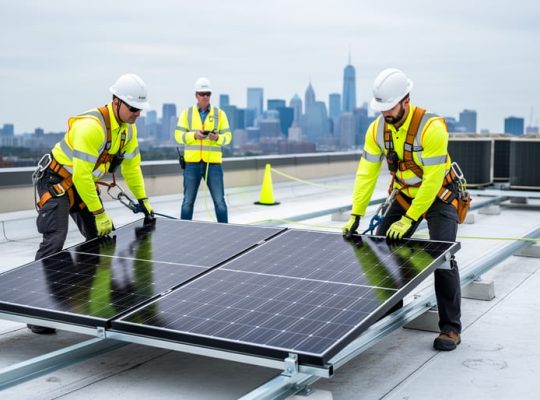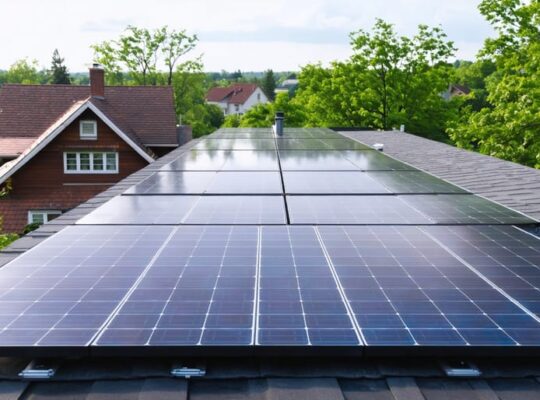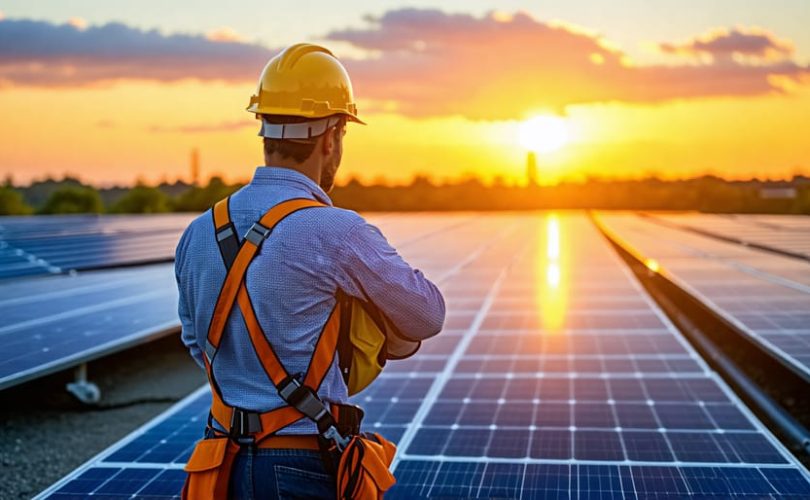
Ensure compliance by meticulously reviewing OSHA’s solar safety regulations, including standards related to fall protection, electrical safety, and personal protective equipment. Educate your team through comprehensive training programs that emphasize both awareness and adherence to these critical guidelines, fostering a culture of safety. Conduct regular safety audits and hazard assessments to identify and mitigate potential risks inherent in the photovoltaic installation process. Leverage educational partnerships, collaborating with universities and other institutions, to stay ahead of industry best practices and integrate cutting-edge safety innovations into your operations. As the solar industry’s growth continues, maintaining a robust compliance strategy is imperative for safety and sustainability.
Understanding OSHA Regulations for Solar Installations
General Industry Standards
The Occupational Safety and Health Administration (OSHA) outlines critical safety standards that apply to the photovoltaic industry, emphasizing the necessity of adherence for effective risk management. In this burgeoning sector, compliance with OSHA regulations is fundamental to safeguarding the workforce and maintaining operational integrity. Key areas of focus include hazard communication, fall protection, and electrical safety, pivotal in mitigating the dangers associated with solar installations and maintenance.
To facilitate a safe working environment, OSHA emphasizes the importance of comprehensive training programs, which are often developed in collaboration with universities and other educational institutions. By offering specialized educational programs, these collaborations ensure that both aspiring photovoltaic professionals and current industry practitioners are well-versed in critical safety protocols, enhancing preventive measures across the board.
OSHA’s guidelines also stress the necessity of using personal protective equipment (PPE) and implementing thorough safety audits to identify potential hazards proactively. Engaging with these standards not only reduces workplace injuries but also fosters a culture of safety, reflecting the industry’s commitment to sustainable and responsible energy production. Thus, adherence to these standards is not merely a regulatory requirement but an ethical imperative that supports the growth and credibility of the solar industry.
Construction Standards in Solar PV
In the realm of solar photovoltaic (PV) installations, compliance with construction-specific OSHA standards is paramount for ensuring worker safety. OSHA, or the Occupational Safety and Health Administration, offers comprehensive guidelines that address the unique hazards associated with solar PV projects. These regulations are designed to mitigate risks such as falls, electrical hazards, and structural collapses, which are prevalent in solar energy construction environments.
One of the primary standards applicable to solar PV installations is OSHA’s Fall Protection requirement, which mandates protective measures for workers operating at heights. Given the elevated installations on rooftops or elevated structures, appropriate harness systems, guardrails, and safety nets are essential to prevent accidents. Moreover, OSHA’s Scaffold standard is critical when erecting temporary platforms, ensuring stability and proper load-bearing capacity to safeguard workers during panel installation and maintenance.
Electrical safety is another crucial aspect highlighted by OSHA’s standards. Workers must follow the guidelines for Lockout/Tagout procedures, ensuring de-energization of electrical systems during maintenance, which is vital to prevent electrical shocks. Additionally, OSHA encourages regular training programs, often in collaboration with universities, to educate the workforce on these safety practices and the safe handling of electrical components.
By adhering to OSHA’s construction standards within the solar PV sector, professionals ensure not only compliance but also the establishment of a safer working environment, supporting the thriving development of renewable energy solutions.
Common Hazards in the Solar Industry
Electrical Safety
Solar installations present unique electrical hazards, demanding awareness and adherence to OSHA’s stringent safety standards. Due to the high voltage and current associated with photovoltaic systems, the risk of electric shock, arc flash, and thermal burns is significant. OSHA’s regulations mandate comprehensive safety measures to mitigate these risks. Workers must be educated on the principles of electricity and the specific dangers of DC circuits commonly found in solar arrays. The use of personal protective equipment (PPE) such as insulated gloves and arc-rated clothing is non-negotiable, ensuring that individuals are shielded from electrical hazards during installation and maintenance tasks.
To enhance safety, photovoltaic professionals should engage with educational programs offered in collaboration with universities, providing updated training on the latest safety practices and OSHA guidelines. Continuous education empowers workers to recognize and respond to potential electrical threats effectively. OSHA also emphasizes the importance of lockout/tagout protocols to de-energize circuits during servicing. All service panels should be clearly labeled, and access restricted to qualified personnel. Moreover, OSHA encourages the installation of safety covers and barriers to prevent accidental contact with live parts. By fully integrating these essential safety practices, the risk of electrical incidents in solar projects can be dramatically reduced, ensuring a safer working environment for all involved.
Fall Protection and Other Physical Threats
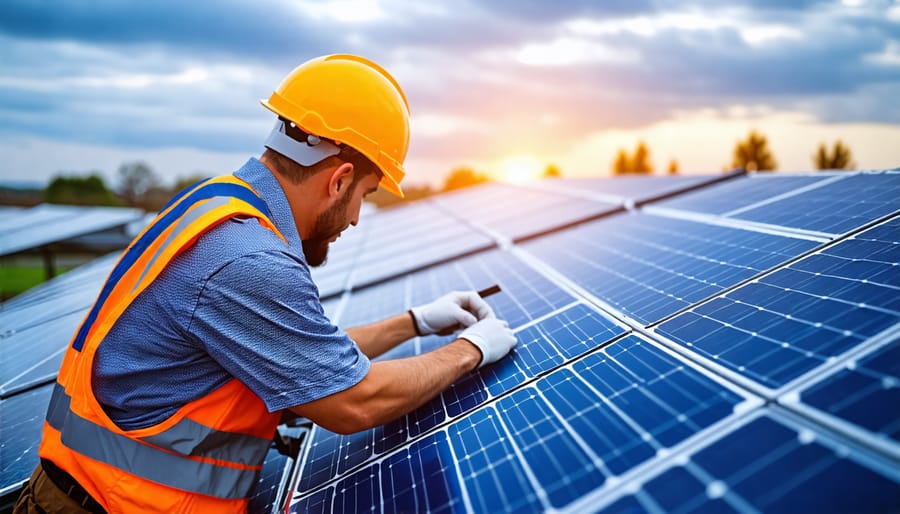
Working in the solar industry often involves elevated workspaces where fall protection is critical. OSHA’s regulations require the implementation of comprehensive fall prevention systems when individuals work more than six feet above a lower level. These systems typically include guardrails, safety nets, and personal fall arrest systems. It’s essential for photovoltaic professionals to inspect and maintain these systems regularly to ensure they meet OSHA standards and effectively prevent accidents.
Apart from falls, other physical threats such as electrical hazards, moving equipment, and installation tools pose significant risks. OSHA-approved safety measures, including clear labeling of electrical supplies, lockout/tagout procedures, and the use of proper personal protective equipment (PPE), are crucial in minimizing these dangers. Institutions often collaborate with universities and offer educational programs to ensure workers understand these safety protocols and apply them effectively. Such training includes recognizing potential hazards, proper equipment handling, and emergency response planning.
As the demand for solar energy grows, understanding OSHA’s safety regulations will be vital for aspiring photovoltaic professionals and industry stakeholders. By focusing on fall protection and recognizing other physical threats, the industry can advance safely and sustainably, aligning with both professional standards and environmental goals.
OSHA Compliance Strategies for Solar Companies
Employee Training and Certification
In the growing field of solar energy, understanding the critical role of safety is vital for aspiring photovoltaic professionals. Comprehensive training programs and certifications are essential to ensure workplace safety and regulatory compliance. OSHA (Occupational Safety and Health Administration) mandates specific safety procedures for solar installations to reduce the risk of accidents. Trainings often include hazard identification, safety equipment usage, and emergency response protocols, preparing workers to handle the unique challenges of solar projects safely. Educational institutions and collaborative industry initiatives, such as partnerships with universities, offer specialized programs focusing on solar safety standards. These programs not only aim to instill best practices but also to maximize efficiency in deploying solar technologies. Industry-recognized certifications, like those offered by the North American Board of Certified Energy Practitioners (NABCEP), further validate a professional’s expertise in maintaining safety compliance. By prioritizing safety education, the solar industry not only protects its workforce but also fortifies its commitment to sustainable and safe energy solutions.
Regular Safety Audits
Regular safety audits are essential in the solar industry, ensuring that companies remain compliant with OSHA standards and prioritize worker safety. By conducting these audits, photovoltaic professionals can identify potential hazards, evaluate the effectiveness of existing safety measures, and implement improvements before issues arise. This proactive approach not only prevents workplace accidents but also contributes to a culture of safety that benefits everyone involved.
Safety audits in the solar sector should be conducted regularly and systematically. They involve a comprehensive review of operations, equipment, and safety protocols. Engaging with external experts or collaborating with universities for audits can offer fresh insights and highlight overlooked risks. These collaborations can also serve as educational opportunities, helping organizations stay informed about the latest OSHA regulations and industry best practices.
Moreover, regular audits enhance accountability, fostering trust and transparency with industry stakeholders. As environmental consciousness grows among consumers, adhering to rigorous safety standards can become a competitive advantage, reflecting a commitment to ethical and sustainable business practices. Overall, regular safety audits are indispensable for maintaining OSHA compliance and ensuring the well-being of all solar industry workers.
Future Trends in Solar Safety and OSHA Innovations
As the solar industry rapidly evolves, so do the safety standards and regulations that govern it. One of the key future trends is the increasing importance of comprehensive training programs to ensure worker safety. The Occupational Safety and Health Administration (OSHA) is at the forefront of these innovations, collaborating with universities and educational institutions to develop specialized curricula that address the unique challenges of solar energy installations. By fostering partnerships, OSHA aims to create a workforce that is well-versed in the latest safety protocols and best practices.
In addition to educational initiatives, advancements in technology are also enhancing solar safety. The integration of IoT devices and wearable technology allows for real-time monitoring of conditions on solar farms, alerting workers to potential hazards before they become serious threats. This proactive approach is complemented by ongoing updates to regulatory frameworks that reflect the dynamic nature of the industry.
Overall, these developments are crucial for minimizing risks and promoting a culture of safety in the solar sector. As solar energy continues to grow as a sustainable resource, ensuring the protection of those who make it possible remains a top priority, driven by both technological progress and collaborative efforts within the industry.
Conclusion
In conclusion, OSHA guidelines are pivotal for enhancing the safety and sustainability of the solar photovoltaic industry. These regulations not only protect workers from potential hazards but also promote the overall efficiency and credibility of solar energy as a reliable renewable resource. By adhering to safety protocols, the industry can mitigate risks associated with installation and maintenance, thereby fostering a secure environment for growth. Collaboration with universities and the introduction of educational program offerings further support aspiring photovoltaic professionals in understanding and applying these essential safety measures. Ultimately, OSHA’s guidelines ensure a sustainable future for both the workforce and the solar sector.