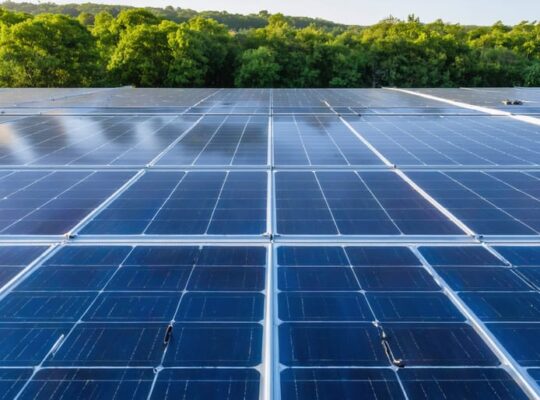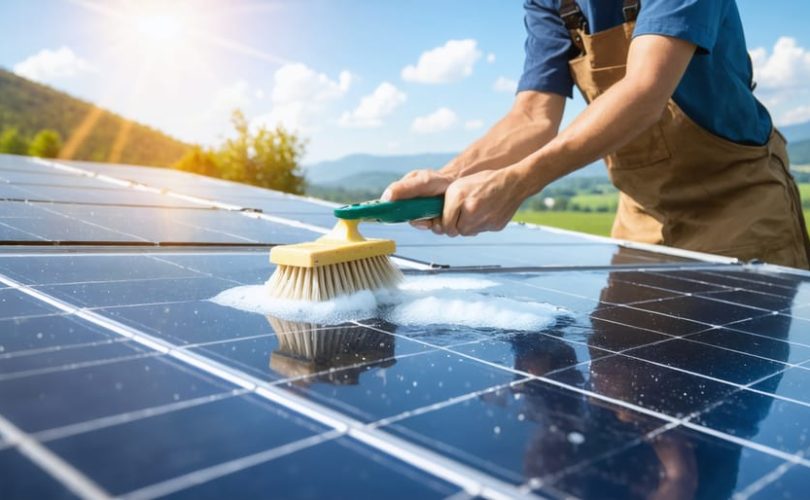
Implement a regular cleaning schedule to remove dirt, debris, and bird droppings from your solar panels, ensuring optimal PV panel performance. Conduct thorough visual inspections at least twice a year to identify any physical damage, loose connections, or exposed wiring that may require professional repair. Monitor your system’s performance using a reliable monitoring solution to track energy production, detect potential issues early on, and ensure your panels are operating at peak efficiency.
1. Keep Panels Clean
1.1 Cleaning Frequency
The cleaning frequency of solar PV panels largely depends on the system’s location and surrounding environmental factors. In areas with minimal dust, pollution, and rainfall, such as deserts, cleaning may be required every 2-3 months. However, in regions with frequent rainfall or low pollution levels, natural cleaning by rain may suffice, necessitating cleaning only once or twice a year. Heavily polluted or industrial areas may require monthly cleaning to prevent significant power output losses. Monitoring the system’s performance and conducting regular visual inspections can help determine the optimal cleaning schedule for your specific location. If a noticeable drop in output occurs or visible soiling is present, it is time to clean the panels. Adapting the cleaning frequency to your local conditions ensures that your solar PV system maintains peak performance while minimizing maintenance costs.
1.2 Cleaning Methods
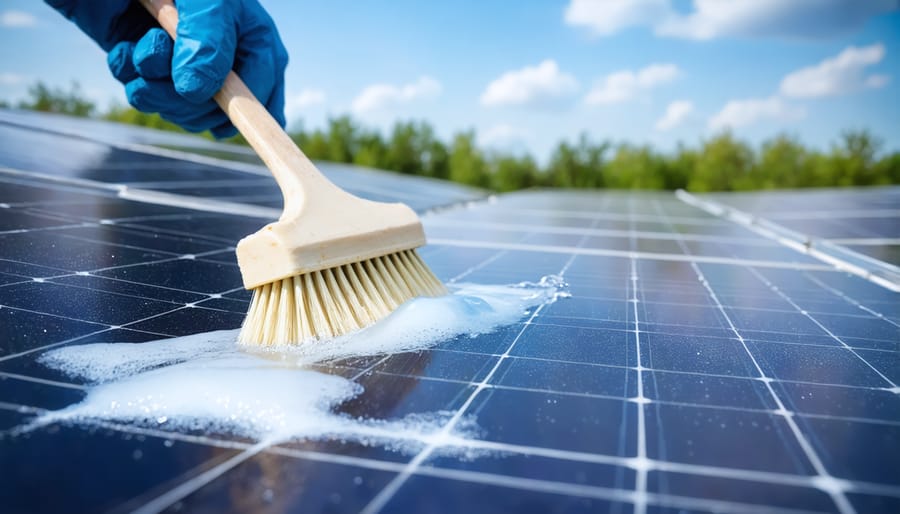
Maintaining clean solar panels is essential for ensuring optimal energy production and peak performance. When cleaning your panels, always prioritize safety and use appropriate equipment, such as a soft-bristled brush or sponge and a squeegee for drying. Avoid harsh chemicals or abrasive materials that may damage the panel surface. For light soiling, simply rinse the panels with clean water. If dealing with heavier grime, use a mild, biodegradable soap solution and gently scrub the surface before rinsing thoroughly. When accessing rooftop installations, employ proper safety measures, including fall protection gear and non-slip footwear. Alternatively, consider hiring professional cleaners who specialize in solar panel maintenance. To minimize the need for frequent cleaning, regularly trim nearby trees to prevent debris accumulation and install bird deterrents if necessary. By following these guidelines, you can safely and effectively clean your solar panels, ensuring they continue to generate clean energy at optimal levels.
2. Inspect for Physical Damage
2.1 Common Types of Damage
Solar panels are designed to withstand the elements, but they are not immune to damage. Common types of physical damage include:
- Cracked or shattered panels due to impact from hail, falling debris, or improper handling during installation or maintenance
- Delamination, where the layers of the panel separate, causing reduced performance and potential safety hazards
- Discoloration or corrosion of electrical contacts, leading to increased resistance and reduced power output
- Damaged or corroded wiring, junction boxes, or inverters, which can cause electrical faults and pose fire risks
- Broken or loose mounting hardware, compromising the structural integrity of the array and potentially leading to panel damage or detachment
Regular inspections can help identify these issues early, allowing for timely repairs or replacements to minimize performance losses and safety risks. Proper handling, secure mounting, and protecting panels from debris can help prevent many common types of damage.

2.2 Repair and Replacement
When a solar panel is damaged, it’s essential to assess the extent of the damage to determine whether repair or replacement is necessary. Minor issues like small cracks or chips can often be repaired using specialized equipment and techniques, such as laminate repair kits or resin injections. However, if the damage is severe, such as extensive shattering or electrical issues, replacement may be the most cost-effective solution. Regularly monitoring panel performance can help detect potential problems early on, allowing for timely repairs or replacements to minimize energy output losses. Consulting with a qualified solar technician can provide expert guidance on the best course of action for your specific situation.
3. Monitor System Performance

3.1 Monitoring Tools
Effective monitoring is essential for ensuring optimal performance and identifying potential issues in solar PV systems. Various tools and methods are available for monitoring system performance, including web-based platforms, mobile apps, and on-site displays. These monitoring tools provide real-time data on energy production, consumption, and efficiency, allowing owners to track their system’s performance and detect any anomalies. Some advanced monitoring systems also offer features such as alerts for system faults, remote troubleshooting, and performance benchmarking against similar installations. By regularly reviewing monitoring data, owners can proactively address any issues and optimize their system’s output. Additionally, monitoring data can be used to verify the system’s performance against manufacturer warranties and service level agreements, ensuring that the system is delivering the expected benefits.
3.2 Interpreting Data
Interpreting performance data is crucial for identifying potential issues with your solar PV system. Regularly review your system’s output and compare it to expected values based on factors such as weather conditions, time of year, and panel specifications. Look for any significant deviations or trends that may indicate a problem, such as consistently lower output than expected or sudden drops in performance. Pay attention to changes in individual panel performance, as this can help pinpoint specific areas requiring attention. Keep detailed records of your observations and consult with a professional if you suspect an issue. By proactively monitoring and interpreting your system’s data, you can catch problems early, minimize downtime, and ensure your solar PV system operates at peak efficiency.
4. Maintain Electrical Connections
Maintaining electrical connections is crucial for ensuring the optimal performance and safety of your solar PV system. Over time, exposure to the elements can cause connections to degrade or corrode, leading to reduced efficiency and potential hazards. Regularly inspect all electrical connections, including wiring, junction boxes, and inverters, for signs of wear, damage, or corrosion. Loose or corroded connections can result in increased resistance, heat generation, and even fire risks. Use a multimeter to check for proper voltage and continuity, and tighten any loose connections securely. Apply anti-corrosion coatings or sealants to protect exposed connections from moisture and environmental factors. When handling electrical components, always prioritize safety by wearing appropriate protective gear and following manufacturer guidelines. If you notice any significant damage or are unsure about the integrity of your electrical connections, consult a qualified solar PV technician for professional assessment and repairs. By proactively maintaining and safeguarding your system’s electrical connections, you can minimize energy losses, prevent potential hazards, and ensure the long-term reliability of your solar PV installation.
5. Trim Surrounding Vegetation
Surrounding vegetation, such as trees, shrubs, and tall grass, can significantly impact the performance and efficiency of solar panels. As plants grow, they may cast shade on the panels, reducing the amount of sunlight reaching the photovoltaic cells and consequently decreasing energy production. Moreover, fallen leaves, branches, and other debris from nearby vegetation can accumulate on the panel surface, further obstructing sunlight and potentially causing micro-scratches or damage to the protective glass layer.
To minimize these issues, it is crucial to regularly trim and maintain the vegetation around your solar PV system. Start by identifying any trees or shrubs that may eventually grow tall enough to shade the panels, and prune them back to a safe distance. When trimming, be mindful not to damage the plants excessively, as this can harm their health and appearance. Consider the natural growth patterns and mature heights of the species to determine the appropriate pruning frequency and technique.
In addition to trees and shrubs, keep the area around the solar panels free of tall grass, weeds, and other ground-level vegetation. These plants can not only shade the lower portions of the panels but also attract dust, pollen, and other debris that can settle on the panel surface. Regular mowing, weed control, and general landscaping maintenance can help keep the area tidy and your solar PV system operating at peak efficiency.
By proactively managing the surrounding vegetation, you can ensure that your solar panels receive the maximum amount of unobstructed sunlight, maintain their cleanliness, and continue to generate clean, renewable energy for your home or business.
6. Schedule Professional Inspections
While regular cleaning and visual inspections can help maintain your solar PV system, it’s essential to schedule professional inspections at least once a year. These inspections are crucial for identifying and addressing more complex issues that may not be apparent to the untrained eye. A qualified solar technician will thoroughly examine your system, checking for any signs of damage, wear, or malfunction.
During a professional inspection, the technician will assess the condition of your solar panels, inverters, wiring, and other components. They will also perform detailed performance tests to ensure that your system is operating at optimal efficiency. If any issues are detected, the technician will provide recommendations on how to address more complex issues and restore your system to peak performance.
In addition to identifying potential problems, professional inspections also provide an opportunity to discuss any concerns you may have about your solar PV system. The technician can answer your questions, offer maintenance tips, and provide guidance on how to maximize your system’s energy production. By investing in regular professional inspections, you can ensure that your solar PV system remains in top condition and continues to provide reliable, clean energy for years to come.
7. Keep Records
Maintaining accurate and detailed records of your solar PV system’s maintenance activities and performance is crucial for ensuring its long-term efficiency and reliability. By documenting each maintenance task, including the date, specific actions taken, and any notable observations, you can create a valuable reference for future maintenance planning and troubleshooting. Additionally, keep track of your system’s energy production, as this data can help you identify any potential issues or performance trends over time. Regularly compare your system’s actual output to its expected performance based on factors such as weather conditions and panel specifications. If you notice any significant deviations, it may indicate a need for further investigation or corrective action. Keeping organized records not only helps you stay on top of your solar PV system’s maintenance needs but also provides valuable insights into its overall health and performance. By taking a proactive approach to record-keeping, you can optimize your system’s efficiency, extend its lifespan, and maximize your investment in clean, renewable energy.
Conclusion
In conclusion, proper solar PV maintenance is essential for ensuring the long-term performance, reliability, and return on investment of your solar energy system. By regularly cleaning panels, conducting visual inspections, monitoring system performance, and keeping accurate records, you can identify and address potential issues before they escalate into costly repairs or significant energy losses. Engaging professional services for more complex maintenance tasks and staying informed about industry best practices will further optimize your system’s output and extend its lifespan. Investing time and effort into a comprehensive solar PV maintenance plan not only maximizes the environmental and financial benefits of your renewable energy investment but also contributes to the global transition towards a more sustainable future. As solar technology continues to advance and become more accessible, prioritizing proper maintenance will remain a critical factor in realizing the full potential of this clean, renewable energy source. By taking proactive steps to maintain your solar PV system, you are not only securing your own energy independence but also setting an example for others to follow in the collective effort to combat climate change and build a greener tomorrow.