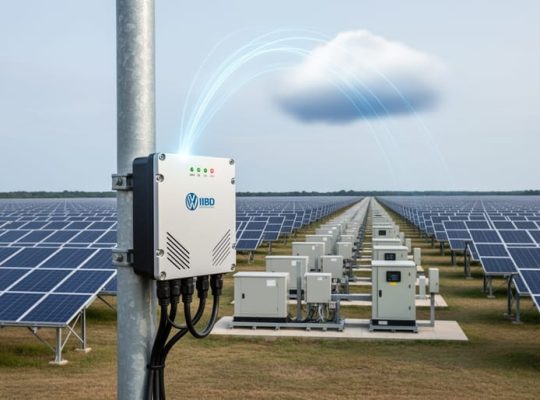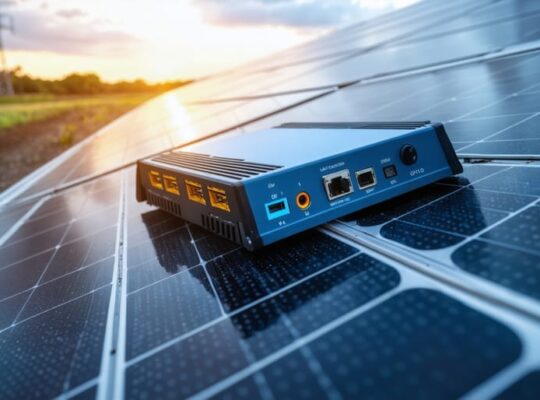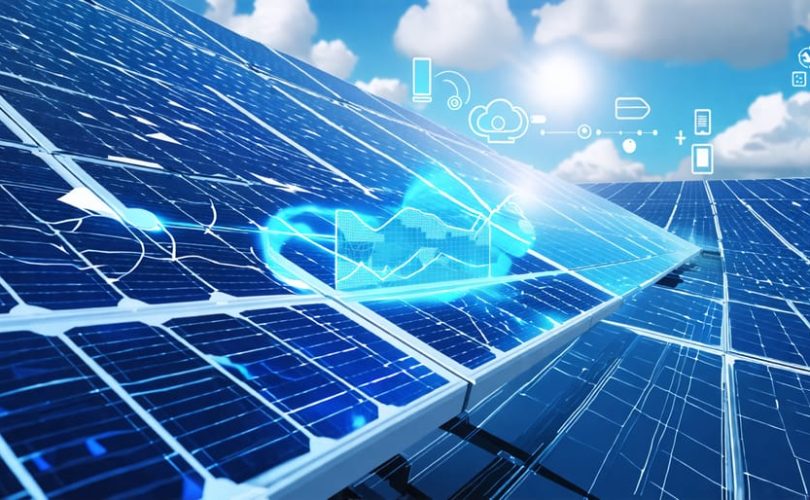
Monitor your PV system’s performance in real-time with advanced sensors and data logging capabilities to boost efficiency and savings. Analyze historical energy production trends, identify potential issues, and optimize your system’s output for maximum ROI. Receive automated alerts and notifications about system health, enabling proactive maintenance and minimizing downtime. Leverage intuitive dashboards and reporting features to gain valuable insights into your solar assets’ performance, empowering data-driven decision making and strategic planning.
How PV Monitoring Systems Work
Data Collection and Transmission
In PV monitoring systems, data collection begins at the solar panel and inverter level. Sensors and meters are integrated into these components to capture real-time information on key performance metrics such as energy production, voltage, current, and temperature. This data is then transmitted via wired or wireless communication protocols to a central monitoring platform.
Wired data transmission methods include RS-485, Ethernet, and power line communication (PLC), which send data over dedicated cables or existing electrical wiring. Wireless options like Wi-Fi, Bluetooth, and cellular networks offer greater flexibility and reduce installation costs. Many modern monitoring systems employ a combination of wired and wireless technologies to ensure reliable data transfer.
Once the data reaches the central monitoring platform, it undergoes processing, analysis, and storage. Advanced software algorithms convert raw sensor readings into meaningful insights on system performance, energy yields, and potential issues. This information is then displayed on user-friendly web portals or mobile apps, enabling solar asset owners and operators to access real-time and historical data from anywhere with an internet connection.
By continuously gathering and transmitting granular data from the field, PV monitoring systems provide a comprehensive view of a solar installation’s health and performance. This empowers stakeholders to make data-driven decisions, optimize energy production, and maximize the long-term value of their renewable energy investments.

Cloud-Based Analysis and Reporting
Cloud-based analysis and reporting are essential components of modern PV monitoring systems. The data collected by on-site sensors and inverters is securely transmitted to remote servers, where powerful algorithms process and analyze it in real-time. This cloud-based approach offers several advantages, including scalability, flexibility, and accessibility. Users can access their PV system’s performance data from anywhere with an internet connection, using user-friendly web portals or mobile apps.
The analyzed data is presented through intuitive dashboards, featuring interactive graphs, charts, and tables. These visualizations provide a clear overview of key performance metrics, such as energy production, system efficiency, and environmental factors. Users can easily track their PV system’s performance over time, compare it against expected yields, and identify any issues or anomalies. The cloud-based platform also generates comprehensive reports, which can be customized to suit specific needs. These reports include detailed breakdowns of energy generation, consumption, and financial savings, as well as alerts for potential problems or maintenance requirements.
By leveraging the power of cloud computing, PV monitoring systems enable users to make data-driven decisions, optimize their solar assets, and maximize their return on investment. The seamless integration of data collection, analysis, and reporting in a centralized, cloud-based platform is a game-changer for the solar industry, empowering stakeholders to effectively manage and monitor their PV systems with unprecedented ease and efficiency.

Key Benefits of PV Monitoring
Performance Optimization
A well-designed PV monitoring system is essential for identifying and resolving performance issues, ensuring that solar arrays operate at peak efficiency. By continuously tracking key performance indicators such as power output, voltage, current, and temperature, monitoring systems can quickly detect any deviations from expected values. This allows operators to proactively investigate and address potential problems before they escalate into costly failures or significant energy losses.
Monitoring data also enables advanced analytics and trend analysis, helping to identify subtle performance degradation over time. By comparing current performance to historical baselines, operators can pinpoint the root causes of underperformance, such as soiling, shading, or equipment malfunctions. This information empowers them to take targeted corrective actions, such as cleaning panels, trimming vegetation, or replacing faulty components, to restore optimal performance.
Moreover, monitoring systems facilitate predictive maintenance by alerting operators to impending issues based on early warning signs. By addressing these issues proactively, downtime can be minimized, and the overall reliability and longevity of the solar array can be enhanced. The insights gained from monitoring data also inform strategic decisions regarding system upgrades, expansions, and maintenance schedules, ultimately maximizing the return on investment for solar asset owners.
Preventive Maintenance
A well-designed PV monitoring system enables solar asset owners and operators to implement proactive maintenance strategies, minimizing costly downtime and repairs. By continuously tracking key performance indicators such as energy output, system efficiency, and component health, monitoring solutions can quickly detect anomalies or potential issues before they escalate into major problems.
This real-time data empowers maintenance teams to schedule timely inspections, cleanings, and repairs, ensuring optimal system performance and longevity. Predictive analytics, powered by advanced algorithms and machine learning, can even forecast future maintenance needs based on historical trends and environmental factors.
Moreover, monitoring systems streamline maintenance workflows by pinpointing the exact location and nature of faults, reducing troubleshooting time and labor costs. Remote diagnostics and over-the-air updates further enhance maintenance efficiency, allowing technicians to resolve minor issues without physical site visits.
By leveraging the insights provided by PV monitoring, solar professionals can proactively manage their assets, minimizing revenue losses from unexpected outages and extending the lifespan of their investment. This data-driven approach to maintenance not only optimizes system performance but also maximizes the financial returns of solar projects, making monitoring an essential tool for long-term success in the renewable energy industry.

Financial Management
PV monitoring systems provide invaluable financial data for solar asset owners and managers. By tracking key performance metrics such as energy production, system efficiency, and component health, monitoring platforms enable data-driven decision-making and financial optimization. Detailed performance reports generated by these systems allow for accurate revenue forecasting, budgeting, and ROI analysis. Monitoring data can also be used to identify underperforming assets, prioritize maintenance activities, and minimize downtime, all of which contribute to improved financial returns. Additionally, the granular data collected by monitoring systems is essential for claiming performance-based incentives, verifying compliance with power purchase agreements, and satisfying investor reporting requirements. By leveraging the financial insights provided by PV monitoring, solar professionals can make informed decisions to maximize the profitability and long-term success of their projects. Ultimately, the integration of advanced monitoring technology into solar operations is crucial for effective financial management and the continued growth of the renewable energy industry.
Choosing the Right PV Monitoring System
Compatibility and Integration
When selecting a PV monitoring system, compatibility and integration with existing solar equipment and software are crucial factors to consider. A well-integrated monitoring solution ensures seamless data collection, analysis, and reporting, enabling users to maximize the benefits of their solar assets. Compatibility with inverters, sensors, and other hardware components is essential for accurate data acquisition and system performance tracking. Additionally, the monitoring system should integrate with popular solar software platforms, such as PVsyst or HelioScope, to facilitate design optimization and performance modeling. Seamless integration allows for efficient data exchange, streamlined workflows, and enhanced decision-making capabilities. By choosing a monitoring system that aligns with industry standards and supports open communication protocols, such as Modbus or SunSpec, users can avoid compatibility issues and ensure long-term scalability. Furthermore, a flexible and adaptable monitoring solution can accommodate future expansions or modifications to the solar array, minimizing the need for costly system overhauls. Investing in a compatible and well-integrated PV monitoring system not only simplifies installation and commissioning but also provides a robust foundation for ongoing performance optimization and asset management.
Features and Usability
A well-designed PV monitoring system should offer a range of essential features that enhance usability and provide valuable insights. Look for platforms with intuitive user interfaces, making it easy to navigate and access real-time data on your solar system’s performance. The ability to customize dashboards and reports is crucial, allowing you to focus on the metrics that matter most to your specific needs. A robust monitoring system should also offer advanced data analytics, enabling you to identify trends, spot potential issues, and make data-driven decisions to optimize your solar assets.
Remote access is another key feature, empowering you to monitor and manage your PV system from anywhere using web-based or mobile applications. This flexibility is particularly valuable for facilities with multiple solar installations or for investors overseeing a diverse portfolio. Additionally, seek out monitoring platforms that integrate seamlessly with various hardware components, such as inverters and weather stations, to provide a comprehensive view of your system’s performance.
Finally, consider the level of customer support and training offered by the monitoring platform provider. Access to responsive technical assistance, educational resources, and a thriving user community can significantly enhance your experience and help you make the most of your PV monitoring investment.
Conclusion
In conclusion, PV monitoring systems are indispensable tools for maximizing the return on investment of solar installations. By providing real-time data, performance analytics, and fault detection capabilities, these systems enable solar professionals and system owners to optimize energy production, minimize downtime, and extend the lifespan of their PV assets. The insights gained from monitoring help identify areas for improvement, guide maintenance efforts, and support data-driven decision-making for long-term profitability. As the solar industry continues to grow and evolve, investing in robust monitoring technology will become increasingly critical for staying competitive and ensuring the sustainability of solar projects. By embracing PV monitoring as an essential component of their solar strategy, industry stakeholders can unlock the full potential of their investments, drive innovation, and contribute to the global transition towards clean, renewable energy. With the numerous benefits and opportunities presented by PV monitoring, it is clear that this technology will play a vital role in shaping the future of the solar industry and empowering professionals to achieve their goals of optimizing performance, maximizing returns, and building a more sustainable world.