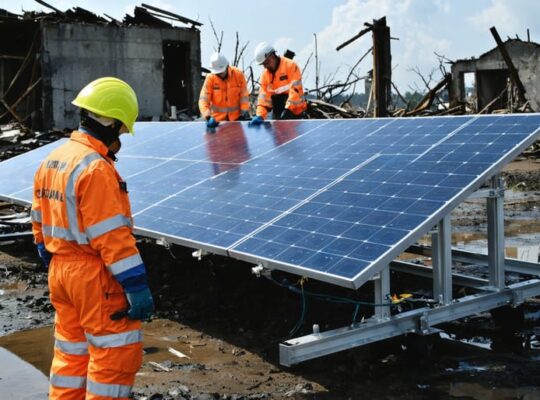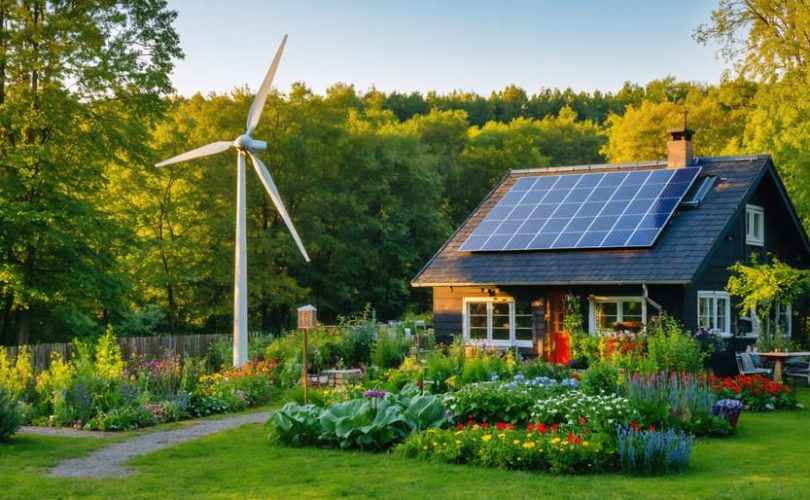
Choose an off-grid energy system that aligns with your location’s renewable resources, such as solar photovoltaic panels, wind turbines, micro-hydro generators, or a combination of these technologies. Ensure your system is sized appropriately to meet your energy needs and includes reliable energy storage, like deep-cycle batteries or a modern home energy storage solution.
Implement sustainable water management practices, including rainwater harvesting, greywater recycling, and water-efficient appliances and fixtures. Install a robust filtration system to ensure your water is safe for consumption and consider investing in a solar-powered water pump for reliable access to groundwater.
Adopt eco-friendly waste management techniques, such as composting organic waste, recycling, and using a waterless or low-water composting toilet system. Minimize your reliance on single-use plastics and opt for reusable, biodegradable, or easily recyclable materials whenever possible.
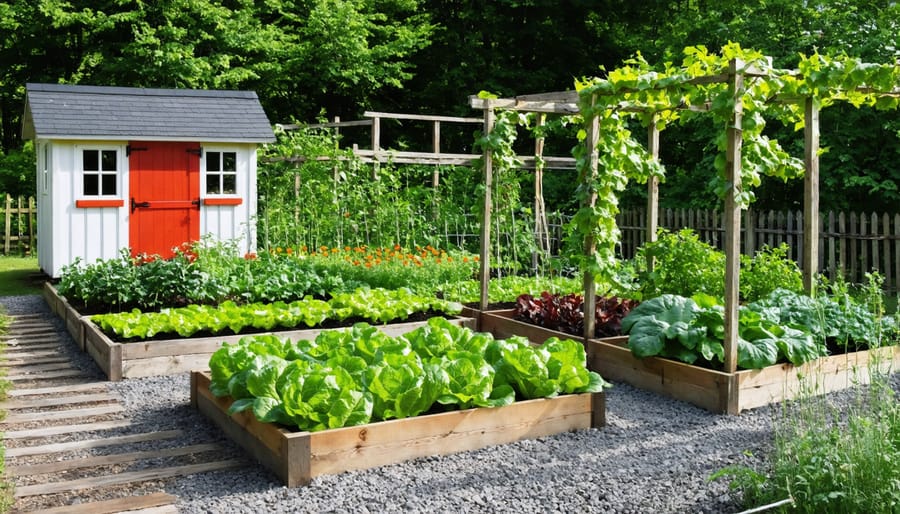
Cultivate a productive food garden utilizing permaculture principles, companion planting, and organic farming methods to grow a diverse range of fruits, vegetables, and herbs. Incorporate techniques like raised beds, vertical gardening, and season extension structures to maximize your yield and extend your growing season.

Powering Your Off-Grid Home
Solar PV System Basics
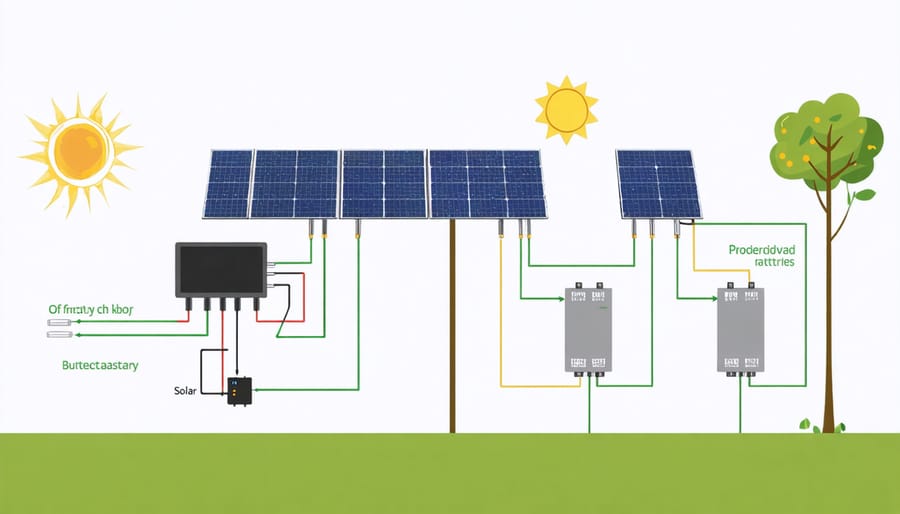
Solar photovoltaic (PV) systems are the cornerstone of sustainable off-grid living, harnessing the sun’s energy to generate clean electricity. The key components of an off-grid solar PV system include solar panels, charge controllers, batteries, and inverters. Solar panels convert sunlight into direct current (DC) electricity, which is then regulated by the charge controller to prevent overcharging or undercharging the battery bank. Batteries store the generated electricity for use during periods of low or no sunlight, ensuring a consistent power supply. Inverters convert the stored DC electricity into alternating current (AC) electricity, making it compatible with standard household appliances and electronics.
Properly sized off-grid solar PV systems can meet the energy needs of a household, with the capacity to power lighting, refrigeration, water pumping, and other essential loads. System sizing takes into account factors such as daily energy consumption, peak power demand, solar resource availability, and desired days of autonomy during cloudy periods. Efficient energy usage and appliance selection are crucial for optimizing the performance and cost-effectiveness of an off-grid solar PV system.
Advances in solar panel efficiency, battery technology, and system monitoring have made off-grid solar PV systems more reliable and affordable than ever before. With proper design, installation, and maintenance, these systems can provide a sustainable and independent energy solution for those seeking to live off the grid.
Sizing Your Solar Array
Calculating the size of your off-grid solar array is a critical step in ensuring you have adequate power to meet your needs. Begin by conducting a thorough energy audit, listing all electrical appliances and devices you plan to use, along with their power ratings and estimated daily usage hours. Sum up the watt-hours for each item to determine your total daily energy consumption. Remember to factor in efficiency losses from inverters, charge controllers, and batteries, typically by multiplying your total energy needs by 1.3.
Next, assess your location’s solar irradiance using online tools or historical weather data to determine the average daily peak sun hours. Divide your energy consumption by the peak sun hours to calculate the minimum solar array size needed in watts. For example, if you require 3,000 watt-hours per day and your location receives 5 peak sun hours, you’ll need at least a 600-watt array (3,000Wh / 5h = 600W).
When selecting solar panels, consider factors such as efficiency, durability, and temperature coefficients. Monocrystalline panels often have higher efficiencies but also come with a higher price tag compared to polycrystalline panels. To make an informed choice, explore more about Monocrystalline vs. Polycrystalline Solar Panels. Don’t forget to choose a panel size and voltage that is compatible with your chosen charge controller and battery bank.
Oversize your array by at least 20% to account for factors like panel aging, shading, and weather variability. It’s better to have a surplus of power than to fall short. Regularly monitor your system’s performance and energy consumption patterns, making adjustments as needed to optimize your off-grid solar setup for long-term sustainability and reliability.
Battery Banks and Energy Storage
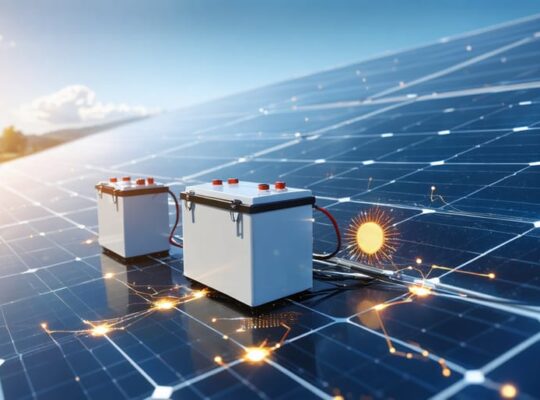
In off-grid solar systems, battery banks play a crucial role in storing the energy generated by photovoltaic panels for consistent power supply during periods of low or no sunlight. Lead-acid batteries, such as flooded, sealed AGM, and gel types, have been the traditional choice for their affordability and reliability. However, lithium-ion batteries are gaining popularity due to their higher energy density, longer lifespan, and lower maintenance requirements, despite the higher upfront cost. When designing a battery bank, it’s essential to consider factors such as battery capacity, depth of discharge, and expected daily energy consumption to ensure an adequate and reliable power supply. Proper battery maintenance, including regular monitoring, equalization charges, and ventilation, is crucial for optimal performance and longevity. Advanced battery management systems can help optimize charging and discharging cycles, extend battery life, and provide remote monitoring capabilities. As technology advances, new energy storage solutions, such as flow batteries and hydrogen fuel cells, may offer promising alternatives for sustainable off-grid living. Consulting with experienced off-grid solar professionals can help determine the most suitable battery bank and energy storage solution for your specific needs and budget.
Water and Waste Management
Water Collection and Filtration
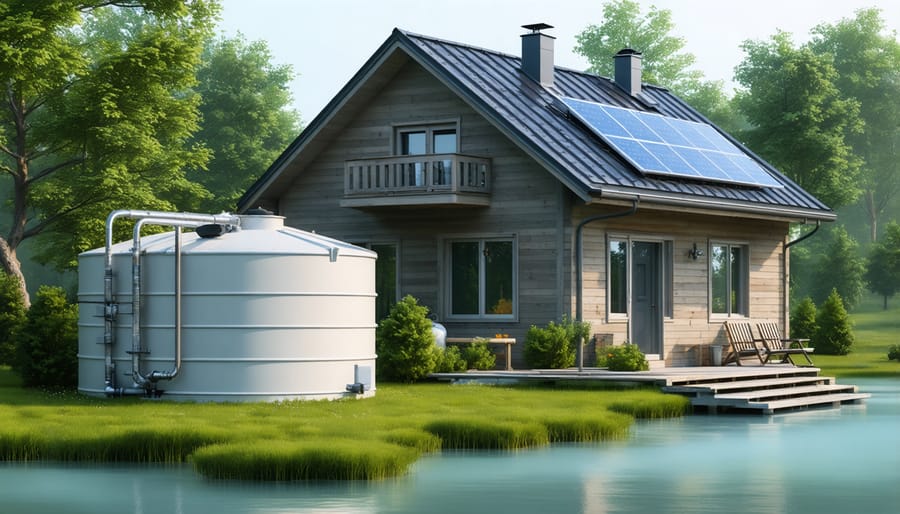
Water is essential for sustaining life off the grid, and securing a reliable supply involves a combination of collection, storage, and purification methods. Rainwater harvesting is a primary means of capturing water for off-grid use, utilizing the roof of a dwelling as a catchment area. Gutters and downspouts channel water into storage tanks or cisterns, which can range in size from a few hundred to several thousand gallons depending on rainfall patterns and household needs. Wells are another option in areas with accessible groundwater, requiring a pump and power source to draw water to the surface.
Regardless of the collection method, water must be filtered and purified before consumption to remove contaminants such as sediment, bacteria, and viruses. A multi-stage filtration system typically includes sediment filters to remove larger particles, activated carbon filters to improve taste and odor, and a final stage of ultraviolet light or reverse osmosis to eliminate microorganisms. Gravity-fed ceramic filters and biosand filters are low-tech alternatives that can effectively clean water without electricity. Regular testing and maintenance of the water supply and filtration system are crucial to ensure ongoing water quality and safety in an off-grid setting.
Composting Toilets and Greywater
In sustainable off-grid living, managing waste responsibly is crucial for maintaining a healthy environment and minimizing ecological impact. Composting toilets and greywater systems offer eco-friendly solutions for waste management. Composting toilets break down human waste into nutrient-rich compost through a natural process involving microorganisms, eliminating the need for water-based sewage systems. This compost can be safely used to enrich soil for non-edible plants, reducing reliance on synthetic fertilizers. Greywater, which is wastewater from sinks, showers, and laundry, can be effectively treated and reused for irrigation or other non-potable purposes. By diverting greywater from septic systems or leach fields, off-grid homeowners can conserve water resources and prevent potential groundwater contamination. Implementing greywater systems involves properly separating and treating the wastewater, often using natural filtration methods like constructed wetlands or sand filters. These systems require careful design and maintenance to ensure the water is adequately treated before reuse. By embracing composting toilets and greywater systems, off-grid living enthusiasts can close the loop on waste management, turning potential pollutants into valuable resources while minimizing their environmental footprint. Proper education and adherence to local regulations are essential when implementing these sustainable waste management practices in an off-grid setting.
Growing Your Own Food
Planning Your Off-Grid Garden
When planning your off-grid garden, it’s crucial to consider your location’s unique climate, soil conditions, and water availability. Start by assessing the amount of sunlight your garden receives throughout the day and the length of your growing season. This information will help you select crops that thrive in your specific environment.
Opt for crops that are well-suited to your region and are known for their resilience and adaptability. Consider a mix of vegetables, fruits, and herbs that provide a diverse range of nutrients and flavors. Some reliable off-grid garden staples include tomatoes, lettuce, kale, carrots, potatoes, and onions.
When laying out your garden, prioritize efficient use of space and resources. Implement techniques such as companion planting, vertical gardening, and succession planting to maximize yields and minimize waste. Group plants with similar water and nutrient requirements together to simplify care and maintenance.
Incorporate water-wise strategies like mulching, drip irrigation, and rainwater harvesting to conserve water and reduce the need for manual watering. Plant drought-tolerant varieties and utilize techniques like hugelkultur to improve soil moisture retention.
Consider integrating perennial plants, such as fruit trees and berry bushes, into your off-grid garden for long-term food production. These plants require less frequent replanting and can provide a reliable source of food for years to come.
Lastly, plan for season extension techniques, such as cold frames, hoop houses, or greenhouses, to prolong your growing season and protect crops from extreme weather conditions. By carefully planning your off-grid garden and selecting suitable crops for your location, you can ensure a bountiful harvest and a more self-sufficient lifestyle.
Small-Scale Livestock Options
When living off-grid, raising small livestock can provide a sustainable protein source. Chickens are a popular choice, as they require minimal space and produce both eggs and meat. Rabbits are another excellent option, known for their rapid reproduction and lean, healthy meat. Quail, ducks, and goats can also thrive in off-grid environments, each offering unique benefits such as eggs, milk, or meat. When selecting livestock, consider factors such as feed requirements, housing needs, and climate suitability. Proper animal care, including adequate shelter, nutrition, and health management, is crucial for the well-being of the animals and the success of your off-grid protein production. By raising small-scale livestock, you can ensure a consistent supply of fresh, ethically-raised protein while reducing your reliance on external food sources. This approach not only enhances your self-sufficiency but also allows you to have greater control over the quality and sustainability of your food.
Efficiently Heating and Cooling
Maintaining a comfortable living environment off-grid requires thoughtful design and low-energy strategies. Passive solar design is key, harnessing the sun’s energy through strategic window placement, thermal mass, and shading. Proper insulation and air sealing minimize heat transfer, keeping interiors cool in summer and warm in winter. Natural ventilation, achieved through carefully positioned windows and vents, allows fresh air circulation without mechanical systems. Fans and evaporative coolers provide efficient cooling in dry climates. For heating, efficient wood stoves or masonry heaters fueled by sustainably harvested wood are excellent options. Solar thermal collectors can supplement water heating needs. Earth-sheltered or bermed homes leverage stable underground temperatures for natural climate control. Advanced off-grid setups may incorporate geothermal heat pumps powered by wind-solar off-grid systems. Implementing these strategies in conjunction with conscientious design greatly reduces the energy burden of maintaining a comfortable home off the grid.
Conclusion
In conclusion, sustainable off-grid living is an achievable goal for those willing to invest time and effort into understanding the key components. By harnessing renewable energy sources like solar power, implementing water conservation and collection strategies, managing waste responsibly, and cultivating food, individuals can create a self-sufficient lifestyle that minimizes their environmental impact. Proper climate control through passive solar design, insulation, and ventilation ensures comfort year-round. While the initial setup may require planning and upfront costs, the long-term benefits of reduced utility bills, increased resilience, and a smaller carbon footprint make it a worthwhile pursuit. With the right knowledge, tools, and mindset, anyone can embrace the rewarding challenges of living off the grid sustainably. As technology advances and information becomes more readily available, the path to energy independence and environmental stewardship becomes clearer. By taking the first steps towards sustainable off-grid living, you can join a growing community of individuals committed to creating a greener future for generations to come. Remember, every journey begins with a single step – start exploring your off-grid options today and discover the freedom and fulfillment that comes with living in harmony with nature.