Optimize the efficiency of your grid-connected photovoltaic system by regularly monitoring its performance to identify any potential issues early. Leverage metering equipment to track energy production and consumption accurately, ensuring your system’s output aligns with expected benchmarks. Invest in relationship-building with local universities offering photovoltaic research initiatives to access cutting-edge advancements and apply innovative solutions to your system. Engage in educational programs provided by recognized industry experts to enhance your technical understanding and improve overall system management.
How Grid-Connected PV Systems Work
Key Components of Grid-Connected PV Systems
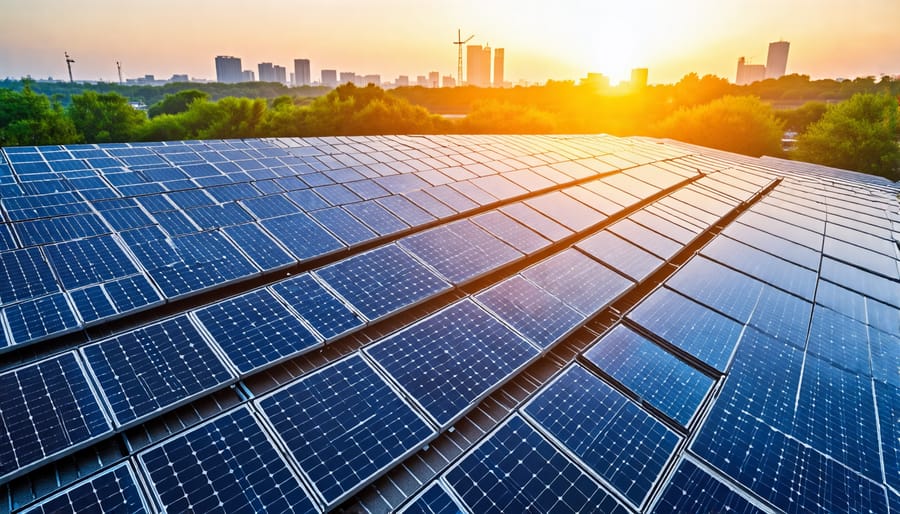
Grid-connected photovoltaic (PV) systems are a harmonious blend of key components that work together to convert and manage solar energy for practical use. At the heart of these systems are solar panels, which capture sunlight and convert it into direct current (DC) electricity. Choosing between Monocrystalline vs Polycrystalline panels is a crucial decision, as each type offers distinct efficiency and cost benefits.
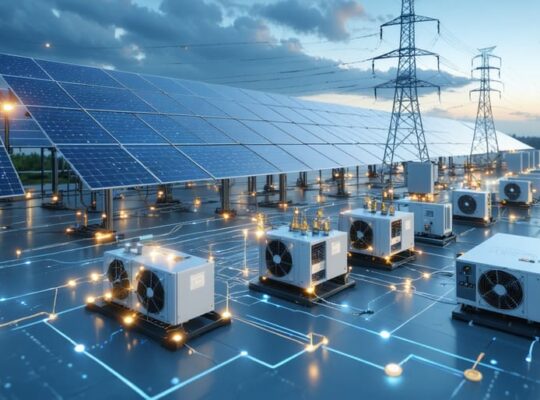
Once solar panels generate DC electricity, it is directed to the inverter. Inverters are vital as they convert DC into alternating current (AC), which is the standard electricity form used by household appliances and fed into the utility grid. Among various inverter types, utility interactive inverters stand out for their ability to sync seamlessly with the grid, ensuring efficient energy distribution.
Connection points, such as metering systems, oversee the flow of electricity into the grid and vice versa, enabling net metering—a process that credits solar energy producers for excess energy supplied to the grid. Through effective interplay, these components ensure the efficient operation of grid-connected PV systems, contributing significantly to sustainable energy solutions.

The Grid Connection Process
The connection process of grid-connected photovoltaic (PV) systems is a critical component in harnessing solar energy efficiently. These systems integrate with the electrical grid, allowing surplus energy generated during peak sunlight to be fed back into the grid, thereby optimizing energy distribution. This bi-directional exchange not only enhances the economic viability of PV installations but also stabilizes the grid by balancing energy supply and demand. Key to this process is the inverter, which converts the direct current (DC) produced by solar panels into alternating current (AC) compatible with the grid. This connectivity is crucial, ensuring that energy consumers can draw power, even when solar production is low, like during nighttime or cloudy days, while contributing excess energy during sunny periods. Moreover, grid connection facilitates the implementation of net metering, enabling consumers to receive credits for energy contributed back to the grid, thereby promoting sustainable energy practices. Understanding this interconnection is essential for aspiring PV professionals and stakeholders aiming to champion a sustainable energy future.
Advantages of Grid-Connected Photovoltaic Systems
Economic Benefits
Grid-connected photovoltaic (PV) systems offer significant financial benefits, making them an attractive option for both individuals and businesses. One of the primary economic advantages is the reduction in electricity bills. By generating electricity on-site, users can power their homes or businesses directly from their solar panels, resulting in lower reliance on the grid and decreased utility expenses. Furthermore, many regions have net metering policies, which allow system owners to receive credits for excess electricity fed back into the grid. This energy surplus can often be sold back to utilities, creating an additional income stream and improving the return on investment for PV system owners.
Additionally, the installation of grid-connected PV systems can increase property values, as more buyers recognize the long-term cost savings associated with solar energy. Potential collaborations with universities and educational programs can also enhance understanding and innovation within the industry, further driving down costs and improving technology. These economic benefits, combined with environmental advantages, make grid-connected PV systems a key player in the transition to renewable energy.
Environmental Impact
Grid-connected photovoltaic systems offer significant environmental benefits by harnessing solar energy to generate electricity with minimal ecological impact. A primary advantage is the substantial reduction in carbon footprint. By replacing conventional fossil fuel-based power generation, these systems decrease greenhouse gas emissions, thereby contributing to climate change mitigation efforts. In regions heavily reliant on coal or natural gas, transitioning to solar energy can dramatically lower the carbon dioxide output associated with electricity production.
Additionally, photovoltaic systems promote resource conservation. Traditional energy generation consumes vast amounts of water for cooling and processing fuels, whereas solar panels require negligible water once installed. This conservation of water resources is increasingly critical in areas facing water scarcity. Furthermore, solar energy reduces dependency on finite resources like coal and oil, supporting a shift towards sustainable energy practices.
Emphasizing renewable energy adoption, many grid-connected photovoltaic systems are developed in collaboration with universities and educational programs. These initiatives aim to enhance public understanding and foster innovation, paving the way for a cleaner, sustainable energy future.
Challenges and Considerations
Regulatory Framework
Connecting photovoltaic (PV) systems to the grid entails navigating a series of regulatory frameworks that ensure safety, reliability, and efficiency. The primary objective of these regulations is to standardize procedures across various jurisdictions while accommodating technological advancements. One crucial aspect of this regulatory landscape is obtaining the necessary permits and approvals, which typically involves local authorities, utility companies, and sometimes national regulatory bodies. Adhering to grid codes, which dictate technical specifications such as voltage and frequency, is imperative for maintaining grid stability and preventing disruptions. Moreover, organizations must often comply with interconnection standards like IEEE 1547, which outline requirements for safe and effective system integration. In addition, net metering policies, which differ by region, play a significant role by determining how energy producers are compensated for excess energy fed back into the grid. By understanding and adhering to these regulatory frameworks, stakeholders, including aspiring PV professionals and researchers, can facilitate smoother integration of PV systems, promoting the transition towards sustainable energy solutions and benefitting all parties involved in this growing sector.
Technical Challenges
Grid-connected photovoltaic (PV) systems present distinct technical challenges that require careful management to ensure efficiency and reliability. One primary issue is grid stability. As solar power generation is intermittent and weather-dependent, integrating it into existing energy grids can cause fluctuations in voltage and frequency. Maintaining stability necessitates advanced control systems and flexible grid management strategies. Moreover, the lack of inherent energy storage in grid-connected setups complicates the scenario. Without sufficient storage solutions, excess energy produced during peak sunlight hours cannot be stored for later use, leading to potential energy waste and reduced system efficiency. Current research and development focus on improving storage technologies, such as advanced battery systems, to better match supply with demand. Collaborative efforts with universities are driving progress in this area, providing educational opportunities and fostering innovation. These endeavors not only illuminate the path toward overcoming these technical obstacles but also enhance the feasibility and appeal of photovoltaic systems as a sustainable energy solution.
Educational Opportunities in Photovoltaics
Mose Solar is at the forefront of educational initiatives in the photovoltaic (PV) sector, offering aspiring professionals a comprehensive pathway to a rewarding career in renewable energy. Central to these efforts is their collaboration with prestigious universities, which provides a synergistic approach to learning by combining academic rigor with practical experience. Their educational programs are designed to equip students with a robust understanding of solar energy systems, ensuring they are well-prepared to address the evolving challenges of the industry.
These collaborative programs cover a wide range of topics, from the fundamentals of solar energy conversion to advanced topics like system design and optimization of grid-connected PV systems. By engaging with leading academic institutions, Mose Solar ensures that their curriculum remains at the cutting edge of solar technology and innovation. Students have the unique opportunity to learn from industry experts, participate in hands-on projects, and conduct research that contributes to the body of knowledge in photovoltaic technology.
Moreover, the programs are structured to develop both theoretical knowledge and practical skills, emphasizing experiential learning through laboratory work and field experiences. This approach not only enhances technical proficiency but also boosts the problem-solving capabilities of future PV professionals. For those eager to dive deeper into solar PV technology and foster a career in this dynamic field, Mose Solar offers avenues to master solar PV through expertly designed courses and mentorship opportunities. These educational offerings are not just about gaining knowledge but are pivotal in shaping the leaders of tomorrow’s sustainable energy solutions.
Case Studies: Successful Grid-Connected PV Systems
In the realm of grid-connected photovoltaic (PV) systems, several real-world examples illustrate not only the immense potential of solar power but also the collaborative efforts driving innovation. Consider the collaboration between Stanford University and a renowned solar company that resulted in a state-of-the-art solar installation on campus. This project not only powers the university’s housing units but also serves as a living laboratory for students and researchers, providing them with hands-on experience in PV technology and energy management.
Across the Atlantic, Germany stands as a beacon of solar success with its Energiewende initiative. In cities like Freiburg, a community-driven approach has led to the widespread adoption of rooftop solar panels, significantly reducing their carbon footprint while maximizing grid efficiency. These systems effectively integrate with smart grid technologies, highlighting the importance of community engagement and policy support in scaling renewables.
In California, the Los Angeles Solar Program demonstrates the economic and environmental benefits of photovoltaics. This program incentivizes homeowners and businesses to adopt solar, resulting in a substantial increase in grid-connected PV capacity. By addressing the challenges of initial costs through innovative financing and government incentives, the program showcases a sustainable model for widespread adoption.
Each of these case studies underscores the necessity of aligning technological advancements with educational initiatives and policy frameworks. By doing so, stakeholders can overcome challenges related to cost, grid integration, and public acceptance. Aspiring professionals and enthusiasts can draw inspiration from these examples, recognizing the transformative potential of grid-connected PV systems in achieving a sustainable energy future.
The Future of Grid-Connected Photovoltaic Systems
Grid-connected photovoltaic (PV) systems are at the forefront of sustainable energy solutions, with significant advancements anticipated in the coming years. Among the emerging trends, the integration of smart technologies is paramount, enhancing system efficiency and resilience. Innovations such as advanced solar forecasting, real-time monitoring, and intelligent grid management are set to optimize power distribution and consumption patterns. The ongoing development of PV Hybrid Systems exemplifies this progress, offering versatile solutions that combine solar power with other energy sources to ensure reliability and efficiency. Furthermore, the collaboration with academic institutions fuels technological breakthroughs, facilitating research that pioneers new materials and designs with improved performance criteria. As educational programs evolve, they prepare future photovoltaic professionals to embrace and drive these innovations. By fostering a deeper understanding of grid-connected PV technology, these programs ensure that the next generation of industry leaders is equipped to navigate and enhance the sustainable energy landscape. These advancements promise a more robust and sustainable future for solar energy integration.
Conclusion
In conclusion, grid-connected photovoltaic (PV) systems play a pivotal role in the journey toward sustainable energy solutions. As this article has outlined, these systems offer significant advantages including reduced energy costs, enhanced energy security, and a substantial decrease in carbon footprint. Aspiring photovoltaic professionals and academic researchers can benefit greatly from collaborating with universities and engaging in educational programs that focus on advancing this technology. For renewable energy enthusiasts and environmentally conscious consumers, understanding the intricacies and benefits of grid-connected PV systems provides a pathway to more informed decisions and active participation in the global shift toward renewable energy. Moreover, industry stakeholders have an opportunity to drive innovation and scalability in renewable energy infrastructure. The increasing adoption and continuous development of these systems underscore their importance. As we transition to a greener future, the role of grid-connected PV systems will be integral, providing a reliable and efficient means to harness solar power and contribute to a more sustainable world.