
Empowering youth through renewable energy initiatives has become a transformative force in accelerating the global transition to sustainable power. The Youth Power Project stands at the forefront of building tomorrow’s clean energy leaders by combining hands-on solar technology education with real-world advocacy skills. Through structured mentorship programs, technical training, and community engagement platforms, this initiative equips young professionals with the expertise needed to drive solar energy adoption across diverse sectors.
This groundbreaking program leverages the inherent innovation and enthusiasm of youth to address critical energy challenges while creating sustainable career pathways in the rapidly expanding solar industry. By connecting students with industry experts, research institutions, and policy makers, the Youth Power Project creates a dynamic ecosystem where theoretical knowledge meets practical application, fostering the next generation of renewable energy champions.
What sets this initiative apart is its comprehensive approach to youth empowerment, combining technical solar PV education with leadership development, project management skills, and environmental stewardship. This holistic framework ensures participants emerge not just as technical experts, but as well-rounded advocates capable of driving meaningful change in their communities and beyond.
The Rising Wave of Youth Solar Advocates
Why Youth Leadership Matters in Solar PV
Young leaders bring unique perspectives and innovative approaches to solar PV advocacy that are essential for industry growth and adoption. Their digital native status enables them to leverage social media and emerging technologies effectively, creating compelling campaigns that resonate with their peers and broader communities. This generational advantage, combined with their heightened environmental consciousness, drives meaningful engagement in renewable energy initiatives.
Youth involvement in solar projects often catalyzes community participation, as young leaders naturally build bridges between educational institutions, local governments, and industry stakeholders. Their fresh perspective challenges traditional implementation methods and introduces creative solutions to common adoption barriers. Additionally, their long-term stake in environmental outcomes motivates them to pursue sustainable solutions with particular urgency and dedication.
Research indicates that youth-led solar initiatives achieve higher community engagement rates and more successful educational outreach compared to traditional approaches. Their ability to communicate complex technical concepts in relatable terms makes solar technology more accessible to diverse audiences. This effectiveness in advocacy and education positions young leaders as crucial agents of change in accelerating the transition to renewable energy sources.
Success Stories from Young Solar Champions
Young solar champions across the globe are making remarkable strides in advancing renewable energy adoption. In California, 17-year-old Sarah Chen launched the “Solar for Schools” initiative, successfully implementing photovoltaic systems across five public schools, reducing their energy costs by 40% annually. Her project has become a model for similar grassroots solar initiatives nationwide.
In India, the Youth Solar Innovation Team, comprising university students from Delhi Technical Institute, developed a mobile application that helps rural communities monitor their solar installation performance and maintenance schedules. Their solution has enabled over 200 households to optimize their solar energy usage and reduce system downtime by 60%.
The “Solar Futures” program in Australia, led by 19-year-old Marcus Thompson, has trained 150 high school students in solar technology fundamentals. These young advocates have gone on to conduct energy audits for local businesses, facilitating the installation of 2.5 MW of solar capacity across their community.
These success stories demonstrate how young champions are driving sustainable energy transformation through innovation, education, and community engagement.
Building the Youth Power Project Framework
Educational Components
The educational components of the Youth Power Project encompass comprehensive training modules designed to equip young participants with essential knowledge in solar photovoltaic technology and renewable energy systems. Through structured learning pathways and innovative solar PV education platforms, participants engage in both theoretical and practical aspects of solar energy implementation.
Core curriculum elements include fundamental solar technology principles, system design considerations, installation best practices, and safety protocols. Participants receive hands-on training through laboratory sessions and field demonstrations, working with industry-standard equipment and monitoring systems. The program incorporates advanced simulation tools that allow students to model various solar installations and analyze performance metrics.
Professional certification preparation is integrated into the curriculum, ensuring participants meet industry standards and qualifications. Regular workshops conducted by experienced practitioners provide real-world insights and networking opportunities. The project’s educational framework also emphasizes sustainable development principles, environmental impact assessment, and economic viability analysis.
Collaborative partnerships with technical institutions and industry leaders enhance the learning experience through guest lectures, site visits, and internship opportunities. The program utilizes adaptive learning methodologies, allowing participants to progress at their own pace while maintaining high educational standards. Regular assessments and feedback mechanisms ensure continuous improvement in knowledge retention and practical application capabilities.
Community Engagement Strategies
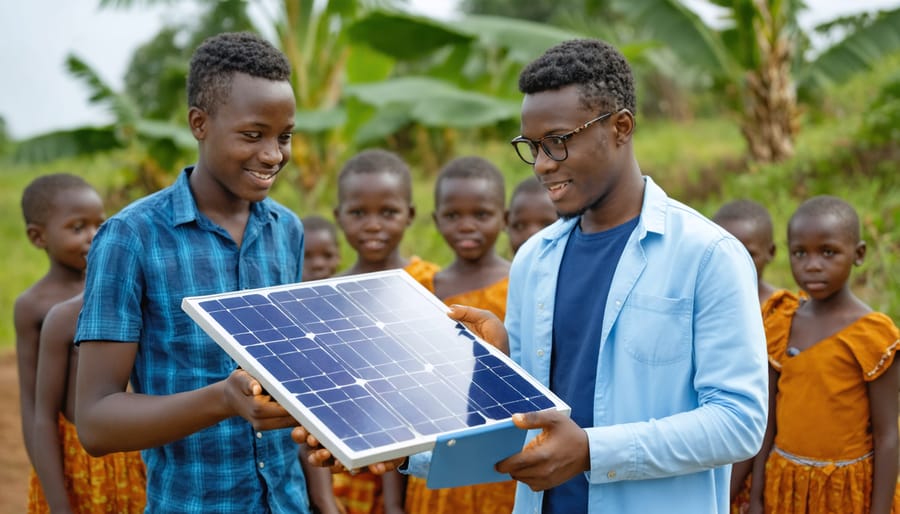
Youth leaders in solar advocacy can effectively engage their communities through structured, multi-channel approaches. The primary strategy involves organizing educational workshops and demonstrations that showcase solar technology’s practical applications and benefits. These sessions should be tailored to different audience segments, from elementary school students to local business owners.
Digital platforms play a crucial role in community outreach. Youth leaders can develop social media campaigns, webinars, and interactive online resources that explain solar energy concepts and installation processes. Creating engaging content through infographics, video tutorials, and success stories helps maintain community interest and involvement.
Collaboration with local institutions is essential for broader impact. Youth leaders should establish partnerships with schools, community centers, and environmental organizations to expand their reach. Regular participation in community events, science fairs, and environmental festivals provides opportunities to demonstrate solar technologies and share knowledge.
Data collection and community feedback mechanisms are vital for program improvement. Implementing surveys, feedback sessions, and impact assessments helps measure engagement effectiveness and identify areas for enhancement. Youth leaders should maintain open communication channels with community stakeholders through regular meetings and progress updates.
Mentorship programs connecting experienced solar professionals with interested community members can create lasting impact. These relationships foster knowledge transfer and build a sustainable network of solar energy advocates within the community.
Technical Skills Development
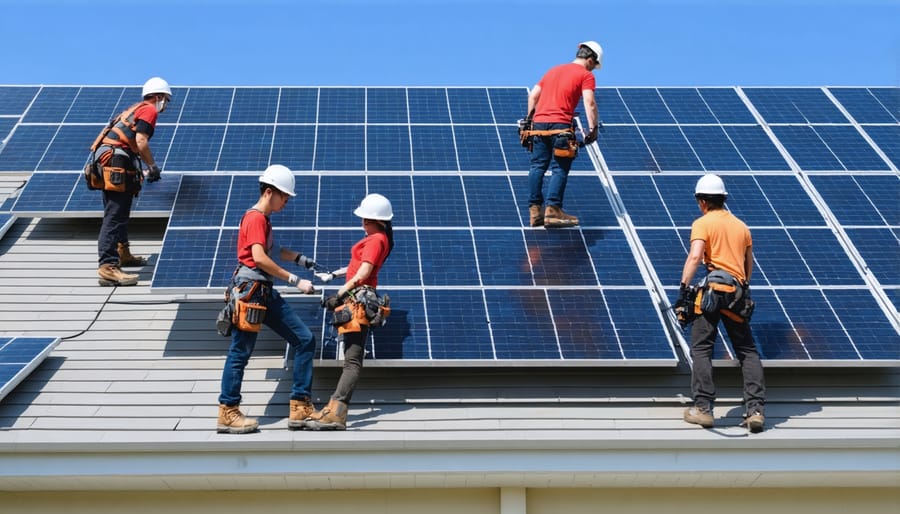
The Technical Skills Development component of the Youth Power Project provides comprehensive hands-on training in solar photovoltaic systems. Participants engage in structured learning modules that cover fundamental concepts, including system design, installation procedures, and maintenance protocols. Through supervised practical sessions, youth members gain experience with solar panel mounting, electrical wiring, and inverter configuration.
The program incorporates industry-standard equipment and tools, ensuring participants develop proficiency with current technologies. Training sessions include solar site assessment techniques, shading analysis, and system sizing calculations. Students learn to use professional tools such as solar pathfinders, multimeters, and monitoring systems while adhering to safety guidelines and best practices.
Laboratory workshops focus on understanding solar cell characteristics, module testing, and performance evaluation. Participants conduct experiments to analyze factors affecting solar panel efficiency and learn troubleshooting methodologies for common system issues. The curriculum also covers emerging technologies in the solar industry, including bifacial panels and smart inverters.
To enhance learning outcomes, the program partners with local solar installation companies for field visits and apprenticeship opportunities. These partnerships provide real-world exposure to commercial and residential solar projects, allowing participants to observe professional installations and participate in system commissioning processes. The hands-on experience culminates in supervised installation projects, where participants apply their acquired knowledge to complete functional solar PV systems.
Measuring Impact and Future Growth
Key Performance Indicators
Measuring the success of youth advocacy in solar power initiatives requires a comprehensive set of Key Performance Indicators (KPIs) that reflect both quantitative and qualitative outcomes. Primary metrics include the number of youth participants engaged in solar advocacy programs, with successful projects typically maintaining an annual engagement rate of 80% or higher.
Educational impact is measured through pre and post-program assessments, evaluating participants’ knowledge of solar technology, energy policy, and environmental sustainability. Programs demonstrate effectiveness when participants show a minimum 40% improvement in understanding these core concepts.
Community outreach effectiveness is tracked through several metrics: the number of solar awareness events organized, attendance rates at these events, and the reach of social media campaigns. Successful youth power projects typically achieve a minimum of 12 community events annually, with cumulative attendance exceeding 1,000 participants.
Project sustainability is evaluated through tracking the number of implemented solar installations resulting from youth advocacy efforts, measured in kilowatts of installed capacity. High-performing programs facilitate at least 50kW of new solar installations annually through their advocacy work.
Policy influence is assessed by monitoring the number of youth-led policy proposals presented to local government bodies, successful policy adoptions, and participation in public comment periods. Effective programs typically submit at least four policy recommendations annually, with a target adoption rate of 25%.
Long-term impact is measured through alumni tracking, including the percentage of participants pursuing careers in renewable energy or environmental advocacy. Successful programs maintain an average of 30% of alumni entering related fields within five years of program completion.
These KPIs are regularly reviewed and adjusted to ensure alignment with evolving industry standards and program objectives.
Scaling the Initiative
To expand youth involvement in solar advocacy, organizations must implement strategic scaling initiatives that maximize impact while maintaining program quality. This expansion typically involves a three-pronged approach: geographical expansion, program diversification, and partnership development.
Geographic scaling requires careful market analysis to identify regions with high potential for youth engagement and solar adoption. Organizations should prioritize areas with supportive policy frameworks and established renewable energy infrastructure. By creating regional hubs, programs can maintain local relevance while benefiting from centralized resources and expertise.
Program diversification encompasses developing tailored curricula for different age groups and education levels. Advanced training modules can prepare high school students for solar industry careers, while introductory programs can spark interest among younger participants. Digital learning platforms and virtual workshops enable broader reach while reducing operational costs.
Strategic partnerships play a crucial role in scaling initiatives. Collaborations with educational institutions provide access to facilities and potential participants. Industry partnerships offer technical expertise and career pathways, while government agencies can provide funding and policy support. Environmental organizations contribute advocacy experience and established networks.
To ensure sustainable growth, organizations must implement robust monitoring and evaluation systems. Key performance indicators should track both quantitative metrics (participant numbers, solar installations facilitated) and qualitative outcomes (knowledge retention, attitude changes). Regular assessment enables programs to adapt and improve while maintaining quality standards.
Resource allocation requires careful balance between expansion and program integrity. Sustainable funding models might include corporate sponsorships, government grants, and social enterprise components. Training local youth leaders as program facilitators creates a multiplier effect while ensuring cultural relevance and community buy-in.
Partnership Opportunities
The Youth Power Project actively seeks partnerships with educational institutions and industry stakeholders to amplify its impact and reach. Universities and technical colleges play a crucial role in providing academic expertise, research facilities, and student engagement opportunities. These collaborations enable the development of specialized curriculum modules focused on solar PV technology and sustainable energy practices.
Industry partnerships with solar manufacturers, installers, and energy companies create valuable pathways for internships, apprenticeships, and hands-on training experiences. These relationships help bridge the gap between theoretical knowledge and practical application, preparing youth for careers in the renewable energy sector.
Through established community solar programs, the project connects with local businesses, municipalities, and environmental organizations to create comprehensive learning ecosystems. These partnerships facilitate equipment donations, technical workshops, and mentorship opportunities.
The project welcomes collaboration proposals from organizations sharing our commitment to youth empowerment and sustainable energy adoption. Potential partners can contribute through various channels, including:
– Technical expertise and training resources
– Project funding and equipment support
– Internship and job placement programs
– Research and development initiatives
– Community outreach and awareness campaigns
By fostering these strategic partnerships, the Youth Power Project creates a sustainable framework for developing the next generation of solar energy professionals and advocates.
The emergence of youth leadership in solar PV advocacy represents a crucial turning point in the renewable energy sector. Through dedicated engagement programs and educational initiatives, young advocates have demonstrated their capacity to drive meaningful change in solar energy adoption and policy development. Their fresh perspectives, technological aptitude, and commitment to sustainability have proven invaluable in advancing solar PV implementation across communities.
As we look toward the future, the role of youth in solar advocacy continues to expand and evolve. Their ability to leverage social media, organize grassroots campaigns, and connect with diverse stakeholders has created unprecedented momentum for solar energy adoption. The success of youth-led initiatives has highlighted the importance of intergenerational collaboration in achieving renewable energy goals.
The impact of youth engagement extends beyond immediate project outcomes. By fostering leadership skills and technical expertise among young professionals, these programs create a pipeline of qualified individuals ready to advance the solar industry. Universities and technical institutions have recognized this potential, incorporating hands-on solar advocacy experience into their curriculum and research programs.
Moving forward, sustained investment in youth leadership development remains critical for the solar sector’s growth. As technology advances and policy landscapes shift, the energy and innovation that young advocates bring to the field will become increasingly vital. Their continued involvement ensures that solar PV advocacy remains dynamic, inclusive, and aligned with evolving societal needs.