
Stakeholder feedback forms the cornerstone of successful solar PV project implementation, driving project optimization and community acceptance through structured engagement processes. By systematically collecting, analyzing, and incorporating input from diverse stakeholders – including local communities, regulatory bodies, and financial investors – project developers can significantly enhance project outcomes and minimize potential risks. This collaborative approach not only ensures compliance with regulatory requirements but also builds lasting relationships with key stakeholders, ultimately contributing to the long-term sustainability of solar energy initiatives.
The evolution of stakeholder engagement in renewable energy projects has demonstrated that early, transparent, and consistent feedback mechanisms yield measurable improvements in project design, timeline adherence, and operational efficiency. Industry leaders increasingly recognize that meaningful stakeholder participation goes beyond mere consultation, requiring a comprehensive framework that transforms diverse perspectives into actionable insights. This systematic approach to stakeholder feedback has become particularly crucial as solar PV installations expand into new communities and markets, where social license to operate depends heavily on effective stakeholder management and responsive project development.
Key Stakeholders in Solar PV Projects

Primary Stakeholders
Primary stakeholders in solar PV projects represent the core groups whose direct involvement and support are essential for project success. Project owners, typically including private developers, utilities, or commercial entities, maintain the most significant interest in project outcomes and financial performance. These stakeholders often provide initial capital investment and oversee strategic decision-making throughout the project lifecycle.
Investors constitute another crucial primary stakeholder group, encompassing private equity firms, banks, institutional investors, and sometimes government funding agencies. Their primary concerns revolve around return on investment, risk management, and project viability. These stakeholders require regular updates on project milestones, financial performance, and potential risks.
Direct beneficiaries form the third major primary stakeholder category, including energy consumers, local businesses, and communities hosting the solar installation. These stakeholders benefit from reduced electricity costs, improved energy reliability, and potential economic development opportunities. Their feedback is particularly valuable for understanding real-world project impacts and identifying areas for improvement in service delivery.
Understanding and managing these primary stakeholders’ expectations and concerns is fundamental to project success, as their support directly influences project outcomes and long-term sustainability.
Secondary Stakeholders
Secondary stakeholders play a vital role in shaping solar PV projects through their diverse perspectives and interests. Community members, particularly those living near proposed installation sites, contribute valuable insights regarding local impacts and benefits. Their feedback often influences project design and implementation, leading to more successful community solar success strategies.
Local authorities, including municipal governments and planning committees, provide regulatory oversight and ensure compliance with zoning laws and building codes. Their involvement helps align projects with regional development goals and sustainability initiatives. Environmental groups offer expertise on ecological impacts, wildlife preservation, and sustainable land use practices. These organizations often conduct independent assessments and propose mitigation strategies to minimize environmental footprint.
Business associations and economic development agencies contribute perspectives on local economic impacts, job creation, and workforce development opportunities. Educational institutions may provide research support and technical expertise, while helping develop training programs for the local workforce. Engaging these stakeholders early in the project lifecycle typically results in more sustainable and widely accepted solar installations.
Effective Feedback Collection Methods
Digital Platforms
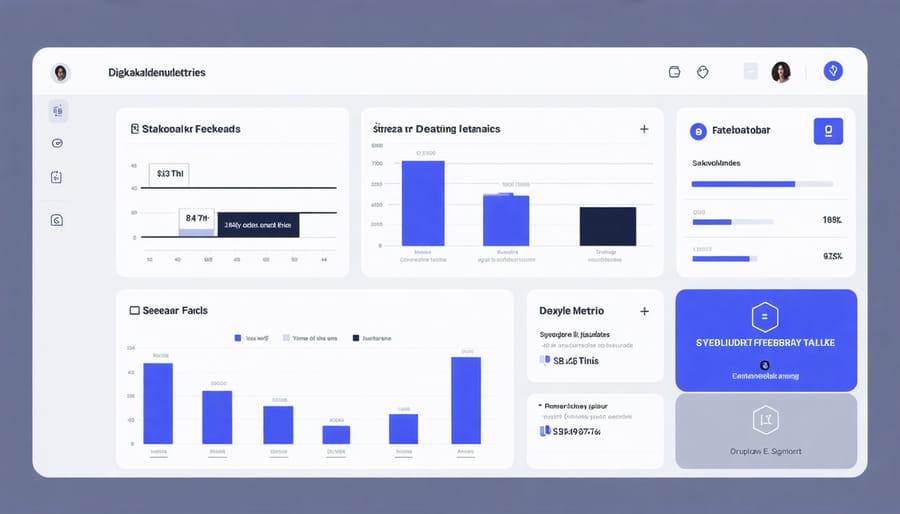
Modern stakeholder feedback collection has been revolutionized by digital engagement platforms that offer efficient, scalable solutions for solar PV projects. Online surveys have emerged as a primary tool, enabling project developers to gather quantitative and qualitative data from diverse stakeholder groups simultaneously. These surveys, often featuring multiple-choice questions, rating scales, and open-ended responses, provide structured data that can be analyzed systematically.
Mobile applications specifically designed for stakeholder engagement offer real-time feedback capabilities, allowing stakeholders to report concerns, submit suggestions, or track project progress directly from their smartphones. These apps often include features such as photo documentation, GPS location tagging, and instant notifications, enhancing the quality and immediacy of feedback.
Web-based feedback portals serve as centralized platforms where stakeholders can access project information, participate in discussions, and submit formal feedback. These portals typically incorporate document sharing capabilities, interactive forums, and automated response systems that ensure stakeholder inquiries receive timely attention.
Integration of these digital tools with project management systems enables automated data collection, analysis, and reporting, significantly reducing administrative burden while improving response rates and data accuracy. This technological approach also facilitates transparent communication and helps maintain comprehensive documentation of stakeholder interactions throughout the project lifecycle.
Direct Engagement
Direct stakeholder engagement through face-to-face interactions remains one of the most effective methods for gathering comprehensive feedback in solar PV projects. Community meetings serve as platforms where project developers can present plans, address concerns, and gather collective input from residents and local businesses. These meetings often involve multimedia presentations, Q&A sessions, and interactive discussions that foster meaningful dialogue.
Workshops provide a more focused environment for stakeholders to actively participate in project planning. These structured sessions can include technical demonstrations, impact assessments, and collaborative problem-solving exercises. When working with local authorities, workshops help establish clear communication channels and align project goals with community needs.
One-on-one consultations offer a more personalized approach, particularly valuable for addressing specific concerns of key stakeholders such as property owners, environmental groups, or industry partners. These private meetings allow for detailed discussions about technical specifications, environmental impact, and mitigation strategies. Regular consultation sessions help build trust, ensure transparency, and maintain positive relationships throughout the project lifecycle.
Continuous Monitoring
Effective stakeholder feedback management requires robust continuous monitoring systems that provide real-time insights and facilitate regular communication. Modern solar PV projects benefit from digital platforms that enable instant feedback collection through automated surveys, mobile applications, and web-based dashboards. These tools allow project managers to track stakeholder sentiment, concerns, and suggestions as they emerge.
Regular check-ins should be scheduled at predetermined intervals, typically monthly or quarterly, depending on project scope and stakeholder preferences. These structured interactions provide opportunities for detailed discussions, progress updates, and addressing complex issues that may not be captured through automated systems.
Performance metrics and key performance indicators (KPIs) should be established to measure the effectiveness of feedback mechanisms. These might include response rates, resolution times, and stakeholder satisfaction scores. Data analytics tools can help identify patterns and trends in stakeholder feedback, enabling proactive issue resolution and continuous improvement of engagement strategies.
Project teams should maintain detailed documentation of all feedback interactions, including action items, resolutions, and follow-up communications. This creates an auditable trail and ensures accountability in stakeholder engagement processes.
Implementation Framework
Planning Phase
The planning phase of stakeholder feedback systems requires careful consideration of objectives, methodologies, and implementation strategies. Begin by establishing clear, measurable goals that align with both project requirements and stakeholder expectations. This foundation ensures that feedback mechanisms serve their intended purpose while maintaining cultural sensitivity in stakeholder engagement.
Create a comprehensive feedback framework that includes multiple channels for information gathering, such as structured surveys, focus group discussions, and one-on-one interviews. Design these tools to capture both quantitative and qualitative data, ensuring a holistic understanding of stakeholder perspectives. Consider implementing digital platforms for real-time feedback collection while maintaining traditional communication methods for stakeholders with limited technological access.
Develop clear timelines for feedback collection, analysis, and implementation. Schedule regular checkpoints throughout the project lifecycle to assess the effectiveness of feedback mechanisms and make necessary adjustments. Establish key performance indicators (KPIs) to measure the success of stakeholder engagement efforts and ensure alignment with project objectives.
Allocate appropriate resources, including personnel, technology, and budget, to support the feedback system. Train team members in feedback collection methodologies and data analysis techniques to ensure consistent and reliable results. Document all procedures and protocols in a stakeholder engagement plan that can be referenced throughout the project duration.
Execution Strategy
The implementation of stakeholder feedback in solar PV projects follows a structured timeline divided into three key phases. Phase one, spanning the first quarter, focuses on establishing feedback channels and developing data collection tools. This includes setting up digital platforms, preparing survey templates, and training project teams in stakeholder engagement methodologies.
Phase two encompasses months four through eight, during which active feedback collection and initial analysis take place. Resource allocation during this period prioritizes dedicated personnel for stakeholder communications, with approximately 30% of project management time devoted to feedback processing and preliminary response formulation.
The final phase, lasting four months, centers on feedback implementation and performance monitoring. This phase requires the most significant resource commitment, typically involving 40-50% of available project resources. Key allocations include technical staff for system modifications, communication specialists for stakeholder updates, and quality assurance teams for implementation verification.
Throughout all phases, dedicated project management software tracks progress and resource utilization. A contingency buffer of 15% in both timeline and resources ensures flexibility in addressing unexpected stakeholder concerns or implementation challenges. Regular milestone reviews occur at the end of each phase, allowing for strategy adjustments and resource reallocation as needed.
Success metrics are monitored continuously, with formal evaluations conducted at 3-month intervals to ensure alignment with project objectives and stakeholder expectations.
Data Analysis and Action
Feedback Processing
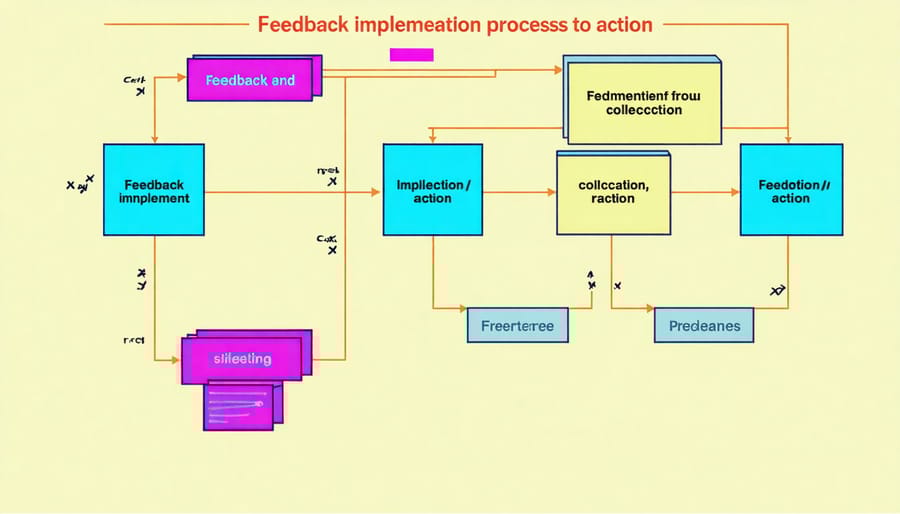
Processing stakeholder feedback effectively requires a systematic approach combining both qualitative and quantitative analysis methods. Initial data organization typically involves categorizing feedback into themes such as technical concerns, environmental impacts, and community benefits. This classification enables project managers to identify patterns and prioritize responses.
Digital analysis tools, such as feedback management software and data visualization platforms, help transform raw stakeholder input into actionable insights. These tools can track feedback trends over time, generate statistical reports, and highlight critical areas requiring immediate attention.
For solar PV projects, sentiment analysis proves particularly valuable in understanding community attitudes toward installation proposals. This technique helps identify specific concerns about visual impact, land use, or potential environmental effects that might require additional attention during project planning.
Matrix analysis frameworks assist in weighing different stakeholder perspectives against project constraints and objectives. This approach typically considers factors such as implementation feasibility, resource requirements, and alignment with project goals. Priority matrices help determine which feedback elements warrant immediate action versus long-term consideration.
Documentation and tracking systems ensure transparency throughout the feedback processing cycle. Regular status updates maintain stakeholder engagement and demonstrate commitment to addressing concerns. This systematic approach not only improves project outcomes but also strengthens relationships with key stakeholders, ultimately contributing to more successful solar PV implementations.
Response Management
Effective response management to stakeholder feedback requires a systematic approach that ensures concerns are addressed promptly and improvements are implemented strategically. Organizations should establish a clear protocol for evaluating and prioritizing feedback based on impact, feasibility, and alignment with project objectives.
Begin by categorizing stakeholder input into immediate action items, medium-term improvements, and long-term strategic changes. Create a dedicated response team responsible for analyzing feedback and developing appropriate action plans. This team should maintain regular communication with stakeholders throughout the resolution process.
Implementation of improvements should follow a structured timeline with clearly defined milestones. Document all changes and their outcomes to demonstrate responsiveness to stakeholder concerns. Regular progress updates help maintain transparency and build trust with stakeholders.
Consider establishing a feedback loop system where implemented changes are monitored and evaluated for effectiveness. This approach allows for continuous refinement of solutions and ensures that improvements genuinely address stakeholder needs.
For complex issues requiring significant resources or system-wide changes, develop phased implementation plans that balance stakeholder expectations with practical constraints. Prioritize solutions that offer the greatest benefit to multiple stakeholder groups while maintaining project viability.
Remember to acknowledge all feedback, even when immediate action isn’t possible. Provide clear explanations for decisions made and maintain open channels for ongoing dialogue. This approach helps foster positive relationships and encourages continued stakeholder engagement in future initiatives.
Effective stakeholder feedback mechanisms serve as the cornerstone of successful solar PV project implementation and management. Throughout this discussion, we’ve explored the critical components of stakeholder engagement, from identification and categorization to the implementation of structured feedback systems. The importance of maintaining open communication channels, establishing clear feedback protocols, and utilizing both traditional and digital platforms cannot be overstated.
Regular stakeholder feedback enables project managers to identify potential challenges early, adapt to changing requirements, and ensure project outcomes align with stakeholder expectations. The systematic approach to gathering, analyzing, and implementing feedback helps organizations build stronger relationships with their stakeholders while improving project performance and sustainability outcomes.
Key success factors include maintaining transparency throughout the feedback process, establishing clear accountability measures, and demonstrating tangible actions based on stakeholder input. Organizations that excel in stakeholder engagement typically experience improved project outcomes, enhanced community support, and more sustainable long-term operations.
Moving forward, the evolution of stakeholder feedback mechanisms will continue to play a vital role in shaping the future of solar PV projects. As the industry grows and technology advances, maintaining effective stakeholder communication will become increasingly important for project success and industry advancement. Organizations that prioritize and refine their stakeholder feedback processes will be better positioned to navigate challenges and capitalize on opportunities in the dynamic solar energy landscape.