Blockchain technology is revolutionizing the energy sector, promising to transform how we generate, distribute, and consume electricity. By enabling secure, transparent, and decentralized transactions, blockchain has the potential to create a more efficient, resilient, and sustainable energy system. From peer-to-peer energy trading and renewable energy certificate markets to grid management and electric vehicle charging, blockchain applications are diverse and far-reaching. As the energy industry grapples with the challenges of decarbonization, digitalization, and decentralization, blockchain emerges as a powerful tool to drive innovation and accelerate the transition to a cleaner, smarter, and more equitable energy future. This article explores the latest breakthroughs and trends in blockchain for energy, showcasing real-world examples and discussing the opportunities and challenges ahead.

Decentralized Energy Trading
Empowering Prosumers
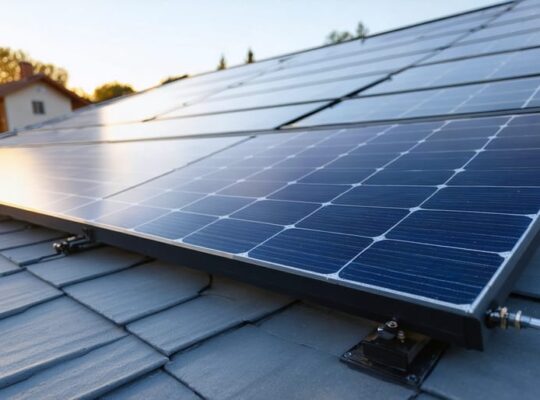
Blockchain technology is revolutionizing the energy sector by empowering prosumers – individuals who both produce and consume energy. With the rise of residential solar panels, many households now generate excess electricity that can be sold back to the grid. However, traditional energy markets often involve intermediaries and complex processes, limiting the control and profitability for prosumers. Blockchain offers a decentralized solution, enabling peer-to-peer energy trading without the need for intermediaries. Through blockchain-based platforms, prosumers can directly sell their excess solar energy to other consumers, negotiating prices and executing transactions seamlessly. This not only provides a new revenue stream for solar panel owners but also promotes the adoption of renewable energy by incentivizing small-scale production. By empowering prosumers, blockchain is fostering a more decentralized, efficient, and sustainable energy ecosystem, where individuals play an active role in shaping the future of energy.
Improving Grid Efficiency
Decentralized energy trading, enabled by blockchain technology, has the potential to significantly improve grid efficiency by balancing supply and demand in real-time. By allowing prosumers to trade excess energy directly with consumers, the grid can respond more quickly to fluctuations in energy production and consumption. This peer-to-peer trading reduces the need for long-distance energy transmission, minimizing transmission losses and enhancing overall grid efficiency. Moreover, blockchain-based smart contracts can automate the settlement process, ensuring fair compensation for prosumers and transparent pricing for consumers. As renewable energy sources become increasingly integrated into the grid, decentralized trading will play a crucial role in maintaining stability and optimizing energy distribution. By leveraging the power of blockchain, the energy industry can create a more efficient, sustainable, and resilient grid that benefits all stakeholders.
Renewable Energy Certificate Trading
Increasing Transparency
Blockchain technology offers a promising solution to ensure the authenticity and provenance of Renewable Energy Certificates (RECs). By leveraging the immutable and transparent nature of blockchain, energy producers can create a tamper-proof record of each REC’s generation, ownership, and transaction history. This increased transparency helps prevent double-counting and fraud, as each REC is uniquely identified and tracked on the blockchain ledger. Moreover, smart contracts can automate the issuance, transfer, and retirement of RECs, streamlining the entire process and reducing administrative costs. With blockchain, buyers can have greater confidence in the integrity of the RECs they purchase, knowing that they are supporting genuine renewable energy projects. This enhanced transparency and trust in the REC market can ultimately drive more investment in clean energy initiatives and accelerate the transition to a low-carbon future.
Reducing Administrative Costs
Blockchain technology has the potential to streamline the issuance, trading, and retirement of Renewable Energy Certificates (RECs), significantly reducing administrative costs. By automating these processes on a decentralized ledger, blockchain eliminates the need for intermediaries and manual recordkeeping. Smart contracts can be programmed to automatically issue RECs when renewable energy is generated, ensuring accurate and timely creation of certificates. These digital RECs can then be traded on blockchain-based marketplaces, enabling faster and more efficient transactions between buyers and sellers. When RECs are retired, the blockchain records the event immutably, providing a transparent and auditable trail. This automation reduces the administrative burden on energy companies, lowers transaction costs, and minimizes the risk of errors or fraud associated with traditional manual processes.
Electric Vehicle Charging and Sharing
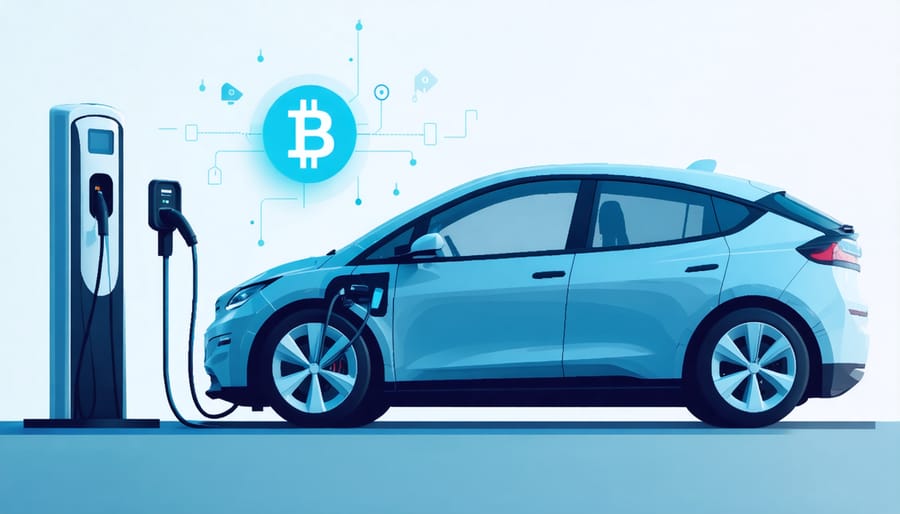
Blockchain technology is revolutionizing the way electric vehicle (EV) charging and sharing transactions are conducted. By leveraging the decentralized, secure, and transparent nature of blockchain, EV owners can enjoy seamless and efficient charging experiences while participating in peer-to-peer car sharing networks.
One of the key benefits of blockchain in EV charging is the use of smart contracts. These self-executing contracts automate the payment process, eliminating the need for intermediaries and reducing transaction costs. When an EV is plugged into a charging station, the smart contract is triggered, initiating a secure and instant payment from the vehicle owner’s digital wallet to the charging provider.
Moreover, blockchain enables a decentralized network of EV charging stations, allowing owners to earn revenue by sharing their private charging points with others. This peer-to-peer model not only increases the availability of charging infrastructure but also promotes the adoption of renewable energy sources, as many EV owners may have solar panels installed at their homes.
In the realm of car sharing, blockchain provides a secure and transparent platform for EV owners to rent out their vehicles when not in use. Smart contracts govern the rental agreements, ensuring that the terms and conditions are met and that payments are automatically transferred upon successful completion of the rental period. This streamlined process builds trust between car owners and renters, fostering a vibrant and reliable car sharing ecosystem.
As the adoption of EVs continues to grow, blockchain technology will play a crucial role in enabling secure, efficient, and user-friendly charging and sharing experiences, ultimately contributing to a more sustainable and interconnected transportation future.
Smart Contract Automation
Smart contracts, powered by blockchain technology, have the potential to revolutionize energy transactions and settlements. These self-executing contracts, with predefined conditions and actions, can automate various processes in the energy industry. By leveraging smart contracts, energy producers and consumers can engage in direct, peer-to-peer transactions without intermediaries, reducing costs and increasing efficiency. Smart contracts can facilitate the automatic settlement of energy trades based on real-time data from smart meters and IoT devices, ensuring accurate and timely payments. They can also enable dynamic pricing models, incentivizing energy consumption during off-peak hours and promoting grid stability. Furthermore, smart contracts can streamline renewable energy certificate (REC) trading, allowing for transparent and auditable tracking of green energy production and consumption. The automation provided by smart contracts eliminates manual processes, reduces the risk of errors, and enhances trust among participants in the energy ecosystem. As blockchain technology advances, the integration of smart contracts in the energy sector is expected to drive innovation, empower prosumers, and contribute to a more sustainable and decentralized energy future.
Challenges and Future Outlook
Regulatory Hurdles
Despite the potential benefits of blockchain in the energy sector, regulatory hurdles pose a significant challenge for wider adoption. Energy markets are heavily regulated, and existing legal frameworks may not be compatible with decentralized blockchain systems. Regulators need to address issues such as data privacy, cybersecurity, and the legal status of smart contracts. Additionally, there are concerns about the environmental impact of blockchain, particularly the high energy consumption associated with proof-of-work consensus mechanisms. To overcome these hurdles, regulators must work closely with industry stakeholders to develop clear guidelines and standards that foster innovation while protecting consumers and ensuring grid stability. Governments can also incentivize the development of more energy-efficient blockchain solutions and encourage the use of renewable energy for mining operations. For more insights into protecting energy systems, explore how cyber-physical systems enhance security. By creating a supportive regulatory environment, policymakers can help unlock the full potential of blockchain technology in the energy sector, leading to a more sustainable and resilient future.
Scaling and Interoperability
Scaling blockchain networks for the energy sector presents several technical challenges. As more participants join the network and transaction volumes increase, maintaining fast and efficient consensus mechanisms becomes crucial. Researchers are exploring solutions like sharding and off-chain transactions to improve scalability without compromising security or decentralization. Interoperability is another key issue, as different blockchain platforms and legacy systems need to communicate seamlessly. Standardization efforts, such as the Energy Web Foundation’s Open Source Frameworks, aim to foster interoperability and facilitate data exchange between diverse energy market participants. Overcoming these challenges is essential for blockchain to realize its full potential in enabling a more decentralized, transparent, and efficient energy system. As the technology matures and industry collaboration grows, we can expect to see innovative solutions that address scaling and interoperability concerns, paving the way for widespread adoption of blockchain in the energy sector.
Conclusion
In conclusion, blockchain technology holds tremendous potential to revolutionize the energy sector by enabling decentralized, transparent, and secure transactions. From peer-to-peer energy trading and renewable energy certificate tracking to grid management and electric vehicle charging, blockchain applications are diverse and far-reaching. The technology’s inherent characteristics of immutability, transparency, and decentralization align well with the goals of creating a more sustainable, efficient, and resilient energy system. However, challenges such as regulatory uncertainties, scalability limitations, and adoption barriers must be addressed to fully realize blockchain’s transformative potential. As the technology continues to evolve and mature, ongoing research, pilot projects, and collaborations between stakeholders will be crucial in shaping the future of blockchain in the energy industry. By harnessing the power of blockchain, we can pave the way for a more decentralized, democratized, and sustainable energy landscape that benefits consumers, producers, and the environment alike.