Global digitalization is revolutionizing industries at an unprecedented pace, fundamentally transforming how businesses operate, compete, and deliver value in the 21st century. From artificial intelligence and cloud computing to Internet of Things (IoT) devices and blockchain technology, digital innovations are creating a hyperconnected ecosystem that transcends geographical boundaries and traditional business models.
The scale and scope of this digital transformation are staggering: by 2025, the global digital transformation market is projected to reach $3.3 trillion, with over 75% of global enterprises implementing comprehensive digitalization strategies. This technological revolution isn’t merely about automation or efficiency gains; it represents a fundamental shift in how organizations engage with customers, manage operations, and create sustainable competitive advantages.
For businesses and economies alike, embracing digitalization isn’t optional—it’s imperative for survival and growth in an increasingly interconnected world. Organizations that successfully navigate this digital transformation journey are seeing remarkable improvements in operational efficiency, customer satisfaction, and innovation capabilities, while those that lag behind risk becoming obsolete in an ever-evolving digital landscape.
This digital revolution brings both unprecedented opportunities and complex challenges, requiring organizations to develop new competencies, reshape business models, and foster a culture of continuous innovation and adaptation.
Digital Transformation in Solar Manufacturing
Smart Manufacturing and Industry 4.0
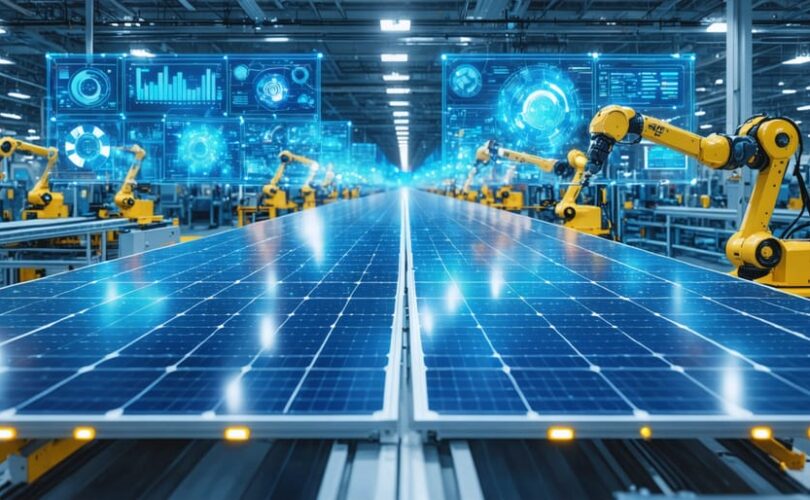
The integration of smart manufacturing principles and Industry 4.0 technologies has revolutionized solar production processes, leading to unprecedented efficiency gains and quality improvements. Modern solar manufacturing innovations have transformed traditional production lines into highly automated, data-driven operations.
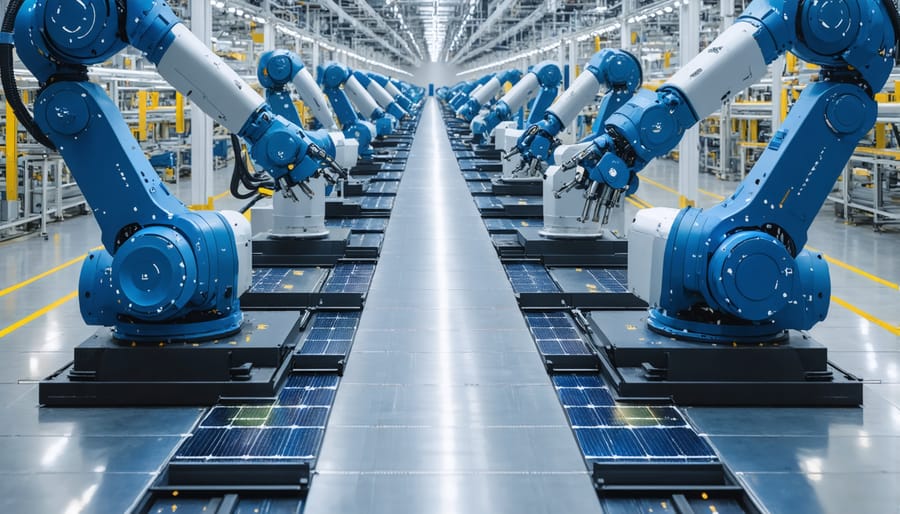
Advanced robotics and artificial intelligence systems now handle precise cell positioning and assembly, significantly reducing human error and increasing throughput. Internet of Things (IoT) sensors continuously monitor production parameters, from material quality to environmental conditions, enabling real-time adjustments and predictive maintenance.
Quality control systems have evolved to incorporate machine learning algorithms that can detect microscopic defects in solar cells with greater accuracy than traditional inspection methods. Digital twins of production facilities allow manufacturers to simulate and optimize processes before implementation, reducing costly trial-and-error approaches.
Manufacturing Execution Systems (MES) integrate seamlessly with Enterprise Resource Planning (ERP) software, creating a unified digital ecosystem that tracks everything from raw material intake to finished product delivery. This connectivity ensures complete traceability and enables sophisticated analytics for continuous process improvement.
The implementation of these smart manufacturing technologies has resulted in higher production yields, reduced waste, and improved product consistency. Manufacturers can now respond more quickly to market demands while maintaining stringent quality standards, ultimately contributing to more competitive and reliable solar solutions.
Digital Twin Technology in Production
Digital twin technology is revolutionizing solar panel manufacturing by creating virtual replicas of production processes and equipment. These sophisticated digital models enable manufacturers to simulate, optimize, and monitor production in real-time, leading to significant improvements in efficiency and quality control. By incorporating advanced panel technology with digital twin implementations, manufacturers can predict maintenance needs, reduce downtime, and enhance overall production yields.
The technology combines real-time sensor data, machine learning algorithms, and 3D modeling to create accurate virtual representations of manufacturing lines. This allows engineers to test process modifications virtually before implementing them on the factory floor, significantly reducing risks and costs associated with production changes. Quality control benefits particularly from this approach, as digital twins can detect potential defects and production anomalies before they manifest in physical products.
Manufacturing facilities utilizing digital twin technology report up to 25% improvement in production efficiency and a 30% reduction in maintenance costs. The system’s predictive capabilities enable proactive maintenance scheduling, while real-time monitoring ensures consistent product quality across production batches. This technology also facilitates remote monitoring and management of manufacturing facilities, enabling experts to diagnose and resolve issues from anywhere in the world.
AI-Powered Solar Design and Installation
3D Modeling and Design Software
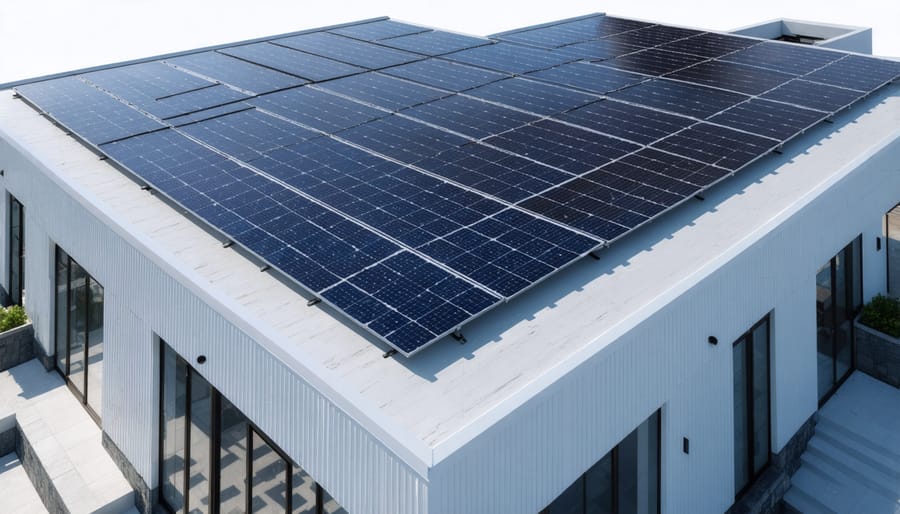
Advanced 3D modeling and design software has revolutionized the planning and implementation of solar installations, enabling engineers and designers to optimize system performance with unprecedented precision. These sophisticated tools integrate geographical data, shading analysis, and structural considerations to create highly accurate digital representations of solar projects.
Industry-standard software platforms now incorporate Building Information Modeling (BIM) capabilities, allowing professionals to visualize and analyze building integrated solar solutions within the context of existing architectural structures. This technology enables precise calculations of energy yield potential, taking into account factors such as solar irradiance, panel orientation, and site-specific obstacles.
Modern 3D modeling tools feature automated design optimization algorithms that can evaluate thousands of possible configurations to determine the most efficient layout for solar arrays. These platforms integrate seamlessly with project management software, facilitating collaboration between designers, installers, and stakeholders while maintaining detailed documentation throughout the project lifecycle.
The software’s simulation capabilities allow professionals to conduct virtual stress tests, assess structural loads, and analyze potential maintenance challenges before physical installation begins. This proactive approach significantly reduces project risks and installation time while ensuring optimal system performance and longevity. Additionally, these tools generate comprehensive reports and technical documentation that comply with industry standards and regulatory requirements.
Remote Site Assessment Technologies
Remote site assessment technologies have revolutionized the initial stages of solar project development by enabling precise, data-driven evaluations without physical site visits. Advanced satellite imagery, combined with artificial intelligence and machine learning algorithms, now allows developers to assess potential installation sites with unprecedented accuracy and efficiency.
High-resolution satellite imaging provides detailed topographical data, shading analysis, and surface measurements, while AI-powered tools automatically identify obstacles, calculate optimal panel placement, and predict energy yield potential. These technologies can analyze multiple sites simultaneously, significantly reducing the time and resources required for preliminary assessments.
Modern assessment platforms integrate various data sources, including LiDAR (Light Detection and Ranging) scans, weather patterns, and historical solar irradiance data. This comprehensive approach enables developers to create detailed 3D models of proposed installation sites, complete with surrounding structures and vegetation that might impact system performance.
The implementation of these remote assessment tools has particularly accelerated during global events that limited physical site visits. Companies now routinely use these technologies to pre-qualify sites, estimate project costs, and optimize system designs before conducting in-person evaluations. This digital-first approach has reduced project development timelines by up to 70% while improving accuracy in initial assessments.
Furthermore, these technologies continue to evolve, incorporating new capabilities such as automated permit compliance checking and integration with utility grid mapping systems, making the entire site assessment process more streamlined and reliable.
Digital Monitoring and Maintenance Systems
IoT-Based Performance Monitoring
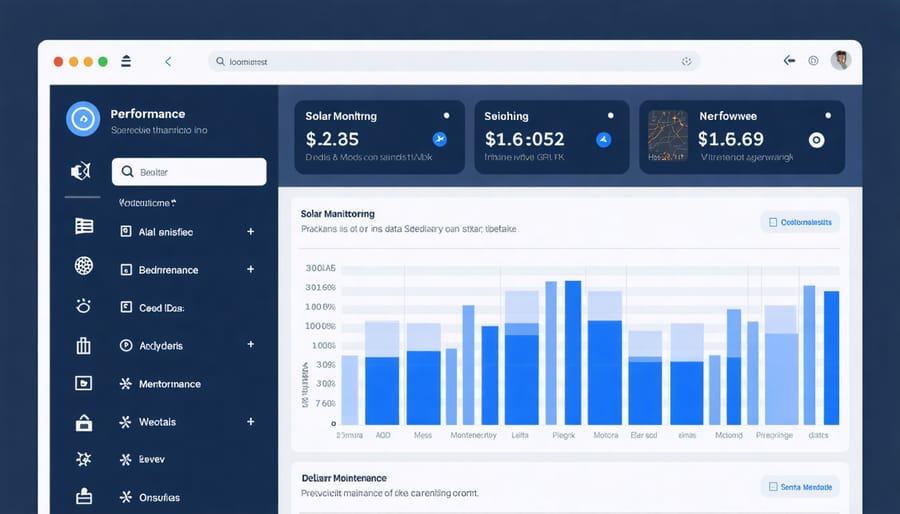
IoT-based performance monitoring represents a transformative advancement in solar energy systems, enabling unprecedented levels of data collection and analysis capabilities. Through strategically placed sensors and smart devices, these systems continuously gather critical performance metrics, environmental conditions, and operational parameters in real-time.
Modern IoT monitoring solutions integrate multiple data streams, including panel temperature, power output, weather conditions, and grid interaction metrics. This comprehensive data collection enables system operators to optimize performance, predict maintenance needs, and respond swiftly to any anomalies. Advanced analytics platforms process this information using sophisticated algorithms, providing actionable insights for performance enhancement and preventive maintenance.
The implementation of IoT monitoring systems has demonstrated significant benefits, including reduced downtime, improved energy yield, and enhanced operational efficiency. These systems can detect subtle performance degradation patterns before they become critical issues, allowing for proactive maintenance scheduling. Furthermore, automated alert systems notify operators of potential problems, enabling rapid response to maintain optimal system performance.
Cloud-based platforms aggregate and analyze data from multiple installations, creating valuable benchmarks and performance standards across different geographical locations and system configurations. This collective intelligence helps establish best practices and drives continuous improvement in system design and operation. The integration of machine learning algorithms further enhances predictive capabilities, offering increasingly accurate forecasting of energy production and maintenance requirements.
Predictive Analytics for Maintenance
Predictive analytics has revolutionized maintenance strategies in the solar industry by leveraging artificial intelligence and machine learning algorithms to optimize equipment performance and reduce downtime. Advanced sensor networks continuously collect operational data from solar installations, enabling real-time monitoring and analysis of system performance metrics, component health, and environmental conditions.
These AI-driven systems process vast amounts of historical and real-time data to identify patterns and predict potential equipment failures before they occur. By analyzing factors such as temperature variations, power output fluctuations, and component degradation rates, maintenance teams can implement proactive interventions rather than reactive repairs.
The implementation of predictive maintenance has demonstrated significant benefits, including a 20-30% reduction in maintenance costs and up to 45% decrease in unexpected equipment failures. Solar farm operators utilizing these systems report enhanced system reliability, improved resource allocation, and optimized maintenance scheduling.
Machine learning algorithms continuously refine their predictive capabilities by incorporating new data and outcomes, leading to increasingly accurate maintenance forecasts. This dynamic learning process enables maintenance teams to develop more efficient inspection routines, optimize spare parts inventory, and extend equipment lifetime through precisely timed interventions.
The integration of predictive analytics with automated work order systems and mobile maintenance applications has streamlined workflow management, ensuring that maintenance activities are properly prioritized and executed with maximum efficiency. This systematic approach to maintenance has become essential for maintaining high performance levels in large-scale solar installations while controlling operational costs.
Digital Marketplaces and Customer Engagement
Online Solar Marketplaces
Online solar marketplaces have emerged as pivotal platforms in the evolving solar market landscape, revolutionizing how industry stakeholders interact and conduct business. These digital platforms serve as comprehensive ecosystems, connecting manufacturers, suppliers, installers, and end customers through sophisticated matching algorithms and streamlined procurement processes.
These marketplaces typically feature advanced tools for solar system design, automated proposal generation, and real-time pricing comparisons. Installers can access detailed product specifications, warranty information, and inventory availability from multiple suppliers simultaneously, significantly reducing procurement time and costs. Customers benefit from transparent pricing, verified installer ratings, and standardized comparison metrics for different solar solutions.
Leading platforms incorporate machine learning algorithms to optimize product recommendations based on specific project requirements, local regulations, and historical performance data. Integration with project management tools enables seamless workflow coordination, from initial customer inquiry through installation completion and monitoring.
The marketplace model has particularly accelerated market penetration in emerging solar markets by reducing entry barriers and standardizing business practices. These platforms often include educational resources, technical documentation, and certification verification systems, fostering trust and professionalism across the industry. Financial institutions are increasingly partnering with these marketplaces to offer integrated financing solutions, further streamlining the solar adoption process for both commercial and residential customers.
Digital Customer Education and Support
Digital customer education and support has evolved significantly with the advancement of global digitalization, transforming how organizations interact with and serve their clientele. Modern digital platforms now offer comprehensive self-service portals, interactive learning modules, and real-time support systems that enhance customer experience while reducing operational costs.
Organizations are implementing sophisticated knowledge bases powered by artificial intelligence, enabling customers to find accurate information quickly through natural language processing. These systems continuously learn from user interactions, improving their response accuracy and relevance over time.
Virtual reality (VR) and augmented reality (AR) technologies are revolutionizing customer training and product demonstrations, allowing users to experience complex systems and processes in immersive, interactive environments. This is particularly valuable for technical products and services where hands-on understanding is crucial.
Customer relationship management (CRM) systems have evolved to incorporate predictive analytics, enabling organizations to anticipate customer needs and provide proactive support. These platforms analyze customer behavior patterns, support tickets, and engagement metrics to optimize service delivery and educational content.
Mobile applications have become central to customer education strategies, offering on-demand access to training materials, troubleshooting guides, and support channels. These apps often feature interactive tutorials, video content, and community forums where customers can share experiences and solutions.
Organizations are also leveraging social media platforms and online communities to create collaborative learning environments, facilitating peer-to-peer support and knowledge sharing while maintaining direct communication channels with their customer base.
The global digitalization of the solar market represents a transformative force that has fundamentally reshaped how the industry operates, innovates, and delivers value. Through the integration of advanced digital technologies, the solar sector has achieved unprecedented levels of efficiency, reliability, and accessibility. The convergence of IoT, artificial intelligence, and data analytics has enabled more intelligent solar systems, optimized energy production, and enhanced maintenance protocols.
Looking ahead, the trajectory of digital transformation in the solar industry shows no signs of slowing. Emerging technologies such as blockchain for energy trading, advanced automation in manufacturing, and sophisticated energy management systems are poised to further revolutionize the sector. These innovations will continue to drive down costs, improve performance, and increase the adoption of solar energy worldwide.
The future outlook suggests a more interconnected and intelligent solar ecosystem, where real-time data analytics and predictive maintenance become standard practice. This digital evolution will facilitate greater grid integration, enable more flexible energy systems, and support the transition to a sustainable energy future. As digital technologies mature and new solutions emerge, the solar industry will become increasingly efficient, accessible, and capable of meeting the growing global demand for clean energy.
For industry stakeholders, staying ahead of digital trends and embracing technological innovation will be crucial for maintaining competitiveness in this rapidly evolving landscape. The successful integration of digital solutions will not only enhance operational efficiency but also create new business opportunities and improve customer experiences in the solar market.