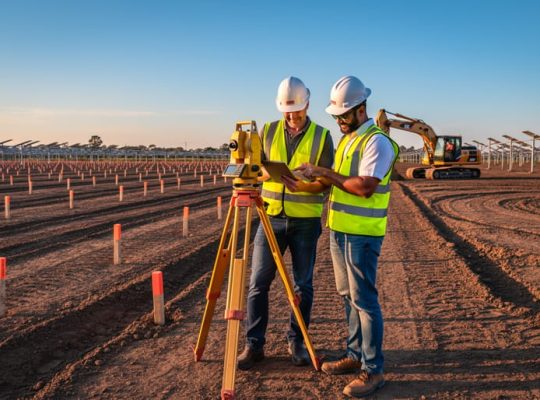
Solar energy’s rapid growth as a renewable power source brings with it significant challenges that demand careful consideration. While photovoltaic technology offers compelling environmental benefits, understanding its limitations is crucial for making informed investment decisions and setting realistic expectations for system performance. From weather-dependent power generation to substantial initial costs, solar energy systems face several notable drawbacks that impact their widespread adoption and operational efficiency. This comprehensive analysis examines seven critical disadvantages of solar power installations, providing technical insights into the constraints that influence system reliability, economic viability, and long-term sustainability. For industry professionals, facility managers, and potential adopters, recognizing these limitations enables better planning, risk assessment, and implementation strategies while highlighting areas where technological advancement remains essential for overcoming current solar energy challenges.
Weather-Related Degradation
Temperature Fluctuations
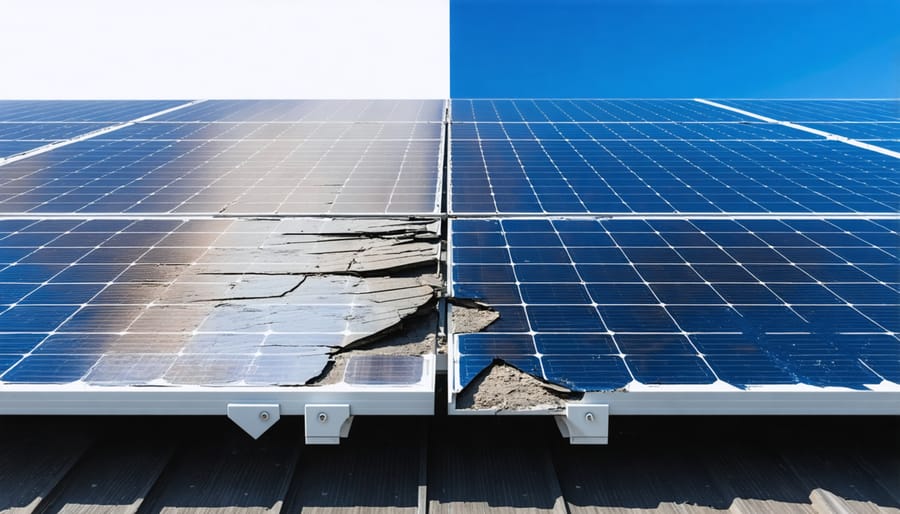
Temperature fluctuations pose a significant challenge for solar panel performance and longevity. As solar panels experience daily thermal cycling, the repeated expansion and contraction of materials can lead to mechanical stress, potentially causing microscopic cracks in solar cells and degradation of electrical connections. These thermal stresses particularly affect the metal contacts and solder joints within the panels, which can deteriorate over time.
During extreme temperature variations, solar panels may experience reduced efficiency, with performance typically declining as temperatures rise above standard testing conditions (25°C). While various panel efficiency optimization techniques exist to mitigate these effects, the fundamental challenge of thermal cycling remains.
The impact is particularly pronounced in regions with substantial temperature swings between day and night or seasonal extremes. Materials used in panel construction, such as the aluminum frame and glass covering, may expand and contract at different rates, potentially compromising the panel’s structural integrity and weather-sealing properties. This thermal stress can accelerate degradation rates and potentially reduce the expected operational lifespan of solar installations, necessitating more frequent maintenance or earlier replacement.
Moisture and Humidity Effects
Moisture and humidity pose significant challenges to solar panel systems, potentially compromising their efficiency and longevity. Water ingress can occur through microscopic cracks in the panel encapsulation or through poorly sealed junction boxes, leading to internal corrosion of electrical components. High humidity levels accelerate the degradation of solar cell connections and can cause delamination of the protective layers, exposing sensitive components to environmental damage.
In coastal regions or areas with high precipitation, these issues become particularly pronounced. The combination of salt air and moisture creates an especially corrosive environment that can deteriorate both the panel framework and electrical connections. Even in moderate climates, daily temperature fluctuations can cause condensation to form inside panels, potentially leading to electrical shorts and reduced power output.
To mitigate these risks, manufacturers must implement robust waterproofing measures and regular maintenance inspections are essential. However, these protective measures often increase installation and maintenance costs. System owners should consider their local climate conditions and implement appropriate preventive strategies to protect their investment against moisture-related degradation.
Installation Space Requirements
One significant challenge in photovoltaic system installation is the substantial space requirement for solar panel arrays. A typical residential installation demands approximately 100 square feet of roof area for every 1kW of solar capacity. For a standard 6kW system, this translates to roughly 600 square feet of unobstructed space, which may not be available in many urban settings or properties with complex roof architectures.
The spatial requirements extend beyond mere surface area. Solar panels must be positioned to maximize sun exposure, which often necessitates specific orientation and tilt angles. This optimization can be particularly challenging in locations with existing structural elements such as chimneys, vents, or satellite dishes. Additionally, proper spacing between panels is essential for maintenance access and thermal management, further increasing the total area needed.
Ground-mounted systems, while offering an alternative to roof installations, present their own spatial challenges. These installations require dedicated land area that could otherwise be used for other purposes. The space requirements also impact commercial and industrial applications, where large-scale solar implementations may compete with valuable real estate or operational areas.
Furthermore, structural considerations must account for both current and future shading from nearby buildings, trees, or other obstacles. The installation area must remain unobstructed throughout the system’s operational lifetime, which may limit property development options or require ongoing vegetation management. These spatial constraints can significantly influence system design, energy production capacity, and overall project feasibility.
High Initial Investment
The substantial upfront investment required for solar energy systems represents a significant barrier to widespread adoption. A typical residential solar installation can range from $15,000 to $25,000 before incentives, with commercial systems commanding considerably higher investments. This initial cost encompasses not only the photovoltaic panels but also inverters, mounting equipment, wiring, and professional installation services.
While various financing options, tax incentives, and rebates can help offset these costs, the capital requirements remain substantial. The return on investment (ROI) period typically spans 5-10 years, depending on factors such as local electricity rates, solar irradiance levels, and available financial incentives. This extended payback period can deter potential adopters, particularly those with limited financial resources or uncertain long-term occupancy plans.
Component quality significantly impacts system costs, creating a challenging balance between immediate affordability and long-term reliability. Premium panels and inverters command higher prices but generally offer superior efficiency and durability. Additionally, installation costs vary by region and property characteristics, with factors such as roof condition, structural modifications, and local labor rates influencing the total investment.
Future maintenance and potential replacement costs must also be considered in the initial financial planning. While solar systems generally require minimal maintenance, inverter replacement may be necessary after 10-15 years, adding to the lifetime cost of ownership. For commercial installations, the complexity of larger systems and specialized maintenance requirements can further increase the total investment needed for successful implementation.
Energy Storage Limitations
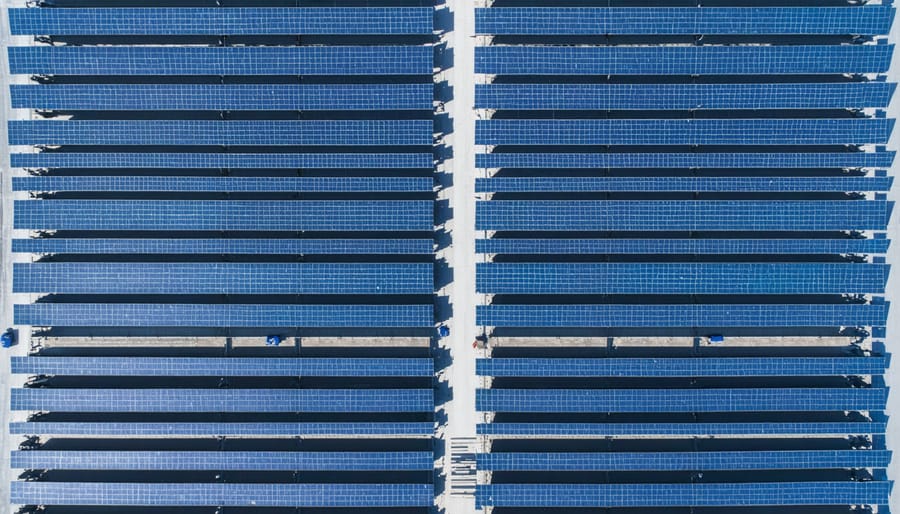
One of the most significant challenges facing solar energy systems is the limitation of energy storage capabilities. While solar panels can generate substantial power during daylight hours, the current battery technology struggles to efficiently store this energy for nighttime or cloudy day usage. Despite advances in lithium-ion battery technology, the cost of large-scale storage systems remains prohibitively expensive for many installations.
The intermittent nature of solar power generation necessitates robust storage solutions, yet even with optimal panel layout strategies, most systems still rely heavily on grid connectivity as a backup. This dependency creates vulnerability during grid outages and limits the potential for complete energy independence.
Storage systems also face practical constraints, including limited lifecycle, temperature sensitivity, and space requirements. Current battery technologies typically last 5-15 years, requiring periodic replacement and adding to the long-term operational costs. Additionally, the environmental impact of battery production and disposal presents another challenge to the sustainability goals of solar energy adoption.
The storage capacity needed for commercial and industrial applications often exceeds what’s practically achievable with current technology, forcing many operations to maintain conventional power connections. This limitation particularly affects regions with extended periods of limited sunlight or seasonal variations in solar intensity, where storage requirements are substantially higher.
For grid-tied systems, the lack of adequate storage can result in reduced efficiency during peak generation periods, as excess energy must be fed back into the grid rather than stored for later use. This scenario underscores the ongoing need for technological advancement in energy storage solutions to fully realize the potential of solar power systems.
Maintenance Requirements
Solar energy systems require consistent maintenance to ensure optimal performance and longevity, presenting a significant operational challenge for system owners. Regular cleaning is essential to remove dust, debris, and bird droppings that can reduce panel efficiency by up to 25%. In regions with heavy snowfall or falling leaves, this maintenance burden intensifies, requiring more frequent cleaning interventions.
Professional inspections are typically recommended bi-annually to assess system components, verify electrical connections, and identify potential issues before they escalate. These inspections must follow strict maintenance safety protocols and often require specialized expertise, adding to the overall operational costs.
Inverter replacement represents a substantial maintenance consideration, as these crucial components typically need replacement every 10-15 years, costing between $1,000 and $2,500 per unit. Additionally, monitoring systems require regular calibration and occasional updates to maintain accurate performance tracking.
The maintenance requirements extend beyond the panels themselves. Supporting structures need periodic inspection for corrosion and stability, while wiring systems must be checked for degradation and potential rodent damage. Weather events can necessitate unexpected maintenance, with storms potentially causing physical damage requiring immediate attention.
For large-scale installations, maintenance logistics become more complex, often requiring specialized equipment and trained personnel. This complexity increases operational expenses and may result in system downtime during maintenance procedures. Furthermore, replacement parts must be readily available to minimize disruption, necessitating inventory management and associated costs.
Environmental Impact Concerns
While solar energy is celebrated as a clean energy source, its environmental impact throughout the manufacturing and disposal lifecycle presents significant concerns. The production of photovoltaic panels requires substantial energy input and involves toxic chemicals, including silicon tetrachloride, hydrofluoric acid, and heavy metals like lead and cadmium. These manufacturing processes contribute to carbon emissions and potential environmental hazards if not properly managed.
The extraction of raw materials, particularly silicon and rare earth elements, can lead to habitat disruption and soil degradation in mining areas. Additionally, the transportation of materials and finished panels across global supply chains adds to the carbon footprint of solar technology before installation.
End-of-life disposal poses another environmental challenge. With an average lifespan of 25-30 years, many solar panels will require disposal in the coming decades. Current recycling infrastructure is limited, and the complex composition of panels makes recycling technically challenging and economically demanding. Improper disposal can result in toxic materials leaching into soil and groundwater.
Furthermore, large-scale solar installations require significant land use, potentially leading to habitat loss and ecosystem disruption. Desert installations, while utilizing otherwise unused land, can impact local wildlife and alter natural drainage patterns. These environmental considerations highlight the importance of developing more sustainable manufacturing processes and implementing effective recycling programs to minimize the ecological footprint of solar energy technology.
Performance Variability
Solar energy systems face significant performance fluctuations due to various environmental factors, making their output less predictable than conventional power sources. Weather conditions play a crucial role, with cloud cover potentially reducing energy production by 40-90% compared to clear-sky conditions. Seasonal variations also impact system efficiency, particularly in regions with distinct weather patterns or limited sunlight during winter months.
Temperature changes directly affect photovoltaic cell performance, with high temperatures typically decreasing efficiency by 0.3-0.5% per degree Celsius above standard testing conditions (25°C). This thermal effect can result in substantial energy losses during hot summer days when solar panels are expected to perform optimally.
Additionally, environmental pollutants, dust accumulation, and atmospheric particles can reduce panel efficiency by 10-35% if not regularly maintained. Geographic location also influences performance variability, with installations at higher latitudes experiencing more significant seasonal fluctuations in solar radiation exposure. This variability necessitates careful system sizing and often requires backup power solutions or grid connection to ensure reliable energy supply throughout the year.
While solar energy presents significant challenges, understanding these limitations is crucial for developing effective solutions and realistic implementation strategies. The primary obstacles of high initial costs, weather dependency, energy storage complications, space requirements, intermittent nature, environmental concerns, and maintenance needs can be addressed through technological advancement and proper planning.
Research institutions and industry leaders continue to make substantial progress in improving solar panel efficiency, reducing production costs, and developing more effective energy storage solutions. The evolution of smart grid technologies and hybrid energy systems helps mitigate intermittency issues, while innovative installation designs maximize space utilization in both urban and rural settings.
As the solar industry matures, many of these disadvantages are becoming less significant. Manufacturing processes are becoming more environmentally friendly, installation costs are decreasing, and storage technologies are becoming more efficient and affordable. While challenges remain, the continuous improvement in solar technology, combined with supportive policies and increasing environmental awareness, suggests a promising future for solar energy despite its current limitations.
We must approach these challenges as opportunities for innovation rather than insurmountable barriers, working collectively toward more sustainable energy solutions.