As photovoltaic systems continue revolutionizing the renewable energy landscape, understanding their limitations becomes crucial for informed decision-making. While solar power offers numerous environmental benefits, significant technical and operational challenges persist that demand careful consideration. From substantial initial capital requirements and weather-dependent performance to complex maintenance protocols and disposal concerns, photovoltaic installations present multifaceted disadvantages that impact their overall viability.
The limitations of photovoltaic technology extend beyond mere technical constraints. Current solar panel efficiency ratings typically range between 15-20%, highlighting considerable room for improvement in energy conversion capabilities. Additionally, the intermittent nature of solar power generation necessitates sophisticated energy storage solutions, adding layers of complexity and cost to photovoltaic implementations.
This comprehensive analysis examines critical drawbacks inherent to photovoltaic systems, focusing on maintenance requirements, reliability concerns, and long-term operational challenges. Understanding these limitations proves essential for industry professionals, researchers, and stakeholders involved in solar energy projects, enabling more effective planning and risk mitigation strategies. Whether considering large-scale solar installations or residential applications, acknowledging these disadvantages ensures more realistic expectations and better-informed investment decisions.
Performance Degradation Over Time
Annual Efficiency Losses
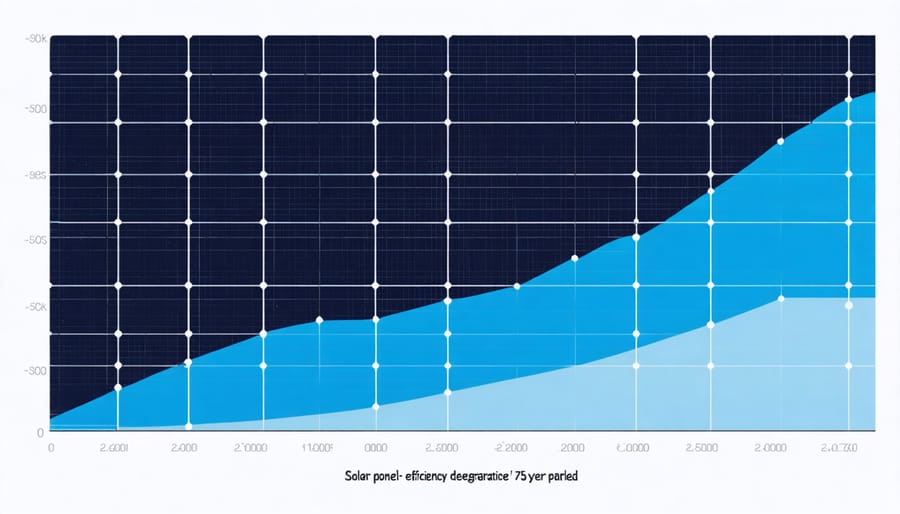
Photovoltaic systems experience gradual performance degradation over time, significantly impacting long-term system performance. Industry research indicates that crystalline silicon solar panels typically degrade at a rate of 0.5% to 1% annually, though this can vary based on environmental conditions and manufacturing quality. This means that a solar installation rated at 100% efficiency at installation might operate at only 85-90% of its original capacity after 20 years.
Several factors contribute to these efficiency losses, including thermal cycling, UV exposure, and microcracks in solar cells. Premium panels often feature enhanced degradation resistance, but even these high-quality modules cannot completely avoid performance decline. The cumulative effect of annual degradation directly impacts energy yield and financial returns, requiring system owners to factor these losses into their long-term planning and ROI calculations.
Understanding these degradation rates is crucial for accurate system sizing, as initial installations must account for future capacity reduction to maintain desired power output levels throughout the system’s operational lifetime.
Environmental Wear and Tear
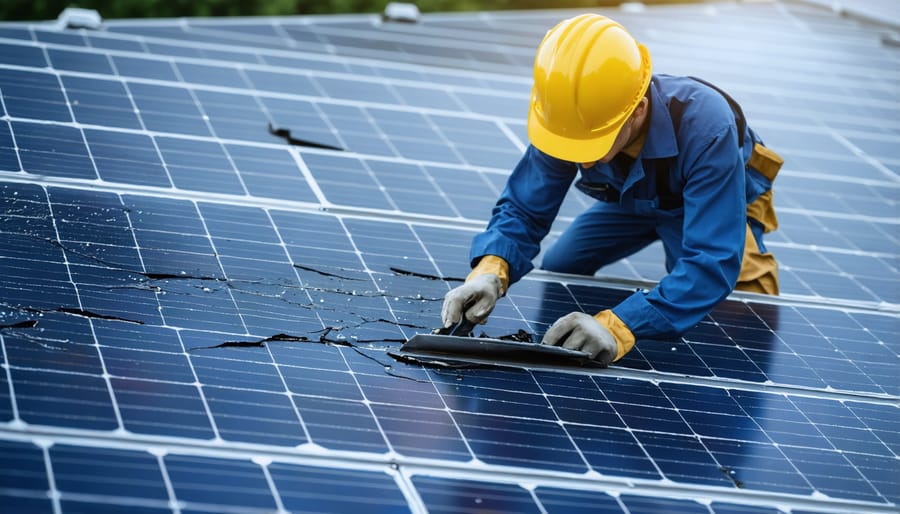
Photovoltaic systems face significant environmental stressors that can degrade their performance and longevity. Daily temperature cycling causes thermal expansion and contraction of solar panel components, leading to mechanical stress on cell connections and module frames. In extreme climates, these temperature fluctuations can accelerate material fatigue and potentially cause microcracks in solar cells.
Constant exposure to UV radiation gradually degrades the protective encapsulant materials and backsheets of solar panels. This degradation can result in yellowing, delamination, and reduced light transmission to the solar cells, ultimately decreasing energy conversion efficiency. Additionally, harsh weather conditions such as hail, heavy snow loads, and strong winds can cause physical damage to panel surfaces and mounting structures.
Coastal installations face particular challenges from salt spray corrosion, while desert environments subject panels to abrasive sand particles and extreme heat stress. Humidity and moisture ingress can lead to electrical connection deterioration and potential internal short circuits. These environmental factors necessitate regular maintenance and may require premature component replacement, impacting the overall system costs and performance reliability over time.
Maintenance Cost Considerations
Regular Inspection Requirements
Photovoltaic systems require regular professional inspections to maintain optimal performance and safety standards, which can be both time-consuming and costly. These inspections typically need to be conducted every 6-12 months, depending on the system size, location, and environmental conditions. During these assessments, qualified technicians must evaluate multiple components, including panel surfaces, electrical connections, mounting structures, and inverter functionality.
Following essential maintenance practices, inspectors check for physical damage, loose connections, corrosion, and potential hot spots using specialized equipment like thermal imaging cameras. They also verify the integrity of weather sealing, assess wiring conditions, and test ground fault protection devices. Documentation of these inspections must be maintained for warranty purposes and regulatory compliance.
The complexity of these inspections often requires specialized expertise, as technicians need to be certified and familiar with current safety protocols and industry standards. This expertise comes at a premium, with inspection costs varying based on system size and accessibility. Additionally, some components may require more frequent monitoring, particularly in areas prone to severe weather conditions or high pollution levels, further increasing the maintenance burden and associated costs.
For large-scale installations, these inspections can be particularly demanding, requiring multiple days and specialized access equipment, which can impact operational continuity and energy production schedules.
Component Replacement Cycles
The maintenance and replacement of photovoltaic system components represents a significant long-term consideration in solar installations. Inverters, which convert DC power to AC power, typically require replacement every 10-15 years, with costs ranging from $1,000 to $3,500 for residential systems and potentially much higher for commercial installations.
Solar panels themselves have a longer lifespan but still require periodic replacement. While manufacturers often provide 25-30 year warranties, panel efficiency typically degrades by 0.5-1% annually, necessitating replacement after 20-30 years to maintain optimal system performance. The replacement costs for panels can range from $15,000 to $30,000 for a typical residential installation.
Other critical components also require regular attention. Charge controllers need replacement every 10-15 years, costing between $500 and $1,500. Battery storage systems, if present, typically last 5-15 years depending on the technology used, with replacement costs ranging from $5,000 to $15,000 for a standard residential system.
Monitoring equipment and wiring connections may need replacement or upgrade every 5-10 years, though these costs are generally lower, typically under $1,000. These replacement cycles create recurring expenses that must be factored into the total cost of ownership when evaluating photovoltaic system investments.
Technical Limitations and Vulnerabilities
Weather-Related Vulnerabilities
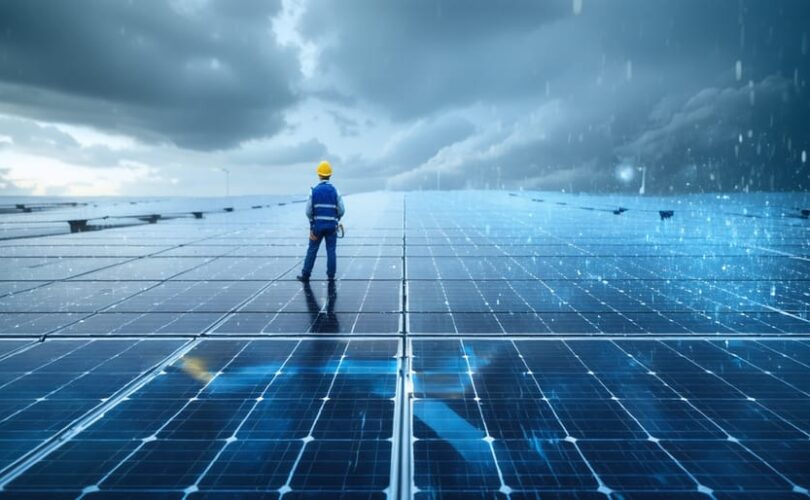
Weather conditions pose significant challenges to photovoltaic system performance and longevity. Severe weather events can directly impact system reliability and energy generation efficiency, making weather-related vulnerabilities a crucial consideration for system designers and operators.
Heavy snow accumulation can completely block sunlight from reaching solar panels, effectively reducing power output to zero until the snow melts or is removed. The additional weight of snow loads also creates structural stress on mounting systems and panels, potentially leading to physical damage if installations are not properly engineered for local weather conditions.
High winds present another significant concern, particularly for large-scale installations. Strong gusts can create uplift forces that stress mounting hardware and, in extreme cases, may cause panels to detach from their supports. This risk is especially pronounced for tracking systems, which must be designed with wind-protection features and stow positions to prevent damage during storms.
Hail represents a severe threat to photovoltaic panels, capable of causing immediate physical damage to the glass surface and solar cells underneath. While modern panels undergo rigorous hail impact testing, extreme weather events can still exceed design parameters, resulting in cracked panels and reduced system efficiency.
Temperature extremes also affect system performance. While cold temperatures generally improve solar cell efficiency, rapid temperature fluctuations can cause thermal stress and material fatigue. Conversely, excessive heat reduces panel efficiency and accelerates degradation of system components, particularly in desert environments where surface temperatures can exceed design specifications.
Lightning strikes pose additional risks, potentially causing catastrophic damage to both panels and associated electrical systems. Proper lightning protection systems are essential but add to overall system costs and complexity.
Monitoring System Complexities
Monitoring photovoltaic systems presents significant challenges that can impact overall system efficiency and maintenance effectiveness. While real-time performance monitoring has become increasingly sophisticated, the complexity of these systems introduces several operational hurdles.
Large-scale solar installations often require multiple monitoring points and sensors, creating vast data streams that demand robust management systems and specialized expertise to interpret effectively. The integration of various monitoring components, including string monitors, inverter data loggers, and weather stations, can lead to compatibility issues and communication failures between different hardware and software platforms.
Data accuracy and reliability present another significant challenge. Environmental factors such as dust accumulation on sensors, electromagnetic interference, and communication disruptions can result in incomplete or inaccurate performance data. This compromises the system’s ability to detect and respond to performance issues promptly.
The cost implications of implementing comprehensive monitoring systems are substantial. Beyond the initial investment in monitoring equipment and software, organizations must allocate resources for regular calibration, maintenance, and potential upgrades of monitoring infrastructure. Additionally, training personnel to effectively utilize these systems and interpret monitoring data requires ongoing investment in workforce development.
System scalability poses another concern, as monitoring requirements grow exponentially with system size. As photovoltaic installations expand, maintaining consistent monitoring quality across all system components becomes increasingly challenging, potentially leading to oversight of critical performance issues in certain sections of the installation.
Maintenance Skill Requirements
Technical Expertise Needed
Maintaining photovoltaic systems requires specialized knowledge and skills, making it essential to employ qualified personnel. Maintenance technicians must possess certification from recognized institutions and demonstrate proficiency in electrical systems, particularly DC power systems and inverter technologies. A strong foundation in electronics, mathematics, and physics is crucial for understanding system performance and troubleshooting complex issues.
Professional certifications such as the North American Board of Certified Energy Practitioners (NABCEP) certification are often required. Technicians should also have extensive knowledge of safety protocols, as working with high-voltage systems presents significant risks. Understanding of current National Electrical Code (NEC) requirements and local regulations is mandatory.
Advanced diagnostic skills are necessary for identifying and resolving performance issues. Technicians must be proficient in using specialized testing equipment, including multimeters, irradiance meters, and thermal imaging cameras. Knowledge of monitoring systems and data analysis software is essential for performance evaluation and preventive maintenance.
Physical capabilities are also important, as technicians often work at heights and in challenging weather conditions. They must be comfortable with roof access and safety equipment. Additionally, staying current with evolving technology through continuous education and training is crucial, as photovoltaic technology regularly advances and improves.
The shortage of qualified maintenance personnel can lead to increased system downtime and higher operational costs, making this technical expertise requirement a significant disadvantage of photovoltaic systems.
Safety Considerations
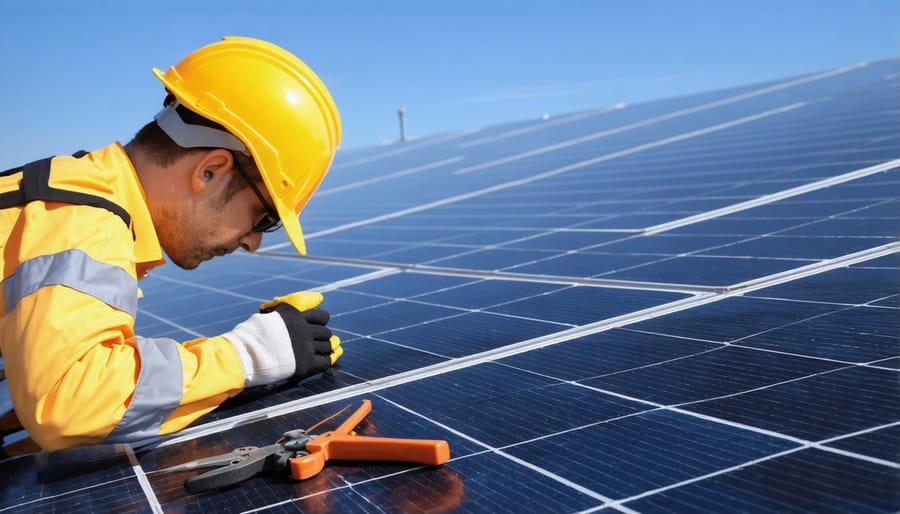
Maintaining photovoltaic systems presents several safety challenges that require careful consideration and proper risk management protocols. Working with high-voltage electrical systems at elevated heights demands strict adherence to safety protocols and structural integrity guidelines to protect maintenance personnel and equipment.
Key safety concerns include electrical shock hazards during panel maintenance, fall risks during rooftop installations, and potential arc flash incidents when troubleshooting inverter systems. Maintenance teams must be properly trained and certified in both electrical safety and fall protection procedures. Personal protective equipment (PPE), including insulated gloves, safety harnesses, and appropriate footwear, is mandatory for all maintenance operations.
Weather conditions pose additional risks, as wet or icy surfaces can create dangerous working environments. Maintenance activities must be scheduled during appropriate weather windows to minimize these risks. The presence of high DC voltages, even in low-light conditions, requires implementation of proper lockout/tagout procedures before any maintenance work begins.
Emergency response protocols must be established and regularly updated to address potential incidents such as electrical fires or worker injuries. Regular safety audits and equipment inspections are essential to identify potential hazards before they lead to accidents. Documentation of all safety procedures and incident reports helps maintain compliance with regulatory requirements while continuously improving safety measures.
The maintenance challenges associated with photovoltaic systems require careful consideration and proactive management strategies. Regular inspection and cleaning remain essential for optimal performance, while the replacement of degraded components and monitoring of electrical connections demand consistent attention from qualified professionals. These maintenance requirements contribute significantly to the overall operational costs and must be factored into long-term planning.
To address these challenges effectively, facility managers and system owners should implement comprehensive maintenance schedules that include quarterly inspections, annual performance assessments, and systematic documentation of all maintenance activities. Establishing partnerships with certified maintenance providers can ensure proper expertise and timely interventions when issues arise.
Looking ahead, several recommendations can help mitigate maintenance-related disadvantages. First, investing in robust monitoring systems enables early detection of performance issues and can reduce long-term maintenance costs. Second, selecting high-quality components from reputable manufacturers, though initially more expensive, often results in fewer maintenance requirements and extended system longevity. Third, maintaining detailed maintenance records and analyzing performance data helps optimize maintenance schedules and predict potential issues before they become critical.
For organizations considering photovoltaic installations, developing a detailed maintenance strategy during the planning phase is crucial. This should include budget allocations for regular maintenance, staff training programs, and contingency plans for unexpected repairs. By understanding and preparing for these maintenance challenges, stakeholders can better manage the disadvantages while maximizing the benefits of photovoltaic technology.