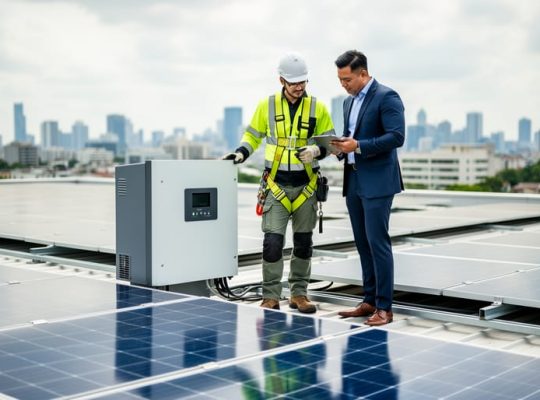
Blockchain platforms represent a revolutionary leap in distributed computing technology, fundamentally transforming how we manage, verify, and secure digital transactions across industries, including renewable energy. At its core, a blockchain platform provides a decentralized digital ledger system that enables secure, transparent, and immutable record-keeping without requiring intermediaries. For solar PV professionals and energy stakeholders, these platforms offer unprecedented opportunities to streamline energy trading, automate grid management, and facilitate peer-to-peer renewable energy transactions.
By combining advanced cryptography, consensus mechanisms, and distributed network architecture, blockchain platforms create trust in trustless environments—a crucial capability for modernizing energy markets. Whether implementing smart contracts for automated energy trading or establishing transparent carbon credit systems, blockchain platforms serve as the technological foundation for next-generation energy management solutions. As the renewable energy sector continues its rapid evolution, understanding blockchain platforms becomes essential for professionals seeking to leverage this technology’s potential in advancing sustainable energy systems and grid optimization.
This foundation of distributed trust and automation capabilities positions blockchain platforms as a pivotal technology for advancing the integration of renewable energy sources into existing power infrastructure.
Understanding Blockchain Platforms in Energy Trading
Core Components of Blockchain Energy Platforms
A blockchain energy platform comprises several essential components that work together to facilitate secure and efficient energy trading. At its foundation lies the distributed ledger technology, which maintains an immutable record of all energy transactions across the network. This decentralized database ensures transparency and eliminates the need for intermediaries in energy trading operations.
Smart contracts form another crucial component, automating the execution of energy trading agreements when predetermined conditions are met. These self-executing contracts handle various aspects of energy transactions, including pricing, delivery schedules, and payment settlement, reducing administrative overhead and potential disputes.
The platform’s consensus mechanism ensures all participating nodes agree on the validity of transactions and maintain network security. Common protocols like Proof of Work or Proof of Stake validate energy trades and maintain network integrity, though many energy-focused platforms opt for more energy-efficient consensus mechanisms.
Network nodes, consisting of computers operated by participants, form the backbone of the platform. These nodes validate transactions, store copies of the ledger, and contribute to the network’s overall security and reliability. Additionally, the integration layer enables communication between physical energy infrastructure and the blockchain platform, incorporating real-time data from smart meters and grid sensors.
User interfaces and APIs complete the ecosystem, providing accessible means for stakeholders to interact with the platform, monitor energy flows, and execute trades efficiently while maintaining security protocols.
Smart Contracts and Energy Transactions
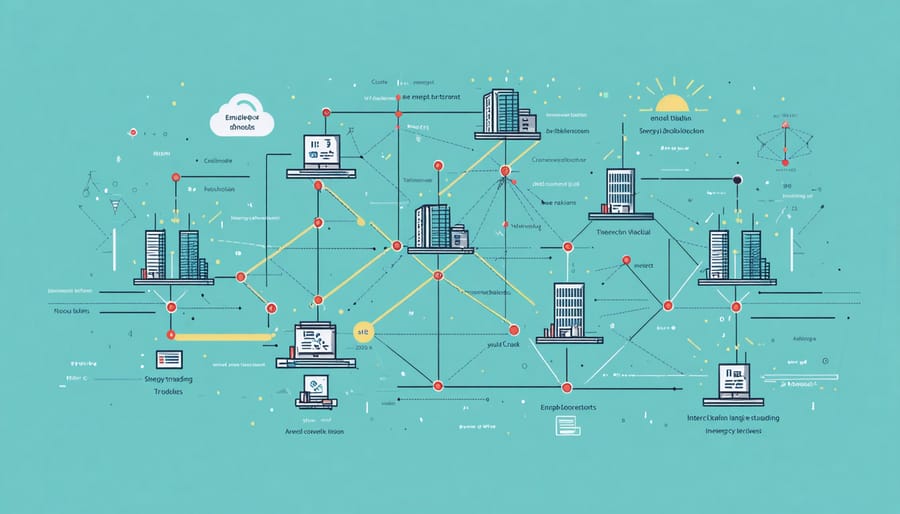
Smart contracts are revolutionizing energy transactions on blockchain platforms by enabling automated, secure, and transparent trading mechanisms. These self-executing contracts operate on predefined rules and conditions, facilitating peer-to-peer energy exchange without intermediaries. When integrated with solar PV systems, smart contracts automatically manage energy distribution, payments, and grid balancing.
The technology works by creating programmable agreements that execute automatically when specific conditions are met. For example, when a solar prosumer generates excess electricity, smart contracts can initiate immediate sales to nearby consumers at predetermined rates. This automation not only reduces transaction costs but also ensures instant settlement, making renewable energy trading more efficient and accessible.
These contracts also enable innovative smart solar financing solutions by creating transparent tracking systems for energy production and consumption. The immutable nature of blockchain ensures that all energy transactions are recorded securely, providing reliable data for billing, regulatory compliance, and performance monitoring.
For grid operators and utilities, smart contracts offer enhanced control over energy distribution networks. They can automatically adjust energy flows based on real-time demand, implement dynamic pricing mechanisms, and manage grid stability more effectively. This technological integration is particularly valuable for microgrid systems, where smart contracts can orchestrate local energy markets while maintaining system reliability and security.
Technical Architecture of Energy Trading Platforms

Distributed Ledger Technology in Energy Markets
Distributed Ledger Technology (DLT) is revolutionizing energy markets by enabling secure, transparent, and efficient peer-to-peer energy trading. This technology creates a decentralized system where energy producers and consumers can directly engage in transactions without intermediaries, reducing costs and increasing market efficiency.
In the context of renewable energy, DLT facilitates the integration of hybrid solar PV systems and other distributed energy resources into the grid. The technology maintains an immutable record of energy generation, consumption, and trading activities, ensuring transparency and trust among participants.
Smart contracts, a key feature of DLT, automate energy trading processes by executing pre-programmed agreements when specific conditions are met. For instance, excess solar energy can be automatically sold to neighboring consumers when production exceeds consumption, with transactions recorded instantly and securely on the distributed ledger.
DLT also enables real-time settlement of energy trades, eliminating the need for complex billing cycles and reducing administrative overhead. The technology’s inherent security features, including cryptographic validation and consensus mechanisms, protect against fraud and unauthorized modifications of trading records.
Furthermore, DLT supports the implementation of dynamic pricing models based on real-time supply and demand data. This capability encourages optimal energy consumption patterns and promotes grid stability. The technology also facilitates the creation of energy certificates and carbon credits, enabling transparent tracking of renewable energy production and environmental benefits.
Consensus Mechanisms for Energy Trading
Consensus mechanisms play a crucial role in energy trading platforms by ensuring transaction validity and maintaining network security. In the context of energy trading, these protocols must balance efficiency with reliability while considering the unique requirements of the energy sector.
Proof of Work (PoW), while secure, has limited application in energy trading due to its high computational demands and energy consumption. Instead, alternative consensus mechanisms have emerged that better serve the energy sector’s needs. Proof of Stake (PoS) has gained prominence, allowing participants to validate transactions based on their stake in the network, typically measured by their energy trading volume or financial commitment.
Practical Byzantine Fault Tolerance (PBFT) has proven particularly effective for energy trading platforms, offering quick transaction finality and high throughput without excessive energy consumption. This mechanism enables rapid settlement of energy trades, crucial for real-time grid balancing and peer-to-peer energy markets.
Some platforms implement hybrid consensus mechanisms, combining multiple protocols to optimize performance. For example, Delegated Proof of Stake (DPoS) allows energy traders to vote for network validators, creating a more democratic and efficient system while maintaining security.
Energy-specific consensus innovations include Proof of Energy (PoE), where validation rights are awarded based on verified energy production or consumption data. This approach aligns particularly well with renewable energy trading, as it incentivizes sustainable energy generation while ensuring network integrity.
The selection of a consensus mechanism significantly impacts platform scalability, transaction speed, and energy efficiency. For successful implementation in energy trading, these mechanisms must accommodate variable energy production patterns, support rapid transaction processing, and maintain reliability during peak trading periods.
Integration with Solar PV Systems
Data Management and Monitoring
Blockchain platforms employ sophisticated data management systems to track and verify solar energy production and consumption in real-time. These systems utilize distributed ledger technology to create immutable records of energy transactions, ensuring transparency and accuracy throughout the network.
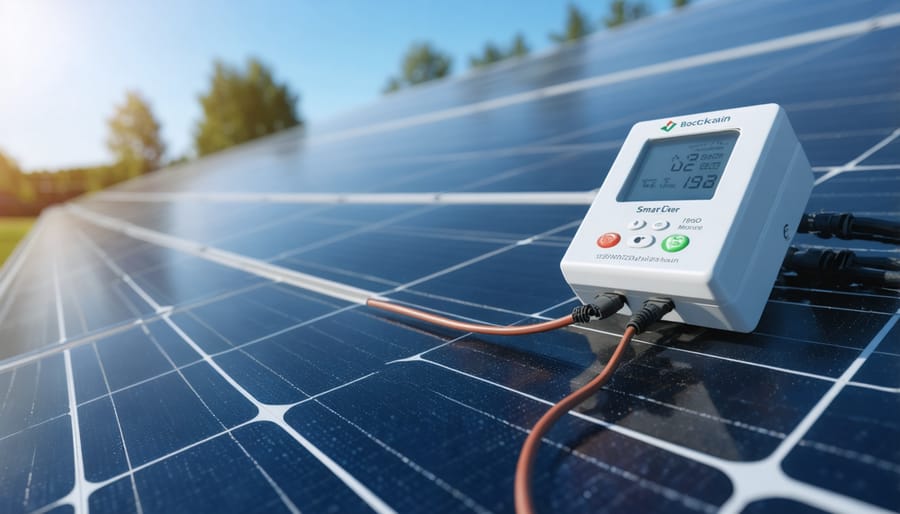
The platform continuously monitors energy production from solar installations through smart meters and IoT devices, which transmit data to the blockchain network. This data includes key metrics such as power output, time of generation, and system performance parameters. Each data point is encrypted and stored as a transaction block, creating a permanent and verifiable record.
On the consumption side, the platform tracks energy usage patterns, peak demand periods, and grid interactions. Smart contracts automatically process this information, facilitating seamless energy trading between producers and consumers while maintaining detailed transaction histories.
The decentralized nature of blockchain ensures that all participating nodes have access to the same data, eliminating discrepancies and reducing the risk of manipulation. Advanced analytics tools integrated into the platform provide valuable insights into energy production trends, consumption behaviors, and system efficiency.
Data validation occurs through consensus mechanisms, where multiple nodes verify each transaction before it’s added to the blockchain. This process ensures data integrity and creates a trustworthy foundation for energy trading decisions, regulatory compliance, and system optimization.
Real-time Energy Trading Capabilities
Blockchain platforms have revolutionized energy trading by enabling real-time transactions between solar energy producers and consumers. This technology facilitates peer-to-peer energy exchange, allowing prosumers to sell excess electricity directly to neighbors or the grid. The implementation leverages smart contracts to automate trading processes, ensuring transparent and efficient transactions while considering various factors like solar PV economics and grid demand.
These platforms utilize distributed ledger technology to record and verify energy transactions instantaneously. Each transaction is cryptographically secured and immutable, providing a reliable audit trail for regulatory compliance and financial reconciliation. The system automatically matches supply with demand, optimizing energy distribution and pricing in real-time.
Key features include automated meter reading integration, dynamic pricing mechanisms, and settlement protocols that facilitate immediate payment processing. The platform’s architecture supports scalable operations, accommodating both small residential producers and large commercial installations. Advanced algorithms continuously monitor grid conditions, energy availability, and market prices to optimize trading decisions.
Energy producers can set preferences for trading parameters, including minimum pricing thresholds and preferred trading hours. The platform’s interface provides real-time analytics and reporting tools, enabling producers to monitor performance metrics and adjust their trading strategies accordingly. This technological infrastructure creates a more efficient, democratized energy market while reducing transaction costs and administrative overhead.
Future Implications and Development
The future of blockchain platforms in energy trading is poised for significant evolution, closely intertwining with the latest trends in solar PV and renewable energy systems. Advanced smart contracts and automated trading mechanisms are expected to revolutionize peer-to-peer energy transactions, making them more efficient and accessible to prosumers.
Artificial Intelligence integration is emerging as a crucial development, enabling predictive analytics for energy demand and supply optimization. These AI-powered systems will enhance grid stability and automate decision-making processes in energy trading, reducing transaction costs and improving market efficiency.
Interoperability between different blockchain platforms is becoming increasingly important, with initiatives focused on creating standardized protocols for cross-platform communication. This standardization will facilitate seamless energy trading across various geographic regions and regulatory frameworks, promoting broader adoption of decentralized energy markets.
The implementation of Layer 2 scaling solutions is expected to address current limitations in transaction speed and cost. These innovations will enable blockchain platforms to handle higher transaction volumes while maintaining security and decentralization, essential for large-scale energy trading operations.
Integration with Internet of Things (IoT) devices and smart meters will enhance real-time monitoring and automated trading capabilities. Advanced sensors and monitoring systems will provide precise data for energy generation, consumption, and storage, enabling more accurate pricing and trading decisions.
Regulatory frameworks are evolving to accommodate blockchain-based energy trading, with many jurisdictions developing specific guidelines for peer-to-peer energy markets. This regulatory clarity will encourage institutional investment and accelerate the adoption of blockchain platforms in the energy sector.
Sustainable consensus mechanisms are being developed to reduce the environmental impact of blockchain operations, aligning with the renewable energy sector’s goals. These improvements will make blockchain platforms more energy-efficient and environmentally friendly, supporting the broader objectives of clean energy transition.
Blockchain platforms represent a transformative technology that extends far beyond cryptocurrency applications, particularly in the renewable energy sector. Through their decentralized, transparent, and immutable nature, these platforms enable secure peer-to-peer energy trading, automated smart contracts, and efficient grid management systems. The integration of blockchain technology with photovoltaic systems has created new opportunities for prosumers to actively participate in energy markets while ensuring fair compensation for excess generation.
The key advantages of blockchain platforms – including enhanced security, reduced transaction costs, and improved traceability – make them particularly valuable for managing complex energy networks. By facilitating transparent energy trading and enabling automated settlements, blockchain technology helps optimize renewable energy distribution and consumption patterns. This technology also supports the development of innovative business models and community-based energy initiatives.
Looking ahead, blockchain platforms will continue to evolve, offering increasingly sophisticated solutions for energy management and trading. The technology’s potential to revolutionize grid operations, support renewable energy integration, and empower consumers makes it an essential component of future energy systems. As the renewable energy sector grows, blockchain platforms will play a crucial role in creating more efficient, sustainable, and democratized energy markets, particularly benefiting photovoltaic system owners and operators who seek to maximize their energy investments.