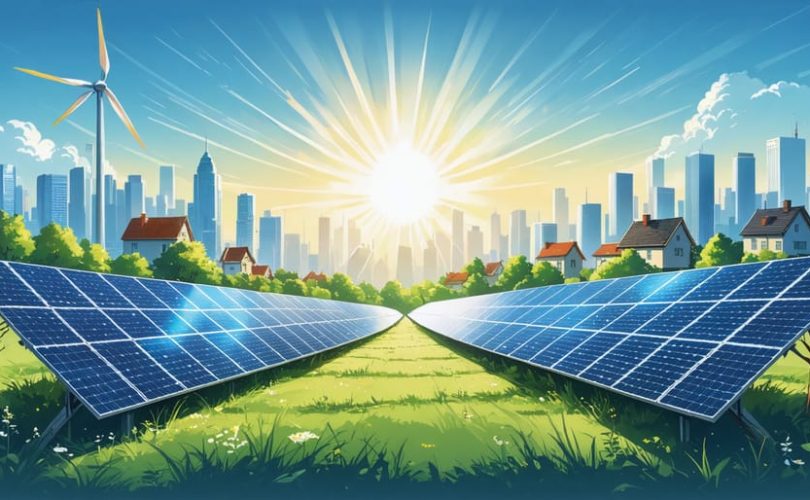
The solar panel industry is a dynamic, multifaceted sector at the forefront of the global transition to clean energy. With its roots in the groundbreaking science of photovoltaics, solar technology harnesses the power of the sun to generate electricity, revolutionizing how we power our homes, businesses, and communities. From manufacturing and installation to research and development, the solar panel industry encompasses a diverse ecosystem of companies, researchers, and professionals working together to advance this transformative technology. As the world grapples with the urgent need to combat climate change and reduce reliance on fossil fuels, solar panels offer a beacon of hope—a clean, renewable, and increasingly affordable solution that not only reduces greenhouse gas emissions but also creates new opportunities for economic growth and job creation. In this article, we will delve into the heart of the solar panel industry, exploring its key components, innovative applications, and the bright future that lies ahead as we embrace the power of the sun.
Solar Panels: The Cornerstone of Renewable Energy

Photovoltaic Technology Explained
Photovoltaic (PV) technology harnesses the power of sunlight to generate electricity. At the heart of this process are solar cells, which are made from semiconductor materials like silicon. When sunlight strikes these cells, it energizes the electrons within the material, causing them to flow and create an electric current.

In a typical solar cell, there are two layers of silicon: one positively charged (p-type) and one negatively charged (n-type). The interface between these layers creates an electric field. As photons from sunlight hit the cell, they transfer their energy to electrons in the silicon atoms. These energized electrons break free from their atoms and are swept away by the electric field, generating a flow of electricity.
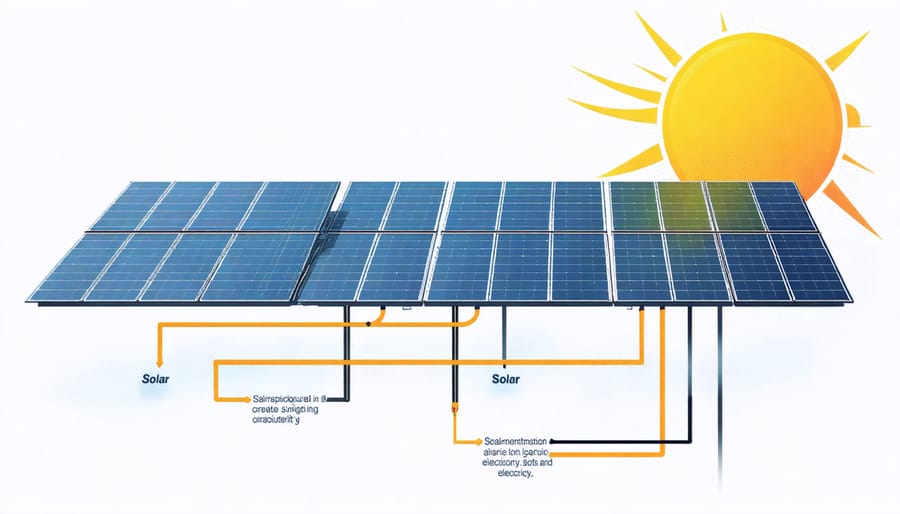
Multiple solar cells are interconnected and encased in a protective module, forming a solar panel. These panels are then arranged in arrays to create a solar PV system, which can be sized to meet the energy needs of homes, businesses, or even entire communities.

The generated electricity is in the form of direct current (DC), which is then converted to alternating current (AC) by an inverter for use in our electrical grid and appliances. Any excess electricity can be stored in batteries or fed back into the grid for credit on future energy bills through net metering programs.
With ongoing advancements in PV technology, solar cells are becoming more efficient at converting sunlight into electricity, while also becoming more affordable and accessible for widespread adoption. This progress is driving the rapid growth of the solar industry and enabling a cleaner, more sustainable energy future.
Advantages of Solar Power
Solar power offers a clean, renewable energy solution with far-reaching advantages. By harnessing the sun’s abundant energy, solar panels significantly reduce greenhouse gas emissions compared to fossil fuels, making them an eco-friendly choice with immense environmental benefits. Additionally, solar power promotes energy independence by decreasing reliance on imported fuels and centralizing energy production. This localized approach enhances grid resilience and energy security. Moreover, while solar panels require an initial investment, they provide substantial long-term cost savings. With minimal maintenance and no fuel costs, solar power offers a hedge against rising electricity prices, making it an economically sound choice for households and businesses alike. As solar technology continues to advance and become more affordable, its advantages are set to grow, positioning it as a key player in the global transition towards a sustainable energy future.
The Solar Industry Ecosystem
Upstream: Panel Production
Solar panel manufacturing involves creating various solar panel types, each with unique characteristics and efficiency levels. Monocrystalline panels, made from single silicon crystals, offer high efficiency and sleek aesthetics. Polycrystalline panels, composed of multiple silicon fragments, provide a cost-effective alternative with slightly lower efficiency. PERC (Passivated Emitter and Rear Cell) technology enhances efficiency by adding a reflective layer to capture more light. Leading manufacturers like Jinko Solar, Trina Solar, and Canadian Solar constantly innovate to improve panel performance and durability. As the industry evolves, new technologies like bifacial panels and heterojunction cells promise even greater efficiency and energy output. With a focus on quality, reliability, and sustainability, these manufacturers play a crucial role in driving the solar industry forward and making renewable energy more accessible to consumers worldwide.
Downstream: Installation and Integration
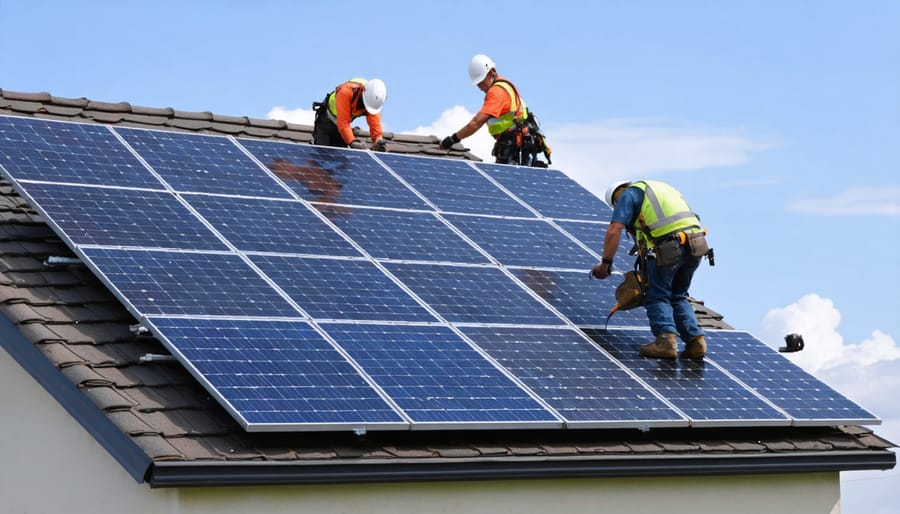
The downstream segment of the solar panel industry encompasses the installation and integration of solar energy systems. Rooftop solar installations, popular among residential and commercial customers, involve mounting panels on building rooftops to generate electricity for on-site consumption. On a larger scale, utility-scale solar farms spanning vast areas of land are constructed to feed clean energy directly into the electrical grid. Integrating solar power into the grid requires advanced infrastructure, such as smart inverters and energy storage systems, to manage the variable nature of solar generation. As the demand for solar grows, so does the need for skilled professionals. Solar jobs, including installers, technicians, and project managers, are on the rise, offering rewarding careers in a rapidly expanding industry. With advancements in technology and supportive policies, the downstream solar sector is poised for continued growth, making solar an increasingly accessible and attractive energy option for communities worldwide.
Solar’s Synergy with Other Industries
Building-Integrated Photovoltaics (BIPV)
Building-integrated photovoltaics (BIPV) seamlessly merge solar energy generation with architectural design, transforming conventional building materials into renewable power sources. Solar tiles, for instance, replace traditional roofing while harnessing the sun’s energy, offering an aesthetically pleasing and efficient solution. Similarly, photovoltaic facades can be integrated into a building’s exterior, generating electricity while providing thermal insulation and natural light control. These innovative applications not only enhance the visual appeal of structures but also optimize energy performance, reducing reliance on grid-supplied power. BIPV systems demonstrate the versatility and adaptability of solar technology, enabling architects and developers to create environmentally conscious, energy-efficient buildings without compromising on style or functionality. As building-integrated photovoltaics continue to advance, they are poised to revolutionize the construction industry, making solar power an integral part of our built environment and paving the way for a more sustainable future.
Solar + Storage and Smart Grids
The integration of solar power with battery storage and smart grid technologies is revolutionizing the way we generate, distribute, and consume electricity. By storing excess solar energy in batteries during peak production hours, the grid can tap into this reserve when demand is high or solar output is low, ensuring a stable and reliable power supply. Artificial intelligence (AI) plays a crucial role in optimizing this process, analyzing vast amounts of data on energy production, consumption patterns, and weather forecasts to make real-time decisions on energy allocation and distribution.
Smart grids, powered by AI algorithms, can automatically balance supply and demand, reroute power to where it’s needed most, and minimize energy waste. This not only enhances grid efficiency but also enables the creation of microgrids—localized energy systems that can operate independently from the main grid. Microgrids, often powered by solar and storage, provide resiliency in the face of natural disasters or grid outages, ensuring that critical facilities like hospitals, emergency services, and community centers have uninterrupted power.
Moreover, the combination of solar, storage, and smart grids empowers consumers to become active participants in the energy market. With smart meters and home energy management systems, individuals can monitor their energy usage, sell excess solar power back to the grid, and even participate in demand response programs, where they’re incentivized to reduce consumption during peak hours. This democratization of energy production and consumption paves the way for a more sustainable, resilient, and equitable energy future, with solar power at its core.
Opportunities in the Solar Workforce
The solar industry offers a wealth of exciting career paths for individuals seeking to make a positive impact on the environment while building a fulfilling profession. As the demand for clean energy solutions surges, the solar workforce is experiencing unprecedented growth, creating diverse job opportunities across various skill levels and specializations. From solar panel installation and maintenance to system design, project management, and sales, the industry welcomes professionals with a wide range of backgrounds and expertise. Moreover, the solar sector actively collaborates with educational institutions to develop targeted training programs that equip aspiring professionals with the knowledge and hands-on experience necessary to excel in this dynamic field. One notable example is Mose Solar, which offers comprehensive educational programs designed to bridge the gap between academia and industry. By partnering with universities and industry experts, Mose Solar provides cutting-edge curricula that cover the latest advancements in solar technology, best practices, and real-world applications. These programs empower individuals to enter the solar workforce with confidence, armed with the skills and insights needed to drive innovation and contribute to the industry’s continued growth. As the solar industry expands, it not only creates direct employment opportunities but also stimulates job growth in related sectors such as manufacturing, construction, and research and development. With a strong commitment to sustainability and a supportive educational ecosystem, the solar workforce presents a promising pathway for those seeking to build a meaningful career while contributing to a cleaner, more sustainable future.
Conclusion
The solar panel industry is poised to play a pivotal role in the global transition to clean energy. As the world grapples with the urgent need to reduce greenhouse gas emissions and combat climate change, solar power stands out as a beacon of hope. With its rapidly declining costs, increasing efficiency, and vast untapped potential, solar energy is set to reshape our energy landscape in the coming decades.
For those seeking a meaningful career that contributes to a sustainable future, the solar panel industry offers a wealth of opportunities. From research and development to manufacturing, installation, and maintenance, there are diverse roles suited to various skill sets and interests. By joining this dynamic and growing field, individuals can be part of the solution to one of the greatest challenges of our time.
As we look to the future, it’s clear that solar power will be an essential piece of the puzzle in creating a cleaner, greener, and more resilient world. By harnessing the boundless energy of the sun, we can reduce our dependence on fossil fuels, mitigate the impacts of climate change, and build a brighter tomorrow for generations to come. The solar panel industry is at the forefront of this transformative journey, and its success will shape the course of our energy future. With dedication, innovation, and a shared vision, we can create a world powered by the limitless potential of solar energy.