What Are Bifacial Solar Panels?
Double-Sided Power Generation
The primary advantage of bifacial solar panels lies in their double-sided power generation capability. Unlike traditional monofacial panels, bifacial modules have photovoltaic cells on both the front and back surfaces, allowing them to capture sunlight from both sides simultaneously. This innovative design enables bifacial panels to absorb direct sunlight on the front side while also capturing reflected light from the roof surface on the rear side. By harnessing both direct and reflected solar radiation, bifacial panels can significantly increase energy yield compared to their monofacial counterparts. The additional power generated from the rear side can range from 10% to 30%, depending on factors such as the reflectivity of the roof surface, panel elevation, and surrounding environment. This enhanced energy production makes bifacial solar panels an attractive option for maximizing the efficiency and output of rooftop solar installations.

Enhanced Efficiency and Output
Bifacial solar panels offer significantly enhanced efficiency and energy output compared to traditional monofacial panels. By capturing sunlight on both sides of the panel, bifacial modules can generate up to 30% more electricity under optimal conditions. This improved efficiency stems from the ability to absorb direct sunlight on the front side while also harnessing reflected and diffuse light on the rear side. The additional energy yield depends on factors such as the reflectivity of the roof surface, panel elevation, and surrounding environment. In ideal settings with highly reflective surfaces, the energy gain can be substantial. By boosting overall system output, bifacial panels can reduce the number of modules required for a given power target, leading to lower installation costs and more efficient use of rooftop space. This enhanced performance makes bifacial technology an attractive option for maximizing the energy potential of solar rooftop installations.
Benefits of Bifacial Solar Panels on Roofs
Increased Energy Production
Bifacial solar panels offer a significant advantage in boosting energy production from limited roof space. By capturing sunlight on both sides of the panel, these innovative modules can generate up to 30% more electricity compared to traditional monofacial panels. The rear side absorbs reflected light from the roof surface, increasing the overall energy yield. This enhanced output allows property owners to maximize their solar potential without expanding the installation footprint. Bifacial panels are particularly beneficial for rooftops with high albedo materials, such as white TPO membranes or light-colored tiles, which reflect more sunlight onto the back of the panels. Additionally, the elevated mounting of bifacial modules promotes air circulation, cooling the panels and improving their efficiency. By optimizing energy production per square meter, bifacial solar panels enable property owners to achieve higher returns on their investment and accelerate their transition to clean, renewable energy.

Improved Return on Investment
The higher energy yield generated by bifacial solar panels on rooftops translates directly into improved financial returns for system owners. With their ability to capture light from both sides, bifacial modules can increase energy production by up to 30% compared to traditional monofacial panels. This enhanced output means that the initial investment in a bifacial rooftop system can be recouped more quickly, leading to shorter payback periods. Over the lifetime of the installation, the boosted energy generation results in a more attractive return on investment (ROI) for property owners. By opting for bifacial technology, businesses and homeowners can maximize the financial benefits of their solar rooftop projects, making the switch to clean energy an even more compelling proposition from an economic standpoint. As the technology continues to advance and costs decrease, the ROI for bifacial solar rooftop installations is expected to become even more favorable in the coming years.
Enhanced Durability and Longevity
Bifacial solar panels are designed with robust construction and high-quality materials to withstand harsh environmental conditions, ensuring enhanced durability and longevity compared to traditional monofacial panels. The double-sided design allows for better heat dissipation, reducing thermal stress and prolonging panel life. Additionally, the use of advanced encapsulation materials and stronger glass provides superior resistance to mechanical stress, UV radiation, and weather-related damage. With proper installation and maintenance, bifacial panels can maintain optimal performance for 25-30 years or more, making them a reliable and cost-effective choice for long-term solar energy generation on rooftops.
Considerations for Bifacial Solar Panel Roof Installations
Roof Suitability and Orientation
When selecting a roof for bifacial solar panels, it’s essential to consider factors that maximize their performance. South-facing roofs are ideal for northern hemisphere installations, while north-facing roofs are best for southern hemisphere locations. Flat or low-sloped roofs (5-15 degrees) are optimal, as they allow for adjustable tilt angles to capture the most sunlight throughout the year. Steep roofs can still accommodate bifacial panels but may require specialized mounting systems. The roof should be free from shading and have ample space for the panels. Light-colored roofing materials, such as white TPO or EPDM membranes, enhance the reflective properties and boost the energy yield of bifacial modules. Regular roof maintenance and cleaning ensure consistent performance over time. By carefully selecting the right roof type, orientation, and implementing best practices for maximizing bifacial performance, system owners can harness the full potential of this innovative technology.
Mounting Systems and Configurations
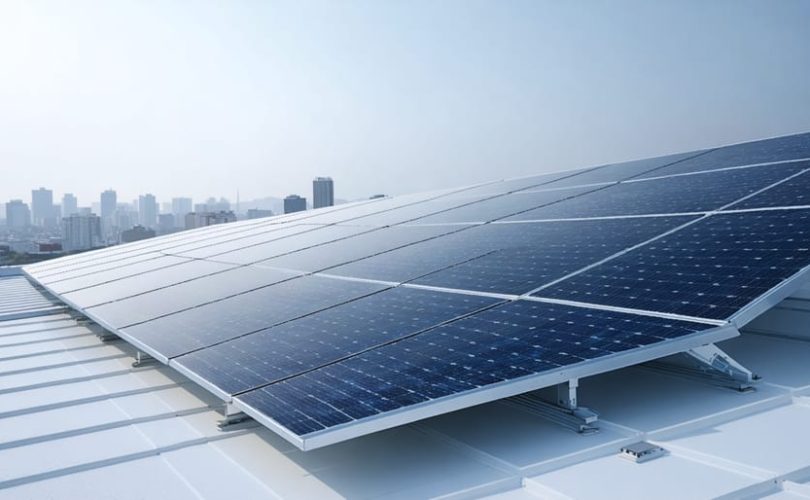
Mounting systems for bifacial solar panels on roofs require specialized designs to optimize energy generation and minimize shading. Elevated racking systems, such as tilt mounting or east-west orientations, allow for better light capture on both sides of the panels. Clearance between the roof surface and panels is crucial to prevent obstructions and enable air circulation for cooling. Adjustable mounting hardware accommodates various roof slopes and materials, ensuring secure installation. Lightweight aluminum frames and clamps reduce structural load while maintaining durability. Cable management solutions keep wiring organized and protected from weathering. Proper spacing between rows of panels minimizes inter-row shading and maximizes bifaciality gains. Collaboration with experienced installers and engineers is essential to design a mounting configuration that balances energy output, aesthetics, and building codes. Careful planning and execution of the mounting system are key to unlocking the full potential of bifacial solar panels on rooftop applications.
Shading and Reflectivity Optimization
To optimize shading and reflectivity for bifacial solar panels on roofs, consider these tips:
1. Minimize obstructions: Ensure the roof is free from shading caused by nearby trees, buildings, or other structures that could block sunlight from reaching the panels’ back side.
2. Choose reflective surfaces: Install the panels over highly reflective surfaces like white TPO membranes or light-colored gravel to maximize the amount of light reflected onto the back side of the panels.
3. Adjust tilt angle: Optimize the tilt angle of the panels to capture the most sunlight on both sides throughout the day, considering factors like latitude and seasonal variations.
4. Maintain cleanliness: Regularly clean the roof surface and panels to prevent the accumulation of dirt, debris, or snow, which can reduce reflectivity and overall performance.
By implementing these strategies, you can significantly boost the energy output of your bifacial solar panel installation and maximize the benefits of this innovative technology.
Real-World Examples and Case Studies
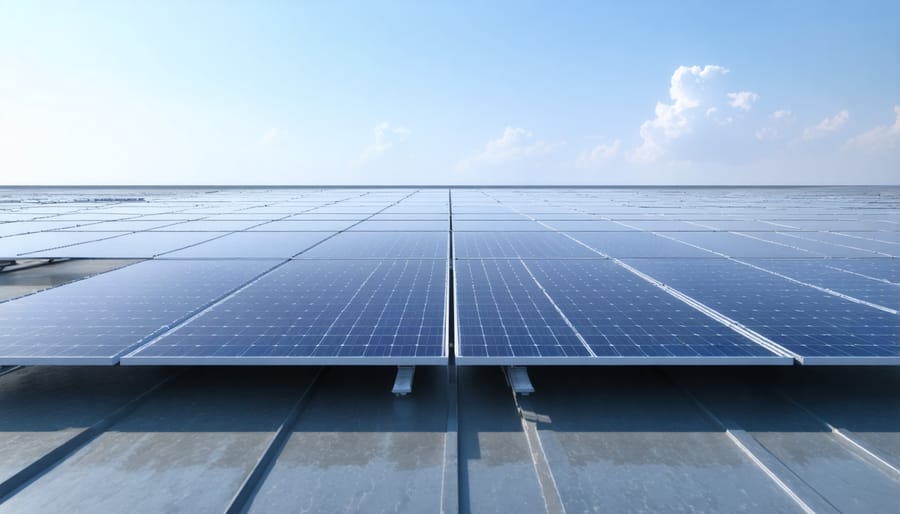
Several notable case studies demonstrate the successful implementation and performance of bifacial solar panels on rooftops. One such example is the installation at the University of New South Wales in Australia, where bifacial panels were integrated into the rooftop of the university’s new engineering building. The system, which covers an area of 212 square meters, has shown an impressive 18% increase in energy yield compared to traditional monofacial panels.
Another significant case study is the rooftop installation at the headquarters of the International Renewable Energy Agency (IRENA) in Abu Dhabi, United Arab Emirates. The 1 MW bifacial solar array, spanning over 10,000 square meters, has demonstrated a 5-15% boost in energy production, depending on the time of year and weather conditions.
In the United States, a notable example is the bifacial solar panel installation on the roof of the Apple Park campus in Cupertino, California. The 17 MW system, consisting of 50,000 panels, has been engineered to optimize energy generation by leveraging the reflective properties of the building’s white roof surface.
These real-world examples showcase the potential of bifacial solar panels in maximizing energy production and reducing the carbon footprint of buildings, paving the way for wider adoption in the solar rooftop market.
Conclusion
Bifacial solar panels offer a promising solution for maximizing energy generation on rooftops. With their ability to capture sunlight from both sides, these panels can significantly increase energy yields compared to traditional monofacial designs. The enhanced power output, combined with improved shading tolerance and durability, makes bifacial panels an attractive option for rooftop installations. While there are considerations such as installation angle and roof reflectivity, the long-term benefits of increased energy production and potential cost savings make bifacial solar panels a worthwhile investment. As the technology continues to advance and become more accessible, it is an excellent time for environmentally conscious consumers and industry professionals to explore the potential of bifacial solar panels for their rooftop solar projects.