The transition to closed-loop manufacturing in solar panel production marks a pivotal shift in renewable energy sustainability. Circular solar panels represent a groundbreaking approach to photovoltaic technology, incorporating recyclable materials and modular designs that extend beyond traditional linear production methods. By reimagining the entire lifecycle of solar panels—from raw material sourcing to end-of-life recovery—manufacturers are achieving up to 95% material recoverability while maintaining optimal energy conversion efficiencies. This innovative circular approach not only addresses critical environmental challenges but also promises to reduce production costs by an estimated 25% through material recovery and reuse. As the solar industry scales to meet global energy demands, circular design principles are becoming essential for sustainable growth, reduced environmental impact, and enhanced economic viability of photovoltaic technology.
The Circular Solar Panel Revolution
Design for Recyclability
Modern solar panels are increasingly designed with recyclability as a core consideration, incorporating materials and assembly methods that facilitate end-of-life processing. Manufacturers are moving away from traditional lamination techniques that make component separation difficult, instead adopting innovative adhesives that can be thermally or chemically decomposed without damaging the valuable materials beneath.
Key design features include frameless modules with detachable junction boxes, reduced use of lead-based solders, and standardized material combinations that simplify recycling processes. Some manufacturers now use thermoplastic encapsulants instead of traditional EVA (ethylene-vinyl acetate), allowing for easier separation of glass, silicon cells, and other components during recycling.
Advanced designs also incorporate radio-frequency identification (RFID) tags that contain detailed material composition data, enabling recycling facilities to optimize their processes for specific panel types. The elimination of toxic materials and reduction of rare earth elements further enhances recyclability while maintaining panel efficiency.
These design innovations, combined with modular construction approaches, ensure that up to 95% of panel materials can be effectively recovered and reused in new manufacturing cycles, supporting the circular economy goals of the solar industry.
Material Innovation
The evolution of sustainable materials in solar panels marks a significant breakthrough in circular solar technology. Manufacturers are increasingly incorporating bio-based polymers and recycled materials in panel frames and backsheets, replacing traditional petroleum-based components. Advanced silicon purification techniques now enable the use of recovered silicon from end-of-life panels, reducing the demand for virgin materials by up to 30%.
Recent innovations include lead-free solar cell metallization, biodegradable encapsulants, and composite frame materials designed for easy disassembly. These developments not only enhance the panels’ environmental footprint but also improve their recyclability at end-of-life. Researchers have successfully developed conductive adhesives that eliminate the need for conventional soldering, facilitating easier material separation during recycling.
The integration of nano-engineered materials has also revolutionized panel construction, enabling thinner, more efficient designs while maintaining durability. These materials, combined with smart design principles, ensure that 95% of panel components can be effectively recovered and reprocessed, supporting a truly circular manufacturing model.
Manufacturing Process Optimization
Zero-Waste Production
The implementation of zero-waste production methods in circular solar panel manufacturing represents a significant advancement in reducing the environmental impact of solar manufacturing. Modern facilities employ sophisticated material recovery systems that capture and recycle silicon wafer fragments, metallic particles, and glass debris during the production process.
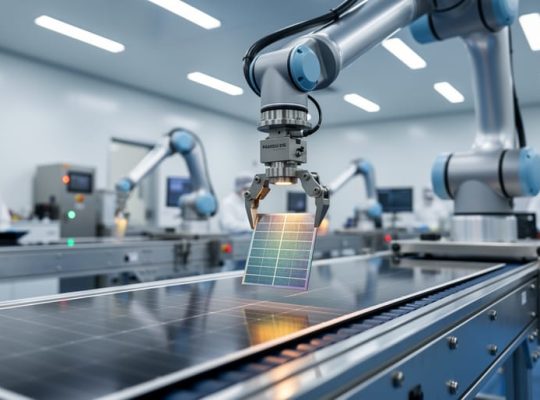
Advanced automation systems precisely control material inputs, significantly reducing excess waste through computer-optimized cutting patterns for silicon wafers and glass substrates. Manufacturers implement closed-loop water systems that filter and reuse process water, while recovering valuable chemicals and metals for reintegration into the production cycle.
Quality control mechanisms utilize artificial intelligence to detect defects early in the manufacturing process, allowing for immediate material recovery before value addition stages. This proactive approach minimizes resource waste and energy consumption while maintaining high production standards.
Innovative packaging solutions utilize biodegradable materials and modular designs that eliminate single-use components. Manufacturing facilities partner with specialized recycling companies to process any remaining production waste, ensuring that secondary materials find applications in other industries.
The integration of lean manufacturing principles with circular economy concepts has enabled some facilities to achieve near-zero waste to landfill, demonstrating the feasibility of sustainable solar panel production at scale. These achievements set new industry benchmarks for environmental responsibility in renewable energy manufacturing.
Energy-Efficient Manufacturing
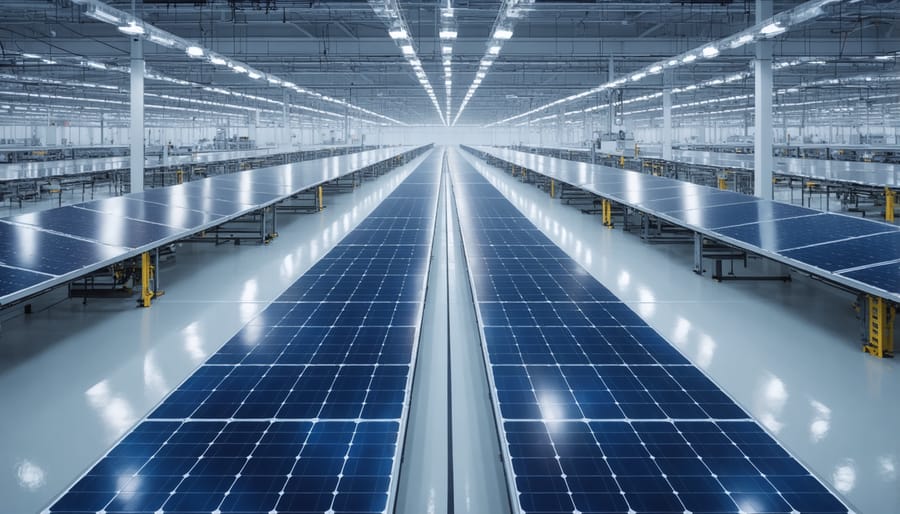
The manufacturing of circular solar panels emphasizes energy optimization throughout the production process, significantly reducing the carbon footprint of each unit produced. Advanced facilities employ smart manufacturing systems that utilize real-time monitoring and artificial intelligence to optimize energy consumption during critical phases such as silicon purification and wafer production.
Key energy-efficient innovations include heat recovery systems that capture and reuse thermal energy from high-temperature processes, reducing overall energy requirements by up to 40%. Additionally, manufacturers are increasingly integrating renewable energy sources directly into their production facilities, with many factories powered by their own solar installations, creating a self-sustaining energy loop.
Advanced automation systems precisely control material flow and processing parameters, minimizing waste and energy consumption. Modern facilities utilize low-energy cleaning processes and energy-efficient cooling systems that maintain optimal operating temperatures while consuming significantly less power than traditional methods.
The implementation of ISO 50001 energy management standards ensures continuous improvement in energy performance. Manufacturers are also adopting energy-efficient lighting, HVAC systems, and smart building management solutions that further reduce operational energy consumption.
These energy optimization strategies not only lower production costs but also enhance the environmental credentials of circular solar panels, improving their overall lifecycle assessment and contributing to a more sustainable manufacturing ecosystem.
End-of-Life Management
Recovery Technologies
Advanced solar panel recycling technologies have evolved significantly to support circular manufacturing principles. Modern recovery processes utilize thermal, mechanical, and chemical separation techniques to efficiently extract valuable materials from end-of-life panels. Thermal processing enables the separation of glass and metal components through controlled heating, while mechanical methods employ crushing and sorting systems to segregate different materials based on their physical properties.
Chemical treatment processes have become increasingly sophisticated, allowing for the recovery of high-purity silicon, silver, and other precious metals. Automated dismantling systems equipped with artificial intelligence can now identify and separate various components with unprecedented accuracy. These systems typically achieve recovery rates exceeding 95% for glass and aluminum, while specialized processes can recover up to 85% of silicon cells for reuse in new panels.
Emerging technologies include electrolytic separation for metal recovery and advanced optical sorting systems that can distinguish between different types of semiconductor materials. Hydrometallurgical processes are being refined to extract rare earth elements and precious metals with minimal environmental impact. These innovations are crucial for establishing closed-loop manufacturing systems and reducing the industry’s dependence on virgin materials.
Circular Value Chain
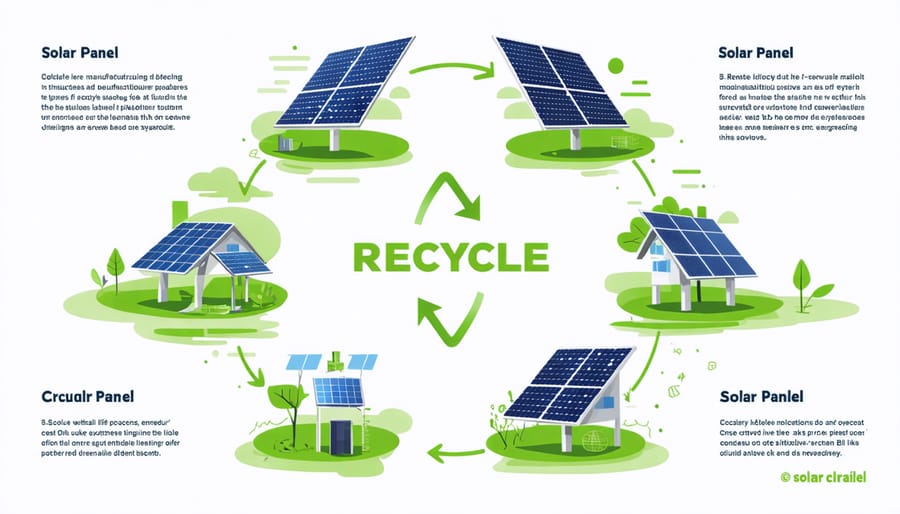
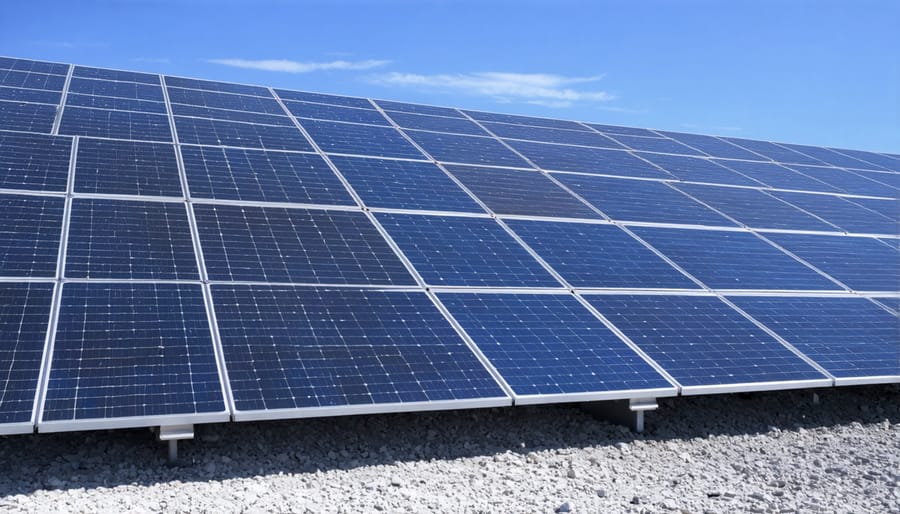
The circular value chain for solar panels encompasses a comprehensive system that manages the entire lifecycle of photovoltaic modules, from raw material sourcing to end-of-life processing. This integrated approach begins with sustainable material selection, prioritizing components that can be easily recovered and recycled. Manufacturers implement design-for-circularity principles, ensuring modules are constructed for eventual disassembly and material recovery.
During the operational phase, regular maintenance and performance monitoring extend panel lifespan while optimizing energy generation efficiency. When panels reach their end-of-life stage, specialized recycling facilities employ advanced separation technologies to recover valuable materials, including silicon, silver, and aluminum. These recovered materials are then reintegrated into the manufacturing process of new solar panels or other products.
The circular system also incorporates reverse logistics networks, connecting installers, waste management facilities, and recycling centers. Digital tracking systems monitor panel components throughout their lifecycle, facilitating efficient material recovery and ensuring regulatory compliance. This comprehensive approach creates a closed-loop system that minimizes waste, reduces environmental impact, and preserves valuable resources while supporting the sustainable growth of the solar industry.
Economic Benefits
Resource Efficiency
Circular manufacturing practices in solar panel production significantly reduce material costs while maximizing resource efficiency. By implementing closed-loop systems, manufacturers can recover up to 95% of valuable materials from end-of-life panels, including high-purity silicon, silver, and aluminum. This recovery process substantially decreases the need for raw material extraction and processing, resulting in an estimated 30% reduction in production costs.
Advanced recycling technologies enable the separation and purification of semiconductor materials, allowing them to be directly reintegrated into new panel production. This circular approach not only conserves precious resources but also minimizes waste management costs and reduces the industry’s environmental footprint. Companies implementing these practices report average savings of 25-40% on material procurement costs.
Furthermore, standardized design protocols focusing on material recovery have led to more efficient manufacturing processes. By considering end-of-life recycling during the design phase, manufacturers can optimize component selection and assembly methods, resulting in improved resource utilization and reduced production waste. These efficiency gains translate to lower operational costs and enhanced competitive advantage in the renewable energy market.
Market Competitiveness
Circular solar panels demonstrate significant market advantages over traditional rectangular designs, particularly in specific applications and consumer segments. Market research indicates that these panels appeal strongly to architects and developers seeking innovative building-integrated photovoltaic solutions, as their aesthetic versatility allows for more creative architectural expressions. The circular design also addresses consumer preferences for visually appealing renewable energy solutions, especially in residential and commercial installations where appearance matters.
Cost-benefit analyses show that while initial manufacturing costs may be higher, circular panels often deliver better long-term value through improved material efficiency and end-of-life recyclability. Their unique geometry can result in up to 15% better space utilization in certain installations, particularly on curved surfaces or in projects with non-standard mounting requirements.
Consumer surveys indicate growing interest in sustainable manufacturing practices, with 68% of potential buyers expressing preference for products designed with circular economy principles. This market trend, combined with increasing environmental regulations and corporate sustainability goals, positions circular solar panels favorably in the competitive landscape, especially in markets where environmental credentials influence purchasing decisions.
Future Perspectives
The future of circular solar panels is poised for significant advancement, driven by emerging technologies and innovative manufacturing approaches. Research institutions and industry leaders are developing next-generation recycling processes that can recover up to 99% of valuable materials from decommissioned panels, including high-purity silicon and rare earth elements.
Automated dismantling systems utilizing artificial intelligence and robotics are being developed to streamline the separation of panel components. These systems can process panels more efficiently than traditional manual methods while ensuring higher material recovery rates. Additionally, new panel designs incorporating easily separable layers and biodegradable components are showing promising results in laboratory testing.
Manufacturers are exploring bio-based alternatives to traditional EVA encapsulants and backsheet materials, which could significantly reduce the environmental impact of panel production. Advanced thin-film technologies using earth-abundant materials are also being developed to decrease reliance on rare elements while maintaining high efficiency levels.
The integration of circular principles into solar manufacturing is expected to create new business models, including panel-as-a-service offerings and manufacturer take-back programs. These initiatives will help establish robust reverse logistics networks and create additional value streams from recovered materials.
Looking ahead, industry experts anticipate that circular solar panels will become the standard rather than the exception. This transition will be supported by evolving regulations, improved recycling infrastructure, and increasing consumer demand for sustainable energy solutions. The development of international standards for circular solar manufacturing will further accelerate adoption and ensure consistency across the global market.
The transition towards circular solar panels represents a crucial evolution in photovoltaic technology, marking a significant step forward in sustainable energy production. By incorporating circular economy principles into solar manufacturing, the industry is addressing critical environmental challenges while creating new economic opportunities. The implementation of design-for-recycling strategies, coupled with innovative manufacturing processes, demonstrates the sector’s commitment to reducing waste and maximizing resource efficiency.
The development of circular solar panels has proven that environmental responsibility and economic viability can coexist harmoniously. Through careful material selection, modular design approaches, and established recycling protocols, manufacturers are creating products that maintain high performance while minimizing environmental impact. This systematic approach to sustainability extends beyond mere end-of-life considerations, encompassing the entire product lifecycle from raw material sourcing to eventual recycling.
Looking ahead, the widespread adoption of circular principles in solar manufacturing will be instrumental in achieving global renewable energy targets while preserving valuable resources. The industry’s progress in developing circular solutions serves as a model for other sectors, highlighting how technological innovation can drive both environmental stewardship and economic growth. As research continues and technologies advance, circular solar panels will play an increasingly vital role in building a more sustainable and resilient energy infrastructure, ensuring that renewable energy truly lives up to its promise of clean, responsible power generation for future generations.