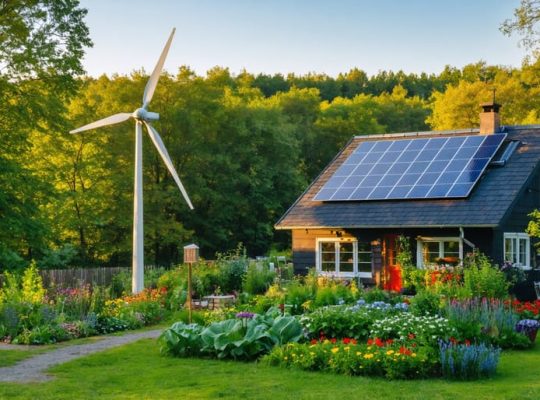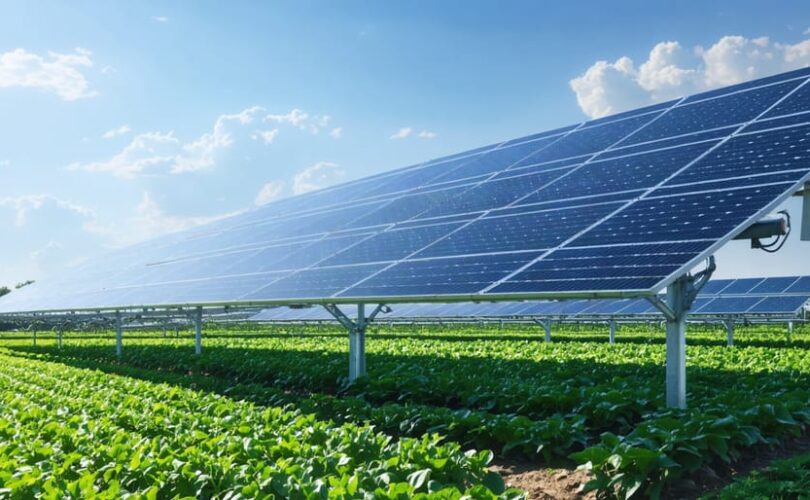
Agrivoltaics stands at the forefront of sustainable innovation, revolutionizing modern farming through the strategic integration of solar energy production and agricultural practices. This dual-land-use approach delivers remarkable synergies: crops benefit from partial shade and improved water retention beneath solar panels, while the panels maintain optimal efficiency through the cooling effect of plant transpiration. Research demonstrates up to 70% water savings in arid regions and 60% greater combined land productivity compared to separate solar and farming operations. As global communities grapple with food security, energy independence, and climate resilience, agrivoltaics emerges as a transformative solution that addresses multiple challenges simultaneously. Leading agricultural institutions and renewable energy developers are rapidly adopting this technology, recognizing its potential to enhance crop yields, generate clean energy, and create new revenue streams for farmers while contributing to sustainable development goals.
Enhanced Agricultural Productivity
Optimized Growing Conditions
Agrivoltaic systems create uniquely optimized growing conditions that benefit both crop production and solar energy generation. The strategic placement of solar panels provides partial shade to crops, reducing solar radiation stress during peak daylight hours. This shade management helps protect sensitive plants from excessive heat and sunburn, particularly in regions with intense solar exposure.
The partial shading effect also contributes to improved water retention in the soil. Research has shown that crops grown under solar panels can require up to 29% less irrigation compared to traditional farming methods. The reduced evaporation rate creates a more efficient water usage system, making agrivoltaics particularly valuable in water-scarce regions.
The combination of solar panels and vegetation creates a beneficial microclimate that can enhance crop growth. The panels act as protective barriers, moderating temperature fluctuations and reducing wind speeds at ground level. This environmental modification helps maintain optimal growing temperatures, especially during extreme weather events.
Studies have demonstrated that certain crops, particularly shade-tolerant species, show increased productivity under agrivoltaic systems. The diffused light created by the solar array can improve photosynthetic efficiency, while the modified microclimate extends growing seasons in some regions. Additionally, the higher humidity levels maintained under the panels can benefit moisture-loving crops and reduce the risk of heat stress during critical growth periods.
Crop Protection Benefits
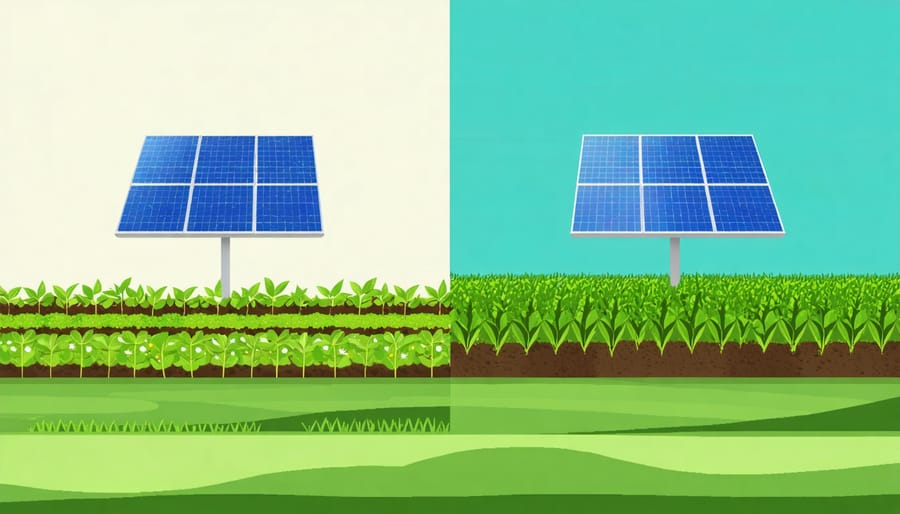
Agrivoltaic systems provide significant protective benefits for crops, shielding them from various environmental stressors and extreme weather conditions. The solar panels act as a physical barrier, reducing the impact of harsh weather elements such as hail, heavy rainfall, and intense wind. This protection helps minimize crop damage and potential yield losses that typically occur during severe weather events.
The partial shade created by solar panels helps regulate soil temperature and moisture levels, reducing heat stress on plants during peak summer temperatures. Research conducted at various agricultural institutions has demonstrated that this regulated microclimate can decrease water evaporation rates by up to 30%, helping maintain optimal growing conditions even during drought periods.
For sensitive crops, the moderated environment beneath solar panels can prevent sun scalding and reduce the risk of frost damage during cold seasons. The panels create a temperature buffer zone, protecting plants from extreme temperature fluctuations that can adversely affect crop development and quality.
Additionally, the strategic placement of solar panels can help break strong winds, creating windbreak effects that protect crops from mechanical stress and physical damage. This protection is particularly beneficial for tall-growing crops and fruit-bearing plants that are susceptible to wind damage.
These protective benefits ultimately contribute to more resilient agricultural systems, allowing farmers to maintain consistent crop production even under challenging weather conditions while simultaneously generating clean energy.
Solar Energy Performance Advantages
Improved Panel Efficiency
Agrivoltaic systems offer a unique advantage in improving the performance of solar panels through natural temperature regulation. Research has shown that the presence of crops beneath solar arrays helps moderate panel temperatures, contributing to enhanced solar PV reliability and efficiency.
The evapotranspiration from crops creates a cooling effect that can reduce panel temperatures by 5-10°C compared to traditional ground-mounted installations. This temperature reduction is particularly significant because photovoltaic panels typically lose efficiency at a rate of 0.4-0.5% for every degree Celsius increase above their optimal operating temperature.
Agricultural integration also helps minimize dust accumulation on panel surfaces through regular irrigation activities, reducing the frequency of manual cleaning requirements. The moisture from crop irrigation naturally cleanses the panels, maintaining their light absorption capability and preventing performance degradation over time.
Studies conducted at leading research institutions have demonstrated that agrivoltaic installations can achieve up to 3% higher annual energy yields compared to conventional solar farms in similar climatic conditions. This improvement stems from the combined effects of temperature regulation, reduced soiling, and optimized airflow patterns created by the agricultural environment beneath the panels.

Land Use Optimization
Land use optimization stands as one of the most compelling advantages of agrivoltaic systems, transforming traditional farmland into dual-purpose energy powerhouses. By integrating solar panels with agricultural activities, these systems achieve land-use efficiency rates of up to 170% compared to separate solar and farming installations.
The dual-use approach maximizes the economic output per acre while addressing the growing competition between renewable energy development and agricultural land preservation. Research indicates that a well-designed agrivoltaic system can maintain 85-95% of the original crop yield while generating substantial clean energy from the same land area.
Solar panel arrays in agrivoltaic installations typically cover 30-50% of the field area, creating optimal conditions for both energy generation and crop growth. The elevated mounting structures allow for standard farming equipment access while providing partial shade that can benefit certain crops, particularly in regions with intense solar radiation.
Modern tracking systems further enhance land-use efficiency by adjusting panel angles throughout the day, optimizing both solar capture and light transmission to crops below. This dynamic approach ensures that neither agricultural productivity nor energy generation is compromised, resulting in a synergistic relationship that maximizes the value of available land resources.
Economic Benefits
Diversified Income Streams
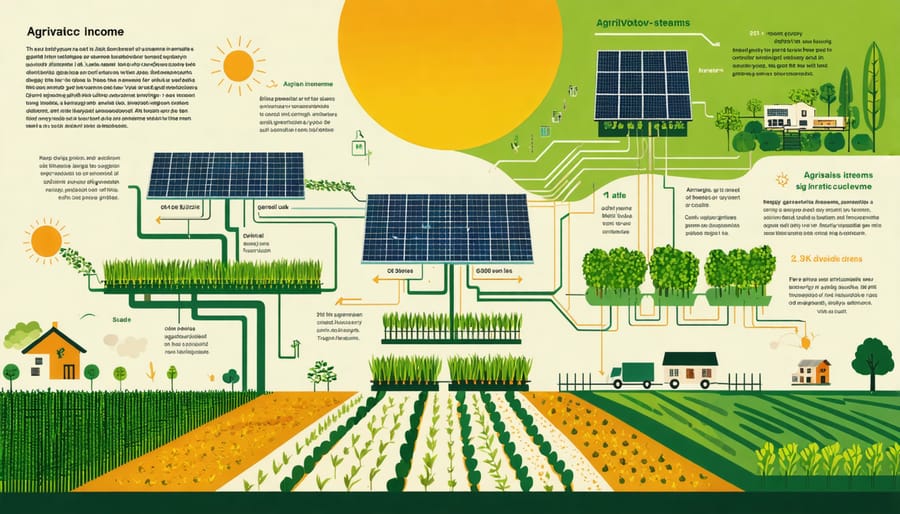
Agrivoltaic systems offer farm operators and landowners a unique opportunity to generate dual revenue streams from the same land parcel. By combining agricultural production with solar power generation, farmers can maintain their traditional crop income while adding substantial earnings from electricity production. This diversification helps stabilize farm revenues, particularly important during challenging growing seasons or periods of market volatility.
Studies have shown that solar lease payments typically range from $500 to $2,000 per acre annually, providing a reliable supplementary income stream. When combined with crop revenues, this dual-use approach can increase per-acre profitability by 30-60% compared to conventional farming alone. Solar installations also qualify for various federal and state incentives, including tax credits and renewable energy certificates, further enhancing the financial benefits.
For many farmers, the guaranteed income from solar generation serves as a financial buffer, enabling them to experiment with new crop varieties or sustainable farming practices without risking their entire livelihood. Additionally, some agrivoltaic installations have demonstrated increased crop yields for certain species due to optimal shading and improved water retention, potentially boosting agricultural revenues alongside solar income.
This economic model proves particularly valuable for small and medium-sized farms, helping preserve agricultural operations while creating energy independence and financial sustainability. The combination of reliable solar revenue and traditional farming income provides a robust foundation for long-term agricultural business planning.
Operational Cost Savings
Agrivoltaic systems demonstrate significant operational cost savings through efficient resource utilization and reduced maintenance requirements. One of the most substantial benefits is the reduction in water consumption, with studies showing water savings of up to 30% compared to traditional farming methods. This efficiency is achieved through decreased evaporation rates due to partial shading from solar panels and improved soil moisture retention.
The dual-use nature of agrivoltaic installations also leads to reduced maintenance costs for both agricultural and solar components. The presence of crops beneath solar panels helps control vegetation growth, minimizing the need for regular mowing and weed management typically required in conventional solar installations. Additionally, the enhanced microclimate created by the system often results in decreased irrigation frequency and lower water utility costs.
Operational expenses are further reduced through shared infrastructure and maintenance activities. For instance, cleaning systems can be utilized for both panel maintenance and crop irrigation, while access roads and monitoring systems serve dual purposes. The integration of smart monitoring technologies enables efficient resource allocation and early detection of potential issues, preventing costly repairs and crop losses.
These cost savings contribute significantly to the overall economic viability of agrivoltaic projects, making them increasingly attractive to both agricultural producers and renewable energy developers. The reduced operational expenses often help offset initial installation costs, leading to improved long-term return on investment.
Environmental Impact
Biodiversity Enhancement
Agrivoltaic systems contribute significantly to biodiversity enhancement by creating diverse microhabitats within agricultural landscapes. The partial shading provided by solar panels creates varied light conditions that support different plant species, leading to increased flora diversity. These environments attract beneficial insects, pollinators, and other wildlife, establishing complex ecological networks that enhance natural pest control and pollination services.
Research has shown that the modified microclimates beneath solar arrays can provide shelter for various species, particularly during extreme weather events. The structural elements of solar installations create new nesting opportunities for birds and safe havens for small mammals. The combination of agricultural activities and solar infrastructure also helps maintain soil health through reduced evaporation and improved moisture retention, supporting diverse soil microorganisms essential for ecosystem function.
Furthermore, agrivoltaic systems often incorporate native plant species and flowering crops that provide additional food sources for local wildlife. The reduced use of pesticides in many agrivoltaic setups, coupled with improved water management, creates conditions favorable for amphibians and beneficial insects. These installations can serve as ecological corridors, connecting fragmented habitats and supporting species movement across agricultural landscapes.
The biodiversity benefits extend beyond the immediate installation area, contributing to regional ecosystem resilience and agricultural sustainability. Studies have documented increased numbers of pollinator species and beneficial predatory insects in agrivoltaic fields compared to conventional agricultural areas, demonstrating the significant ecological value of these integrated systems.
Resource Conservation
Agrivoltaic systems demonstrate remarkable efficiency in resource conservation, particularly in water management and carbon footprint reduction. Studies show that crops grown under solar panels typically require 20-30% less irrigation compared to conventional farming methods, as the panels provide shade that reduces evaporation and protects soil moisture. This water conservation aspect is especially crucial in arid regions where water resources are scarce.
The dual-use approach of agrivoltaics significantly reduces the carbon footprint of both agricultural and energy production activities. By optimizing land use through integration of solar panel sustainability with farming, these systems eliminate the need for separate land allocation for each purpose. Research indicates that agrivoltaic installations can reduce carbon emissions by up to 30% compared to separate solar and agricultural operations.
The shade provided by solar panels also decreases the ambient temperature around crops, resulting in reduced water consumption through evapotranspiration. This creates a beneficial microclimate that helps conserve soil moisture and maintains optimal growing conditions. Additionally, the presence of vegetation beneath solar panels can enhance panel efficiency by lowering surface temperatures through natural cooling effects, creating a symbiotic relationship that maximizes resource utilization while minimizing environmental impact.
Agrivoltaic systems represent a groundbreaking solution that addresses multiple challenges facing our modern world. By efficiently combining solar energy generation with agricultural production, these systems demonstrate remarkable potential for sustainable development. The evidence clearly shows that agrivoltaics can increase land-use efficiency by up to 70%, enhance crop yields in certain conditions, and generate clean energy while preserving valuable farmland.
The benefits extend beyond the immediate agricultural and energy advantages. Farmers can diversify their income streams through electricity sales while maintaining their traditional farming operations. Environmental benefits include reduced water consumption, improved soil retention, and decreased carbon emissions. The dual-use approach also helps preserve biodiversity and creates microclimates that can protect crops from extreme weather events.
Looking ahead, agrivoltaic systems are poised to play a crucial role in sustainable development strategies worldwide. As technology continues to advance and installation costs decrease, we can expect to see wider adoption across different agricultural sectors and climate zones. Research institutions and industry stakeholders are actively developing innovative designs and management practices to optimize these systems further.
For successful implementation, continued collaboration between solar energy professionals, agricultural experts, and policymakers remains essential. As we face the challenges of climate change and food security, agrivoltaic systems offer a promising path toward a more sustainable and resilient future in both energy production and agriculture.