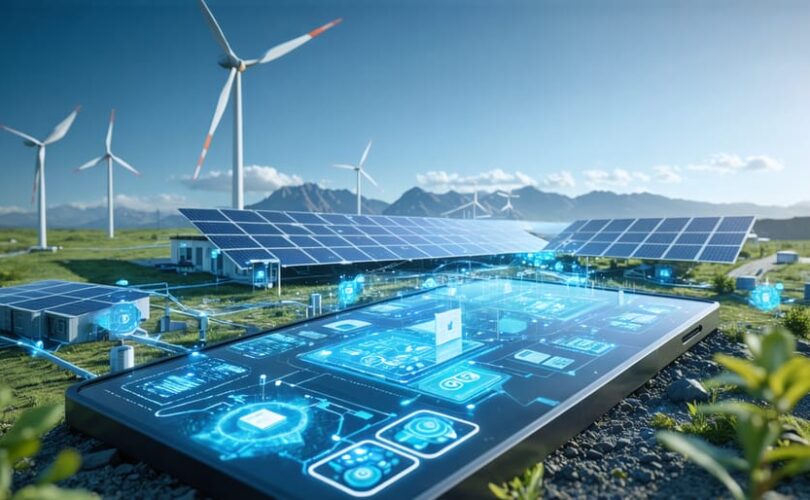
Hybrid off-grid power systems represent the future of sustainable off-grid living, combining multiple renewable energy sources with advanced storage solutions to deliver reliable, independent power generation. These sophisticated systems integrate solar photovoltaic arrays, wind turbines, and backup generators with intelligent control systems and high-capacity battery banks, ensuring continuous power availability regardless of weather conditions or time of day.
Modern hybrid systems achieve remarkable efficiency through advanced power management algorithms, seamlessly switching between energy sources while optimizing performance and minimizing operational costs. By incorporating diverse generation methods, these systems overcome the limitations of single-source solutions, providing industrial-grade reliability for remote locations, telecommunications infrastructure, and mission-critical facilities.
The evolution of energy storage technology, particularly lithium-ion batteries and innovative hybrid inverters, has transformed off-grid power from a compromise into a preferred solution for energy independence. These systems now deliver grid-quality power with minimal environmental impact, supporting applications from remote homesteads to commercial operations, while offering significant long-term cost advantages over traditional grid connections.
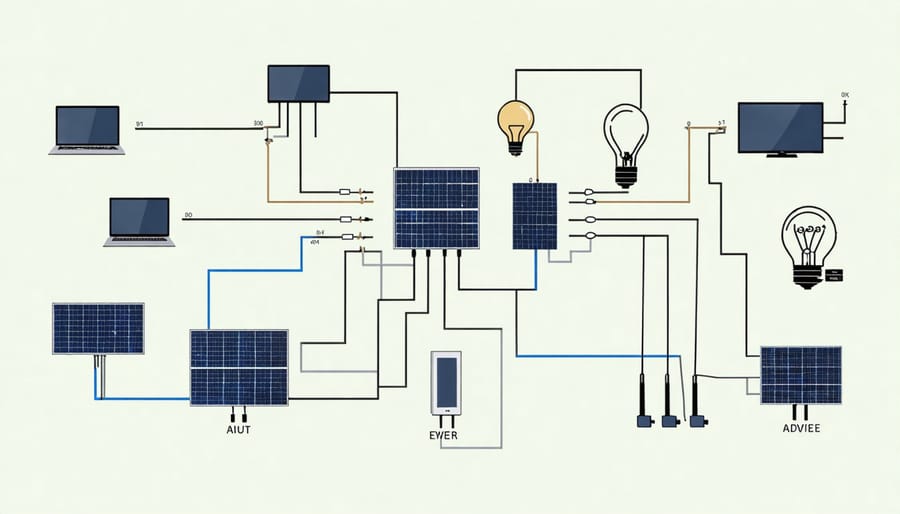
Core Components of Hybrid Off-Grid Systems
Solar PV Arrays and Controllers
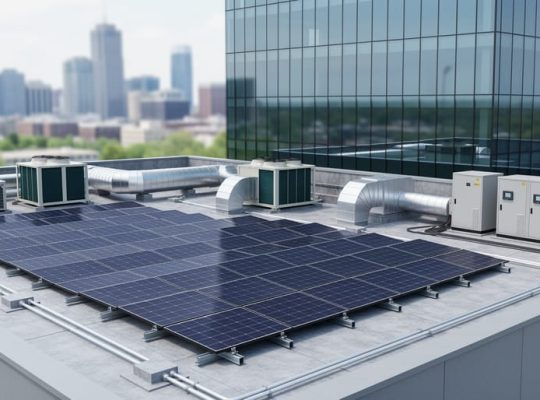
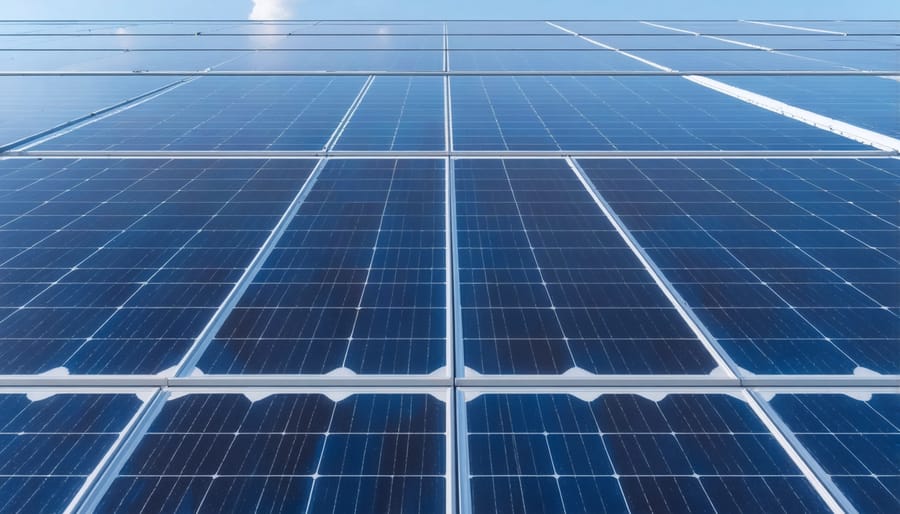
Solar PV arrays form the primary power generation component in hybrid off-grid systems, converting sunlight into electrical energy through photovoltaic cells. Modern arrays utilize high-efficiency monocrystalline or polycrystalline panels, with some installations achieving conversion rates exceeding 20%. While traditional ground-mounted and rooftop installations remain common, alternative solar installations are gaining traction in specialized applications.
Array configuration significantly impacts system performance, with factors including panel orientation, tilt angle, and string sizing requiring careful consideration. Series-parallel combinations must be optimized to match inverter specifications while maintaining voltage and current requirements.
Charge controllers serve as crucial intermediaries between the solar array and battery bank, regulating charging processes to prevent overcharging and battery damage. Modern MPPT (Maximum Power Point Tracking) controllers offer superior efficiency compared to traditional PWM controllers, typically achieving 93-98% conversion efficiency while providing advanced monitoring capabilities and system protection features. These controllers automatically adjust charging parameters based on battery state, temperature, and available solar input, ensuring optimal system performance and extended battery life.
Battery Storage Solutions
Battery storage systems are fundamental components in hybrid off-grid power installations, serving as the backbone for reliable energy availability. Modern systems typically employ either lithium-ion or advanced lead-acid batteries, each offering distinct advantages for specific applications.
Lithium-ion batteries have become increasingly popular due to their high energy density, extended cycle life, and minimal maintenance requirements. These systems provide excellent depth of discharge capabilities, typically allowing up to 80% utilization of their rated capacity without significant degradation. Their compact size and lighter weight make them particularly suitable for installations with space constraints.
Advanced lead-acid batteries, including AGM (Absorbed Glass Mat) and gel technologies, remain viable options for many installations due to their lower initial cost and proven reliability. While they offer lower depth of discharge (typically 50%) and shorter lifespans compared to lithium-ion, their robust nature and established recycling infrastructure make them environmentally responsible choices.
Storage configuration considerations include parallel and series arrangements, temperature management systems, and battery management systems (BMS). The BMS plays a crucial role in monitoring cell voltage, temperature, and state of charge while protecting against overcharging and deep discharge conditions. Proper sizing of the battery bank must account for daily energy consumption patterns, backup duration requirements, and system autonomy during periods of limited renewable energy generation.
Backup Power Sources
Backup power sources play a crucial role in ensuring continuous power supply in hybrid off-grid systems. Diesel or propane generators serve as reliable secondary power sources, automatically engaging when battery levels drop below predetermined thresholds. Wind turbines complement solar arrays effectively, particularly in regions with consistent wind patterns, generating power during both day and night. Micro-hydro systems can provide steady baseload power in locations with suitable water resources, while biomass generators offer sustainable backup solutions using organic waste materials. These supplementary sources work in concert with the primary solar infrastructure, managed by sophisticated control systems that optimize power distribution and minimize reliance on non-renewable backup options. The integration of multiple backup sources enhances system resilience and ensures year-round power availability, regardless of weather conditions or seasonal variations.
System Integration and Control
Power Management Systems
Power management systems serve as the brain of hybrid off-grid power systems, orchestrating the complex interplay between various energy sources and loads. These intelligent systems optimize energy distribution, ensuring efficient power delivery while maintaining system stability across diverse off-grid power applications.
At their core, these systems utilize advanced algorithms to monitor real-time power generation, storage levels, and load demands. They implement sophisticated load-shedding protocols during peak demand periods, prioritizing critical loads while temporarily reducing power to non-essential applications. This intelligent load management prevents system overload and extends battery life.
Modern power management systems incorporate predictive analytics to anticipate energy needs based on historical usage patterns and environmental conditions. They automatically adjust power distribution parameters to maximize system efficiency, implementing features such as automatic source switching, voltage regulation, and frequency control.
These systems also provide comprehensive monitoring capabilities through integrated sensors and communication interfaces. System operators can access detailed performance metrics, receive automated alerts, and remotely adjust operating parameters. This level of control ensures optimal system performance while minimizing maintenance requirements.
For enhanced reliability, power management systems typically include redundant control mechanisms and fail-safe protocols. These safety features protect system components from damage due to overcurrent, short circuits, or other electrical anomalies, significantly reducing the risk of system failure.
Monitoring and Automation
Modern hybrid off-grid power systems rely heavily on sophisticated monitoring tools and automation technologies to maintain optimal performance and system reliability. Advanced monitoring systems provide real-time data on power generation, consumption patterns, battery state of charge, and overall system health through integrated sensors and data collection devices.
These monitoring solutions typically feature remote access capabilities, allowing system operators to track performance metrics and receive instant alerts through web-based platforms or mobile applications. Key parameters monitored include voltage levels, current flow, power quality, temperature conditions, and weather data that might affect system performance.
Automated system responses play a crucial role in maintaining system stability and protecting components. Smart controllers manage power flow between different sources, automatically switching between solar, wind, or backup generators based on predefined parameters and current conditions. These systems can initiate load shedding during periods of low power availability, prioritize critical loads, and optimize battery charging cycles to extend battery life.
Energy management systems (EMS) incorporate predictive algorithms to anticipate power needs based on historical usage patterns and weather forecasts. This enables proactive system adjustments, ensuring optimal resource utilization and system efficiency. Many modern systems also feature self-diagnostic capabilities that can identify potential issues before they become critical, allowing for preventive maintenance and reducing system downtime.
Integration with weather monitoring systems enables automated responses to environmental conditions, protecting system components during adverse weather while maximizing energy harvest during optimal conditions.

Grid Integration Options
Grid integration capabilities in hybrid off-grid power systems provide flexibility and reliability through sophisticated switchover mechanisms. These systems can operate independently while maintaining the ability to connect with the utility grid when advantageous. The primary integration components include bidirectional inverters, automatic transfer switches (ATS), and smart control systems that manage power flow between multiple sources.
The switchover mechanism operates through three main configurations: manual transfer, automatic transfer, and seamless transfer. Manual transfer requires operator intervention to switch between grid and off-grid modes, making it suitable for basic installations. Automatic transfer systems detect grid failures and initiate immediate switchover to backup power, typically completing the transition within 100-500 milliseconds. Seamless transfer systems, the most advanced option, provide uninterrupted power supply during switchovers, essential for critical loads and sensitive equipment.
Modern grid integration systems incorporate sophisticated monitoring and control features that optimize power distribution based on multiple factors: grid availability, renewable energy production, battery state of charge, and load demands. These systems can automatically determine the most efficient power source combination while maintaining grid stability and protecting equipment from potential damage.
For compliance and safety, grid-tied systems must include anti-islanding protection, synchronization mechanisms, and power quality management features. These components ensure smooth integration with utility infrastructure while meeting local regulatory requirements and maintaining system reliability.
Design Considerations and Sizing
Load Analysis and System Sizing
Load analysis and system sizing form the foundation of a successful hybrid off-grid power system. To design a bulletproof off-grid system, engineers must first conduct a comprehensive assessment of power requirements through detailed load calculations.
The process begins with creating a load profile that documents all electrical appliances, their power ratings, and estimated daily usage patterns. This includes both AC and DC loads, considering seasonal variations and peak demand periods. The total daily energy consumption is calculated by multiplying each appliance’s power rating by its hours of operation and summing these values.
System sizing involves determining the required capacity of solar panels, wind turbines, batteries, and backup generators. The solar array size is calculated based on the daily energy requirement, accounting for system losses and local solar radiation data. Battery bank capacity is sized to provide sufficient autonomy during periods of limited renewable resource availability, typically designed for 2-3 days of backup.
Critical factors in system sizing include:
– Peak load requirements
– Seasonal resource availability
– System efficiency losses
– Battery depth of discharge limitations
– Safety margins for unexpected demand
Modern sizing software tools incorporate these variables to optimize component selection and ensure system reliability while maintaining cost-effectiveness. Regular monitoring and adjustment of these calculations help maintain system performance and longevity.
Environmental Factors
Environmental factors play a crucial role in determining the design, performance, and efficiency of hybrid off-grid power systems. Geographic location significantly influences solar radiation levels, wind patterns, and temperature variations, which directly impact system component selection and sizing calculations.
Climate conditions affect both energy generation potential and system reliability. In regions with high solar insolation, photovoltaic arrays can be optimized for maximum energy harvest, while areas with frequent cloud cover may require larger battery storage capacity or additional generating sources. Temperature extremes can impact battery performance and lifespan, with high temperatures potentially accelerating battery degradation and low temperatures reducing charging efficiency.
Seasonal variations must be carefully considered during system design. Winter months typically present reduced solar availability and increased energy demand, necessitating appropriate system oversizing or supplementary power sources. Similarly, monsoon seasons in tropical regions may require robust weatherproofing and extended storage capacity to maintain reliable operation during periods of limited solar generation.
Local weather patterns influence component selection and protection requirements. Areas prone to hurricanes or severe storms need reinforced mounting systems and enhanced surge protection, while dusty environments may require additional maintenance protocols and specialized cleaning systems. Altitude considerations affect air density and cooling requirements, particularly for battery systems and power electronics.
Successful system design requires comprehensive environmental data analysis, including historical weather patterns, seasonal variations, and extreme weather events, to ensure reliable year-round operation.
Cost-Benefit Analysis
The implementation of hybrid off-grid power systems requires careful financial analysis to determine long-term viability and return on investment. Initial capital costs typically range from $20,000 to $100,000 for residential systems, depending on capacity and component selection. However, these systems offer significant operational cost savings through reduced fuel consumption and decreased maintenance requirements compared to traditional diesel generators.
A comprehensive cost-benefit analysis should consider multiple factors: equipment costs, installation expenses, maintenance requirements, fuel savings, and system longevity. Solar PV components generally have a 25-year lifespan, while batteries may need replacement every 7-10 years. The integration of multiple power sources provides enhanced reliability, potentially reducing business downtime costs and emergency repair expenses.
ROI calculations typically show payback periods of 5-8 years for well-designed systems, with shorter periods in areas with high fuel costs or unreliable grid connections. Government incentives, carbon credits, and renewable energy certificates can further improve financial returns. Operating costs generally decrease by 40-60% compared to diesel-only systems, primarily due to reduced fuel consumption and lower maintenance requirements.
Environmental benefits, while difficult to quantify monetarily, include reduced carbon emissions and minimal noise pollution. These factors become increasingly valuable as carbon pricing mechanisms expand globally and environmental regulations become more stringent. For remote locations, the elimination of fuel transportation costs and associated logistics can result in additional savings of 15-25% annually.
Maintenance and Troubleshooting

Preventive Maintenance
Regular preventive maintenance is crucial for ensuring the optimal performance and longevity of hybrid off-grid power systems. A comprehensive maintenance schedule should include monthly, quarterly, and annual inspections of all system components. This systematic approach, aligned with proper solar panel lifecycle management, helps prevent system failures and maintains efficiency.
Monthly maintenance tasks include checking battery electrolyte levels, cleaning solar panels, inspecting electrical connections, and monitoring inverter performance. Quarterly procedures involve more detailed battery testing, solar array performance analysis, and thorough inspection of mounting structures and wiring systems.
Annual maintenance requires comprehensive system testing, including load analysis, efficiency measurements, and detailed component inspection. This should be performed by qualified technicians who can verify system calibration, update control software, and assess overall system health.
Key maintenance procedures include:
– Regular battery maintenance and electrolyte level checks
– Solar panel surface cleaning and damage inspection
– Verification of charge controller settings
– Testing of backup generator functionality
– Inspection of all electrical connections and wiring
– Monitoring and logging of system performance metrics
– Calibration of monitoring instruments
– Assessment of ventilation systems and thermal management
Maintaining detailed maintenance records helps track system performance trends and anticipate potential issues before they become critical problems.
Common Issues and Solutions
Hybrid off-grid power systems can experience several common issues that require prompt attention and resolution. System voltage fluctuations often result from improper battery maintenance or mismatched components, which can be resolved through regular battery testing and ensuring component compatibility during installation. Inadequate power generation frequently stems from solar panel shading or dirt accumulation, necessitating proper panel placement and routine cleaning protocols.
Battery bank failures typically manifest through reduced storage capacity or premature aging. Implementation of proper charge cycling and temperature control measures can significantly extend battery life. Inverter malfunctions may occur due to overloading or poor ventilation, requiring appropriate load management and adequate airflow maintenance.
Control system synchronization issues between renewable sources and backup generators can lead to inefficient power distribution. Regular calibration of control parameters and monitoring system response times helps maintain optimal performance. Communication failures between system components often result from loose connections or electromagnetic interference, resolved through proper cable shielding and secure terminal connections.
Charge controller problems, including incorrect charging parameters or failed temperature compensation, can be addressed through firmware updates and sensor calibration. Generator integration issues commonly arise from improper sizing or fuel quality concerns, requiring careful system sizing calculations and adherence to fuel specifications. Regular preventive maintenance schedules and systematic documentation of system performance metrics help identify potential issues before they become critical failures.
Hybrid off-grid power systems represent a crucial advancement in sustainable energy solutions, combining multiple renewable sources with energy storage technologies to deliver reliable power in areas beyond traditional grid infrastructure. Throughout this comprehensive analysis, we’ve explored the fundamental components, design considerations, and operational requirements that make these systems both effective and practical.
The integration of solar PV, wind turbines, and battery storage systems has proven to be particularly successful in remote applications, demonstrating superior reliability compared to single-source solutions. The technological maturity of these components, coupled with declining costs and improved efficiency, positions hybrid systems as an increasingly viable option for both residential and commercial applications.
Looking ahead, several trends will likely shape the future of hybrid off-grid systems. Advanced energy management systems utilizing artificial intelligence and machine learning will optimize performance and reduce maintenance requirements. Emerging battery technologies promise greater storage capacity and longer life cycles, while improved power electronics will enhance system integration and efficiency.
The market for hybrid off-grid solutions continues to expand, driven by increasing energy demands in developing regions, environmental concerns, and the need for reliable backup power in critical applications. Industry collaboration with research institutions is accelerating innovation in system design and control strategies, while standardization efforts are making implementation more straightforward and cost-effective.
As we move toward a more sustainable energy future, hybrid off-grid power systems will play an increasingly important role in providing clean, reliable electricity to communities worldwide. Their ability to harness multiple renewable sources while ensuring consistent power delivery makes them an essential component of the global energy transition.