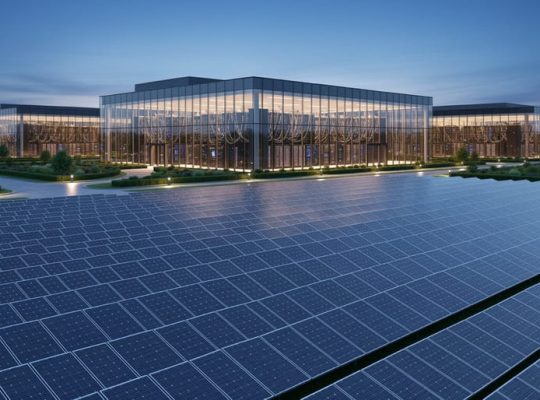
The evolution of eco-friendly solar panels marks a significant leap forward in sustainable energy technology, combining advanced photovoltaic efficiency with environmentally conscious manufacturing processes. These innovative panels minimize their carbon footprint throughout their entire lifecycle – from production to eventual recycling – while maintaining optimal energy generation capabilities. By incorporating recycled materials, eliminating toxic components, and implementing water-conserving manufacturing techniques, modern eco-friendly solar panels represent a crucial advancement in renewable energy infrastructure.
Recent technological breakthroughs have enabled manufacturers to reduce the environmental impact of solar panel production by up to 50% compared to traditional methods, while simultaneously increasing power output efficiency to beyond 20%. These developments address both immediate energy needs and long-term environmental concerns, making eco-friendly solar panels an increasingly viable solution for sustainable power generation in both residential and commercial applications.
This transformation in solar technology not only represents a significant step toward reducing global carbon emissions but also demonstrates how technological innovation can align with environmental stewardship. As the industry continues to evolve, eco-friendly solar panels stand at the forefront of sustainable energy solutions, offering a practical pathway to clean power generation without compromising environmental integrity.
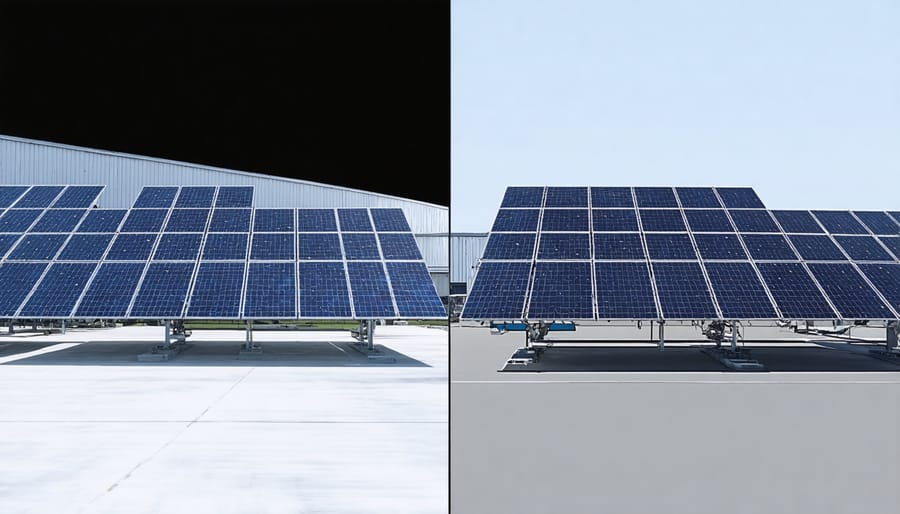
The Environmental Impact of Traditional vs. Eco-Friendly Solar Panels
Manufacturing Process Innovations
Recent advancements in manufacturing to end-of-life sustainability have revolutionized how eco-friendly solar panels are produced. Leading manufacturers now implement water recycling systems that reduce consumption by up to 90% compared to traditional methods. Advanced robotics and automated quality control systems minimize material waste while ensuring consistent product quality.
Innovative processes include the adoption of lead-free soldering techniques and the integration of recycled silicon in cell production. Manufacturers are increasingly utilizing renewable energy to power their facilities, creating a closed-loop system that significantly reduces the carbon footprint of panel production.
Notable improvements include the development of thin-film deposition techniques that require fewer raw materials and consume less energy during manufacturing. The implementation of digital twin technology enables precise optimization of production parameters, resulting in higher efficiency and reduced resource consumption.
Energy-efficient thermal processing methods have shortened the curing time for solar cell components while decreasing energy usage by up to 40%. Additionally, new encapsulation materials derived from bio-based sources are replacing traditional petroleum-based products, further enhancing the environmental credentials of modern solar panels.
Carbon Footprint Reduction
Eco-friendly solar panels demonstrate significant environmental benefits through measurable reductions in carbon emissions throughout their lifecycle. Studies indicate that modern sustainable solar panels can offset between 400-850 grams of CO2 per kilowatt-hour of electricity generated, representing a substantial decrease compared to fossil fuel alternatives.
The manufacturing process of eco-friendly panels has evolved to reduce carbon emissions by up to 50% compared to conventional panels. This improvement stems from utilizing recycled materials, implementing energy-efficient production methods, and optimizing supply chain logistics. Leading manufacturers now achieve carbon payback periods of less than two years, meaning the panels offset their production emissions within this timeframe.
These advanced panels typically prevent 20-30 metric tons of CO2 emissions over their 25-30 year lifespan when replacing coal-generated electricity. The environmental impact extends beyond carbon reduction, with newer models requiring 62% less energy during production and reducing water consumption by approximately 40% compared to traditional manufacturing processes.
Furthermore, eco-friendly panels incorporate design features that facilitate end-of-life recycling, ensuring up to 95% of their components can be recovered and repurposed, thereby creating a closed-loop system that minimizes environmental impact across the entire product lifecycle.
Key Features of Sustainable Solar PV Solutions
Recyclable Materials
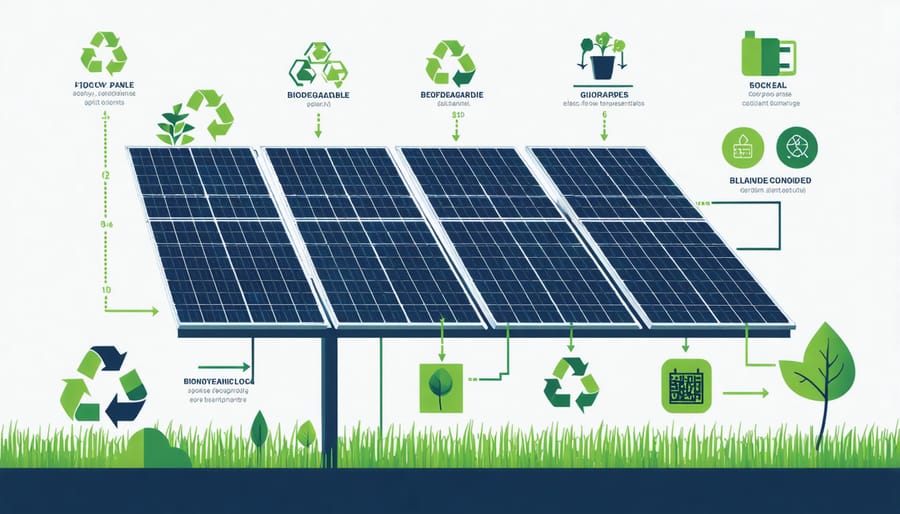
Modern eco-friendly solar panels incorporate numerous recyclable materials, demonstrating significant progress in sustainable manufacturing. The aluminum frames, which constitute approximately 10-15% of a panel’s total weight, are entirely recyclable and can be repurposed without quality loss. Silicon cells, the primary component representing about 3% of the panel’s mass, can be extracted and refined for use in new solar cells or other electronics.
Glass, comprising roughly 75% of a solar panel’s weight, is highly recyclable and can be repurposed into various products, including new solar panels, construction materials, and consumer goods. The silver content from electrical contacts, though minimal, is valuable and recoverable through specialized recycling processes.
Advanced recycling facilities now achieve recovery rates of up to 95% for crystalline silicon modules. Emerging technologies focus on separating and processing the ethylene vinyl acetate (EVA) encapsulant, traditionally considered challenging to recycle. Some manufacturers have begun implementing bio-based alternatives to EVA, featuring biodegradable properties that simplify end-of-life disposal.
The backsheet, typically made from fluoropolymer materials, presents ongoing recycling challenges. However, innovative manufacturers are developing recyclable alternatives using thermoplastic materials that maintain durability while improving end-of-life recyclability. These advancements significantly reduce the environmental impact of solar panel production and disposal, supporting the industry’s commitment to sustainable practices.
Toxic-Free Components
Traditional solar panels often contain hazardous materials like lead and cadmium, but modern eco-friendly alternatives incorporate non-toxic components without compromising efficiency. Manufacturers are increasingly adopting lead-free solder alternatives, such as bismuth-based compounds, which offer similar electrical conductivity while eliminating toxic heavy metals from the production process.
Advanced thin-film technologies now utilize earth-abundant materials like copper, zinc, tin, and sulfur (CZTS) as alternatives to toxic semiconductor compounds. These materials not only reduce environmental impact but also address supply chain sustainability concerns. Similarly, transparent conducting oxides (TCOs) based on indium-free compositions are gaining traction as replacements for conventional indium tin oxide (ITO).
The encapsulation layer, traditionally made with ethylene-vinyl acetate (EVA), is being reimagined with bio-based polymers derived from renewable resources. These alternatives provide comparable protection while ensuring easier end-of-life recycling. Glass formulations have also evolved, with new compositions featuring reduced heavy metal content while maintaining optimal light transmission and durability.
Frame materials are transitioning from traditional aluminum to recycled composites and bio-based polymers, further reducing the overall environmental footprint. Junction boxes and connecting components now incorporate halogen-free plastics and lead-free soldering materials, ensuring safety throughout the panel’s lifecycle while maintaining reliable electrical performance.
Off-Grid Applications and Benefits
Remote Installation Advantages
Remote installation of eco-friendly solar panels offers significant advantages for isolated locations and wilderness preservation efforts. These installations enable sustainable off-grid living while minimizing environmental impact in sensitive ecosystems.
The primary benefit lies in eliminating the need for extensive grid infrastructure development in remote areas. This preservation of natural landscapes helps maintain biodiversity and protects wildlife corridors from fragmentation. Solar installations can be strategically positioned to maximize energy generation while occupying minimal ground space, reducing habitat disruption.
Remote solar installations also provide crucial power solutions for research stations, conservation outposts, and environmental monitoring systems in wilderness areas. These installations operate silently, producing zero emissions during operation, which is particularly valuable in pristine natural environments where maintaining air quality and minimizing noise pollution are essential.
Furthermore, modern eco-friendly solar panels incorporate advanced mounting systems that require minimal ground disturbance during installation. This approach preserves soil integrity and native vegetation, while specialized wildlife protection features prevent interference with local fauna. The modular nature of these systems allows for scalable solutions that can be adapted to specific location requirements without compromising environmental standards.
The remote monitoring capabilities of contemporary solar installations enable efficient maintenance scheduling, reducing the frequency of site visits and associated environmental impacts. This technology ensures optimal system performance while maintaining the sanctity of wilderness areas.

Long-Term Sustainability Metrics
Long-term sustainability metrics for eco-friendly solar panels encompass both performance degradation rates and environmental impact assessments throughout their operational lifetime. Modern sustainable panels demonstrate an average annual degradation rate of 0.3-0.5%, significantly lower than conventional panels, ensuring optimal performance for 25-30 years. This improved durability directly contributes to reduced waste and replacement frequency, particularly crucial for off-grid solar system design considerations.
Environmental impact analyses reveal that eco-friendly panels achieve carbon payback within 1-2 years of operation, compared to 2-3 years for standard panels. This accelerated environmental return on investment stems from advanced manufacturing processes that utilize recycled materials and reduce energy consumption during production. The panels’ end-of-life metrics are equally impressive, with up to 96% of components being recyclable through specialized facilities.
Performance monitoring data indicates that sustainable panels maintain 90% of their initial efficiency after 20 years, surpassing industry standards. This extended operational efficiency translates to approximately 50% less electronic waste per megawatt of installed capacity compared to conventional alternatives. Additionally, these panels incorporate non-toxic materials and lead-free solder, minimizing soil contamination risks during their operational lifetime and after decommissioning.
The cumulative environmental benefits include reduced water consumption during manufacturing, decreased heavy metal usage, and lower embodied energy, resulting in a 40% smaller carbon footprint compared to traditional solar panels.
Future Developments in Eco-Friendly Solar Technology
Next-Generation Materials
In the pursuit of more sustainable solar technology, researchers are developing innovative materials that promise to revolutionize photovoltaic efficiency while minimizing environmental impact. Perovskite solar cells represent a significant breakthrough, offering exceptional light absorption properties and the potential for higher conversion efficiencies than traditional silicon-based panels. These materials can be manufactured using solution-processing techniques that require less energy and fewer resources.
Organic photovoltaic materials (OPVs) are emerging as another promising alternative, utilizing carbon-based polymers that can be produced from renewable sources. These materials are particularly suitable for hybrid off-grid power solutions due to their flexibility and lightweight nature.
Transparent solar materials are advancing rapidly, incorporating quantum dots and specialized nanostructures that capture specific wavelengths of light while remaining see-through. This development opens new possibilities for building-integrated photovoltaics without compromising architectural aesthetics.
Multi-junction cells using earth-abundant materials are also under development, moving away from rare earth elements and toxic compounds. These cells combine different semiconductor layers to capture a broader spectrum of solar radiation, potentially achieving efficiency rates above 45% while maintaining environmental responsibility.
Recent advances in bio-based encapsulation materials and recyclable substrates further enhance the eco-friendly profile of next-generation solar panels, ensuring end-of-life sustainability without sacrificing performance or durability.
Enhanced Recycling Programs
As the solar industry matures, enhanced recycling programs are becoming increasingly vital for sustainable end-of-life panel management. Leading manufacturers are implementing comprehensive recycling initiatives that recover up to 95% of semiconductor materials and 90% of glass from decommissioned panels. These programs utilize advanced thermal and chemical processes to separate and purify valuable components, including silicon, silver, and aluminum.
Industry stakeholders are developing standardized recycling protocols through partnerships with waste management facilities and research institutions. Several manufacturers now offer take-back programs, providing convenient collection points and transportation services for end-of-life panels. These initiatives are complemented by emerging automated dismantling technologies that significantly improve recycling efficiency while reducing processing costs.
Future developments include the implementation of blockchain-based tracking systems to monitor panel lifecycles and optimize recycling logistics. Organizations are also investing in research to develop new panel designs that facilitate easier disassembly and material recovery. Some manufacturers are exploring innovative concepts like biodegradable substrate materials and recyclable encapsulants.
Government policies and industry regulations increasingly mandate recycling requirements, driving investment in recycling infrastructure. The European Union’s WEEE Directive serves as a model framework, requiring manufacturers to finance the collection and recycling of solar panels. Similar initiatives are being adopted globally, ensuring responsible end-of-life management becomes standard practice in the solar industry.
As we look toward a sustainable energy future, eco-friendly solar panels stand at the forefront of renewable technology innovation. These advanced photovoltaic solutions represent more than just power generation – they embody our commitment to environmental stewardship and responsible manufacturing practices. By incorporating recycled materials, reducing toxic components, and implementing circular economy principles in their production, eco-friendly solar panels are setting new standards for the industry.
The significance of these environmentally conscious solar solutions extends beyond their immediate carbon reduction benefits. They address the full lifecycle environmental impact of solar technology, from raw material sourcing to end-of-life management. As global energy demands continue to rise, the role of sustainable solar manufacturing becomes increasingly critical in maintaining the true “green” credentials of renewable energy.
Looking ahead, the continued development of eco-friendly solar panels will be crucial in achieving global sustainability goals. Their adoption supports both environmental preservation and economic growth, creating a pathway for clean energy that minimizes ecological impact. The industry’s shift toward more sustainable practices demonstrates that technological advancement and environmental responsibility can work in harmony.
For the solar energy sector to truly fulfill its promise of clean, renewable power, the continued evolution of eco-friendly manufacturing processes and materials remains essential. This commitment to sustainability ensures that solar technology not only provides clean energy during operation but also maintains environmental integrity throughout its entire lifecycle.