Photovoltaic (PV) system operation represents a critical intersection of renewable energy technology and practical power generation, demanding precise management and optimization for maximum efficiency. Modern PV operations encompass sophisticated monitoring systems, predictive maintenance protocols, and advanced performance analytics that ensure consistent energy production while minimizing downtime. As solar energy continues to play an increasingly vital role in global power infrastructure, understanding the intricacies of PV operation has become essential for energy professionals, facility managers, and sustainability experts.
The successful operation of PV systems requires a comprehensive approach that integrates real-time performance monitoring, preventive maintenance strategies, and dynamic response protocols. These systems must adapt to varying environmental conditions, grid requirements, and energy demand patterns while maintaining optimal efficiency and reliability. Through advanced monitoring technologies and data-driven maintenance approaches, operators can maximize energy yield, extend system longevity, and ensure consistent power delivery to meet growing energy needs.
This deep dive into PV operation examines cutting-edge operational practices, essential maintenance procedures, and innovative management strategies that define modern solar energy systems. From fundamental operational principles to advanced optimization techniques, we’ll explore how proper PV operation contributes to sustainable energy production and grid stability while meeting the evolving demands of the renewable energy sector.
The Strategic Advantage of Solar PV in Crisis Zones
Rapid Deployment Capabilities
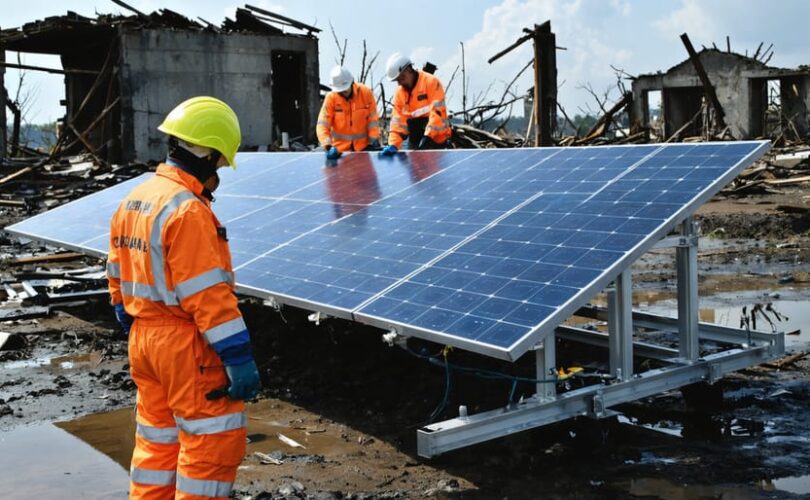
Modern photovoltaic systems have evolved significantly in terms of deployment efficiency, offering unprecedented flexibility and rapid installation capabilities. These advanced systems can be operational within hours rather than days, making them invaluable for emergency response and temporary power needs.
Key innovations in mounting systems have streamlined the installation process, utilizing pre-assembled components and tool-less connections that significantly reduce setup time. Lightweight, modular designs allow for easy transportation and quick assembly by small teams, while maintaining structural integrity and performance standards.
Mobile PV units now feature plug-and-play configurations that enable swift grid connection or standalone operation. These systems often incorporate integrated power electronics and pre-wired components, eliminating complex on-site electrical work. Advanced mounting solutions, including ballasted systems and temporary foundations, minimize site preparation requirements while ensuring stability.
For disaster response applications, containerized solar solutions provide complete power systems that can be deployed via standard shipping containers. These units typically include storage capabilities, power conditioning equipment, and monitoring systems, offering immediate power supply upon arrival.
The development of rapid deployment capabilities has been particularly beneficial for humanitarian missions, temporary installations, and remote operations. Modern systems can achieve operational status within 4-8 hours, depending on scale and site conditions, while maintaining compliance with safety standards and performance requirements. This quick deployment potential has transformed how organizations approach emergency power solutions and temporary energy needs.
Grid-Independent Power Generation
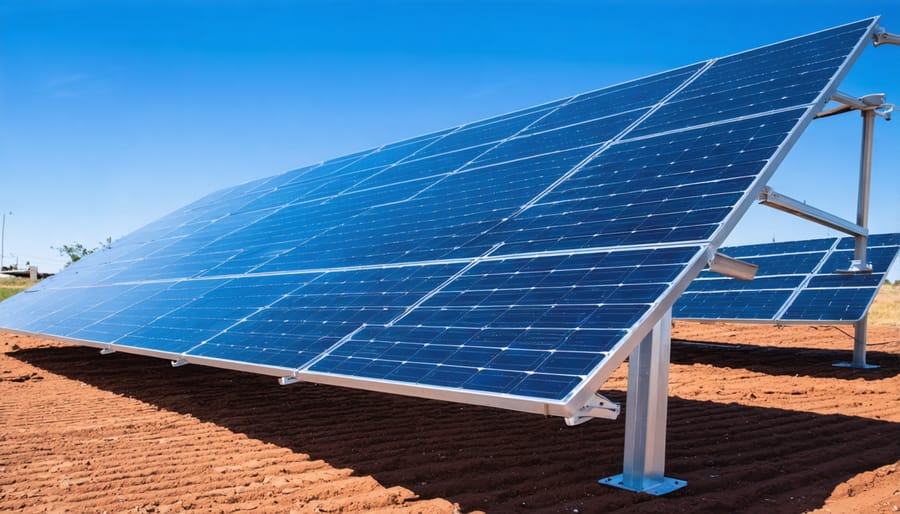
Grid-independent power generation through photovoltaic systems offers crucial benefits in areas where traditional power infrastructure has been compromised due to natural disasters, conflicts, or systemic failures. Implementation of effective off-grid solar system design enables communities to maintain essential services and operations independently of centralized power networks.
These autonomous grid-independent power solutions provide reliable electricity for critical facilities such as hospitals, emergency response centers, and communication networks. The systems incorporate advanced battery storage technology and intelligent power management systems to ensure consistent energy availability during extended grid outages.
Key advantages include rapid deployment capabilities, minimal maintenance requirements, and scalability to meet varying power demands. Modern PV systems can be configured to power everything from individual buildings to entire microgrids, supporting community resilience during infrastructure disruptions.
The implementation of these systems requires careful consideration of local solar resources, load requirements, and environmental conditions. When properly designed, they can provide immediate power restoration capabilities while supporting long-term energy security. This autonomous operation capability makes PV systems particularly valuable in remote locations or areas prone to natural disasters where grid reliability is consistently challenged.
Essential Components for Disaster Relief PV Systems
Ruggedized Solar Panels
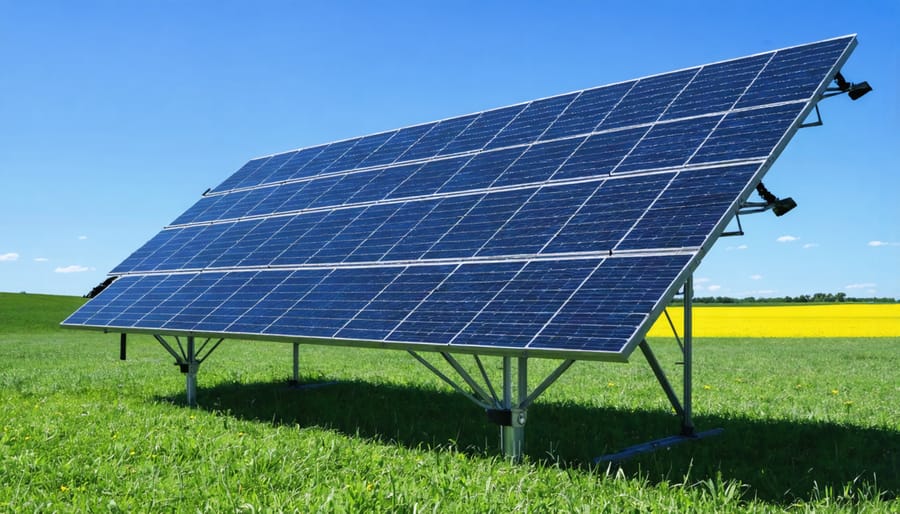
Ruggedized solar panels are specifically engineered to withstand extreme environmental conditions and physical stress, making them essential for disaster response and emergency operations. These specialized PV modules feature reinforced frames, typically constructed from marine-grade aluminum or stainless steel, and impact-resistant tempered glass that can withstand hail, debris, and severe weather conditions.
Key specifications include enhanced mechanical load ratings of up to 5400 Pa for snow loads and 2400 Pa for wind loads, significantly higher than standard panels. The junction boxes are IP68-rated, ensuring complete protection against dust and water immersion. Many ruggedized panels incorporate specialized EVA (Ethylene Vinyl Acetate) encapsulation that prevents delamination under extreme temperature fluctuations.
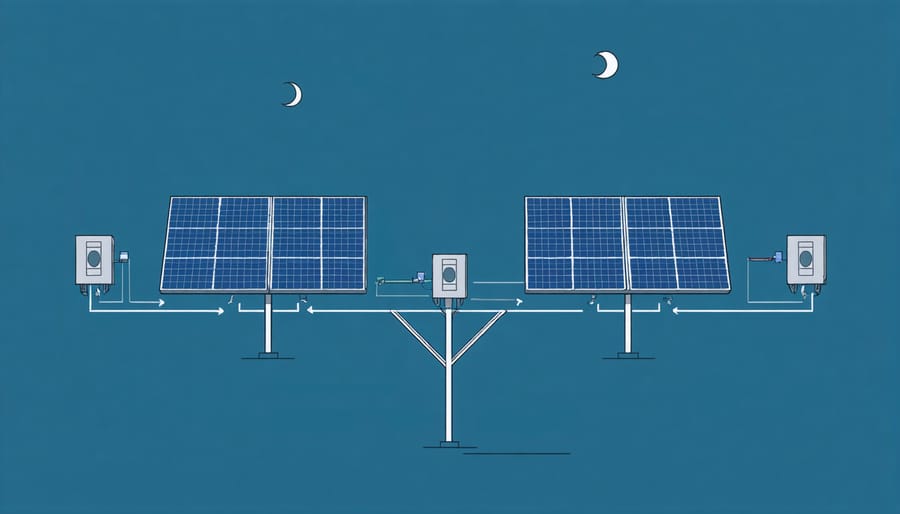
Mounting systems for these panels feature reinforced components and additional structural support points. Common configurations include ballasted ground mounts with wind deflectors and enhanced foundation systems designed to maintain stability in high-wind environments. Some installations utilize dual-axis tracking systems with wind-stow capabilities, automatically adjusting panel orientation during severe weather events.
The panels typically employ monocrystalline or heterojunction cell technology, offering efficiency ratings between 20-23% under standard test conditions. Anti-reflective and self-cleaning coatings help maintain performance in dusty or debris-laden environments. Many models include integrated micro-inverters or power optimizers, reducing the vulnerability of system components while maximizing energy harvest under partial shading conditions.
For emergency deployment, quick-connect mounting systems and pre-configured array combinations enable rapid installation and system commissioning, crucial for disaster response scenarios where time is critical.
Emergency Storage Solutions
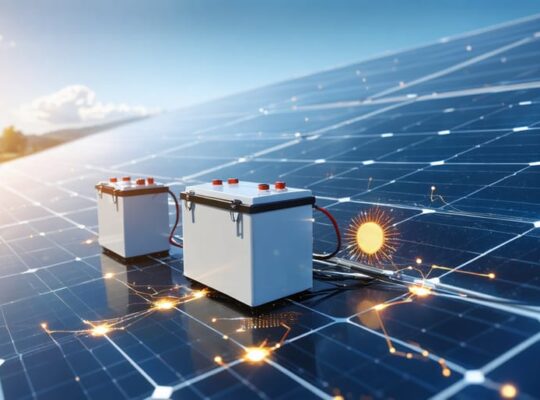
Emergency storage solutions play a crucial role in maintaining photovoltaic system functionality during grid outages or adverse conditions. Battery systems serve as the backbone of reliable emergency power systems, ensuring continuous operation when primary power sources fail.
Modern battery technologies, particularly lithium-ion systems, offer superior energy density and cycle life compared to traditional lead-acid batteries. These systems typically incorporate advanced battery management systems (BMS) that monitor cell voltage, temperature, and state of charge to optimize performance and prevent damage.
Power management strategies are essential for maximizing emergency storage effectiveness. Key components include charge controllers, which regulate battery charging to prevent overcharging and extend battery life, and intelligent inverters that efficiently convert stored DC power to AC power when needed. These systems often feature automated load shedding capabilities to prioritize critical operations during extended outages.
System sizing is crucial for emergency applications. Capacity calculations must account for critical load requirements, desired autonomy period, and environmental factors affecting solar generation. Regular maintenance protocols, including capacity testing and thermal management system checks, ensure storage systems remain ready for deployment.
Integration with existing PV infrastructure requires careful consideration of compatibility and safety standards. Modern emergency storage solutions incorporate rapid switching mechanisms for seamless transition between grid-connected and island mode operations, minimizing disruption to critical processes. This functionality is particularly valuable in facilities where continuous power supply is essential for safety and operational integrity.
Operational Protocols and Best Practices
Site Assessment and Setup
Proper site assessment and setup are crucial elements for successful photovoltaic operations. The process begins with a comprehensive site evaluation, considering factors such as solar irradiance levels, shading analysis, and structural integrity of mounting surfaces. This assessment should include detailed measurements of available space, roof orientation, and potential obstacles that might affect system performance.
Location selection requires careful analysis of multiple variables. The ideal site should have maximum exposure to sunlight throughout the day, minimal shading from surrounding structures or vegetation, and adequate structural support for the PV array. Geographic location and climate conditions must be factored into the planning phase to optimize system efficiency and durability.
The setup phase involves precise equipment positioning and installation procedures. Mounting systems must be properly aligned to maximize solar exposure while maintaining compliance with local building codes and safety regulations. Proper spacing between panels ensures adequate ventilation and accessibility for maintenance operations.
Essential setup considerations include:
– Ground preparation or roof reinforcement
– Installation of appropriate mounting structures
– Establishment of secure cable routing paths
– Implementation of safety systems and access points
– Integration of monitoring equipment
Documentation of site conditions, installation specifications, and system parameters is vital for future reference and maintenance operations. This includes detailed photographs, technical drawings, and performance baseline measurements that will serve as benchmarks for system evaluation.
Maintenance in Challenging Conditions
Maintaining photovoltaic systems in disaster-prone environments requires specialized approaches and robust preventive measures. The key to maximizing PV system reliability lies in implementing comprehensive maintenance protocols adapted to specific environmental challenges.
In areas prone to flooding, elevated mounting structures and waterproof component housing become essential. Regular inspection of seals, connections, and drainage systems helps prevent water damage. For regions experiencing frequent hurricanes or high winds, reinforced mounting systems with additional anchoring points and wind-resistant designs are crucial. Protective measures should include impact-resistant panels and robust frame structures.
In desert environments, dealing with sand accumulation and extreme temperatures requires frequent panel cleaning and enhanced cooling systems. Anti-soiling coatings and automated cleaning mechanisms can significantly reduce maintenance frequency. For areas with heavy snowfall, steep installation angles and specialized snow removal procedures help maintain optimal performance.
Emergency response protocols should include rapid assessment procedures, modular replacement capabilities, and redundant power storage systems. Maintenance teams must be equipped with specialized tools and trained in disaster-specific procedures. Regular monitoring through advanced diagnostic systems enables early detection of potential failures, allowing preventive maintenance before critical situations arise.
Documentation of maintenance procedures, including detailed checklists and emergency response plans, ensures consistent system care even under challenging conditions. This systematic approach helps maintain system efficiency and longevity in high-risk environments.
Safety Protocols
Safety must always be the foremost priority when operating photovoltaic systems, especially during emergency situations. Personnel should wear appropriate Personal Protective Equipment (PPE), including insulated gloves, safety glasses, and non-conductive footwear. Before commencing any work, operators must verify complete system shutdown and implement proper lockout-tagout procedures.
Emergency isolation procedures require identifying and accessing the main DC disconnect switch and AC circuit breakers. Operators should maintain a minimum safe distance from exposed conductors and never work alone on high-voltage systems. Regular voltage testing with calibrated equipment is essential to confirm zero energy state before handling components.
In case of electrical fires, use only Class C fire extinguishers and never water-based solutions. Establish clear communication protocols and emergency response plans, including designated assembly points and emergency contact numbers. All personnel must be trained in basic first aid and electrical safety procedures.
Weather conditions significantly impact safety protocols. Cease operations during lightning storms, heavy rain, or high winds. Maintain proper documentation of all safety incidents and near-misses for continuous improvement of safety measures. Regular safety audits and refresher training sessions ensure compliance with current industry standards and best practices.
Store emergency response equipment in easily accessible locations and conduct monthly inspections of safety gear and emergency shutdown systems. Always follow manufacturer guidelines and local electrical codes when performing maintenance or emergency operations.
Real-World Implementation Cases
Natural Disaster Response
Natural disasters pose significant challenges to power infrastructure, but photovoltaic systems have demonstrated remarkable resilience and utility in disaster response scenarios. Two notable case studies illustrate the critical role of PV systems in post-disaster recovery efforts.
In 2017, Hurricane Maria devastated Puerto Rico’s electrical grid, leaving millions without power. Solar microgrids proved instrumental in restoring essential services. The ‘Solar Save’ initiative deployed rapid-response PV systems to power critical facilities, including hospitals and emergency response centers. These systems, equipped with battery storage, provided reliable electricity when traditional power sources failed. Within three months, over 100 emergency solar installations helped restore basic services to affected communities.
The 2011 Great East Japan Earthquake and subsequent tsunami severely damaged nuclear power facilities, creating an urgent need for alternative energy sources. PV systems emerged as a crucial solution, with temporary solar installations providing power to evacuation centers and medical facilities. The Sendai Microgrid Project, incorporating both fixed and portable PV arrays, became a model for disaster-resilient power infrastructure.
These experiences have led to important operational considerations for PV systems in disaster-prone regions:
– Reinforced mounting systems designed to withstand extreme weather conditions
– Rapid deployment protocols for emergency solar installations
– Integration of energy storage systems for continuous power supply
– Regular maintenance and testing of backup systems
– Training programs for emergency response teams in PV system operation
The success of these implementations has influenced disaster preparedness strategies worldwide, with many regions now incorporating PV systems into their emergency response protocols. These case studies demonstrate that well-maintained and properly designed PV systems can provide crucial power reliability during natural disasters.
Humanitarian Aid Operations
Photovoltaic systems play a crucial role in humanitarian aid operations, providing reliable power solutions in areas affected by natural disasters, conflicts, or infrastructure challenges. Refugee camps worldwide have increasingly adopted PV installations to meet essential energy needs, ensuring access to lighting, communication systems, and basic amenities.
A notable example is the Zaatari refugee camp in Jordan, where a 12.9-megawatt solar plant powers thousands of shelters, community centers, and essential services. This installation has significantly reduced energy costs while providing sustainable power to over 80,000 Syrian refugees. The system’s modular design allows for quick deployment and scalability, making it an ideal solution for long-term humanitarian operations.
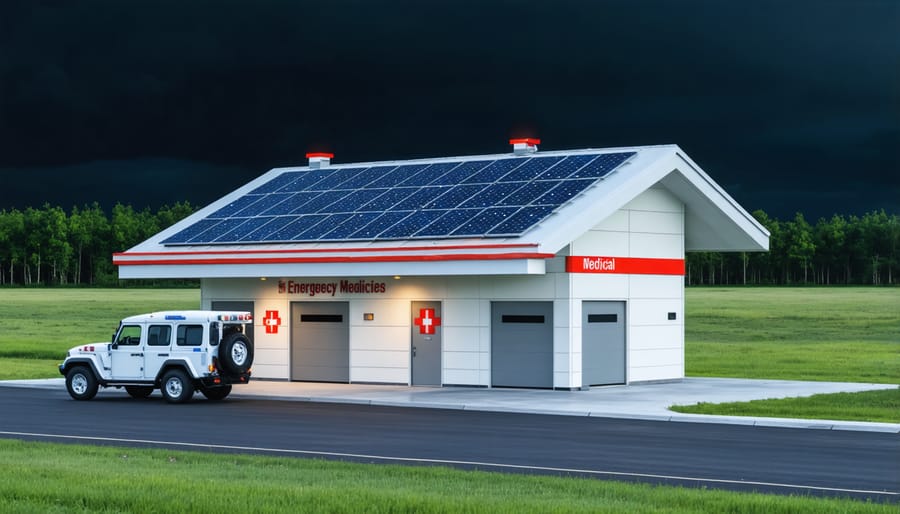
Solar-powered emergency healthcare facilities demonstrate another vital application of PV technology in crisis response. These facilities utilize specially designed solar arrays with battery storage systems to maintain consistent power for medical equipment, refrigeration units for vaccines, and emergency lighting systems.
The United Nations High Commissioner for Refugees (UNHCR) has implemented PV solutions in numerous camps across Africa and Asia, establishing best practices for deployment in emergency situations. These installations typically incorporate rapid-assembly mounting systems, robust charge controllers, and simplified maintenance protocols to ensure reliable operation under challenging conditions.
Success metrics from these implementations show that PV systems can reduce operational costs by up to 70% compared to diesel generators while providing more reliable power access. This has led to improved living conditions, enhanced security measures, and better delivery of essential services in humanitarian aid operations worldwide.
Photovoltaic systems have proven to be invaluable assets in disaster relief operations, offering reliable power solutions when conventional infrastructure fails. The ability to rapidly deploy solar power systems has transformed emergency response capabilities, providing essential electricity for medical facilities, communication networks, and basic humanitarian needs. As climate change continues to increase the frequency and severity of natural disasters, the role of PV systems in emergency preparedness and response will become increasingly critical.
The future outlook for PV deployment in disaster relief is promising, with ongoing technological advances enhancing system efficiency, portability, and durability. Innovations in energy storage solutions and smart grid integration are making solar power more reliable and adaptable to crisis situations. The development of lightweight, flexible solar panels and plug-and-play systems has significantly improved deployment speed and ease of installation in challenging environments.
Industry collaboration between PV manufacturers, emergency response organizations, and research institutions continues to drive improvements in system design and implementation strategies. These partnerships are essential for developing standardized protocols and best practices for PV deployment in disaster scenarios. Additionally, increased investment in training programs and capacity building ensures that emergency responders are well-equipped to implement and maintain solar power solutions effectively.
As we look ahead, the integration of PV systems into comprehensive disaster preparedness plans will become standard practice for communities worldwide. The combination of declining solar technology costs, improved energy storage capabilities, and growing expertise in rapid deployment makes PV systems an increasingly attractive option for resilient power infrastructure. This evolution in emergency power solutions represents a significant step forward in building more sustainable and resilient communities capable of responding effectively to natural disasters and other crisis situations.