Solar energy management systems represent a crucial intersection of renewable technology and smart infrastructure, revolutionizing how we harness, distribute, and optimize solar power generation. As organizations increasingly prioritize sustainable energy solutions, these sophisticated systems have become instrumental in maximizing the lifecycle of solar panels and overall system efficiency.
Modern solar energy management platforms integrate advanced monitoring capabilities, predictive analytics, and automated control mechanisms to deliver unprecedented operational visibility and performance optimization. By leveraging real-time data analysis, these systems enable precise power flow management, enhanced grid stability, and optimized energy storage utilization – critical factors in achieving maximum return on renewable energy investments.
For facility managers, energy professionals, and sustainability stakeholders, implementing a robust solar energy management system represents not just an operational necessity but a strategic advantage in the evolving energy landscape. These systems provide essential tools for monitoring performance metrics, maintaining equipment health, and ensuring regulatory compliance while maximizing energy yield and financial returns.
Components of Solar Energy Management Systems for End-of-Life PV
Tracking and Monitoring Systems
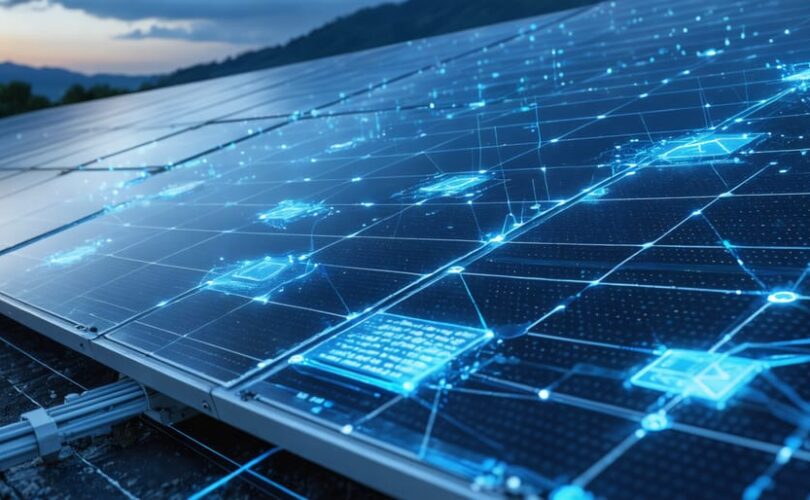
Modern tracking and monitoring systems play a crucial role in maximizing solar energy management efficiency by providing real-time insights into PV panel performance and lifecycle status. These digital platforms utilize advanced sensors and data analytics to monitor key performance indicators, including power output, conversion efficiency, and degradation rates.
Sophisticated monitoring software enables operators to track individual panel performance through detailed metrics such as voltage, current, and temperature variations. This granular data collection helps identify underperforming panels and predict potential failures before they occur, allowing for proactive maintenance scheduling.
Performance degradation tracking is particularly vital for long-term asset management. These systems employ machine learning algorithms to analyze historical performance data, environmental conditions, and maintenance records to create accurate degradation models. This enables facility managers to optimize replacement schedules and maintain optimal system efficiency throughout the installation’s lifetime.
Advanced monitoring platforms also integrate weather forecasting data and solar irradiance measurements to provide accurate production forecasts and performance ratio calculations. This comprehensive approach to tracking ensures that solar energy systems maintain peak efficiency while maximizing their operational lifespan.
Data Collection and Analysis Framework
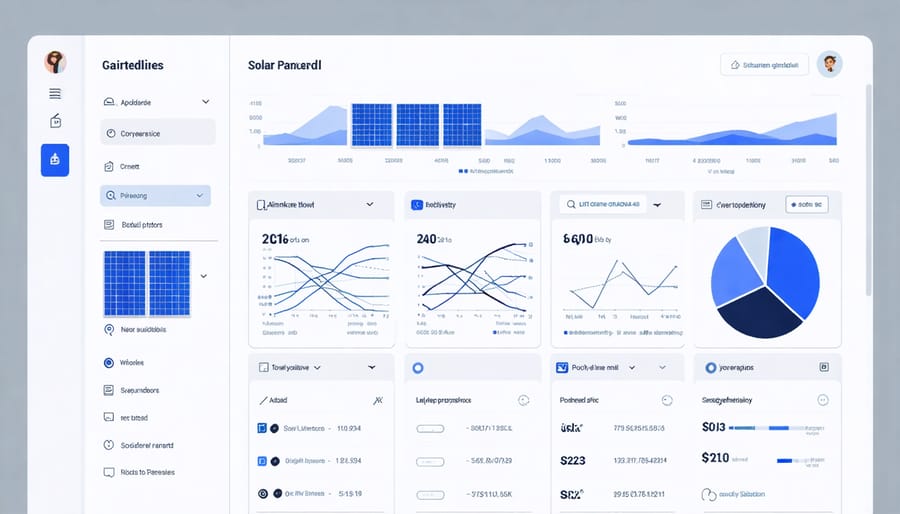
The data collection and analysis framework in solar energy management systems employs sophisticated monitoring technologies and analytical tools to optimize system performance. Real-time sensors collect crucial metrics including power output, voltage levels, temperature variations, and environmental conditions. This comprehensive data gathering enables accurate performance degradation analysis and predictive maintenance scheduling.
Advanced monitoring systems utilize automated data logging equipment that records performance metrics at predetermined intervals, typically ranging from seconds to hours. These systems integrate with cloud-based platforms for seamless data storage and processing. Machine learning algorithms analyze historical performance data to identify patterns, predict potential failures, and optimize energy generation efficiency.
The framework incorporates multiple data sources, including weather forecasting systems, grid demand patterns, and panel-specific performance indicators. This multi-dimensional approach enables system operators to make informed decisions about maintenance schedules, replacement timing, and performance optimization strategies, ultimately maximizing the return on investment while maintaining optimal system efficiency throughout the installation’s lifecycle.
Implementation Strategies
Assessment and Planning
The assessment and planning phase is crucial for successful implementation of a solar energy management system. Begin with a comprehensive site evaluation, including analysis of current energy consumption patterns, peak usage times, and seasonal variations. This assessment should incorporate detailed solar resource mapping to determine optimal panel placement and potential energy yield.
Conduct a thorough infrastructure audit to evaluate existing electrical systems, available roof or ground space, and structural integrity of installation sites. Document current energy costs and projected future needs to establish baseline metrics for system sizing and return on investment calculations.
Create a detailed implementation roadmap that includes:
– System specifications and component requirements
– Integration points with existing power infrastructure
– Data monitoring and control system requirements
– Safety and compliance considerations
– Budget allocation and financing options
– Timeline for installation and commissioning
Consider potential challenges such as shading issues, weather patterns, and local regulations. Engage key stakeholders early in the planning process to ensure alignment with organizational goals and technical requirements. Develop contingency plans for system maintenance and potential expansions.
Establish clear performance metrics and monitoring protocols to evaluate system effectiveness post-implementation. Include provisions for regular system optimization and updates to maximize energy production and management efficiency. This comprehensive planning approach ensures optimal system design and successful long-term operation.
Integration with Existing Infrastructure
The integration of solar energy management systems into existing infrastructure requires careful planning and systematic implementation. Organizations must first conduct a comprehensive audit of their current electrical systems, monitoring capabilities, and control mechanisms to identify integration points and potential challenges.
A successful integration typically begins with the installation of smart meters and sensors at key junction points within the existing power distribution network. These devices enable real-time data collection and system monitoring while maintaining compatibility with legacy equipment. The management system’s communication protocols must align with existing building management systems (BMS) and energy monitoring platforms.
Modern solar energy management systems utilize standardized protocols such as Modbus, BACnet, or REST APIs to facilitate seamless data exchange between new and existing components. This interoperability ensures that historical operational data remains accessible while new monitoring and control capabilities are added to the infrastructure.
The physical integration often requires the installation of gateway devices that bridge the communication gap between older equipment and new management systems. Organizations should implement appropriate cybersecurity measures during this process to protect both new and existing system components from potential vulnerabilities.
For optimal results, integration should be performed in phases, allowing for thorough testing and validation at each stage. This approach minimizes disruption to ongoing operations and enables proper staff training on new system features while maintaining continuous power management capabilities.
Best Practices for Sustainable Decommissioning
Material Recovery Processes
Material recovery from end-of-life solar panels has become increasingly sophisticated through advanced panel recycling innovations. The process typically begins with mechanical separation, where panels are dismantled to isolate different components. Thermal treatment follows, facilitating the removal of the ethylene vinyl acetate (EVA) encapsulant, which allows access to the valuable materials beneath.
Chemical processing methods then extract precious metals and semiconductor materials, including silver, copper, and high-purity silicon. Advanced techniques such as electrolysis and selective precipitation enable the recovery of up to 95% of semiconductor materials and 90% of glass content. Additionally, innovative processes can salvage rare earth elements used in specialized solar cells.
Modern facilities employ automated systems with optical sorting technology to separate different types of materials efficiently. Hydrometallurgical processes are utilized to recover metals through leaching and precipitation, while pyrometallurgical methods handle materials requiring high-temperature treatment.
The recovered materials maintain sufficient quality for reuse in new solar panel manufacturing or other industrial applications, supporting circular economy principles and reducing the environmental impact of solar technology deployment.
Environmental Compliance
Solar energy management systems must comply with various environmental regulations and standards to ensure sustainable operation and minimal ecological impact. These systems are subject to local, national, and international environmental guidelines, including those set by the Environmental Protection Agency (EPA) and similar regulatory bodies worldwide.
Key compliance areas include proper handling of electronic waste, recycling protocols for solar panels, and adherence to hazardous material disposal regulations. Management systems must incorporate monitoring capabilities to track emissions reduction, energy efficiency metrics, and environmental impact assessments throughout the solar installation’s lifecycle.
Organizations must maintain detailed documentation of their environmental compliance efforts, including regular audits, performance reports, and certification renewals. This documentation helps demonstrate adherence to ISO 14001 environmental management standards and other relevant certifications.
Modern solar energy management systems often include automated compliance tracking features that help organizations stay current with changing regulations. These features typically monitor performance parameters, generate compliance reports, and issue alerts when systems approach regulatory thresholds.
Regular staff training on environmental compliance procedures and updates to management protocols ensure continued adherence to evolving standards while maintaining optimal system performance and environmental protection.
Economic Benefits and ROI
Cost Savings Through Efficient Management
Implementing a comprehensive solar energy management system can lead to substantial cost reductions through multiple optimization channels. By monitoring and analyzing performance data in real-time, facilities can identify efficiency losses early, reducing maintenance costs by up to 25%. The system’s predictive maintenance capabilities help prevent costly equipment failures and extend the operational lifespan of solar installations.
Resource optimization through automated management results in improved energy yield, typically showing a 15-20% increase in overall system efficiency. Smart load balancing and storage management features enable facilities to maximize self-consumption rates while minimizing grid dependency, leading to reduced utility costs. Additionally, these systems contribute to maximizing end-of-life value through detailed component tracking and lifecycle management.
The financial benefits extend beyond direct energy savings. Advanced monitoring systems reduce labor costs by automating routine tasks and enabling remote diagnostics. Organizations typically report a return on investment within 2-3 years, with ongoing savings in operational expenses averaging 30% compared to manually managed systems. These efficiency gains, combined with reduced maintenance requirements, make solar energy management systems a crucial component for sustainable long-term operations.
Revenue Generation Opportunities
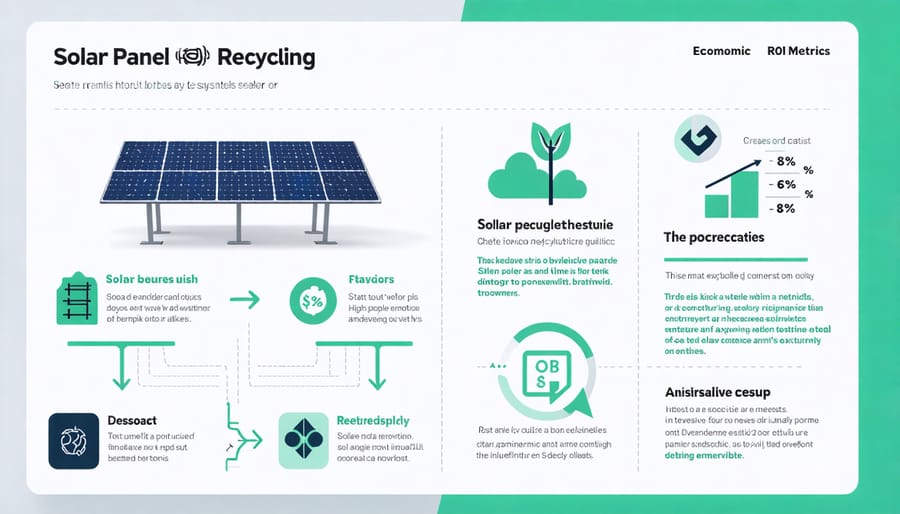
Solar energy management systems present multiple revenue generation opportunities through the strategic handling of recycled materials. The recovery of valuable components such as silver, aluminum, copper, and silicon from decommissioned solar panels can create significant financial returns. Current market analysis indicates that recycled silicon wafers can command 50-70% of the original material cost, while recovered silver and copper contribute substantially to the revenue stream.
Professional recycling facilities can establish partnerships with manufacturers to create closed-loop supply chains, where recovered materials directly feed back into new panel production. This approach not only generates income but also reduces raw material costs for manufacturers. Additionally, specialized recycling services can offer consulting and material analysis services to solar farm operators planning end-of-life management strategies.
The emerging carbon credit market presents another revenue opportunity, as proper recycling and material recovery contribute to reduced carbon footprints. Facilities can monetize these environmental benefits through carbon offset programs and environmental certificates. Furthermore, research collaborations with academic institutions can lead to innovative recycling technologies, potentially creating new revenue streams through patent licensing and technology transfer agreements.
Solar energy management systems have emerged as crucial components in maximizing the efficiency and reliability of photovoltaic installations. Through advanced monitoring, optimization, and control capabilities, these systems enable better energy harvesting, storage management, and grid integration. The integration of smart technologies and IoT functionality has revolutionized how solar energy systems operate, providing unprecedented levels of automation and performance optimization.
Looking ahead, the future of solar energy management systems appears promising, with continued technological advancement expected in artificial intelligence, machine learning, and predictive analytics. These innovations will further enhance system efficiency, reduce maintenance costs, and improve grid stability. The growing emphasis on renewable energy adoption and grid modernization will likely accelerate the development of more sophisticated management solutions.
As the industry evolves, we can anticipate increased focus on cybersecurity measures, improved energy storage integration, and enhanced grid communication protocols. The convergence of solar energy management systems with other smart grid technologies will play a vital role in creating more resilient and sustainable energy networks, ultimately contributing to the global transition toward renewable energy sources.