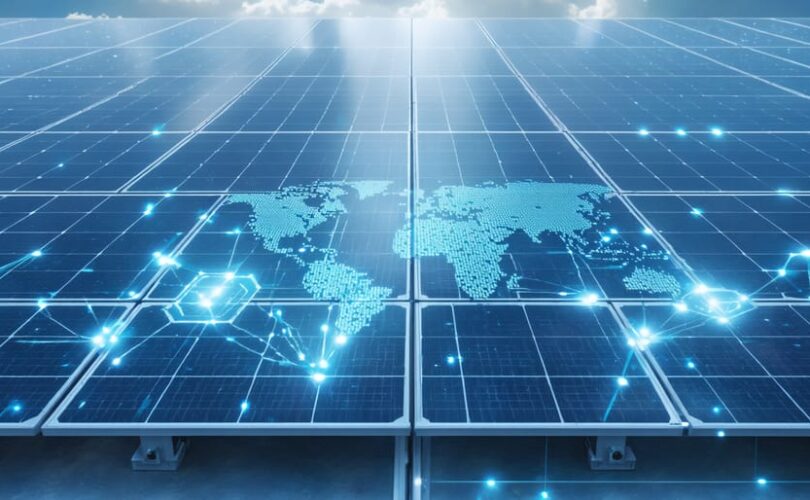
Integrated solar applications revolutionize modern power infrastructure by seamlessly combining grid-connected photovoltaic systems with intelligent energy management technologies. These sophisticated integrations transform conventional power networks into dynamic, bi-directional platforms capable of optimizing energy distribution, storage, and consumption in real-time. By incorporating advanced monitoring systems, predictive analytics, and automated load management, integrated solar solutions deliver unprecedented control over energy resources while maintaining grid stability and reliability.
The convergence of solar technology with smart grid infrastructure represents a fundamental shift in how we conceptualize and implement renewable energy systems. From building-integrated photovoltaics (BIPV) that serve dual purposes as both construction materials and power generators, to advanced energy storage systems that enable smooth grid integration, these applications are driving the transition toward a more sustainable and resilient energy future. Their implementation not only enhances grid efficiency and reliability but also provides a foundation for developing more sophisticated distributed energy resources (DER) networks.
Understanding Smart Grid Integration
Core Components of Smart Grid Systems
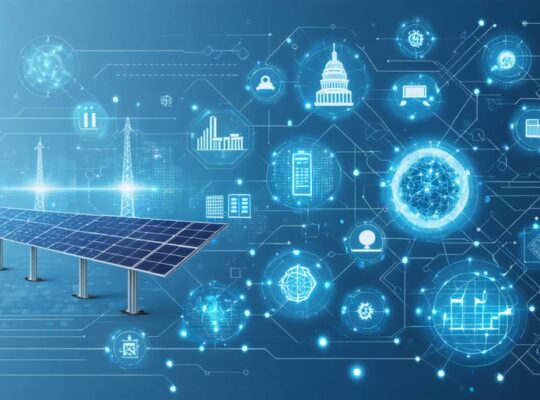
Smart grid systems integrate several critical components that work together to create an intelligent power distribution network. The Advanced Metering Infrastructure (AMI) serves as the foundation, enabling two-way communication between utilities and consumers through smart meters. These devices provide real-time energy consumption data and facilitate dynamic pricing strategies.
Distribution Automation (DA) systems enhance grid reliability through automated switching, fault detection, and self-healing capabilities. Supervisory Control and Data Acquisition (SCADA) systems monitor and control grid operations, while Energy Management Systems (EMS) optimize power flow and maintain system stability.
Communication networks form the backbone of smart grids, utilizing both wireless and wired technologies to ensure seamless data exchange. Advanced sensors and measurement devices throughout the network provide crucial information about grid conditions, enabling predictive maintenance and rapid response to disruptions.
Energy storage systems, including batteries and thermal storage, play a vital role in managing intermittent renewable energy sources. Power electronics interfaces facilitate the integration of distributed energy resources, while cybersecurity measures protect the entire infrastructure from digital threats.
Together, these components create a resilient, efficient, and responsive power distribution system capable of accommodating increasing renewable energy integration while maintaining grid stability.
Communication Protocols and Standards
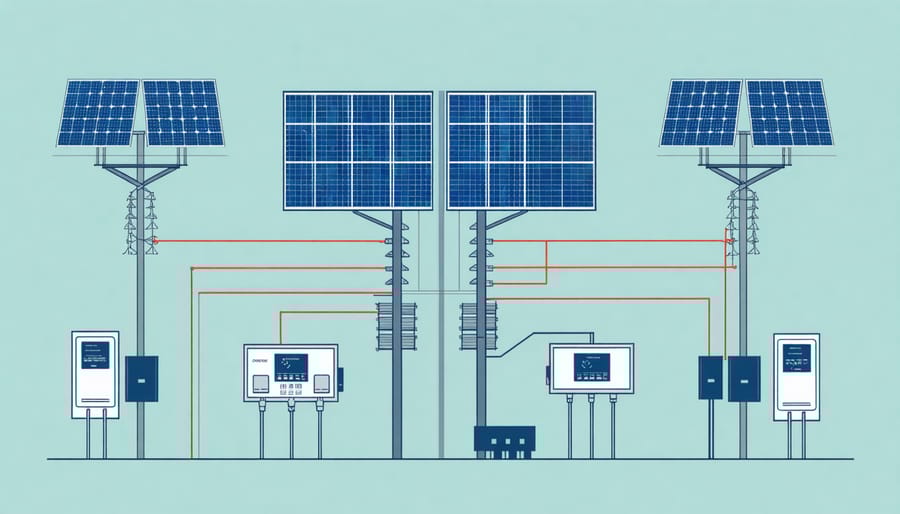
Communication protocols play a vital role in enabling seamless integration of solar PV systems with smart grids and building management systems. The most widely adopted standard is Modbus, which facilitates data exchange between solar inverters and monitoring systems. This protocol’s simplicity and reliability make it a preferred choice for basic solar installations.
For more sophisticated applications, SunSpec Alliance protocols have emerged as the industry standard, providing plug-and-play interoperability between solar equipment from different manufacturers. These protocols ensure consistent communication of critical parameters such as power output, voltage levels, and system status.
IEC 61850, originally developed for substation automation, has been extended to support solar integration through its IEC 61850-7-420 specification. This standard enables advanced grid management features and seamless integration with utility systems.
Modern solar installations increasingly utilize IoT-based protocols like MQTT and REST APIs, allowing for cloud connectivity and remote monitoring capabilities. These protocols support real-time data analytics and predictive maintenance while ensuring cybersecurity through encryption and authentication mechanisms.
The emergence of these standardized communication protocols has significantly improved the reliability and efficiency of integrated solar applications, fostering wider adoption of solar technology in smart energy systems.
Advanced Integration Technologies
Inverter Technologies
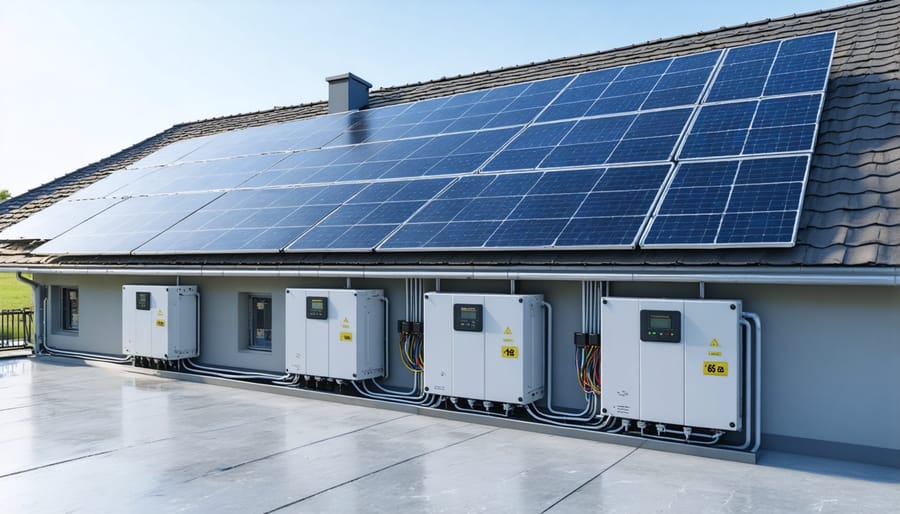
Modern solar installations rely heavily on advanced smart inverters to maintain grid stability and optimize energy conversion efficiency. These sophisticated devices transform direct current (DC) from solar panels into grid-compatible alternating current (AC) while providing essential grid support functions.
Unlike traditional inverters, modern inverter technologies incorporate advanced features such as voltage ride-through capabilities, reactive power support, and real-time communication with grid operators. These capabilities enable solar installations to actively participate in grid stabilization, helping maintain power quality and system reliability.
Key technological advancements include maximum power point tracking (MPPT), which continuously adjusts operating parameters to extract optimal power from solar arrays under varying conditions. Additionally, multi-level inverter architectures improve conversion efficiency while reducing harmonic distortion, contributing to better power quality.
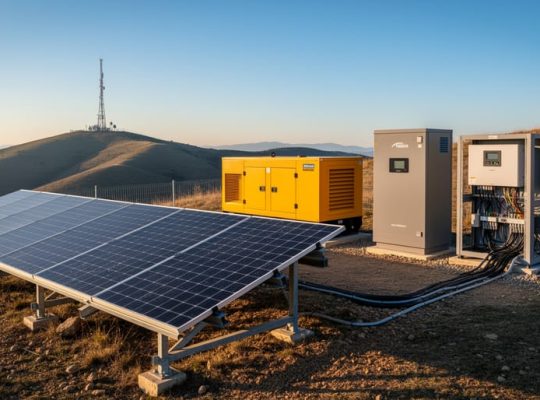
Grid-forming inverters represent the latest evolution in this technology, capable of establishing voltage and frequency references in standalone operations. This functionality is particularly crucial for microgrids and hybrid systems where solar power must seamlessly integrate with other energy sources.
The integration of artificial intelligence and machine learning algorithms enables predictive maintenance and adaptive control strategies, further enhancing system performance and reliability. These innovations are fundamental to achieving higher penetration levels of solar energy in modern power grids while maintaining stability and power quality standards.
Energy Storage Solutions
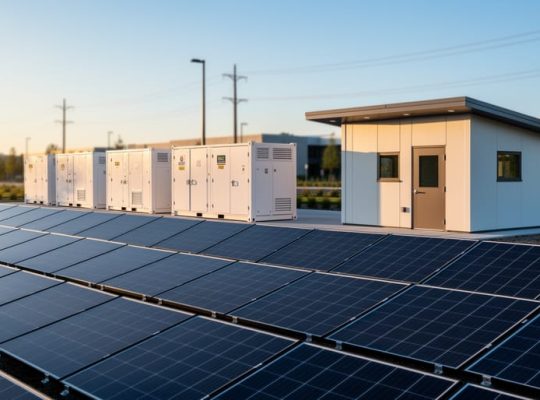
Energy storage solutions play a crucial role in maximizing the effectiveness of integrated solar photovoltaic systems by addressing the intermittent nature of solar power generation. Battery systems, particularly lithium-ion technologies, have emerged as the predominant storage solution due to their high energy density, declining costs, and proven reliability.
Modern battery management systems (BMS) optimize the integration between solar arrays and storage units, monitoring crucial parameters such as state of charge, temperature, and voltage levels. These systems employ sophisticated algorithms to balance charging cycles and extend battery life while ensuring optimal power distribution.
The integration of battery storage with solar PV systems enables several key functionalities:
– Peak shaving capabilities that reduce demand charges
– Time-shifting of solar energy for use during non-generating hours
– Grid stability support through frequency regulation
– Backup power during grid outages
– Enhanced self-consumption of generated solar power
Recent technological advances have introduced modular battery solutions that allow for scalable storage capacity based on specific site requirements. These systems can be configured in parallel to accommodate growing energy demands, providing flexibility for future expansion.
When designing integrated storage solutions, factors such as depth of discharge, cycle life, and ambient temperature conditions must be carefully considered to ensure optimal system performance and longevity. Professional system designers typically conduct detailed load analysis and simulation studies to determine the most cost-effective storage capacity for each installation.
Real-Time Monitoring and Control
Data Analytics and Management
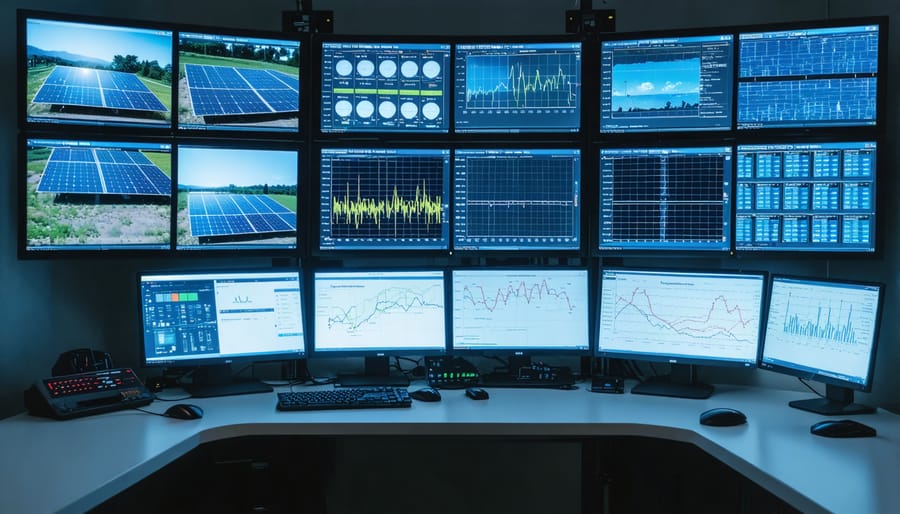
Modern integrated solar applications rely heavily on sophisticated data analytics and management systems to optimize performance and enhance operational efficiency. These systems employ advanced sensors and real-time monitoring systems to collect crucial operational data, including power output, environmental conditions, and system health metrics.
The collected data undergoes comprehensive analysis through machine learning algorithms and predictive analytics tools, enabling system operators to anticipate maintenance needs, optimize energy production, and identify potential issues before they impact performance. This proactive approach significantly reduces downtime and maximizes system reliability.
Cloud-based platforms integrate seamlessly with these monitoring systems, providing secure data storage and enabling remote access to system performance metrics. Stakeholders can access detailed analytics dashboards that display key performance indicators, historical trends, and predictive insights, facilitating informed decision-making and strategic planning.
Advanced data management systems also enable smart grid integration, allowing solar installations to respond dynamically to grid demands and optimize energy distribution. These systems can automatically adjust power output, storage utilization, and load management based on real-time grid conditions and energy pricing signals, maximizing both system efficiency and economic benefits.
Grid Stability Management
Maintaining stability in power distribution networks with integrated solar systems requires sophisticated grid stability management solutions. The variable nature of solar generation presents unique challenges that must be addressed through a combination of advanced technologies and control strategies.
Modern grid integration systems employ real-time monitoring and automated response mechanisms to balance supply and demand. These systems utilize smart inverters that can adjust power output parameters within milliseconds, helping maintain voltage and frequency stability. Energy storage solutions, particularly battery systems, play a crucial role by providing backup power during periods of low solar generation and absorbing excess energy during peak production.
Grid operators implement advanced forecasting tools that predict solar power generation based on weather patterns and historical data. This predictive capability enables proactive adjustment of conventional power sources to complement solar input. Additionally, demand response programs help manage load distribution by incentivizing consumers to adjust their energy consumption patterns according to grid conditions.
Protection systems and power quality monitoring equipment ensure that solar installations meet strict grid codes and maintain power quality standards. These measures include anti-islanding protection, harmonic filtering, and reactive power compensation to support overall grid stability.
Future Developments and Challenges
Emerging Technologies
The landscape of integrated solar applications continues to evolve with breakthrough technologies reshaping the industry. Perovskite solar cells represent one of the most promising developments, offering potential efficiency improvements of up to 31% when combined with traditional silicon cells in tandem configurations. These next-generation cells feature lower production costs and improved performance under diffuse light conditions.
Building-integrated photovoltaics (BIPV) are advancing through the development of transparent solar cells, which can transform windows into power-generating surfaces while maintaining visibility. This technology utilizes selective light absorption, allowing visible light to pass through while capturing ultraviolet and infrared radiation for energy production.
Floating solar arrays, or floatovoltaics, are gaining traction as an innovative solution for space-constrained regions. These systems offer additional benefits, including reduced water evaporation and improved panel efficiency due to the cooling effect of water. Recent developments in floating solar technology have focused on wave-resistant designs and enhanced anchoring systems for offshore applications.
Smart solar tracking systems incorporating artificial intelligence are revolutionizing energy yield optimization. These systems use machine learning algorithms to predict weather patterns and adjust panel orientation accordingly, potentially increasing energy production by up to 25% compared to fixed installations.
The integration of solar storage solutions is advancing through solid-state battery technology and flow battery systems, offering longer lifespans and improved safety profiles compared to traditional lithium-ion batteries.
Implementation Challenges
The implementation of integrated solar applications faces several significant technical and regulatory challenges that require careful consideration. Grid stability remains a primary concern, as the intermittent nature of solar power can create voltage fluctuations and power quality issues. System operators must carefully balance supply and demand while maintaining frequency control, particularly in areas with high solar penetration.
Technical integration challenges include the need for advanced inverter technologies, sophisticated monitoring systems, and reliable energy storage solutions. The complexity of combining multiple renewable sources with existing infrastructure demands substantial engineering expertise and robust control systems. Additionally, outdated grid infrastructure in many regions requires significant upgrades to accommodate bidirectional power flow and smart grid capabilities.
Regulatory frameworks often lag behind technological advancements, creating barriers to widespread adoption. Interconnection standards, permitting processes, and utility requirements vary significantly across jurisdictions, complicating project development and increasing costs. Building codes and zoning regulations may also restrict solar integration, particularly in urban environments or historic districts.
Cost remains a substantial hurdle, despite declining solar panel prices. The initial investment for integrated systems, including smart controls and energy storage, can be prohibitive. Furthermore, skilled workforce shortages in the renewable energy sector can impact installation quality and maintenance capabilities, potentially affecting system performance and reliability.
Integrated solar applications represent a cornerstone of modern smart grid development, demonstrating remarkable progress in efficiency, reliability, and grid stability. The convergence of advanced photovoltaic technologies with intelligent power management systems has established new benchmarks for renewable energy integration. As we’ve explored, these applications extend beyond simple power generation to encompass comprehensive energy management solutions, including storage systems, demand response mechanisms, and grid stability services.
Looking ahead, the trajectory for integrated solar applications appears particularly promising. Emerging technologies in artificial intelligence and machine learning are set to enhance prediction capabilities and system optimization. The continued decrease in solar hardware costs, coupled with improvements in energy storage solutions, will likely accelerate adoption across both residential and commercial sectors.
The success of future implementations will depend heavily on collaborative efforts between utilities, technology providers, and regulatory bodies. As grid modernization efforts continue worldwide, integrated solar applications will play an increasingly vital role in achieving renewable energy targets and ensuring grid resilience. This evolution represents not just a technological advancement, but a fundamental shift toward more sustainable and intelligent power distribution systems.