Evaluate solar energy’s potential by analyzing its resource availability and environmental benefits. Assess solar panel production’s impact on reducing carbon emissions and promoting sustainable practices. Investigate economic factors, such as long-term cost savings and job creation in the green energy sector. Address future challenges by exploring advancements in photovoltaic technology and collaborative educational efforts with universities and industries.
Understanding Solar Energy Sustainability
Resource Availability
Solar energy is one of the most abundant resources available on Earth, offering an unparalleled potential to meet global energy demands sustainably. Every hour, enough sunlight reaches the planet to power the world’s electricity needs for an entire year, highlighting the immense capability of solar power. This resource’s abundance is not limited by geographical boundaries, making it accessible to virtually all regions, from deserts basking in sunlight to urban rooftops through photovoltaic (PV) systems. As aspiring photovoltaic professionals and academic researchers explore the solar sector, they witness an untapped potential that, if harnessed effectively, could provide a sustainable energy solution far exceeding the capacity of finite fossil fuels. Educational programs and collaborations with universities are pivotal in enhancing understanding and fostering innovation in solar technology, ensuring that this plentiful energy source is optimized. In a world increasingly aware of environmental impacts, the sustainable exploitation of solar energy presents a viable path towards a cleaner, more renewable future.
Environmental Impact
Solar energy is widely regarded as a crucial player in sustainable energy solutions thanks to its substantial environmental benefits. Photovoltaic systems generate electricity without emitting greenhouse gases during operation, significantly reducing their carbon footprint compared to fossil fuels. This clean energy source relies on abundant sunlight, a renewable resource that offers a sustainable alternative to finite resources like coal and oil. However, it is essential to consider the broader environmental impact, including the “environmental costs” associated with solar panel manufacturing. Producing solar panels involves energy-intensive processes and the use of raw materials like silicon, which can lead to pollution if not managed correctly. Nonetheless, advancements in manufacturing technologies and recycling programs are mitigating these impacts, making solar energy increasingly sustainable. As collaborations with universities and educational programs grow, they facilitate the development of improved photovoltaic technologies and offer aspiring professionals opportunities to contribute to ongoing innovations, thereby enhancing the overall lifecycle sustainability of solar energy.
Technological Advancements
Recent advancements in photovoltaic (PV) technology have significantly bolstered the efficiency and sustainability of solar energy systems. Notably, the development of monocrystalline and multi-crystalline modules has revolutionized the solar industry, offering improved energy conversion rates. To understand the differences and benefits of these technologies, exploring the monocrystalline vs polycrystalline debate is essential. Additionally, enhanced manufacturing processes now result in reduced waste and energy consumption during production. Collaborative research with universities is fostering innovation, while educational programs equip professionals with the latest industry knowledge, ensuring that solar remains a leading sustainable energy source.
The Economic Viability of Solar Energy
Cost Trends in Solar Technology
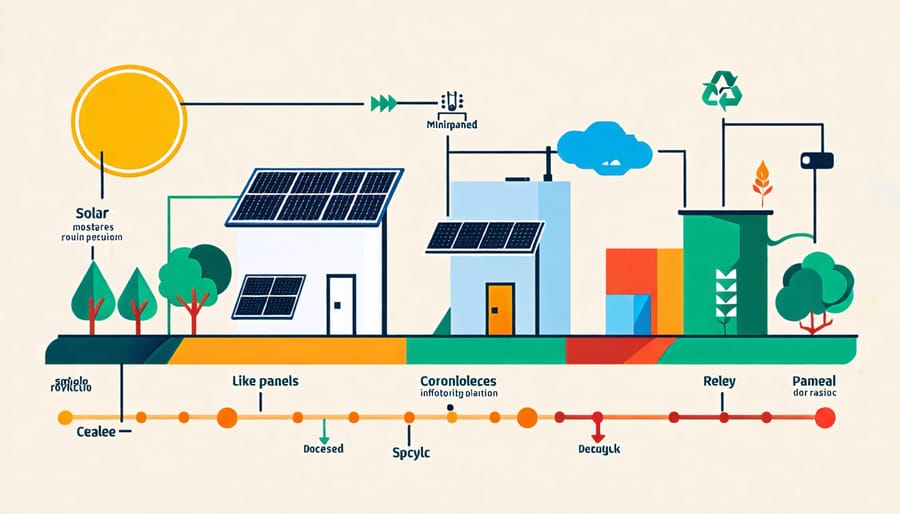
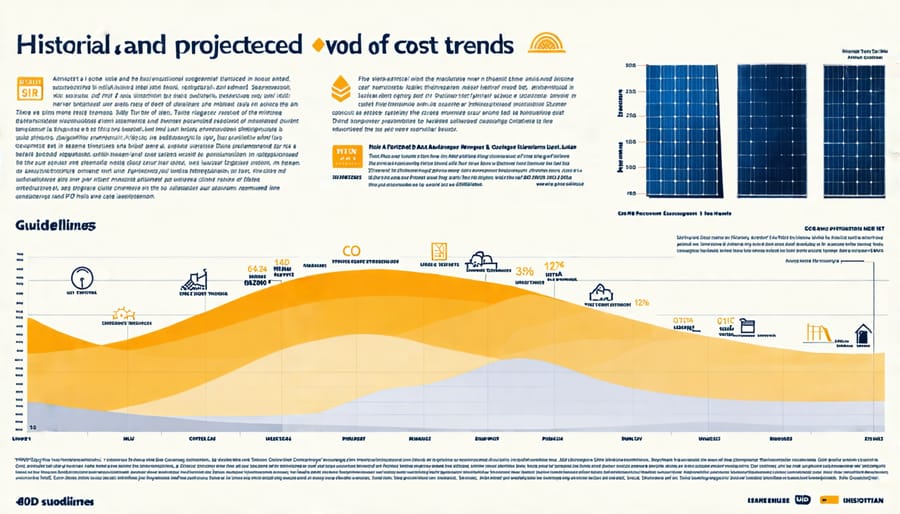
Over the past decade, the cost of solar photovoltaic (PV) systems has seen a significant decline, mainly driven by advancements in technology, increased manufacturing efficiencies, and economies of scale. According to the International Renewable Energy Agency, the cost of electricity from solar PV fell by 82% between 2010 and 2019. This trend is set to continue as further innovations and research, often in collaboration with universities, are enhancing efficiency and reducing material costs. The implications of these cost trends for sustainability are profound. More affordable solar technology broadens access, accelerates the transition to renewable energy, and reduces reliance on fossil fuels, contributing to a lower carbon footprint. Notably, the decreasing costs also support the development of educational programs aimed at training a new generation of photovoltaic professionals. By making solar energy more economically viable, these trends bolster its role as a linchpin in sustainable energy strategies, ensuring that solar remains an attractive option for both consumers and industry stakeholders.
Policy and Incentives
Governmental policies and incentives play a pivotal role in fostering the sustainable development of solar energy. These measures create a supportive environment that makes photovoltaic systems more financially accessible and attractive. Tax credits, grants, and rebates are among the common incentives that reduce the upfront costs for consumers and businesses, encouraging wider adoption of solar technology. Furthermore, renewable portfolio standards mandate utility companies to produce a certain percentage of energy from renewable sources, significantly driving demand for solar installations.
Collaboration with academic institutions is vital as it helps develop innovative solar technologies and increase public awareness. Governments can support these initiatives through funding research projects, promoting educational programs, and partnering with universities to harness emerging talent in the renewable sector. This collective effort ensures an effective knowledge exchange, fostering a skilled workforce equipped to propel the industry forward. By aligning policy objectives with educational strategies, governments can sustainably solidify solar energy’s role in the global transition to clean energy, ultimately reducing carbon emissions and promoting environmental stewardship.
Market Growth and Investment
The solar energy industry is experiencing significant growth, driven by increased demand for clean energy solutions and advances in photovoltaic technology. Investment trends show a robust influx of capital, underpinned by supportive government policies and declining costs in solar panel production. Collaborations with universities and industry stakeholders are fostering innovations that enhance efficiency and sustainability. Such partnerships often lead to educational programs that prepare a skilled workforce for this rapidly evolving sector. These dynamics not only open lucrative opportunities for investors but also pave the way for a more sustainable energy future, reflecting solar’s potential to drive economic and environmental benefits globally.
Challenges to Solar Sustainability
Resource Scarcity and Recycling
The sustainability of solar energy hinges significantly on the availability and recycling of the materials used in photovoltaic panel production. Critical minerals such as silicon, silver, and indium are essential for solar technology but present challenges due to their scarcity and the environmental impact of their extraction. As the demand for solar installations rises, so does the pressure on these finite resources, calling for innovative solutions to ensure a sustainable supply chain.
One promising avenue is recycling. Efficient recycling processes not only mitigate resource scarcity but also reduce waste, promoting a circular economy. For instance, recovering silicon and other valuable metals from end-of-life panels can decrease the reliance on virgin materials. Advanced recycling technologies are being developed, supported by collaborations with universities and research institutions, to enhance material recovery rates and reduce environmental footprints.
Educational programs are crucial to foster expertise and innovation in material science and sustainable engineering. By equipping aspiring photovoltaic professionals with the necessary skills and knowledge, the industry can effectively address these challenges and continue to advocate for a future where solar energy remains a sustainable and viable alternative.
Land Use and Ecological Impact
Large-scale solar installations can significantly impact land use and local ecosystems. Solar farms require vast areas, potentially leading to habitat disruption and altered land functionality. For instance, converting agricultural land into solar sites may lead to conflicts over land use priorities. However, strategic site selection, such as utilizing barren lands or dual-use systems where agriculture and solar coexist, can mitigate some conflicts. Ecologically, solar installations affect local fauna and flora, with concerns like soil compaction and water runoff changes impacting biodiversity. Collaborative efforts between solar developers and environmental researchers, often supported by university partnerships, are crucial. These collaborations explore innovative solutions, such as pollinator-friendly plants around solar panels or vertical panel arrangements to reduce land footprint. Through educational programs, stakeholders can learn best practices for minimizing ecological impacts, ensuring that the deployment of solar energy aligns with broader sustainability goals and community interests in preserving environmental integrity.
Future of Solar Sustainability
Emerging Solar Technologies
Emerging solar technologies hold the potential to revolutionize the field, significantly enhancing solar panel efficiency and expanding the possibilities for sustainable energy production. Key advancements include tandem solar cells, which stack multiple layers to capture a broader spectrum of sunlight, increasing conversion efficiency beyond current limits. Perovskite solar cells are gaining attention for their low-cost manufacturing and impressive efficiency. Their ability to be integrated into flexible and transparent applications adds a new dimension to solar deployment. Meanwhile, bifacial solar panels harness sunlight from both sides, offering a boost in energy output and optimizing land use.
Collaboration between universities and industry stakeholders is playing a vital role in driving innovation. Educational programs are fostering a new generation of photovoltaic professionals equipped with the skills to advance these technologies. As these innovations become commercially viable, they promise to make solar energy an even more sustainable and cost-effective solution, aligning with the increasing demand for renewable energy sources worldwide.
Educating and Empowering Future Professionals
As the solar industry continues to grow, the importance of education in fostering sustainable energy solutions cannot be overstated. At the forefront of this initiative is Mose Solar, which collaborates with leading universities to create comprehensive educational pathways for aspiring photovoltaic professionals. Mose Solar’s programs offer a range of courses designed to equip learners with the knowledge and skills necessary to innovate in solar technology. Through a blend of theoretical grounding and practical application, these courses prepare individuals to address complex challenges in solar sustainability. The emphasis on skill development ensures that graduates are not only knowledgeable about current technologies but are also primed to spearhead future advancements. By empowering the next generation of solar specialists, educational initiatives like these play a pivotal role in driving the industry towards a more sustainable and environmentally responsible future.
Conclusion
In conclusion, solar energy stands as a formidable pillar amidst the global transition to sustainable energy sources. Its abundant availability and diminishing environmental impact position it as a crucial component in reducing our carbon footprint. While the economic viability of solar continues to improve with advancements in photovoltaic technology, ongoing innovation is essential to further enhance efficiency and storage capabilities. For aspiring photovoltaic professionals, the industry presents a wealth of opportunities to engage in meaningful work that contributes to a sustainable future. Educational programs, especially those in collaboration with universities, are instrumental in equipping future experts with the necessary skills and knowledge. It is imperative for academic researchers and industry stakeholders to foster collaboration and share findings to overcome existing challenges and drive technological advancements. As renewable energy enthusiasts and environmentally conscious consumers increasingly embrace solar solutions, their support acts as a catalyst for widespread adoption and development. The path to making solar energy universally sustainable involves a commitment to continuous learning and innovation. By staying informed and engaged, we contribute to a brighter, cleaner future powered by the sun.