The life cycle of solar panels represents a critical framework for evaluating the true environmental impact of photovoltaic technology, from raw material extraction to end-of-life disposal. Life Cycle Assessment (LCA) has emerged as the gold standard for quantifying the sustainability metrics of solar panel manufacturing, deployment, and recycling processes across the renewable energy sector. By examining every stage of production—including silicon purification, wafer fabrication, module assembly, and eventual decommissioning—LCA provides invaluable insights into the carbon footprint, energy payback periods, and resource efficiency of solar installations. This comprehensive analysis enables manufacturers to optimize their production processes, helps policymakers develop informed renewable energy strategies, and allows consumers to make environmentally conscious decisions about their energy investments. As the solar industry continues to grow exponentially, understanding these life cycle impacts becomes increasingly crucial for ensuring the long-term sustainability of photovoltaic technology and its role in combating climate change.
Understanding Life Cycle Assessment in Solar Manufacturing

Key Components of Solar Panel LCA
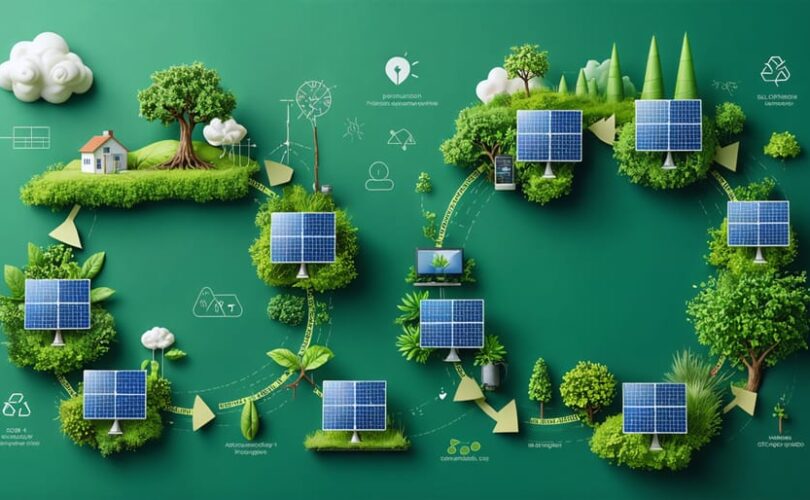
The life cycle assessment of solar panels encompasses several critical stages, beginning with raw material extraction and processing. This initial phase involves mining silicon, aluminum, glass, and other essential materials, followed by their refinement and preparation for manufacturing. The production phase includes wafer creation, cell fabrication, and module assembly, requiring significant energy input and specialized manufacturing processes.
Transportation occurs throughout multiple stages, from moving raw materials to manufacturing facilities, distributing finished panels to installation sites, and eventually transporting end-of-life products to recycling facilities. The installation and use phase spans 25-30 years, during which panels generate clean electricity while requiring minimal maintenance.
The operational phase accounts for environmental impacts from periodic cleaning, repairs, and any necessary component replacements. Finally, the end-of-life stage involves panel decommissioning, recycling, and waste management. Modern recycling processes can recover up to 95% of semiconductor materials and glass, significantly reducing the environmental impact of solar panel disposal.
Each stage contributes differently to the overall environmental footprint, with manufacturing typically having the highest impact due to energy-intensive processes and material requirements. Understanding these components enables manufacturers and stakeholders to identify opportunities for improving sustainability throughout the solar panel lifecycle.
Environmental Impact Categories
Life cycle assessment of solar panels examines several key environmental impact categories to comprehensively evaluate the environmental impact of solar energy systems. The primary categories include global warming potential (GWP), measured in CO2 equivalents, which quantifies the panel’s contribution to climate change throughout its lifecycle. Energy payback time (EPBT) calculates how long a panel must operate to generate the energy used in its production.
Other crucial metrics include acidification potential, which measures the release of acids into ecosystems; eutrophication potential, assessing excess nutrient discharge into water bodies; and human toxicity potential, evaluating harmful substances released during manufacturing and disposal. Resource depletion potential tracks the consumption of rare earth elements and precious metals, while land use impact measures the physical footprint and ecosystem disruption.
Water consumption metrics are particularly significant, accounting for manufacturing processes and panel cleaning requirements. Ozone depletion potential and photochemical oxidation potential round out the assessment, providing a complete picture of atmospheric impacts throughout the panel’s lifecycle.
Raw Material Sourcing and Production Phase
Silicon Processing Environmental Impact
The silicon processing phase of solar panel manufacturing presents significant environmental challenges, primarily due to the energy-intensive nature of purifying silicon to semiconductor grade. The process begins with the reduction of quartz to metallurgical-grade silicon, followed by further refinement to achieve the 99.9999% purity required for photovoltaic applications.
During purification, the Siemens process consumes substantial electrical energy, approximately 200 kWh per kilogram of processed silicon. This energy consumption contributes significantly to the carbon footprint of solar panel production. Additionally, the process generates hazardous byproducts, including silicon tetrachloride and hydrochloric acid, which require careful handling and disposal.
Wafer production, involving ingot formation and slicing, introduces additional environmental concerns. The wire sawing process, while necessary for creating thin wafers, results in substantial silicon waste as kerf loss. This waste material, combined with the cooling fluids and abrasives used in cutting, requires proper treatment and disposal protocols.
Recent technological advances have improved process efficiency and reduced environmental impact. These include the implementation of closed-loop recycling systems for processing chemicals, the development of diamond wire sawing technology that reduces material waste, and the adoption of more energy-efficient purification methods. Despite these improvements, silicon processing remains a critical focus area for reducing the overall environmental footprint of solar panel manufacturing.

Module Assembly and Manufacturing
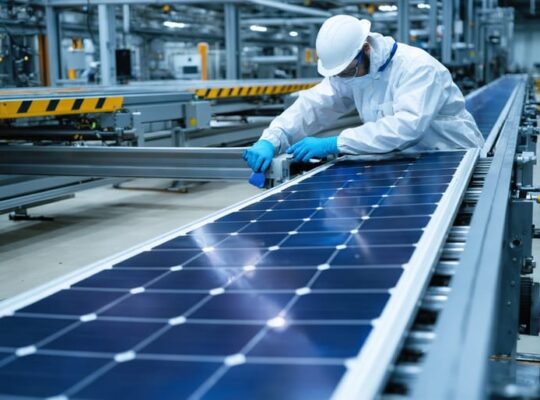
The assembly and manufacturing phase of solar panels represents a critical stage in their life cycle assessment, involving energy-intensive processes and potential environmental impacts. Modern manufacturing facilities employ automated production lines that combine cells into modules, requiring precise quality control measures and specialized materials. The lamination process, which bonds the solar cells between protective layers, utilizes EVA (Ethylene Vinyl Acetate) and other polymeric materials that must be carefully managed for environmental considerations.
Environmental aspects during assembly include energy consumption from climate-controlled clean rooms, chemical usage in cell cleaning and coating processes, and waste management of rejected components. Manufacturers increasingly implement closed-loop water systems and material recovery processes to minimize environmental impact. Quality control procedures, while essential for ensuring panel reliability, contribute to the overall environmental footprint through testing equipment operation and climate control requirements.
Leading manufacturers now incorporate eco-design principles, selecting materials and processes that reduce environmental impact without compromising performance. This includes using lead-free soldering techniques, implementing water recycling systems, and optimizing production layouts to minimize energy consumption. The industry trend toward larger-scale manufacturing facilities has led to improved efficiency in resource utilization, though this must be balanced against increased transportation requirements for raw materials and finished products.
Installation and Use Phase Analysis
Transportation and Installation Impacts
The transportation and installation phases of solar panels contribute significantly to their overall environmental impact. These stages involve multiple logistics operations, including shipping from manufacturing facilities to distribution centers and final installation sites. The primary environmental concerns during transportation stem from fuel consumption and associated greenhouse gas emissions, particularly when panels are transported over long distances or across international borders.
Installation impacts vary depending on the mounting system and location type. Ground-mounted systems typically require more extensive site preparation, potentially disturbing local ecosystems and soil composition. Rooftop installations generally have lower environmental impact but still require mounting hardware and installation equipment. The use of heavy machinery during installation contributes to temporary air pollution and noise emissions.
Packaging materials used during transport also merit consideration in life cycle assessments. While protective packaging is essential for preventing damage, materials like plastic films and wooden pallets contribute to waste streams. Some manufacturers are implementing recycling programs and sustainable packaging solutions to minimize these impacts. The industry increasingly focuses on optimizing logistics routes and utilizing local installation crews to reduce transportation-related emissions.
Operational Performance and Maintenance
During the operational lifetime of solar panels, which typically spans 25-30 years, several environmental factors come into play. The primary environmental benefit is the generation of clean electricity, offsetting greenhouse gas emissions from conventional power sources. However, maintenance activities can have their own environmental implications.
Regular cleaning of panels requires water consumption, particularly in arid regions where dust accumulation is significant. The use of cleaning agents, when necessary, must be carefully managed to prevent soil and groundwater contamination. Panel maintenance may also involve the replacement of minor components, generating small amounts of electronic waste.
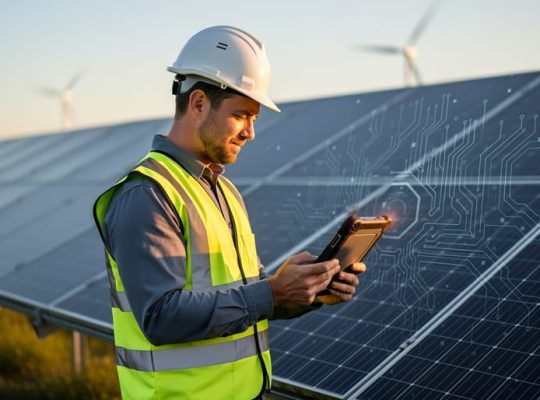
Energy consumption during operation is minimal, limited to monitoring systems and inverter functionality. Modern solar installations often incorporate smart monitoring solutions that optimize performance while minimizing resource usage. Weather-related damage may occasionally necessitate repairs or replacements, though technological advances have significantly improved panel durability and resistance to environmental stressors.
The environmental impact during this phase is generally positive, with the clean energy generation far outweighing the maintenance-related impacts. Proper maintenance protocols can further reduce environmental effects while maximizing energy yield.
End-of-Life Management and Recycling

Recycling Technologies and Processes
Modern solar panel recycling technologies have evolved significantly to address end-of-life management challenges. The primary recycling processes include mechanical, thermal, and chemical treatment methods, each serving specific material recovery purposes.
Mechanical recycling involves the physical separation of components through crushing, shredding, and sorting. This process effectively recovers aluminum frames, glass, and mounting hardware, achieving recovery rates of up to 95% for these materials. Thermal processing utilizes controlled-temperature environments to separate the encapsulant material from silicon cells and other valuable components.
Chemical treatment methods employ various solvents and processes to extract precious metals and semiconductor materials. Advanced techniques like electrolysis and selective etching enable the recovery of silver, copper, and high-purity silicon, which can be repurposed for new solar panels or other electronics.
Emerging technologies include automated dismantling systems equipped with artificial intelligence for more efficient material separation, and novel chemical processes that minimize environmental impact while maximizing material recovery. These innovations are crucial for establishing a circular economy in the solar industry and reducing the environmental footprint of photovoltaic systems.
Circular Economy Integration
The integration of circular economy principles into photovoltaic supply chains represents a crucial advancement in sustainable solar manufacturing. Manufacturers are increasingly adopting design-for-recycling strategies, incorporating easily separable components and recyclable materials from the initial development phase. This approach facilitates more efficient end-of-life management and reduces waste throughout the product lifecycle.
Key circular economy strategies include the implementation of take-back programs, where manufacturers collect and process end-of-life panels, and the development of specialized recycling facilities capable of recovering valuable materials such as silver, silicon, and aluminum. These recovered materials are then reintegrated into new panel production, creating a closed-loop system.
Supply chain optimization focuses on reducing material waste, implementing lean manufacturing processes, and utilizing renewable energy in production facilities. Companies are also exploring innovative business models, such as solar panel leasing and performance-based contracts, which encourage product longevity and responsible disposal.
The success of circular economy integration depends on collaboration between manufacturers, recyclers, and regulators to establish standardized processes and create market incentives for recycled materials. This systematic approach helps minimize environmental impact while maximizing resource efficiency throughout the solar panel lifecycle.
Supply Chain Optimization Through LCA
Life Cycle Assessment findings play a crucial role in optimizing the solar panel supply chain, enabling manufacturers to identify and implement sustainable improvements throughout the production process. By analyzing environmental impacts at each stage, companies can make data-driven decisions to enhance both efficiency and sustainability.
One primary application of LCA results is in material sourcing optimization. Manufacturers can select suppliers based on their environmental performance, choosing those who utilize renewable energy in their processes or maintain shorter transportation distances. This approach has led to the development of regional supply networks that reduce transportation emissions while supporting local economies.
Raw material refinement processes have been significantly improved through LCA insights. For instance, silicon purification methods have evolved to consume less energy and produce fewer emissions, with some facilities achieving up to 40% reduction in energy consumption compared to traditional methods. Water recycling systems have also been implemented in manufacturing facilities, reducing freshwater consumption by up to 75% in some cases.
Supply chain digitalization has emerged as a key optimization strategy, informed by LCA data. Digital tracking systems monitor environmental impacts in real-time, allowing manufacturers to adjust processes promptly and maintain optimal performance. These systems also facilitate better inventory management, reducing waste and storage requirements.
End-of-life considerations have led to the development of circular supply chain models. Manufacturers are increasingly designing panels for easier disassembly and material recovery, while establishing partnerships with recycling facilities. Some companies have implemented take-back programs, ensuring responsible disposal and material reclamation.
Quality control processes have been enhanced through LCA findings, resulting in longer-lasting panels and reduced replacement rates. This improvement directly impacts the overall environmental footprint by extending product lifespan and reducing waste generation.
The integration of LCA results has also influenced packaging and transportation strategies. Companies have adopted more sustainable packaging materials and optimized shipping container utilization, leading to reduced transportation emissions and material waste. Some manufacturers report up to 30% reduction in packaging-related waste through these initiatives.
These optimization efforts collectively contribute to a more sustainable solar panel industry, demonstrating how LCA can drive practical improvements throughout the supply chain while maintaining product quality and economic viability.
Life cycle assessment of solar panels has revealed both challenges and opportunities in developing sustainable photovoltaic supply chains. The analysis demonstrates that while solar energy produces minimal emissions during operation, significant environmental impacts occur during manufacturing, transportation, and end-of-life phases. Key findings indicate that the energy payback time for modern solar panels ranges from 1-4 years, depending on the technology and location, with continual improvements in manufacturing efficiency reducing this timeframe.
Looking ahead, several promising developments are shaping the future of sustainable PV production. Advanced recycling technologies are emerging to address end-of-life management, with potential recovery rates exceeding 95% for some materials. Industry leaders are increasingly adopting circular economy principles, implementing closed-loop manufacturing processes, and investing in renewable energy for production facilities.
The outlook for sustainable PV supply chains remains positive, driven by technological innovations, stricter environmental regulations, and growing market demand for eco-friendly products. Research indicates that implementing comprehensive LCA frameworks throughout the supply chain can reduce environmental impacts by 20-30% while improving cost-effectiveness. Future developments will likely focus on reducing rare earth material dependency, enhancing recycling infrastructure, and optimizing transportation logistics.
To achieve these goals, continued collaboration between industry stakeholders, research institutions, and policymakers is essential. As the solar industry matures, standardized LCA methodologies and transparent reporting mechanisms will become increasingly important for ensuring sustainable growth and maintaining public trust in photovoltaic technology.