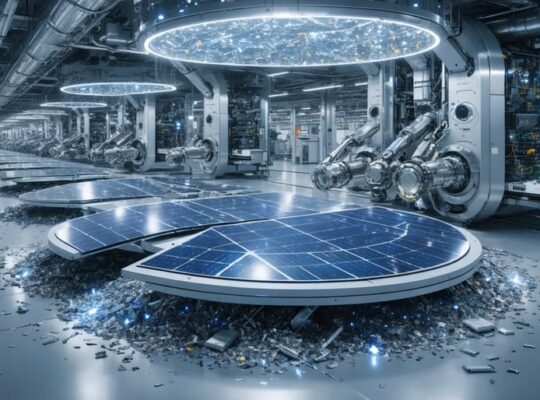
Advanced recycling technologies are revolutionizing solar panel lifecycle management through groundbreaking innovations in materials recovery and waste reduction. Recent developments in automated sorting systems, enhanced chemical separation processes, and artificial intelligence-driven recycling platforms have achieved recovery rates exceeding 95% for critical materials from end-of-life photovoltaic panels. These technological breakthroughs address the mounting challenge of solar waste management while creating a circular economy that significantly reduces environmental impact and manufacturing costs.
The integration of machine learning algorithms with robotic sorting systems has transformed the identification and separation of various panel components, while advanced thermal and chemical processes enable the extraction of high-purity silicon, silver, and other valuable materials. This systematic approach to recycling not only conserves precious resources but also establishes a sustainable framework for the renewable energy sector’s continued growth. As global solar installations accelerate, these innovative recycling solutions become increasingly crucial for maintaining the industry’s environmental credentials and economic viability.
Current Challenges in Solar Panel Recycling
Material Complexity
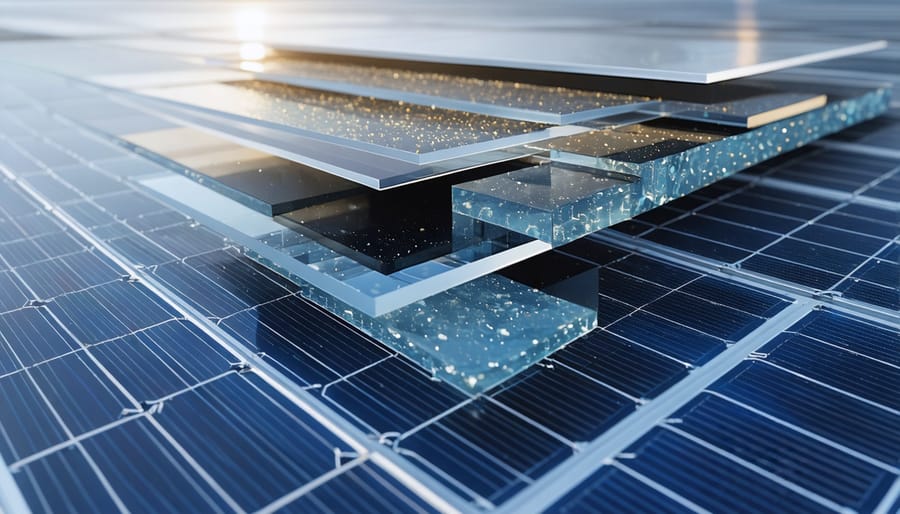
Modern solar panels present significant solar panel waste disposal challenges due to their complex material composition. A typical photovoltaic module contains multiple layers of different materials, including glass, aluminum frames, silicon cells, silver contacts, copper wiring, and various polymeric encapsulants. The presence of trace amounts of toxic elements like lead, cadmium, and antimony further complicates the recycling process.
The EVA (Ethylene Vinyl Acetate) encapsulant, designed to protect solar cells from environmental factors, creates a particularly challenging barrier for material separation. This polymer bonds the various components together so effectively that conventional recycling methods struggle to separate them without damaging valuable materials. Additionally, the silver paste used for electrical contacts and the anti-reflective coatings on the glass surface require specialized treatment processes.
Different types of solar panels, such as thin-film technologies using CIGS or CdTe, introduce additional complexity with their unique material compositions, necessitating distinct recycling approaches for each variant. This material diversity demands sophisticated sorting systems and specialized recycling processes to ensure optimal resource recovery.
Economic Barriers
Traditional recycling methods face significant economic challenges that often impede widespread adoption and implementation. The primary cost factors include high operational expenses, substantial initial capital investment for equipment and facilities, and labor-intensive sorting processes. Current mechanical recycling systems require extensive manual pre-sorting, which increases labor costs and reduces operational efficiency.
Transportation expenses represent another substantial economic barrier, as recycling facilities must often cover large geographical areas to achieve economies of scale. The cost of collecting, sorting, and transporting materials to centralized processing facilities can account for up to 40% of total operational expenses.
Market volatility for recycled materials also presents a significant challenge. Fluctuating prices for recovered materials can make it difficult for recycling operations to maintain consistent profitability. Additionally, the cost of quality control measures and contamination management adds another layer of expense to the process.
Energy consumption during the recycling process contributes significantly to operational costs. Traditional recycling methods often require high-temperature processing and energy-intensive cleaning procedures, which can make the overall process less economically viable, particularly in regions with high energy costs.
Breakthrough Recycling Technologies
Automated Delamination Systems
Automated delamination systems represent a significant advancement in photovoltaic panel recycling, offering efficient separation of component layers without compromising material integrity. These systems utilize precisely controlled heat and mechanical forces to separate the encapsulant, glass, solar cells, and backsheet materials.
Modern delamination technologies employ a combination of infrared heating and automated mechanical separation. The process begins with controlled heating to soften the EVA (ethylene vinyl acetate) layer, typically maintained between 450-500°C. Advanced sensors monitor temperature distribution to prevent thermal damage to valuable semiconductors and metals within the panels.
robotically-guided systems then apply calculated pressure to separate layers systematically. Some cutting-edge facilities implement vacuum-based separation techniques, which reduce mechanical stress on delicate components and minimize material loss. These systems can process up to 100 panels per hour, significantly improving recycling efficiency compared to manual methods.
Recent innovations include artificial intelligence-driven systems that adjust processing parameters based on panel type and condition. These smart systems optimize separation forces and temperatures in real-time, achieving recovery rates exceeding 95% for critical materials. Additionally, some facilities incorporate ultrasonic technology to enhance delamination precision, particularly effective for newer panel designs with complex layer structures.
The development of these automated systems continues to evolve through collaborative research between industry leaders and academic institutions, focusing on improving processing speed while maintaining high material recovery rates.
Chemical Recovery Processes
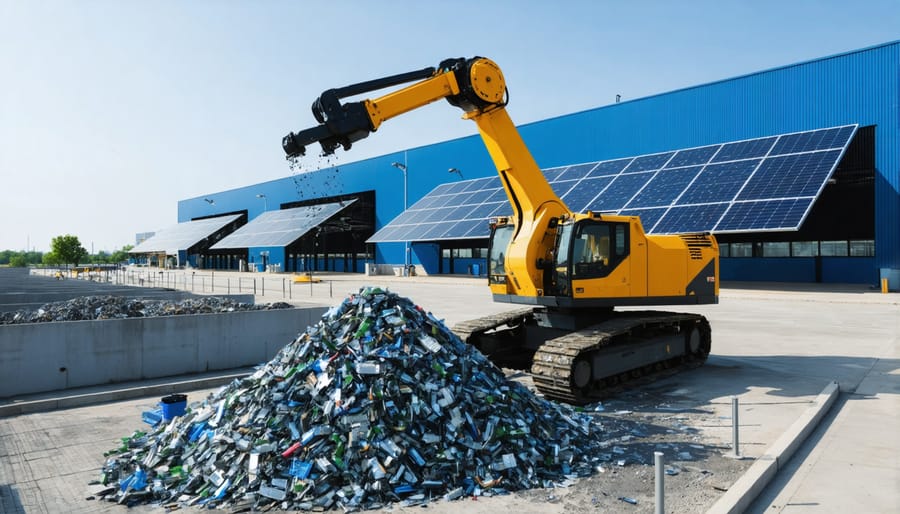
Chemical recovery processes represent a significant advancement in solar panel recycling, employing sophisticated material recovery techniques to extract valuable components. These processes utilize selective chemical treatments to separate and purify precious materials, including silver, silicon, and rare earth elements from end-of-life photovoltaic modules.
Advanced hydrometallurgical processes employ specific acid solutions to dissolve target metals while leaving other materials intact. This selective dissolution enables the recovery of high-purity silicon and conductor materials with minimal contamination. The process typically involves multiple stages of chemical treatment, filtration, and precipitation to achieve optimal separation efficiency.
Innovative solvent extraction methods have been developed to isolate specific metals from complex mixtures. These methods utilize organic solvents that selectively bind to target metals, allowing for their efficient separation from the solution. The recovered materials maintain high purity levels, making them suitable for reuse in new solar panel manufacturing.
Recent developments in electrochemical separation have further enhanced recovery rates. This technique applies controlled electrical currents to facilitate the selective deposition of metals from solution, achieving recovery rates exceeding 95% for certain precious metals. The process is particularly effective for recovering silver and copper from solar cell contacts.
These chemical recovery methods significantly reduce environmental impact compared to traditional recycling approaches, while maximizing the economic value of recovered materials.
Thermal Recovery Innovation
Thermal recovery innovation represents a significant advancement in photovoltaic recycling technology, employing precisely controlled heat treatments to separate and recover valuable materials from end-of-life solar panels. This process utilizes sophisticated temperature gradients and specialized thermal chambers to break down the composite materials while preserving their fundamental properties for reuse.
Modern thermal recovery systems can achieve separation efficiencies exceeding 95% through a combination of pyrolysis and targeted heating protocols. The process begins with a low-temperature phase (200-300°C) to remove encapsulant materials, followed by intermediate heating (400-600°C) for polymer decomposition, and finally high-temperature treatment (700-800°C) for metal recovery.
Recent developments have introduced selective heating technologies that minimize energy consumption while maximizing material recovery. These systems employ electromagnetic induction and infrared heating methods to target specific components, reducing processing time and environmental impact. The recovered materials, including high-purity silicon, silver, and aluminum, meet industry standards for reintegration into new solar panel production.
Research collaborations between industry leaders and academic institutions have yielded promising innovations in thermal recovery automation. Advanced sensors and artificial intelligence systems now monitor and adjust thermal parameters in real-time, ensuring optimal recovery conditions while maintaining strict quality control standards. This technological convergence has significantly improved the economic viability of large-scale solar panel recycling operations.
Environmental and Economic Benefits
Resource Conservation
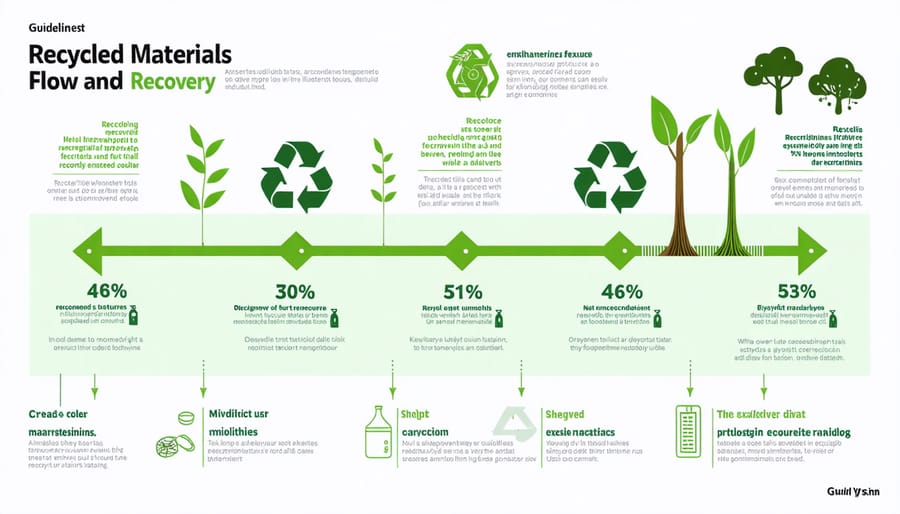
Advanced recycling technology has revolutionized material recovery rates, significantly reducing the environmental impact of raw material extraction. Modern recycling facilities achieve recovery rates of up to 95% for valuable materials like silicon, silver, and aluminum from end-of-life photovoltaic panels. This dramatic improvement in recovery efficiency translates to substantial reductions in mining activities and their associated environmental consequences.
The implementation of automated sorting systems and advanced separation techniques has enabled the recovery of high-purity materials that can be directly reintegrated into manufacturing processes. For instance, recovered silicon maintains sufficient quality for use in new solar cell production, while extracted silver and copper meet industry standards for various applications.
These technological advances have led to measurable environmental benefits. For every ton of recycled photovoltaic materials, approximately 1.2 tons of virgin material extraction is avoided. This reduction in mining activities results in decreased water consumption, reduced energy expenditure, and lower greenhouse gas emissions associated with traditional resource extraction methods.
Furthermore, the circular economy approach enabled by advanced recycling technology has created new value streams within the industry. Recovered materials often require less energy for processing compared to virgin materials, leading to additional environmental benefits and cost savings. This efficiency has made recycling increasingly economically viable while supporting sustainable resource management practices.
Cost-Effectiveness
Advanced recycling technologies demonstrate compelling economic advantages when compared to traditional disposal methods, particularly in terms of end-of-life value optimization. Recent cost analyses indicate that automated recycling facilities can process photovoltaic panels at approximately $12-15 per unit, representing a 40% reduction from conventional recycling methods.
The economic benefits extend beyond direct processing costs. Modern recycling technologies achieve recovery rates of up to 95% for valuable materials such as silver, silicon, and aluminum, generating significant revenue streams. Market research indicates that recovered materials from a single solar panel can offset about 30% of the recycling costs, making these processes increasingly viable for large-scale implementation.
Furthermore, automated sorting systems and AI-driven material identification reduce labor costs while improving processing efficiency. Capital investment requirements for advanced recycling facilities have decreased by approximately 25% over the past five years, primarily due to technological improvements and economies of scale. Operating costs have also diminished through enhanced energy efficiency and optimized material recovery processes.
When factoring in environmental compliance costs and landfill fees, advanced recycling technologies offer a compelling return on investment, typically achieving break-even points within 3-5 years of operation. This economic viability, combined with regulatory pressures and corporate sustainability goals, makes advanced recycling an increasingly attractive option for industry stakeholders.
Future Prospects and Industry Implementation
The implementation of advanced recycling technologies in the photovoltaic industry is projected to experience significant growth over the next decade. Market analysis indicates that by 2030, approximately 80% of solar panel manufacturers will integrate automated recycling systems into their production facilities. This transition is driven by both environmental regulations and economic incentives, as recovered materials become increasingly valuable in the face of resource scarcity.
Several pioneering companies are already developing next-generation recycling facilities that combine artificial intelligence, robotics, and advanced material separation techniques. These facilities are expected to achieve recovery rates exceeding 95% for critical materials such as silver, silicon, and rare earth elements. The integration of machine learning algorithms will further optimize sorting processes and material identification, reducing processing time and improving cost-effectiveness.
Industry experts anticipate that technological advancements will lead to a 40% reduction in recycling costs by 2025, making end-of-life solar panel processing more economically viable. This cost reduction, coupled with improving material recovery rates, is expected to create a self-sustaining circular economy within the solar industry.
Research and development efforts are focusing on innovative solutions such as bio-based extraction methods, advanced thermal treatment processes, and novel chemical separation techniques. These developments promise to minimize environmental impact while maximizing material recovery efficiency. Additionally, standardization efforts across the industry are working to establish universal protocols for recycling processes, facilitating wider adoption and implementation.
The future of PV recycling technology will likely see increased collaboration between manufacturers, recycling facilities, and research institutions. Industry leaders are investing in pilot programs to test and refine new recycling methodologies, while universities are developing specialized training programs to prepare the workforce for these emerging technologies.
As government policies worldwide continue to emphasize sustainable practices, the demand for advanced recycling solutions is expected to surge. This regulatory push, combined with technological advancement and market demands, positions advanced recycling technology as a crucial component of the solar industry’s sustainable future.
Advanced recycling technologies represent a crucial cornerstone in the sustainable development of the solar energy sector. As the photovoltaic industry continues to expand, these innovative recycling solutions ensure the responsible management of end-of-life solar panels while recovering valuable materials for reuse in manufacturing processes. The implementation of these technologies not only addresses environmental concerns but also contributes to the circular economy by reducing waste and conserving natural resources.
The integration of automated sorting systems, thermal separation processes, and chemical treatment methods has significantly improved recovery rates of critical materials such as silver, silicon, and rare earth elements. These advancements have made solar panel recycling more economically viable while minimizing the environmental impact of photovoltaic waste management.
Looking ahead, the continued development and adoption of advanced recycling technologies will play a vital role in maintaining the solar industry’s environmental credentials. As we move toward a more sustainable energy future, these innovations ensure that solar power remains a truly green technology throughout its entire lifecycle, from manufacturing to end-of-life disposal and material recovery.