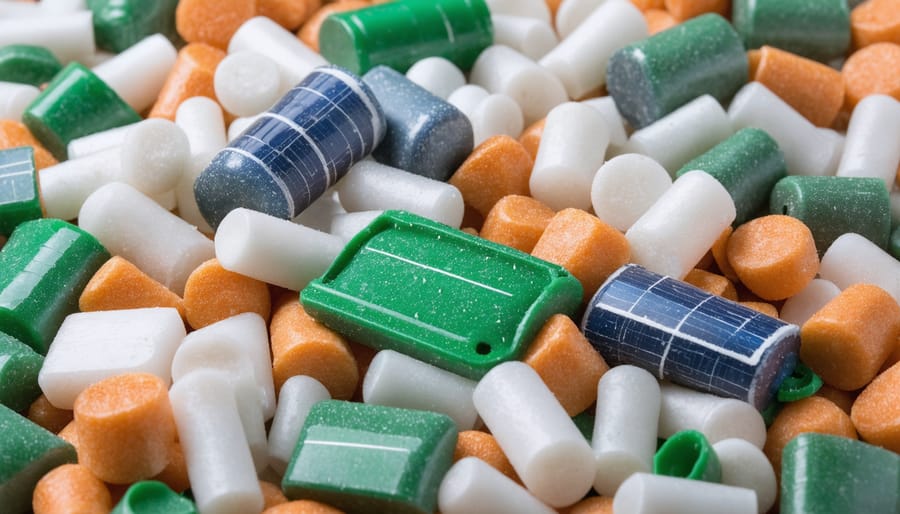
Advanced plastic recycling technologies are revolutionizing how we process and recover value from post-consumer plastics, particularly in the renewable energy sector. Through innovative chemical and thermal processes, these technologies break down plastic waste into their basic molecular components, enabling the creation of virgin-quality recycled materials. This transformation aligns perfectly with circular economics in PV recycling, where end-of-life materials become valuable resources for new products.
Unlike traditional mechanical recycling, advanced recycling methods can process mixed and contaminated plastics, converting them into high-quality feedstock for manufacturing new materials. This breakthrough addresses one of the most significant challenges in plastic waste management: the degradation of material quality through conventional recycling processes. By leveraging sophisticated chemical processes such as pyrolysis, depolymerization, and solvent-based purification, these technologies are opening new possibilities for sustainable material recovery and waste reduction across industries.
The impact extends beyond environmental benefits, creating economic opportunities while reducing dependency on virgin plastic production. As regulations tighten and sustainability demands increase, advanced recycling stands at the forefront of circular economy innovations, promising a more sustainable future for plastic waste management.
The Plastic Challenge in Solar Panel Recycling
Critical Plastic Components in PV Modules
Photovoltaic modules incorporate several critical plastic components that play vital roles in performance, durability, and solar panel lifecycle management. The primary plastic element is the encapsulant material, typically ethylene vinyl acetate (EVA), which provides essential protection for the solar cells while enabling maximum light transmission. EVA sheets sandwich the silicon cells, creating a weather-resistant seal that prevents moisture ingress and mechanical damage.
The backsheet, commonly made from multi-layer polymer compositions including polyvinyl fluoride (PVF) or polyethylene terephthalate (PET), serves as the outer protective layer. This component shields the module from environmental factors while providing electrical insulation. Junction boxes, manufactured from high-grade thermoplastics such as polyphenylene oxide (PPO) or polybutylene terephthalate (PBT), house the electrical connections and bypass diodes.
Edge sealants and frame adhesives, often composed of silicone-based polymers or polyurethane compounds, ensure structural integrity and moisture resistance throughout the module’s operational life. Understanding these components’ composition is crucial for developing effective recycling strategies and improving material recovery rates.

Limitations of Conventional Recycling Methods
Conventional recycling methods face significant limitations when processing plastic waste, particularly in handling mixed or contaminated materials. Mechanical recycling, the most common approach, can only effectively process about 10-15% of plastic waste, while the remainder often ends up in landfills or incinerators. This method’s inefficiency stems from its inability to handle multiple polymer types simultaneously and its sensitivity to contaminants such as additives, labels, and residual contents.
The quality degradation of recycled plastics through traditional methods poses another crucial challenge. Each recycling cycle typically results in diminished material properties, limiting the applications of recycled plastics and often downgrading them to lower-value products. This phenomenon, known as downcycling, creates a substantial barrier to achieving a circular economy for plastics.
Environmental concerns also arise from conventional recycling processes, including high energy consumption, water usage, and greenhouse gas emissions during sorting and processing. The need for extensive cleaning and separation steps further increases the carbon footprint of traditional recycling methods, making them less sustainable than desired for long-term environmental solutions.
Breakthrough Advanced Plastic Recycling Technologies
Chemical Depolymerization Processes
Chemical depolymerization represents one of the most innovative recycling technologies for processing photovoltaic plastic components. This process breaks down polymer chains into their constituent monomers or other valuable chemical intermediates through controlled chemical reactions.
The primary methods include glycolysis, hydrolysis, and aminolysis, each targeting specific plastic types commonly found in PV modules. Glycolysis effectively processes polyethylene terephthalate (PET) and polyurethane (PU) components, while hydrolysis works particularly well for ethylene vinyl acetate (EVA) encapsulants. Aminolysis serves as an alternative approach for processing polyester-based materials.
These processes typically operate under moderate temperature conditions (150-300°C) and often utilize catalysts to enhance reaction efficiency. The resulting monomers can be purified and repolymerized into virgin-quality plastics, making this approach particularly valuable for circular economy initiatives in the solar industry.
Key advantages include high-purity end products, the ability to handle mixed plastic streams, and reduced environmental impact compared to mechanical recycling. However, considerations such as process optimization, catalyst recovery, and scaling economics must be carefully managed to ensure commercial viability.
Recent developments have focused on improving catalyst systems and reducing energy requirements, making these processes increasingly attractive for large-scale PV recycling operations.
Thermal Recovery Systems
Thermal recovery systems represent a significant advancement in plastic recycling technology, utilizing controlled heat treatments to break down complex polymer chains into valuable chemical components. These systems operate through various processes, including pyrolysis, gasification, and depolymerization, each offering distinct advantages in recovering materials from mixed plastic waste streams.
Pyrolysis, conducted in oxygen-free environments at temperatures between 400-600°C, converts plastic waste into pyrolysis oil, synthetic gas, and char. This process is particularly effective for handling contaminated or mixed plastic waste that traditional mechanical recycling methods cannot process efficiently.
Gasification operates at higher temperatures (typically 700-1000°C) with controlled amounts of oxygen, converting plastic waste into synthesis gas (syngas), which can be used as a chemical feedstock or fuel source. This technology demonstrates exceptional versatility in processing various plastic types simultaneously.
Depolymerization techniques use specific temperature and pressure conditions to reverse the polymerization process, breaking down plastics into their original monomer components. This method is particularly valuable for producing high-quality recycled materials suitable for manufacturing new products.
Modern thermal recovery systems incorporate advanced monitoring and control systems, ensuring optimal processing conditions while minimizing energy consumption and emissions. These technologies play a crucial role in achieving circular economy goals by recovering valuable resources from plastic waste that would otherwise be destined for landfills.
Automated Sorting and Separation Technologies
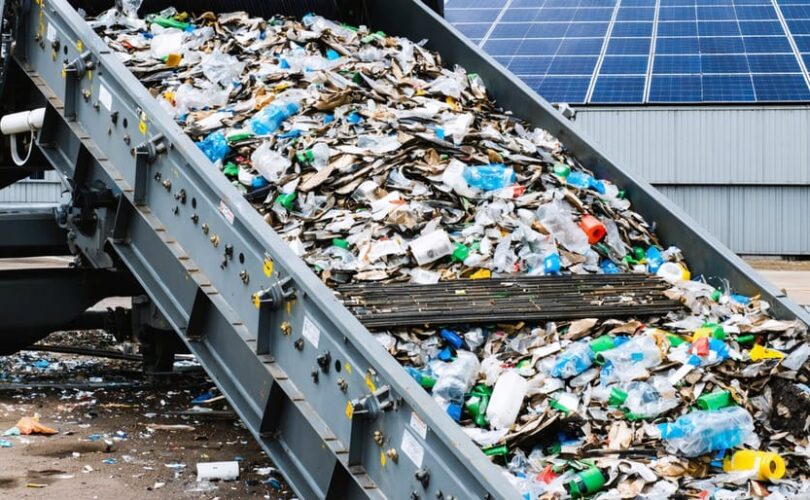
Modern recycling facilities are increasingly deploying sophisticated automated sorting and separation technologies powered by artificial intelligence and robotics to enhance plastic recycling efficiency. These systems utilize advanced sensors, including near-infrared (NIR) spectroscopy, X-ray detection, and machine vision cameras, to identify and categorize different types of plastics with remarkable precision.
AI-powered sorting systems can recognize and separate various polymer types based on their unique spectral signatures and physical characteristics. These systems process materials at high speeds, often analyzing and sorting several thousand items per minute with accuracy rates exceeding 95%. Machine learning algorithms continuously improve their identification capabilities through pattern recognition and data analysis.
Robotic sorting systems equipped with multiple arms and advanced grippers can physically separate materials based on the AI system’s instructions. These robots use pneumatic or mechanical systems to pick, sort, and place different plastic types into designated containers. The integration of deep learning algorithms enables these systems to adapt to variations in material composition and quality.
Recent developments include the implementation of artificial neural networks that can identify contaminated materials and multi-layer plastics, which traditionally posed significant challenges in recycling processes. These systems also maintain detailed digital records of sorted materials, providing valuable data for process optimization and quality control.
The automation of sorting and separation processes has significantly reduced labor costs while improving recycling efficiency and output quality. This technological advancement is particularly crucial for handling complex plastic waste streams and ensuring the production of high-quality recycled materials suitable for various applications.
Environmental and Economic Benefits
Carbon Footprint Reduction
Advanced recycling of plastics demonstrates significant environmental benefits through measurable reductions in carbon footprint. Recent studies indicate that chemical recycling processes can reduce greenhouse gas emissions by 50-70% compared to traditional landfill disposal or incineration methods. For every metric ton of plastic processed through advanced recycling technologies, approximately 1.5-2.5 metric tons of CO2 emissions are avoided.
Life cycle assessments conducted by independent research institutions reveal that advanced recycling facilities operating at optimal capacity can achieve carbon savings equivalent to removing 30,000 passenger vehicles from roads annually. These facilities typically process 20,000-30,000 tons of plastic waste yearly, converting it into valuable feedstock for new products while minimizing environmental impact.
The energy efficiency of modern advanced recycling systems contributes substantially to carbon reduction. Latest-generation facilities utilize up to 25% less energy compared to virgin plastic production, with some implementations achieving even greater efficiencies through process optimization and heat recovery systems.
When integrated with renewable energy sources, advanced recycling operations can further reduce their carbon footprint by an additional 30-40%. This synergistic approach combines waste reduction with clean energy utilization, creating a more sustainable circular economy model. Quality analysis of the recycled materials shows that products manufactured from advanced recycling feedstock maintain equivalent performance characteristics while delivering superior environmental benefits compared to virgin materials.
Economic Viability and Market Opportunities
Advanced recycling of plastics presents compelling economic opportunities across the value chain, particularly in end-of-life value maximization for various industries. Market analysis indicates that the global advanced plastics recycling market is projected to reach $17.8 billion by 2027, growing at a CAGR of 14.3% from 2022.
The economic viability of advanced recycling technologies is strengthened by several factors. First, the rising costs of virgin plastic production and increasing environmental regulations make recycled materials more competitive. Second, major corporations are committing to using recycled content in their products, creating stable demand. Third, technological improvements are reducing operational costs while increasing output quality.
Market opportunities are particularly robust in high-value applications where advanced recycling can produce near-virgin quality materials. The automotive, packaging, and electronics sectors show strong demand for high-grade recycled plastics. Additionally, government incentives and extended producer responsibility programs are creating favorable market conditions for investment in advanced recycling infrastructure.
However, economic success depends on achieving economies of scale and securing consistent feedstock supply. Facilities typically require significant capital investment, with break-even points generally reached after 3-5 years of operation. Strategic partnerships between recyclers, manufacturers, and waste management companies are emerging as crucial elements for sustainable business models in this sector.
Implementation Challenges and Future Outlook
Technical and Infrastructure Barriers
The implementation of advanced plastic recycling technologies faces several significant technical and infrastructural challenges. Current processing facilities often struggle with contamination issues, as mixed plastic waste streams contain various additives, labels, and non-plastic materials that can compromise recycling efficiency. The separation and sorting of different plastic types remains a complex challenge, particularly for multi-layer plastics commonly used in packaging.
Energy consumption presents another substantial barrier, as advanced recycling processes typically require high temperatures and specialized equipment, resulting in significant operational costs. The need for precise temperature control and specific catalysts in chemical recycling processes adds another layer of complexity to facility operations.
Infrastructure limitations also pose considerable challenges. Many regions lack the necessary collection and transportation networks to efficiently gather and process plastic waste at scale. The establishment of new advanced recycling facilities requires substantial capital investment, sophisticated equipment, and specialized workforce training.
Quality control represents an ongoing concern, as the output from advanced recycling processes must meet stringent industry standards for chemical composition and physical properties. Variations in feedstock quality can affect the consistency of recycled materials, potentially limiting their applications in high-value products.
Additionally, the scale-up of pilot technologies to commercial operations often encounters unexpected technical difficulties, requiring extensive optimization and adjustment periods. These challenges necessitate continued research and development efforts to improve process efficiency and economic viability.
Future Technology Developments
The future of advanced plastic recycling is poised for significant transformation through emerging technologies and innovative approaches. Machine learning and artificial intelligence are being integrated into sorting systems, enabling more precise identification and separation of different plastic types, ultimately improving recycling efficiency and output quality.
Promising developments in chemical recycling technologies include enhanced catalytic processes that can break down plastics more efficiently while consuming less energy. Research institutions are exploring novel solvents that can selectively dissolve specific plastic types, allowing for more targeted recycling approaches and higher-quality recovered materials.
Industry leaders are investing in bio-based additives that can improve the recyclability of plastics while maintaining their desired properties. These innovations are particularly relevant for complex plastic composites used in industrial applications, including solar panel components and protective materials.
Automation and robotics are expected to play a larger role in recycling facilities, with advanced sorting systems utilizing multiple sensor technologies, including hyperspectral imaging and X-ray fluorescence. These systems will enable more accurate identification of contaminants and improve the overall quality of recycled materials.
Several pilot programs are exploring the integration of blockchain technology to improve supply chain transparency and traceability in plastic recycling. This development could help ensure proper handling of materials and verify the quality of recycled content, particularly important for industries with strict material specifications.
Advanced recycling of plastics represents a crucial step forward in addressing the growing challenges of plastic waste management and environmental sustainability. Through innovative technologies like chemical recycling, depolymerization, and advanced sorting systems, the industry is moving beyond traditional mechanical recycling limitations. These developments offer promising solutions for processing previously hard-to-recycle materials and creating higher-quality recycled products. As technological capabilities continue to expand and regulatory frameworks evolve, advanced recycling is poised to play an increasingly vital role in achieving circular economy goals. The future success of these technologies will depend on continued investment in research, development of efficient processes, and collaboration between industry stakeholders, researchers, and policymakers to ensure widespread adoption and economic viability.