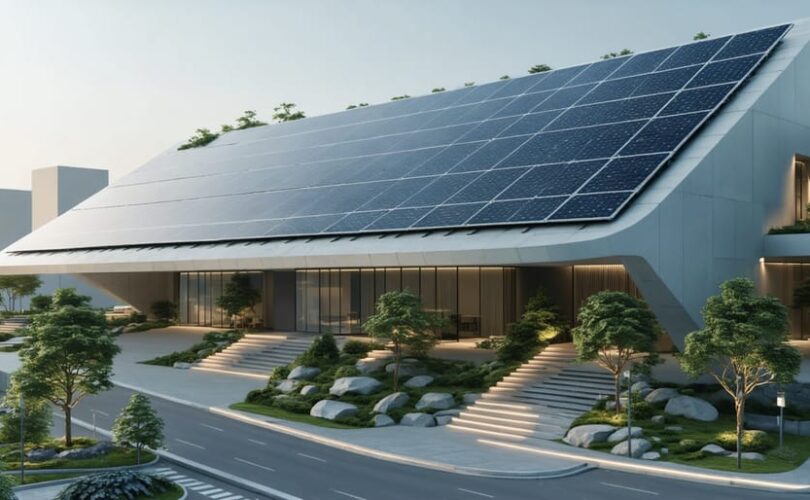
Building-integrated solar technology represents a transformative shift in modern architecture and sustainable energy deployment. By seamlessly incorporating photovoltaic materials into building elements like facades, windows, and roofing structures, this innovative approach eliminates the distinction between energy generation and architectural design. Unlike traditional solar installations, building-integrated photovoltaic (BIPV) systems serve dual purposes: they generate clean electricity while functioning as essential building components, offering thermal insulation, weather protection, and aesthetic appeal.
The global BIPV market is experiencing unprecedented growth, driven by stringent energy efficiency regulations, declining solar technology costs, and increasing demand for net-zero buildings. Recent advancements in thin-film solar technology and transparent photovoltaic materials have expanded the possibilities for architects and developers, enabling the creation of energy-producing structures that maintain architectural integrity without compromising on performance.
As cities worldwide embrace sustainable development goals and green building standards, BIPV systems emerge as a crucial solution for achieving carbon neutrality in the built environment. This integration of solar technology into building materials not only maximizes limited urban space but also represents a significant step toward creating self-sustaining, energy-efficient structures that define the future of sustainable architecture.
Understanding Building Integrated Solar Systems
BIPV Components and Technologies
Building Integrated Photovoltaic (BIPV) components encompass a diverse range of innovative technologies that seamlessly merge solar power generation with architectural elements. As solar manufacturing trends continue to evolve, manufacturers are developing increasingly sophisticated BIPV solutions.
Solar tiles and roof shingles represent a significant advancement in residential BIPV technology. These components replicate traditional roofing materials while incorporating photovoltaic cells, offering both aesthetic appeal and power generation capabilities. Modern solar tiles feature high-efficiency monocrystalline or polycrystalline silicon cells, protective glass layers, and weather-resistant encapsulation.
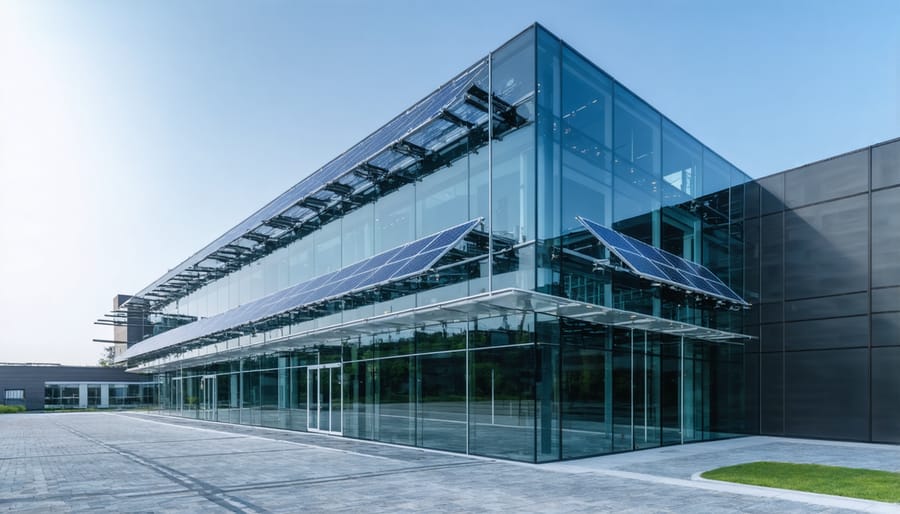
Facade integration components include solar glass, photovoltaic curtain walls, and semi-transparent modules. These elements can replace conventional building materials while providing varying degrees of transparency and power generation. Advanced facade systems often incorporate thin-film technology or crystalline silicon cells sandwiched between glass panels.
Specialized BIPV components also include solar skylights, canopies, and spandrel panels. These elements utilize various photovoltaic technologies, including amorphous silicon, CIGS (Copper Indium Gallium Selenide), and perovskite cells, depending on specific application requirements and performance goals.
Each BIPV component must meet strict building codes and safety standards while maintaining optimal power generation efficiency. Manufacturers continuously improve these technologies to enhance durability, power output, and architectural integration capabilities.
Integration with Building Design
Building integrated solar technology requires careful consideration of architectural design principles to achieve both functionality and aesthetic appeal. Architects and solar designers collaborate to incorporate photovoltaic elements seamlessly into building elements such as facades, roofing materials, and windows. This integration process often begins during the initial design phase, ensuring optimal solar orientation and maximum energy generation potential.
Modern BIPV solutions offer various aesthetic options, including different colors, textures, and transparency levels, allowing designers to maintain architectural integrity while implementing renewable energy systems. Solar cells can be embedded in custom-designed glass panels, integrated into traditional roofing materials, or incorporated into structural elements like sunshades and balcony railings.
Key architectural considerations include the building’s orientation, shading patterns, and local climate conditions. Designers must balance energy performance with thermal comfort, natural lighting, and overall building aesthetics. Advanced modeling software helps architects visualize different integration options and predict energy generation potential, ensuring that solar elements enhance rather than compromise the building’s architectural vision.
The successful integration of solar technology often requires close coordination between architects, engineers, and solar system manufacturers to achieve both performance targets and design objectives.
Grid Integration Capabilities
Smart Grid Connectivity
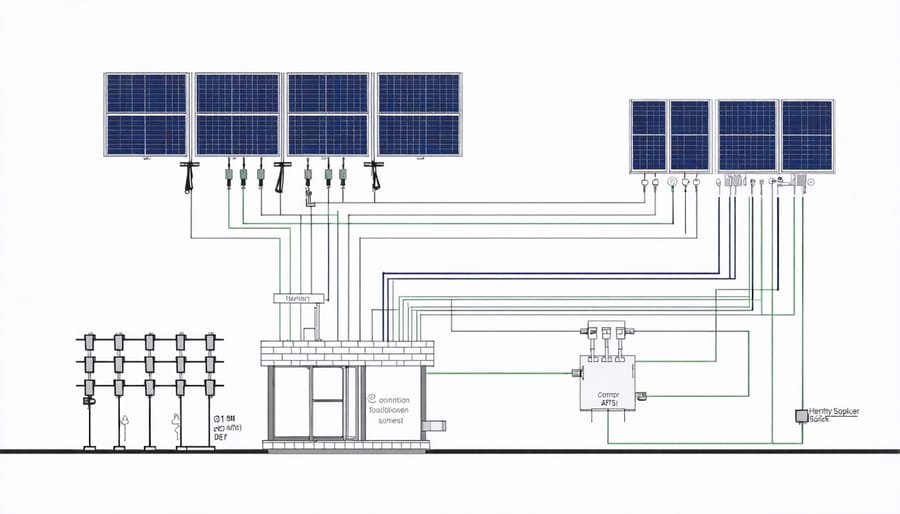
Smart grid connectivity represents a crucial advancement in building integrated solar systems, enabling seamless communication between photovoltaic components and the broader power infrastructure. These intelligent networks optimize energy distribution, storage, and consumption through sophisticated monitoring and control systems. As global solar policies continue to evolve, smart grid integration has become increasingly essential for maximizing BIPV efficiency.
Modern BIPV installations incorporate advanced monitoring systems that provide real-time data on energy production, consumption patterns, and system performance. These systems utilize sensors and smart meters to collect comprehensive analytics, enabling building managers to optimize energy usage and quickly identify potential issues. The integration of artificial intelligence and machine learning algorithms further enhances system efficiency by predicting energy demands and automatically adjusting power distribution.
Smart inverters play a vital role in grid connectivity, providing sophisticated power quality management and grid support functions. These devices enable bi-directional power flow, allowing buildings to both consume and export energy as needed. During peak production periods, excess energy can be stored in battery systems or fed back into the grid, while during low production periods, the system can automatically draw power from the grid or stored reserves.
Grid stability features, including voltage regulation and frequency response, ensure that BIPV systems contribute positively to overall grid reliability while maintaining compliance with utility requirements and technical standards.
Energy Storage Solutions
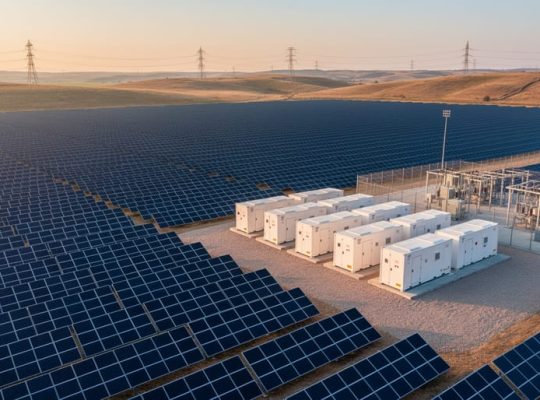
Energy storage solutions play a crucial role in maximizing the efficiency and reliability of building integrated solar systems. Modern battery systems, particularly lithium-ion technologies, enable buildings to store excess solar power generated during peak production hours for use during periods of low generation or high demand.
Power management systems (PMS) serve as the intelligence behind energy storage integration, continuously monitoring energy production, consumption, and storage levels. These sophisticated systems optimize power flow between solar panels, batteries, and building loads while maintaining grid stability and ensuring seamless operation during varying weather conditions.
The integration of smart inverters with storage systems enables bi-directional power flow, allowing buildings to participate in grid services such as demand response and peak shaving. This capability not only enhances building energy autonomy but also provides potential revenue streams through grid support services.
Recent technological advances have introduced modular battery solutions that can be scaled according to building requirements. These systems typically include thermal management, safety controls, and remote monitoring capabilities. When combined with predictive analytics and weather forecasting, modern storage solutions can anticipate energy needs and adjust charging/discharging cycles accordingly.
For optimal performance, storage systems should be sized based on factors including daily energy consumption patterns, peak demand charges, and available solar generation capacity. Professional system design ensures proper integration with existing electrical infrastructure while meeting local building codes and safety standards.
Installation and Infrastructure Requirements
Structural Considerations
The integration of solar systems into building structures requires careful evaluation of the existing building’s load-bearing capacity and structural integrity. A comprehensive structural analysis must be performed to assess whether the building can support the additional weight of solar panels, mounting systems, and associated equipment. Typical BIPV installations add approximately 3-5 pounds per square foot to the roof load, though this varies depending on the system type and installation method.
Engineers must consider several critical factors during structural assessment, including roof composition, support beam strength, and wind load calculations. Building codes and local regulations often stipulate specific requirements for structural modifications and reinforcement. For retrofit installations, particular attention must be paid to the age and condition of existing structural elements.
The orientation and angle of solar components also impact structural requirements, as they affect both energy generation efficiency and wind resistance. Modern BIPV systems often incorporate lightweight materials and innovative mounting solutions to minimize structural impact while maintaining optimal performance. Regular structural inspections and maintenance protocols should be established to ensure long-term system stability and building safety.
Electrical Infrastructure
The electrical infrastructure of building integrated solar systems requires careful planning and implementation to ensure optimal performance and safety. A comprehensive wiring system connects individual photovoltaic components through dedicated conduits, while specialized inverters convert DC power from solar cells to AC power for building use. These systems must comply with National Electrical Code (NEC) requirements and local regulations for proper integration.
Modern BIPV installations typically utilize smart inverters that enable bidirectional power flow and advanced grid communication capabilities. This technology, coupled with the rise in domestic solar production, has made system integration more streamlined and efficient. The electrical design must include appropriate disconnect switches, surge protection devices, and monitoring systems to ensure safe operation and maintenance.
Connection requirements vary based on utility providers and local jurisdiction, but typically include revenue-grade metering, interconnection equipment, and protection systems that prevent islanding. The infrastructure must also accommodate energy storage systems when present, requiring additional circuit breakers, control systems, and safety mechanisms for seamless power management.
Maintenance Protocols
Regular maintenance of building integrated solar systems is essential for optimal performance and longevity. A comprehensive maintenance protocol typically includes quarterly visual inspections of solar components, annual electrical system checks, and bi-annual cleaning of photovoltaic surfaces to remove dust and debris. Modern BIPV installations incorporate automated monitoring systems that track power output, system efficiency, and potential faults in real-time.
Professional maintenance teams should inspect mounting hardware, weather sealing, and electrical connections while documenting any signs of degradation or damage. Temperature sensors and micro-inverter monitoring enable precise performance tracking at the individual panel level, allowing for early detection of efficiency losses or malfunctions.
Remote monitoring capabilities provide facility managers with continuous system oversight through dedicated software platforms. These systems generate performance reports, maintenance alerts, and energy production data, enabling proactive maintenance scheduling and optimization of system output. Weather stations integrated with BIPV systems help correlate environmental conditions with power generation, providing valuable data for system optimization and troubleshooting.
Maintenance protocols should also include regular updates to monitoring software and periodic calibration of sensors to ensure accurate performance assessment and reporting.
Economic and Environmental Benefits
Return on Investment
Building integrated solar systems offer compelling financial returns through multiple revenue streams and cost-saving mechanisms. The initial investment typically yields returns within 5-10 years, depending on factors such as installation size, local electricity rates, and available renewable energy incentives. Property owners can expect a 20-30% reduction in energy costs, with additional savings from reduced building material expenses since BIPV components replace conventional construction materials.
The financial benefits extend beyond direct energy savings. BIPV systems can increase property values by 3-4% on average, while also qualifying for accelerated depreciation benefits in many jurisdictions. Commercial buildings with BIPV installations often command premium rental rates and attract environmentally conscious tenants, contributing to higher occupancy rates.
Many governments offer substantial financial incentives, including tax credits, grants, and feed-in tariffs. These programs can offset 30-50% of initial installation costs. Additionally, net metering policies allow property owners to sell excess electricity back to the grid, creating a secondary income stream.
When calculating ROI, consider the system’s 25-30 year lifespan, minimal maintenance requirements, and protection against rising energy costs. Modern BIPV solutions maintain 80% or higher efficiency after 25 years, ensuring long-term financial benefits while contributing to sustainability goals.
Environmental Impact
Building integrated solar systems significantly reduce the environmental footprint of modern construction by combining renewable energy generation with conventional building materials. Studies indicate that BIPV installations can offset between 20-50% of a building’s operational carbon emissions, depending on the system size and local climate conditions.
The manufacturing process of BIPV components has become increasingly sustainable, with manufacturers adopting eco-friendly practices and reducing waste through improved production techniques. When compared to traditional building materials combined with separate solar installations, BIPV systems require fewer raw materials overall, leading to reduced embodied carbon in construction.
The environmental benefits extend beyond carbon reduction. BIPV systems minimize land use impacts since they integrate directly into existing structures rather than requiring dedicated ground space. This approach preserves natural habitats and reduces the ecological disruption associated with large-scale solar farms.
Additionally, BIPV technology contributes to urban heat island mitigation. The solar panels absorb solar radiation that would otherwise heat building surfaces, helping regulate urban temperatures. Studies have shown that buildings with integrated solar installations can reduce local ambient temperatures by 2-4°C during peak summer conditions.
These systems also support water conservation efforts. When properly designed, BIPV installations can channel rainwater for collection and reuse, while their cleaning requirements are typically integrated into regular building maintenance schedules, minimizing additional water consumption.
Building Integrated Photovoltaics (BIPV) represents a pivotal advancement in sustainable infrastructure development, marking a significant shift from traditional construction methods to energy-generating buildings. As urbanization continues to accelerate and energy demands grow, BIPV systems offer a sophisticated solution that combines architectural functionality with renewable energy generation.
The integration of solar technology into building materials has demonstrated its potential to revolutionize both new construction and renovation projects. Beyond energy generation, BIPV systems contribute to reduced carbon emissions, decreased operational costs, and enhanced building performance. The dual functionality of these systems – serving as both building envelope and power generator – makes them particularly valuable in dense urban environments where space optimization is crucial.
Looking ahead, the role of BIPV in sustainable infrastructure will likely expand as technology advances and costs continue to decrease. The growing emphasis on net-zero buildings and carbon neutrality in construction codes worldwide further solidifies BIPV’s position as a cornerstone of future urban development. Additionally, the increasing collaboration between architects, engineers, and solar technology developers is driving innovation in BIPV design and efficiency.
For the construction industry to meet ambitious climate goals and energy efficiency targets, BIPV implementation must become standard practice rather than an alternative option. The technology’s ability to seamlessly combine form and function while contributing to sustainable energy generation makes it an indispensable tool in creating the resilient, energy-efficient buildings of tomorrow.