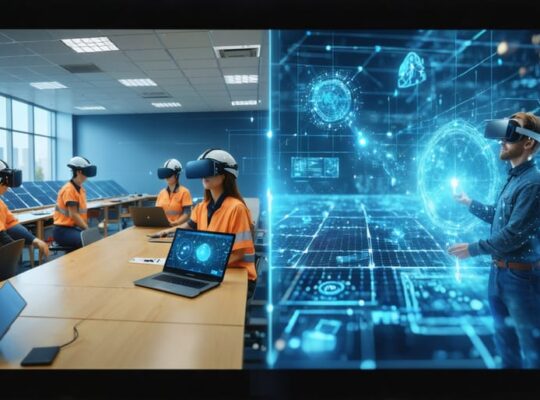
As Generation Z increasingly shapes the modern workplace, organizations face a pivotal moment in redefining diversity and inclusion strategies. Recent data shows that 83% of Gen Z employees consider a company’s commitment to diversity as a crucial factor in their job selection process. This demographic, born between 1997 and 2012, brings unprecedented expectations for authentic inclusion, digital fluency, and social consciousness to their professional environments.
Successfully integrating Gen Z’s perspective on diversity requires a fundamental shift in traditional workplace practices. Beyond conventional DEI initiatives, organizations must embrace transparent pay practices, establish reverse mentoring programs, and create platforms for open dialogue about social justice issues. This generation’s unique experiences with technology, global connectivity, and social movements have fostered an innate understanding of intersectionality and a demand for meaningful action over symbolic gestures.
For organizations committed to building truly inclusive workplaces, understanding Gen Z’s approach to diversity presents both challenges and opportunities. Their preference for organizations that demonstrate measurable progress in DEI initiatives, coupled with their willingness to advocate for change, is reshaping corporate culture and setting new standards for workplace equity and inclusion.
Why Gen Z Demands Inclusive Solar Workplaces

Social Justice Meets Solar Innovation
For Generation Z, environmental sustainability and social equity are intrinsically linked, reflecting a holistic approach to workplace reform. This demographic understands that communities most impacted by climate change often face systemic workplace barriers, driving their demand for employers who address both challenges simultaneously.
In the solar industry, Gen Z professionals are pioneering initiatives that combine diversity goals with environmental impact. Companies are responding by implementing mentorship programs specifically designed for underrepresented groups in clean energy, while ensuring their solar projects benefit diverse communities. These efforts include multilingual solar education programs, partnerships with minority-owned businesses, and targeted recruitment in historically marginalized areas.
Gen Z’s influence has led to the development of “environmental justice scorecards” for solar projects, measuring both carbon reduction and community benefit metrics. Progressive solar companies now regularly assess their supply chains for both environmental sustainability and fair labor practices, recognizing that workplace equity extends beyond their immediate operations.
This generation’s integrated approach to justice has reshaped corporate sustainability goals, ensuring that DEI initiatives and environmental programs work in tandem rather than in isolation.
Digital-First Collaboration and Inclusion
Generation Z brings a distinctive digital-native perspective to workplace collaboration, seamlessly integrating virtual tools and platforms into their daily workflows. Their approach to inclusive teamwork leverages advanced workforce development technologies while emphasizing authentic connection across diverse teams.
This cohort demonstrates exceptional ability in managing hybrid work environments, utilizing digital collaboration tools to ensure all team members have equal opportunities to contribute, regardless of their physical location or work arrangement. They naturally embrace asynchronous communication methods, making workplace participation more accessible for colleagues across different time zones and those with varying schedules or responsibilities.
Gen Z professionals actively champion digital accessibility, advocating for inclusive technology solutions that accommodate different abilities and working styles. They frequently initiate the adoption of tools that support real-time translation, closed captioning, and alternative text descriptions, ensuring that technical discussions and team meetings are accessible to all participants.
Their collaborative approach extends beyond traditional hierarchical structures, fostering flat organizational models where ideas flow freely across departments and experience levels. This digital-first mindset helps create more equitable workplace environments where diverse perspectives are actively sought and valued.
Building a Gen Z-Friendly Solar Workplace
Inclusive Recruitment in Solar Tech
The solar technology sector is pioneering innovative recruitment strategies to attract diverse Gen Z talent, recognizing that this generation values both environmental impact and workplace inclusivity. Companies are implementing blind resume screening processes to minimize unconscious bias and focusing on skills-based assessments rather than traditional credentials alone.
Progressive solar firms are leveraging digital platforms preferred by Gen Z, including LinkedIn, Instagram, and TikTok, to showcase their commitment to sustainability and diverse workplace culture. Virtual reality (VR) technology is being utilized for job fairs and facility tours, making opportunities more accessible to candidates from various geographic and socioeconomic backgrounds.
Partnerships with historically black colleges and universities (HBCUs), women’s colleges, and technical schools are helping create direct pipelines for diverse talent. Companies are offering paid internships, mentorship programs, and apprenticeships specifically designed to support underrepresented groups in solar technology.
Many organizations have implemented structured interview processes with diverse hiring panels and standardized questions to ensure fair evaluation of all candidates. They’re also highlighting employee resource groups, sustainability initiatives, and professional development opportunities in their recruitment materials.
To measure success, companies are tracking diversity metrics throughout the hiring funnel and adjusting strategies based on data-driven insights. This includes monitoring application rates, interview success rates, and retention statistics across different demographic groups to ensure recruitment efforts are truly inclusive and effective.
Mentorship and Growth Opportunities
Effective mentorship programs are crucial for fostering Gen Z talent development while promoting diversity and inclusion in the workplace. Organizations can implement structured mentoring relationships that pair experienced professionals with emerging talent from diverse backgrounds, ensuring knowledge transfer and career advancement opportunities.
Cross-generational mentoring initiatives prove particularly effective, allowing Gen Z employees to share their digital expertise while learning from seasoned professionals’ industry experience. These programs can be enhanced through AI-powered training programs that personalize learning paths and track progress systematically.
To maximize impact, organizations should establish clear mentorship objectives aligned with diversity goals, including regular check-ins, skill-building workshops, and networking opportunities. Creating employee resource groups (ERGs) focused on specific demographics or interests can provide additional support systems and leadership development platforms.
Professional development initiatives should incorporate diverse perspectives in their design and implementation, featuring:
– Rotating leadership assignments
– Cross-functional project opportunities
– Cultural competency training
– Regular feedback mechanisms
– Career mapping sessions
Success metrics for these programs should track both quantitative outcomes (promotion rates, retention) and qualitative feedback (engagement levels, sense of belonging) across different demographic groups, ensuring equitable growth opportunities for all participants.
Technology and Workplace Flexibility
Technology plays a pivotal role in enabling workplace flexibility for Gen Z employees in the solar industry. This digital-native generation expects seamless integration of remote work capabilities, collaborative platforms, and digital training solutions that accommodate diverse working styles and personal commitments.
Modern solar companies are implementing hybrid work models that combine on-site operations with remote capabilities, allowing employees to maintain work-life balance while meeting project deadlines. Cloud-based project management tools, virtual reality training platforms, and real-time communication systems enable teams to collaborate effectively regardless of location.
Flexible scheduling options, including compressed workweeks and flexible start times, acknowledge that productivity patterns vary among individuals. This adaptability particularly benefits neurodivergent employees who may perform better during non-traditional hours or in different environmental settings.
Companies are also investing in accessibility technology to ensure equal participation for employees with disabilities. This includes screen readers, speech-to-text software, and ergonomic workstation adaptations. Mobile applications for field technicians allow real-time data collection and remote supervision, reducing the need for constant physical presence at installation sites.
These technological adaptations not only enhance workplace inclusivity but also improve operational efficiency and employee satisfaction, making solar companies more attractive to Gen Z talent while fostering a culture of innovation and adaptability.

Measuring Success: D&I Metrics for Solar Companies
Quantitative Diversity Metrics
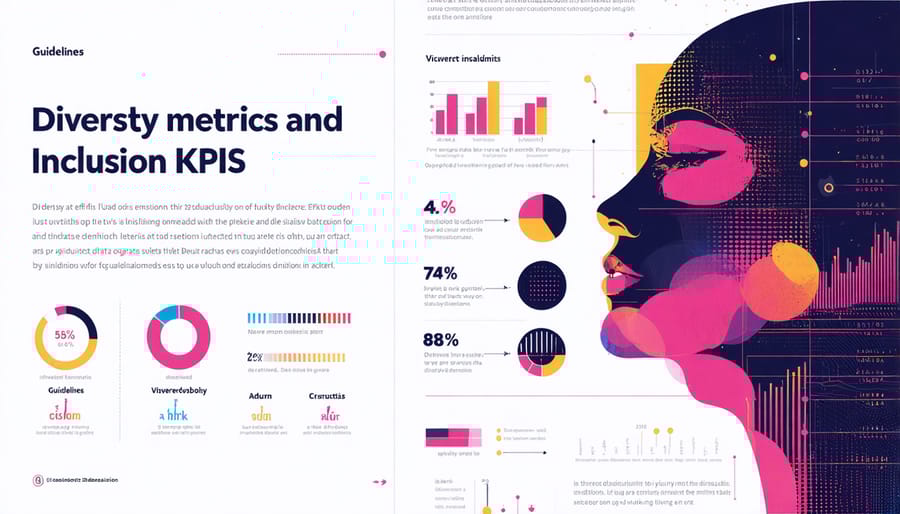
To effectively track and measure Gen Z diversity and inclusion progress in the workplace, organizations must implement robust quantitative metrics. Key performance indicators should include representation percentages across different organizational levels, focusing on demographic breakdowns of Gen Z employees by race, ethnicity, gender identity, and other relevant characteristics.
Essential metrics include recruitment pipeline diversity ratios, showing the percentage of Gen Z candidates from underrepresented groups at each hiring stage. Organizations should track promotion rates and career advancement statistics, comparing outcomes across different demographic groups within their Gen Z workforce. Employee retention rates, broken down by demographic categories, provide valuable insights into workplace inclusion effectiveness.
Pay equity analysis is crucial, examining compensation data to ensure Gen Z employees receive equal pay for equal work regardless of their background. Organizations should also monitor participation rates in leadership development programs and mentorship initiatives among Gen Z employees from various demographic groups.
Engagement survey responses, segmented by demographic categories, help measure inclusion sentiment and belonging. Track employee resource group participation rates and the impact of diversity initiatives through before-and-after measurements. Regular reporting on these metrics, typically quarterly or annually, enables organizations to identify trends, set meaningful targets, and adjust diversity strategies as needed.
Remember to benchmark these metrics against industry standards and maintain consistent measurement methodologies for accurate trend analysis over time.
Qualitative Inclusion Indicators
Assessing workplace inclusion for Gen Z requires both quantitative and qualitative indicators that measure the effectiveness of diversity initiatives and overall cultural health. Key qualitative indicators include regular pulse surveys that gauge employee sentiment around belonging, psychological safety, and team dynamics. These surveys should incorporate open-ended questions that allow Gen Z employees to express their experiences authentically.
Focus groups and listening sessions provide valuable insights into workplace culture, offering safe spaces for Gen Z employees to share feedback about inclusion challenges and opportunities. Regular one-on-one meetings between managers and Gen Z team members help track individual experiences and address concerns proactively.
Employee resource groups (ERGs) serve as important indicators of inclusion through their activity levels, engagement rates, and impact on policy changes. The quality of mentorship programs, particularly those supporting underrepresented groups, demonstrates commitment to career development and inclusion.
Documentation of inclusive decision-making processes, such as diverse interview panels and transparent promotion criteria, provides evidence of systematic inclusion efforts. Leadership behavior indicators, including executive participation in diversity initiatives and modeling inclusive communication, signal organizational commitment to cultural change.
Exit interviews specifically focused on inclusion-related factors help identify areas for improvement, while success stories and testimonials from Gen Z employees provide qualitative validation of effective inclusion practices. These indicators, when regularly monitored and acted upon, create a comprehensive framework for assessing and enhancing workplace inclusion for Gen Z professionals.
Case Studies: Success Stories in Solar D&I
Several solar companies have successfully implemented Gen Z-focused diversity and inclusion initiatives, demonstrating remarkable results in workforce development and innovation. SolarTech Solutions, a leading manufacturer of photovoltaic panels, launched their “Future Solar Leaders” program in 2021, which specifically targets Gen Z graduates from diverse backgrounds. The program combines modern solar training methods with mentorship opportunities, resulting in a 40% increase in Gen Z hiring and a 90% retention rate after one year.
Bright Horizons Solar implemented a reverse mentoring initiative where Gen Z employees partner with senior leadership to share insights on technological innovation and sustainability practices. This program has led to the development of three new environmental impact assessment tools and improved cross-generational collaboration within the company.
Green Energy Solutions created an inclusive recruitment pipeline through partnerships with historically black colleges and universities (HBCUs) and Hispanic-serving institutions (HSIs). Their “Solar Scholars” program provides internships, scholarships, and guaranteed job interviews to underrepresented students. Since its inception in 2020, the program has increased Gen Z diversity hiring by 65% and improved overall workplace satisfaction scores by 28%.
Another success story comes from SunPower Industries, which established a Gen Z advisory board to influence company policies and practices. This initiative resulted in the implementation of flexible work arrangements, enhanced digital collaboration tools, and sustainability-focused project teams. The company reported a 45% increase in Gen Z applications and improved project completion rates through cross-functional team collaboration.
These case studies demonstrate that successful Gen Z inclusion in the solar industry requires a multi-faceted approach combining educational partnerships, mentorship opportunities, and meaningful involvement in decision-making processes. Companies that have embraced these strategies have seen measurable improvements in innovation, employee satisfaction, and business outcomes.
As organizations continue to evolve, the integration of Gen Z’s perspective on diversity and inclusion represents not just a trend but a fundamental shift in workplace dynamics. The evidence clearly demonstrates that companies embracing Gen Z’s values around diversity, equity, and inclusion are experiencing enhanced innovation, improved employee satisfaction, and stronger market performance.
Looking ahead, organizations must focus on creating sustainable, long-term strategies that align with Gen Z’s expectations while fostering genuine inclusivity. This includes developing transparent DEI metrics, implementing technology-driven solutions for bias reduction, and maintaining consistent communication channels across generational divides.
Key success factors will involve authentic leadership commitment, regular assessment of inclusion initiatives, and adaptable policies that evolve with workforce needs. Organizations should continue investing in mentorship programs, employee resource groups, and professional development opportunities that support diverse talent.
The future workplace will likely see increased emphasis on psychological safety, collaborative decision-making, and innovative approaches to inclusive leadership. Companies that successfully integrate Gen Z’s perspective on diversity and inclusion will be better positioned to attract top talent, drive innovation, and maintain competitive advantage in an increasingly diverse global marketplace.
As Gen Z continues to shape workplace culture, their influence will undoubtedly lead to more equitable, inclusive, and dynamic organizational environments that benefit all generations of workers.