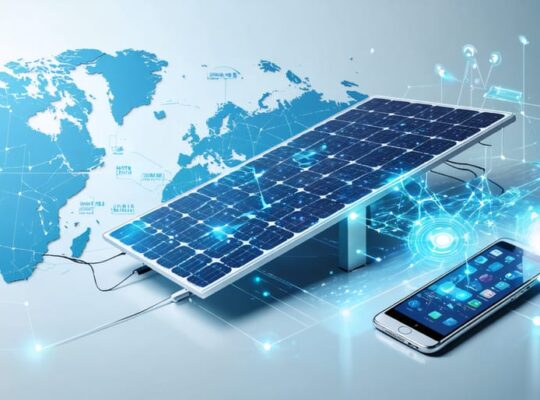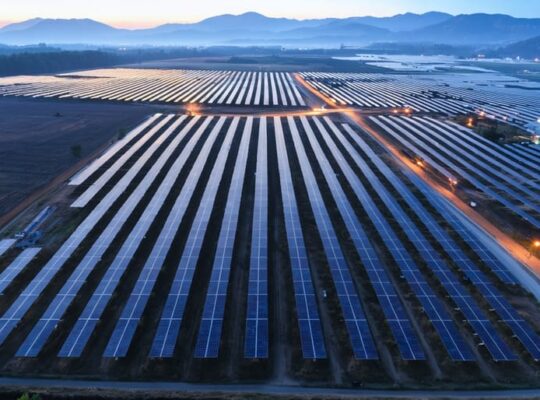
Decentralized energy systems are revolutionizing how we generate, distribute, and consume power, marking a paradigm shift from traditional centralized grid infrastructure. By dispersing energy generation across multiple smaller-scale facilities—from rooftop solar arrays to community wind farms—these systems create a more resilient, efficient, and democratized energy landscape. Rather than relying on massive power plants and long-distance transmission lines, decentralized networks enable communities to produce power closer to where it’s consumed, reducing transmission losses and increasing energy independence.
The integration of smart grid technologies, advanced energy storage solutions, and sophisticated demand-response systems has made decentralized energy increasingly viable and attractive. These systems not only enhance grid reliability and reduce environmental impact but also empower consumers to become active participants in the energy market as “prosumers”—both producing and consuming energy. As climate change concerns intensify and renewable technology costs continue to decline, decentralized energy systems represent a crucial pathway toward a more sustainable and equitable energy future, offering communities greater control over their energy resources while fostering local economic development and environmental stewardship.
This transformative approach to energy infrastructure promises to redefine the relationship between power providers and consumers, creating a more dynamic, responsive, and sustainable energy ecosystem for generations to come.
Understanding Decentralized Solar Energy Systems
Key Components and Technologies
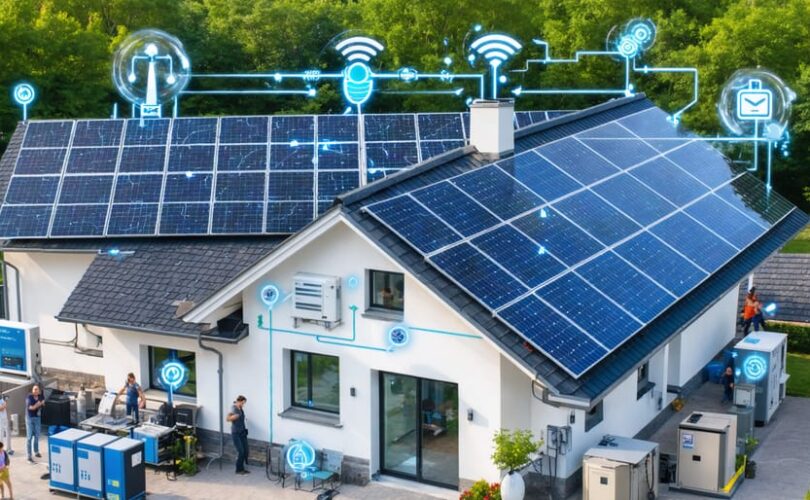
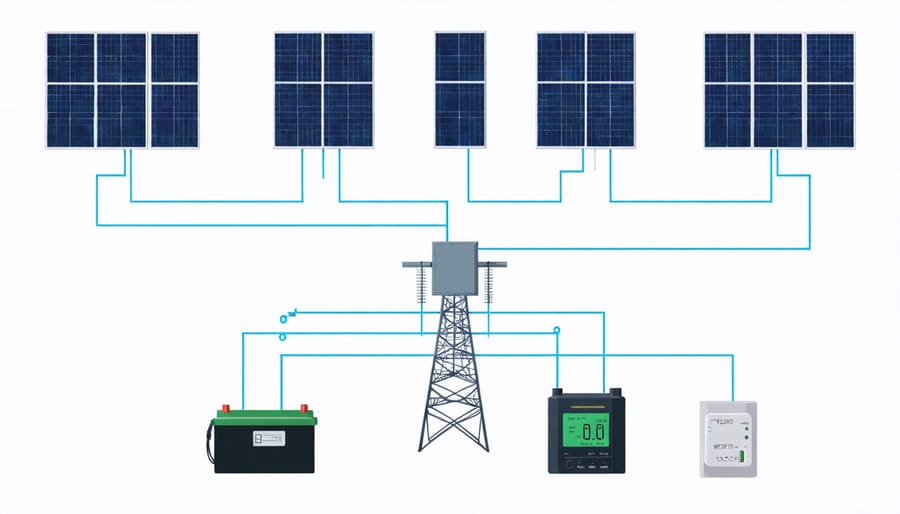
A decentralized energy system relies on three fundamental components working in harmony: solar photovoltaic (PV) modules, energy storage systems, and smart grid infrastructure. Modern PV modules utilize advanced semiconductor materials to convert sunlight directly into electricity, with typical efficiency rates ranging from 15% to 22%. These modules are designed with anti-reflective coatings and optimized cell architecture to maximize energy capture throughout the day.
Energy storage systems, primarily utilizing lithium-ion battery technology, serve as the backbone of decentralized networks. These systems enable load shifting, peak shaving, and continuous power supply during non-generating hours. Advanced battery management systems (BMS) monitor cell health, regulate charging cycles, and ensure optimal performance while extending battery life.
Smart grid integration ties these components together through sophisticated control systems and communication protocols. Bidirectional power flow enables dynamic energy exchange between consumers and the grid, while smart meters provide real-time consumption data. This infrastructure incorporates advanced monitoring systems, power electronics, and automated demand response capabilities, ensuring efficient distribution and management of energy resources while maintaining grid stability.
Benefits of Decentralization
Decentralized energy systems offer substantial advantages in terms of reliability, efficiency, and system resilience. By distributing generation across multiple locations, these systems significantly reduce the risk of widespread power outages that can affect centralized grids. When one generation point experiences issues, others continue operating, ensuring continuous power supply to connected communities.
The proximity between generation and consumption points minimizes transmission losses, improving overall system efficiency. This localized approach reduces the energy lost during long-distance transmission, which typically accounts for 8-15% of electricity in traditional centralized systems. Additionally, decentralized systems can better accommodate peak demand periods through strategic load management and storage solutions.
These systems demonstrate remarkable resilience against both natural disasters and security threats. Their modular nature allows for rapid repairs and upgrades without affecting the entire network. Furthermore, decentralized energy systems support greater energy independence and market competition, leading to more competitive pricing and innovative service offerings.
From an environmental perspective, decentralized systems facilitate easier integration of renewable energy sources, supporting local sustainability goals while reducing carbon emissions. They also enable communities to tailor their energy solutions to local resources and needs, maximizing system effectiveness.
Solar Energy Cooperatives: Structure and Operations
Organizational Framework
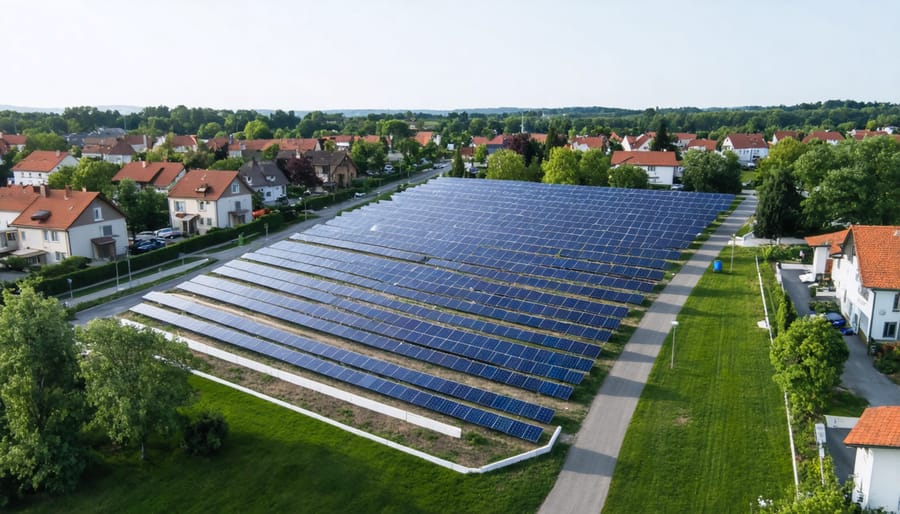
Decentralized energy systems often operate through cooperative ownership models that distribute control and benefits among multiple stakeholders. These structures typically involve community members, local businesses, and institutional partners who collectively own and manage the energy infrastructure. The organizational framework usually consists of a board of directors elected by members, technical committees for system operation, and administrative teams handling financial and legal matters.
Governance in these systems follows democratic principles, with major decisions requiring member approval through established voting procedures. Many successful implementations utilize peer-to-peer solar networks to facilitate energy trading and resource allocation among participants. This approach ensures transparent operations and equitable distribution of benefits.
The framework typically includes:
– Membership agreements defining rights and responsibilities
– Clear protocols for energy distribution and pricing
– Maintenance and upgrade scheduling procedures
– Financial management systems for revenue sharing
– Risk mitigation strategies
– Compliance monitoring mechanisms
Most successful decentralized energy cooperatives implement tiered membership structures, allowing for various levels of investment and participation. This flexibility enables broader community involvement while maintaining operational efficiency. Regular audits and performance reviews ensure accountability and help identify areas for improvement, while structured communication channels keep all stakeholders informed and engaged in the system’s ongoing development.
Technical Implementation
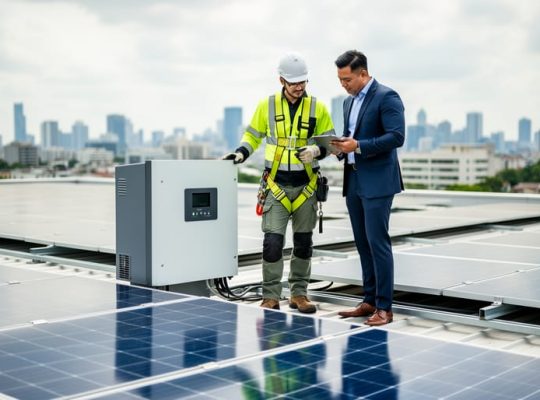
The implementation of decentralized energy systems requires careful planning and systematic execution across multiple phases. Initial site assessment involves analyzing local energy consumption patterns, available renewable resources, and grid infrastructure capabilities. Professional engineers conduct detailed feasibility studies to determine optimal system sizing and component selection.
Installation typically begins with establishing the primary power generation units, such as solar panels or wind turbines, followed by implementing smart metering systems and energy management controls. Advanced monitoring equipment ensures real-time performance tracking and enables predictive maintenance protocols. The integration of energy storage solutions, like battery banks or thermal storage systems, is crucial for maintaining system stability and reliability.
System optimization relies on sophisticated software algorithms that balance supply and demand while maximizing efficiency. Regular maintenance schedules include component inspections, performance verification, and calibration of monitoring systems. Technicians utilize diagnostic tools to identify potential issues before they impact system performance.
Modern decentralized systems incorporate automated fault detection and self-healing capabilities, reducing downtime and maintenance costs. Updates to control software and security protocols are performed remotely, ensuring system resilience against cyber threats. Training programs for local maintenance teams ensure sustainable operation and quick response to technical issues.
For long-term success, implementing organizations must establish clear operational procedures, emergency response protocols, and regular performance review cycles. This comprehensive approach ensures system reliability while maximizing energy generation and distribution efficiency.
Community Impact and Economic Benefits
Local Economic Growth
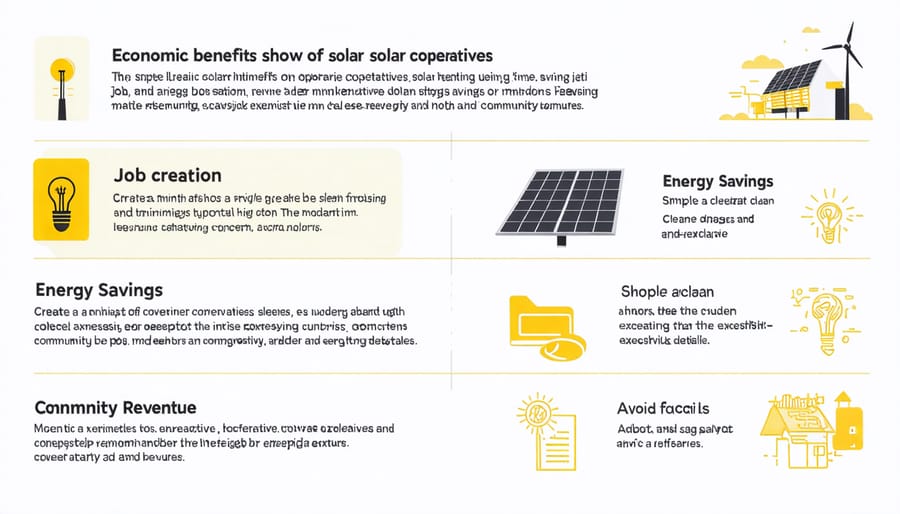
Decentralized energy systems serve as powerful catalysts for local economic development, creating diverse employment opportunities across multiple sectors. The implementation of these systems generates jobs in installation, maintenance, system design, and project management, while fostering the growth of ancillary industries such as manufacturing and distribution of components.
Communities that adopt decentralized energy solutions often experience significant economic benefits through reduced energy costs and increased local spending. By utilizing solar power financial models, municipalities and businesses can reinvest energy savings into local infrastructure and development projects.
The economic impact extends beyond direct employment, creating opportunities for local enterprises to provide supporting services such as energy consulting, equipment supply, and technological support. Educational institutions benefit through increased demand for renewable energy training programs, while local financial institutions gain new lending opportunities for energy projects.
Research indicates that decentralized energy systems typically generate 2-3 times more local jobs compared to centralized energy infrastructure, with a higher percentage of long-term positions in operations and maintenance. This sustainable economic growth model strengthens community resilience while promoting energy independence and environmental stewardship.
Energy Democracy
Energy democracy represents a transformative approach to power generation and distribution, placing control directly in the hands of local communities. This concept extends beyond mere technological implementation, encompassing social equity, economic opportunity, and environmental stewardship. Communities that embrace energy democracy gain the ability to make autonomous decisions about their energy sources, pricing structures, and distribution methods.
Through decentralized energy systems, traditionally marginalized communities can achieve greater energy independence while actively participating in the clean energy transition. This democratization process involves establishing community-owned solar installations, microgrids, and energy storage facilities, enabling residents to become both producers and consumers of renewable energy.
The benefits of energy democracy include reduced energy costs, improved grid resilience, and local job creation. Communities can reinvest energy revenues into local infrastructure, education, and additional sustainable initiatives. This model also promotes energy literacy and environmental awareness among community members, fostering a more informed and engaged citizenry.
Successful implementation requires robust community engagement, transparent governance structures, and equitable participation mechanisms. Many communities have established energy cooperatives and local utilities that demonstrate how collective ownership and decision-making can lead to more sustainable and socially just energy systems.
Implementation Challenges and Solutions
Technical Challenges
The integration of decentralized energy systems into existing power grids presents several significant technical challenges that require careful consideration and innovative solutions. Grid stability and power quality management become more complex as the number of distributed generation sources increases. Voltage fluctuations and frequency variations must be carefully managed to maintain system reliability, particularly when dealing with intermittent renewable energy sources.
System optimization poses another crucial challenge, as operators must balance supply and demand across multiple generation points while maintaining grid frequency within acceptable limits. This requires sophisticated control systems and advanced monitoring equipment to coordinate various distributed energy resources effectively.
Energy storage integration remains a critical technical hurdle, as storage systems must be properly sized and strategically placed throughout the network to manage peak loads and ensure continuous power supply. The implementation of smart grid technologies and advanced metering infrastructure is essential for real-time monitoring and control, but these systems require significant investment in both hardware and software solutions.
Communication infrastructure presents another technical challenge, as reliable data exchange between distributed generation units, storage systems, and control centers is crucial for system stability. Cybersecurity concerns also need to be addressed to protect the distributed network from potential threats and ensure system integrity.
Additionally, power flow management becomes more complex in bidirectional distribution networks, requiring advanced protection schemes and control algorithms to maintain system stability and prevent equipment damage.
Regulatory Framework
The regulatory landscape for decentralized energy systems varies significantly across jurisdictions, reflecting evolving latest solar industry trends and policy frameworks. Key regulations typically address grid interconnection standards, safety requirements, and operational protocols. System operators must comply with national electrical codes, local building permits, and utility interconnection agreements.
Many jurisdictions have implemented feed-in tariffs, net metering policies, and renewable portfolio standards to support decentralized energy adoption. These mechanisms create economic incentives while ensuring system reliability and safety. Environmental compliance requirements often include impact assessments and waste management protocols, particularly for battery storage components.
Licensing and certification requirements vary by region, with most requiring qualified professionals for system design and installation. Regular safety inspections and maintenance protocols are mandatory in most jurisdictions to ensure ongoing compliance and system performance.
Recent regulatory developments have focused on cybersecurity standards and data privacy requirements, reflecting the increasing digitalization of energy systems. Grid operators must implement robust security measures to protect against cyber threats while maintaining system reliability.
Understanding and navigating these regulatory requirements is crucial for successful implementation. Organizations should engage with local authorities, utilities, and qualified professionals early in the planning process to ensure compliance and optimize system design within regulatory constraints.
Future Prospects and Innovations
The future of decentralized energy systems is being shaped by rapid technological advancement and innovative solutions. Artificial Intelligence and machine learning algorithms are enhancing grid management capabilities, enabling more efficient energy distribution and consumption prediction. The integration of blockchain-based energy trading platforms is revolutionizing peer-to-peer transactions, ensuring transparency and security in energy exchange.
Advanced battery storage technologies are emerging as game-changers, with solid-state batteries and flow batteries showing promise for grid-scale energy storage. These innovations address intermittency challenges and enable better integration of renewable energy sources. Smart grid technologies are evolving to incorporate Internet of Things (IoT) devices, enabling real-time monitoring and automated response systems.
Vehicle-to-grid (V2G) integration is gaining traction, allowing electric vehicles to serve as mobile energy storage units. This bidirectional power flow capability creates new opportunities for grid stabilization and energy trading. Advanced microgrids are becoming more sophisticated, incorporating self-healing capabilities and adaptive load management systems.
The development of next-generation solar cells, including perovskite and multi-junction cells, promises higher efficiency and lower costs. These technological improvements, combined with innovative financing models and supportive regulatory frameworks, are making decentralized energy systems more accessible and economically viable.
Looking ahead, the integration of quantum computing could revolutionize grid optimization and energy trading algorithms. Virtual power plants (VPPs) are expected to become more prevalent, aggregating distributed energy resources to provide grid services more effectively. These developments suggest a future where decentralized energy systems become the backbone of a more resilient and sustainable energy infrastructure.
Decentralized energy systems represent a transformative approach to power generation and distribution, offering communities greater energy independence and resilience. Through the integration of renewable technologies, smart grid capabilities, and innovative storage solutions, these systems are proving to be viable alternatives to traditional centralized power infrastructure. As technology continues to advance and costs decrease, we can expect to see wider adoption of decentralized energy solutions across both developed and developing regions. The future outlook is particularly promising, with emerging technologies like blockchain-based energy trading and advanced microgrid management systems poised to further enhance system efficiency and flexibility. Success will ultimately depend on continued technological innovation, supportive policy frameworks, and strong community engagement in the transition toward a more sustainable and democratized energy landscape.