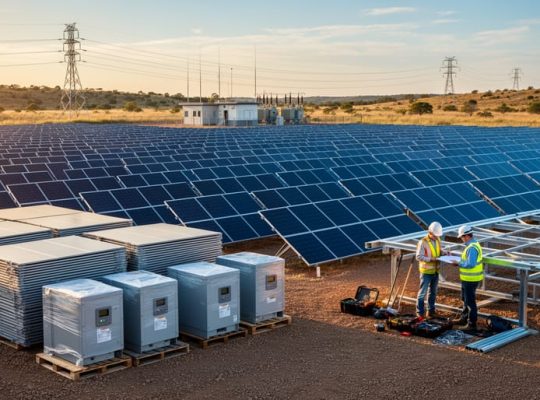
In today’s interconnected global economy, supply chain analysts stand at the critical intersection of international trade, data analytics, and operational efficiency. These professionals orchestrate the complex flow of goods and services across borders, leveraging advanced technology and strategic insight to optimize worldwide distribution networks. As organizations face unprecedented challenges – from geopolitical tensions to sustainability mandates – the role of global supply chain analysts has evolved from traditional logistics management to become a pivotal strategic function. These specialists combine deep analytical capabilities with cross-cultural competence to navigate complex international regulations, manage risk, and drive innovation in supply chain operations. Their expertise in forecasting market trends, implementing digital solutions, and developing resilient supply networks has become indispensable for organizations seeking to maintain competitive advantage in an increasingly volatile global marketplace.
The impact of their work extends beyond cost optimization, encompassing crucial aspects of sustainability, risk mitigation, and technological transformation. As businesses adapt to new paradigms in global trade and digital transformation, supply chain analysts are at the forefront of implementing solutions that balance efficiency with resilience, environmental responsibility with economic viability, and local considerations with global objectives.
The Evolution of PV Supply Chain Analysis
From Local to Global: The PV Supply Chain Transformation
The photovoltaic supply chain has undergone a remarkable transformation over the past two decades, evolving from localized manufacturing clusters into a sophisticated global network. In the early 2000s, solar manufacturing was primarily concentrated in a few regions, with limited international collaboration and relatively simple logistics. However, as demand for solar technology grew worldwide, modern supply chain management practices revolutionized the industry’s approach to production and distribution.
This evolution has created intricate networks spanning multiple continents, involving raw material suppliers, component manufacturers, assembly plants, and distribution centers. The complexity increased as specialized manufacturing processes emerged, requiring different regions to contribute specific components based on their technological expertise and cost advantages. For instance, polysilicon production became concentrated in certain areas, while cell manufacturing flourished in others, creating interdependencies that demand precise coordination and timing.
Today’s PV supply chain reflects a delicate balance between cost optimization, quality control, and risk management, requiring supply chain analysts to navigate geopolitical considerations, environmental regulations, and rapidly changing market dynamics.
Modern Challenges in Solar Supply Chain Management
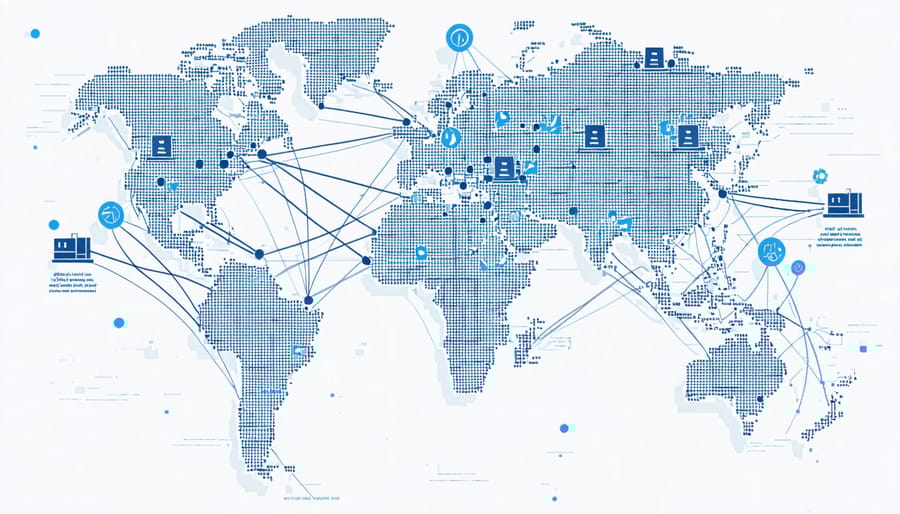
Supply chain analysts in the solar industry face unprecedented challenges as the sector experiences rapid growth and transformation. Recent global PV manufacturing trends highlight significant disruptions in raw material availability, particularly polysilicon and semiconductor components. These constraints have led to price volatility and extended lead times, requiring analysts to develop more robust forecasting models and risk mitigation strategies.
Geopolitical tensions and trade policies have introduced additional complexity to supply chain management, with tariffs and regulatory changes affecting procurement decisions and manufacturing locations. Supply chain analysts must navigate these challenges while ensuring compliance with environmental standards and sustainability requirements across the entire value chain.
The industry also grapples with logistics bottlenecks, warehouse capacity limitations, and the need for enhanced inventory management systems. As solar technology evolves rapidly, analysts must balance maintaining sufficient stock levels while avoiding obsolescence risks. This requires sophisticated demand forecasting tools and close collaboration with research and development teams to anticipate technological advances and their impact on supply chain operations.
Core Responsibilities of Global PV Supply Chain Analysts

Market Analysis and Forecasting
A crucial aspect of a global supply chain analyst’s role in the photovoltaic industry involves comprehensive market trends and forecasting to optimize supply chain operations. This responsibility requires analyzing vast datasets, monitoring global economic indicators, and understanding geopolitical factors that influence the solar industry’s supply and demand dynamics.
Analysts employ sophisticated forecasting models and predictive analytics tools to anticipate market fluctuations, component availability, and pricing trends. These insights help organizations make informed decisions about inventory management, production scheduling, and strategic sourcing relationships. By leveraging advanced statistical methods and machine learning algorithms, analysts can identify patterns in historical data and project future market conditions with greater accuracy.
The role also involves continuous assessment of emerging markets, technological innovations, and regulatory changes that might impact the supply chain. Analysts must evaluate factors such as raw material availability, manufacturing capacity, transportation costs, and regional demand variations to develop comprehensive market intelligence reports.
Understanding seasonal demand patterns, installation cycles, and project pipelines across different geographical regions enables analysts to recommend optimal inventory levels and distribution strategies. This proactive approach helps organizations maintain competitive advantages while minimizing supply chain disruptions and managing costs effectively.
Risk Assessment and Mitigation
Risk assessment and mitigation form critical components of a global supply chain analyst’s responsibilities in the photovoltaic industry. These professionals employ sophisticated analytical tools and methodologies to identify potential vulnerabilities across the entire supply network, from raw material procurement to final product delivery.
Key areas of focus include supplier reliability assessment, geopolitical risk analysis, and environmental impact evaluation. Analysts develop comprehensive risk matrices that consider factors such as natural disasters, political instability, trade restrictions, and market volatility. They also assess the financial health of key suppliers and evaluate alternative sourcing options to ensure supply chain resilience.
In the PV industry, particular attention is paid to critical material dependencies, such as polysilicon and rare earth elements. Analysts implement multi-sourcing strategies and maintain safety stock levels to mitigate supply disruptions. They also develop contingency plans for various risk scenarios, including transportation bottlenecks, quality control issues, and regulatory changes.
Modern supply chain analysts utilize advanced analytics and artificial intelligence to predict potential disruptions before they occur. This proactive approach enables organizations to implement preventive measures rather than reactive solutions. They also work closely with stakeholders to establish risk tolerance levels and develop appropriate mitigation strategies that balance cost efficiency with supply chain security.
Regular monitoring and updating of risk assessment protocols ensure that mitigation strategies remain effective and relevant in the dynamic global market environment.
Cost Optimization Strategies
In today’s competitive solar market, effective cost optimization requires a strategic balance between pricing efficiency and quality maintenance. Global supply chain analysts employ sophisticated cost optimization metrics to identify opportunities for savings while ensuring product integrity.
Key strategies include supplier consolidation, where analysts leverage bulk purchasing power to negotiate better terms with fewer, high-quality vendors. This approach not only reduces procurement costs but also streamlines quality control processes. Implementation of just-in-time inventory management helps minimize warehousing expenses while maintaining optimal stock levels.
Strategic location planning plays a crucial role, with analysts conducting thorough assessments of manufacturing sites, distribution centers, and transportation routes to reduce logistics costs. They utilize advanced analytics tools to model various scenarios and identify the most cost-effective supply chain configurations.
Quality assurance remains paramount, with analysts implementing rigorous vendor qualification processes and regular performance monitoring. They develop risk-adjusted cost models that account for potential quality-related expenses, ensuring that cost-cutting measures don’t compromise product reliability.
Technology integration, particularly in automation and digital tracking systems, helps optimize operational efficiency while reducing human error and associated costs. These investments, while initially substantial, typically yield significant long-term cost benefits through improved accuracy and reduced waste.
Technical Skills and Knowledge Requirements
Data Analytics and Modeling
Global supply chain analysts in the photovoltaic industry rely heavily on advanced analytical tools and modeling techniques to optimize complex supply networks. These professionals utilize data visualization platforms like Tableau and Power BI to transform raw supply chain data into actionable insights, enabling better decision-making across the solar value chain.
Statistical analysis software, including R and Python with specialized libraries, plays a crucial role in demand forecasting and inventory optimization. These tools help analysts predict market trends, assess supply risks, and develop contingency plans for potential disruptions in the solar component supply chain.
Enterprise Resource Planning (ERP) systems form the backbone of supply chain data management, with analysts using platforms like SAP and Oracle to integrate and analyze data from multiple sources. Advanced analytics techniques, including machine learning algorithms, are employed to identify patterns in supplier performance, optimize transportation routes, and predict maintenance needs for supply chain infrastructure.
Simulation modeling tools enable analysts to create digital twins of supply chain networks, allowing them to test different scenarios and optimize operations without disrupting actual processes. These models incorporate variables such as production capacity, transportation costs, and market demand to provide comprehensive insights into supply chain efficiency.
Geographic Information Systems (GIS) technology helps analysts map and visualize global supply chain networks, identifying potential bottlenecks and optimizing distribution routes for solar components. Combined with real-time tracking systems, these tools provide end-to-end visibility of the supply chain, enabling proactive risk management and response to disruptions.
Cost-benefit analysis tools and financial modeling software are essential for evaluating supplier contracts, assessing investment opportunities, and optimizing inventory levels while maintaining cost efficiency throughout the supply chain network.
Industry-Specific Expertise
A global supply chain analyst in the photovoltaic industry must possess comprehensive knowledge of solar technology, manufacturing processes, and materials science. This expertise begins with understanding the fundamental physics of photovoltaic cells, including semiconductor properties, electron-hole pair generation, and the photovoltaic effect.
Critical knowledge areas include silicon wafer production, cell fabrication techniques, and module assembly processes. Analysts must be familiar with both crystalline silicon and thin-film technologies, understanding their respective manufacturing requirements, cost structures, and supply chain implications. This includes knowledge of ingot growing, wafer slicing, cell metallization, and module lamination processes.
Material expertise extends to semiconductor materials, glass substrates, encapsulants, and backsheet materials. Understanding the specifications, quality requirements, and global availability of these components is essential for effective supply chain management. Analysts must also be versed in testing procedures, quality control measures, and international certification standards.
Manufacturing process knowledge encompasses automation systems, production line optimization, and yield management. This includes understanding equipment capabilities, maintenance requirements, and production bottlenecks. Analysts must be able to evaluate manufacturing capacity, identify process improvements, and assess technological innovations that could impact supply chain dynamics.
Environmental considerations are equally important, including knowledge of recycling processes, waste management, and carbon footprint reduction strategies. Analysts must understand how manufacturing decisions impact sustainability metrics and comply with environmental regulations across different regions.
This technical expertise enables analysts to make informed decisions about supplier selection, capacity planning, and risk management while supporting the industry’s continuous improvement in efficiency and sustainability.
Impact on Solar PV Economics
Cost Reduction Through Supply Chain Optimization
Global supply chain analysts in the photovoltaic industry have implemented several successful cost-reduction initiatives through strategic optimization. One notable example is the implementation of just-in-time inventory management systems for solar panel components, which has resulted in a 15-20% reduction in warehousing costs for major manufacturers.
By analyzing solar PV economics and supply chain data, analysts have identified opportunities for consolidating shipping routes and optimizing container utilization, leading to transportation cost savings of up to 25%. The introduction of regional distribution centers has significantly reduced delivery times and logistics expenses while maintaining product quality.
Another successful initiative involves strategic supplier relationship management. By developing long-term partnerships with key component manufacturers, supply chain analysts have secured preferential pricing and payment terms, resulting in average cost reductions of 10-15% on raw materials. These partnerships also facilitate better quality control and ensure consistent supply availability.
Digital transformation has played a crucial role in cost reduction efforts. Implementation of advanced analytics and artificial intelligence for demand forecasting has improved inventory accuracy by 30%, reducing excess stock and stockout situations. Blockchain technology adoption has enhanced supply chain transparency and reduced documentation costs by approximately 20%.
Sustainable packaging solutions have emerged as another cost-saving measure. Redesigning packaging materials and dimensions has not only reduced environmental impact but also decreased shipping costs by 12-18% through improved space utilization. Additionally, the introduction of reverse logistics programs has created value from recycled materials and reduced waste management costs by 25%.
These initiatives demonstrate how strategic supply chain optimization can significantly impact the bottom line while maintaining operational efficiency and product quality in the photovoltaic industry. Success in these areas requires careful analysis, stakeholder collaboration, and continuous monitoring of key performance indicators.
Sustainability and Economic Balance
In today’s global photovoltaic supply chain, balancing environmental sustainability with economic viability remains a critical challenge for supply chain analysts. These professionals must develop strategies that minimize environmental impact while maintaining competitive cost structures and meeting profitability targets.
Supply chain analysts employ various tools and methodologies to assess the environmental footprint of their operations, including life cycle assessment (LCA) and carbon footprint analysis. They evaluate factors such as raw material sourcing, manufacturing processes, transportation methods, and end-of-life disposal to identify areas for environmental improvement without compromising economic performance.
Key sustainability considerations include reducing greenhouse gas emissions, optimizing packaging materials, implementing reverse logistics programs, and selecting suppliers with strong environmental credentials. Analysts must also factor in regulatory compliance costs, carbon pricing mechanisms, and potential environmental risks when making supply chain decisions.
To achieve economic balance, analysts focus on cost optimization strategies such as:
– Implementing energy-efficient transportation solutions
– Negotiating with environmentally responsible suppliers
– Investing in renewable energy for manufacturing facilities
– Developing circular economy initiatives
– Optimizing inventory management to reduce waste
The rise of environmental, social, and governance (ESG) criteria has further emphasized the importance of sustainable supply chain practices. Investors and stakeholders increasingly demand transparency in sustainability metrics, requiring analysts to demonstrate both environmental stewardship and financial performance.
Success in this area often involves collaboration with multiple stakeholders, including manufacturers, logistics providers, and sustainability experts. Analysts must regularly review and adjust their strategies to accommodate new technologies, changing regulations, and evolving market demands while maintaining the delicate balance between environmental responsibility and economic viability.
Looking ahead, the integration of artificial intelligence and machine learning tools is enabling more sophisticated analysis of sustainability metrics and their economic implications, helping analysts make more informed decisions that benefit both the environment and the bottom line.
Global supply chain analysts stand at the forefront of transforming the solar PV industry, wielding significant influence over its efficiency, sustainability, and growth. Their expertise in navigating complex international networks, analyzing market dynamics, and optimizing resource allocation has become increasingly crucial as the industry continues to expand and evolve.
These professionals play a vital role in addressing key challenges facing the solar PV sector, from managing raw material shortages to implementing sustainable practices across the supply chain. Their analytical insights and strategic recommendations help organizations reduce costs, minimize environmental impact, and enhance operational resilience, ultimately contributing to the broader adoption of solar energy solutions worldwide.
Looking ahead, supply chain analysts will become even more instrumental in shaping the industry’s future. As technological advances accelerate and market demands shift, their ability to forecast trends, identify opportunities, and mitigate risks will be essential for maintaining competitive advantage and ensuring sustainable growth. Their work in developing robust supply chain networks and implementing innovative solutions will continue to drive the industry’s transformation toward greater efficiency and sustainability.
The impact of these professionals extends beyond individual organizations to influence the entire renewable energy ecosystem. Through their efforts in optimizing supply chains, reducing carbon footprints, and promoting sustainable practices, they contribute significantly to the global transition toward clean energy. Their role in fostering collaboration between stakeholders, from manufacturers to end-users, helps create a more integrated and resilient solar PV industry.
As the solar PV sector continues to expand globally, the expertise of supply chain analysts will remain crucial in navigating challenges and capitalizing on opportunities, ultimately helping to accelerate the worldwide adoption of solar energy solutions.